

Eyeglass lenses come in many types, each designed to address specific vision needs, lifestyles, and environments. Here are 13 common types of eyeglass lenses and their functions:
1. Single Vision Lenses
- Correct one field of vision only.
- Used for nearsightedness (myopia), farsightedness (hyperopia), or astigmatism.
- The most common prescription lens type.
2. Bifocal Lenses
- Contain two distinct prescription zones.
- Typically, the upper part is for distance vision and the lower segment for reading.
- Helpful for people with presbyopia.
3. Trifocal Lenses
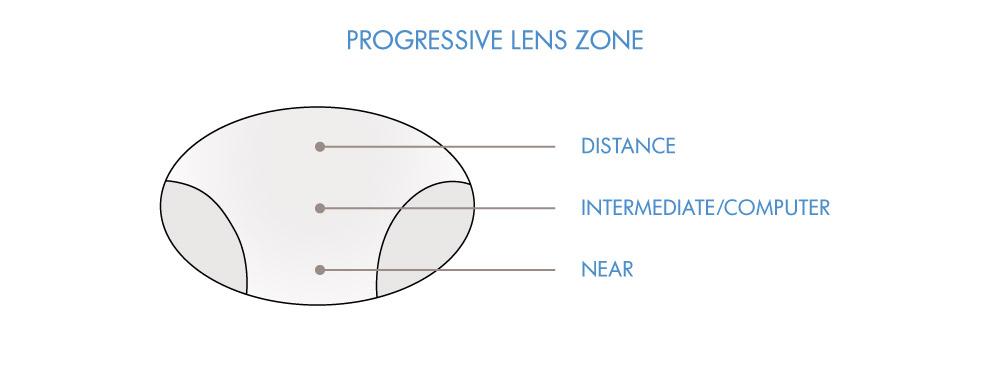
- Feature three viewing zones:
- Distance
- Intermediate (computer work)
- Near vision (reading)
- Provide more versatility than bifocals.
4. Progressive Lenses
- Offer a seamless transition between distance, intermediate, and near vision.
- No visible lines on the lens.
- Popular among adults with presbyopia.
5. Reading Lenses
- Designed specifically for close-up tasks such as reading books, sewing, or using smartphones.
- Available with or without a prescription.
6. Computer Lenses
- Optimized for digital screen viewing distances.
- Help reduce eye strain, neck strain, and fatigue during prolonged computer use.
- Often include blue-light filtering options.
7. Blue Light Blocking Lenses
- Filter a portion of blue light emitted from digital devices and LED lighting.
- May improve visual comfort during extended screen use.
- Particularly popular among office workers and students.
8. Photochromic Lenses
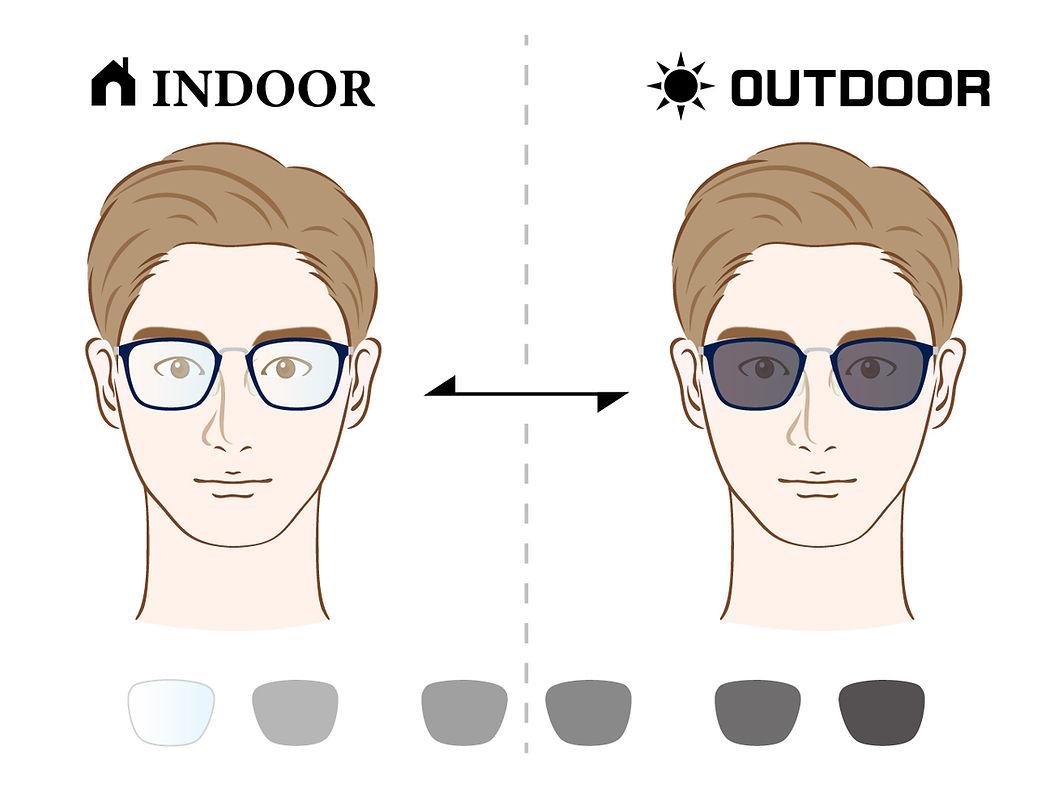
- Automatically darken in sunlight and return to clear indoors.
- Provide convenience by combining eyeglasses and sunglasses in one pair.
- Often known by the brand name "Transitions."
9. Polarized Lenses
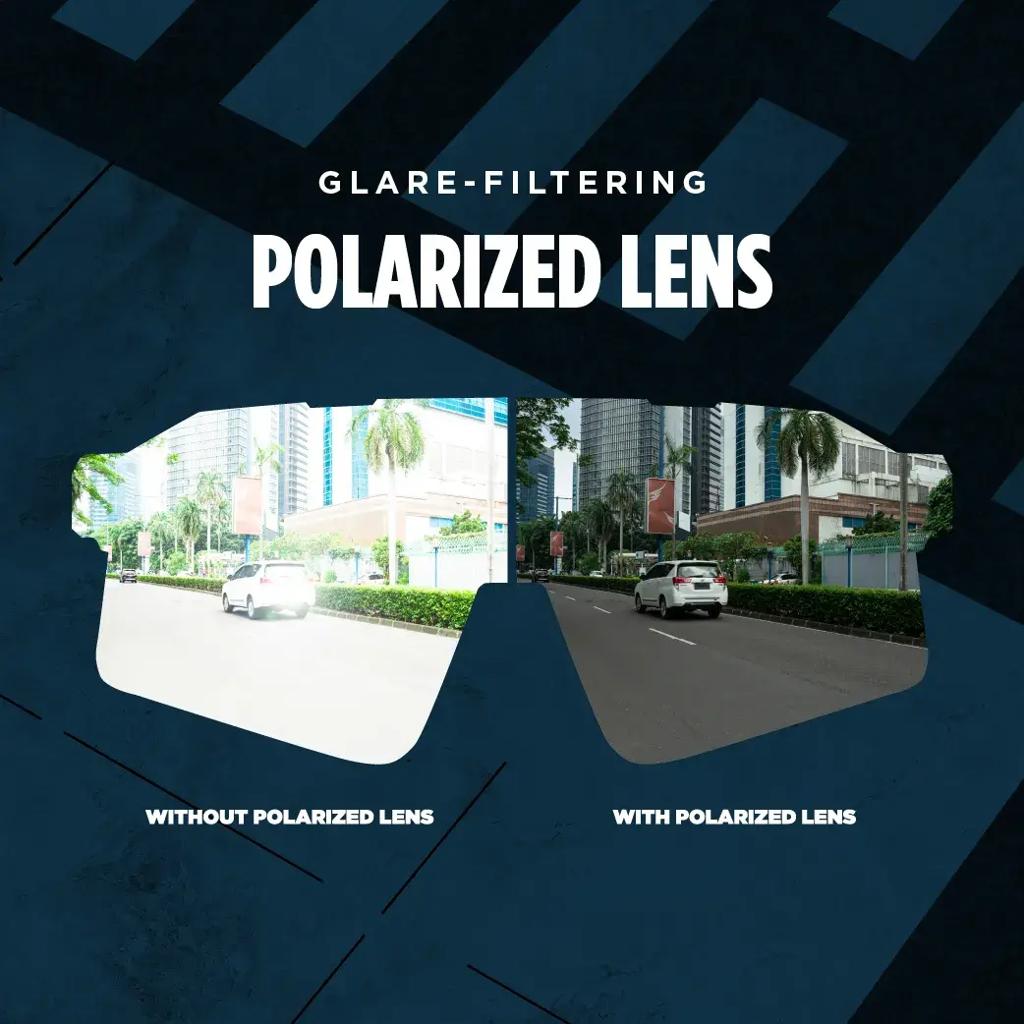
- Reduce glare reflected from surfaces such as water, roads, and snow.
- Improve visual comfort and contrast outdoors.
- Commonly used in sunglasses for driving and outdoor activities.
10. High-Index Lenses
- Made from materials that bend light more efficiently.
- Thinner and lighter than standard plastic lenses.
- Ideal for people with strong prescriptions.
11. Polycarbonate Lenses
- Extremely impact-resistant and lightweight.
- Provide built-in UV protection.
- Recommended for children, athletes, and safety eyewear users.
12. Aspheric Lenses
- Flatter and thinner than traditional spherical lenses.
- Reduce edge distortion and improve appearance.
- Particularly beneficial for moderate to strong prescriptions.
13. Prism Lenses
- Correct eye alignment issues and certain forms of double vision.
- Help the eyes work together more effectively.
- Prescribed for specific binocular vision conditions.
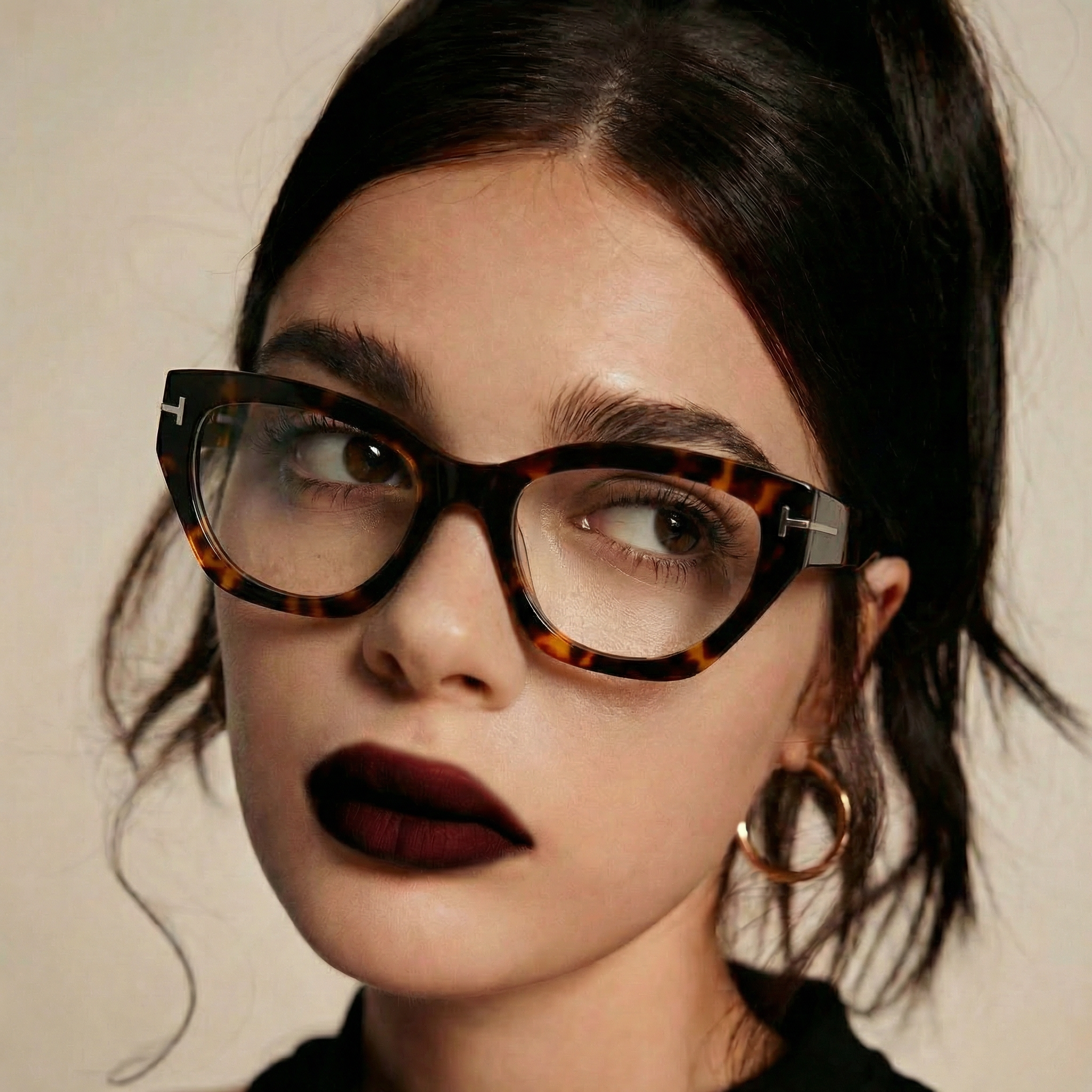
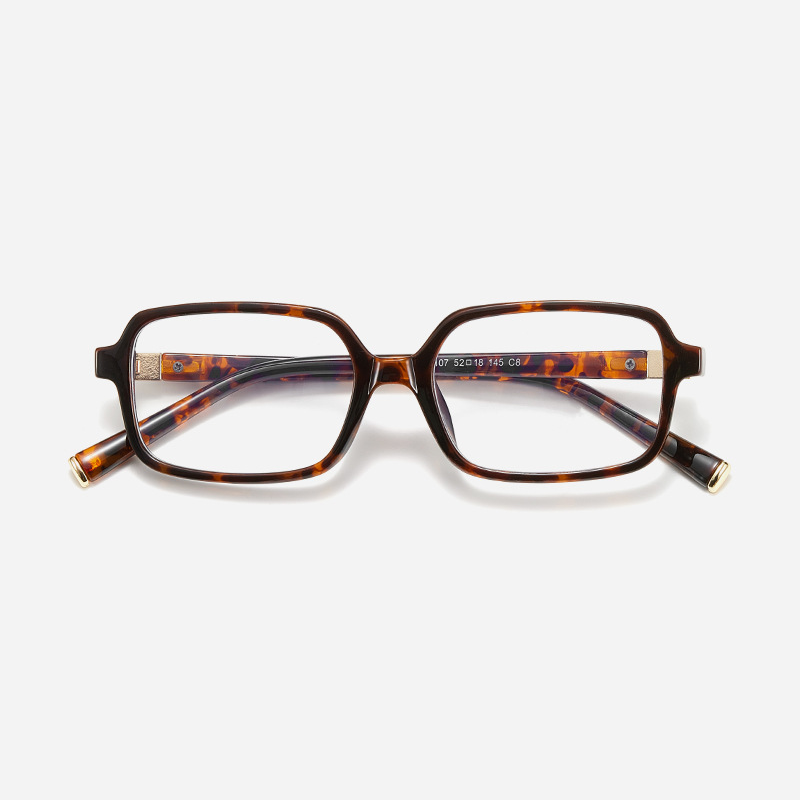
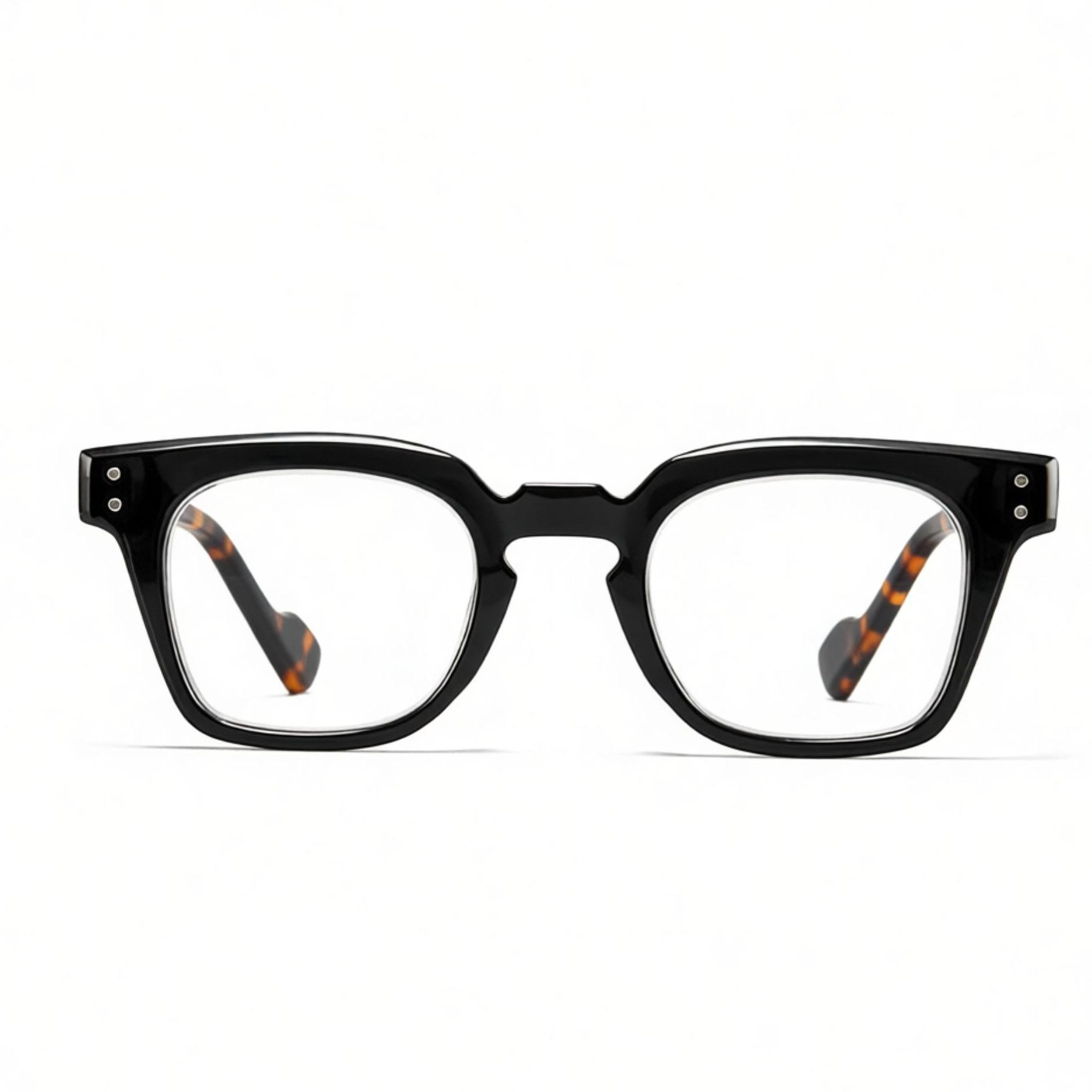
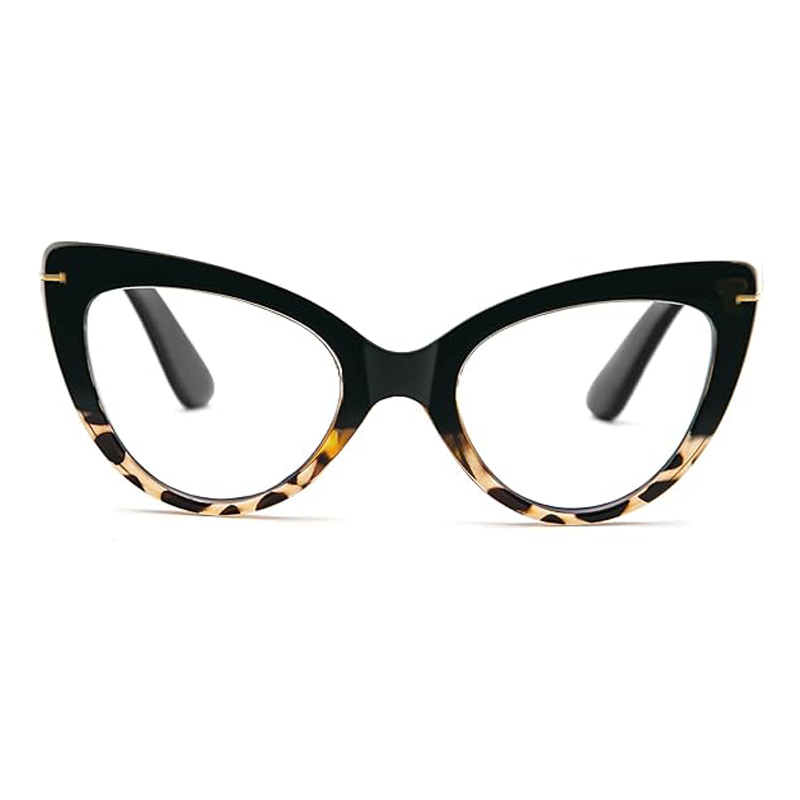
Visual Overview
6
Lens Enhancements (Not Separate Lens Types)
Many lenses can also include special coatings:
- Anti-reflective (AR) coating – reduces glare and reflections.
- Scratch-resistant coating – improves durability.
- UV protection coating – blocks harmful ultraviolet rays.
- Hydrophobic coating – repels water and smudges.
- Anti-fog coating – helps prevent lens fogging.
Choosing the Right Lens
The best lens depends on:
- Your prescription strength
- Age and visual needs
- Daily activities (reading, driving, computer work)
- Outdoor exposure
- Budget and preferred lens thickness
For example, someone who spends all day on a computer may benefit from computer lenses with anti-reflective coating, while an outdoor enthusiast might prefer photochromic or polarized lenses with UV protection.
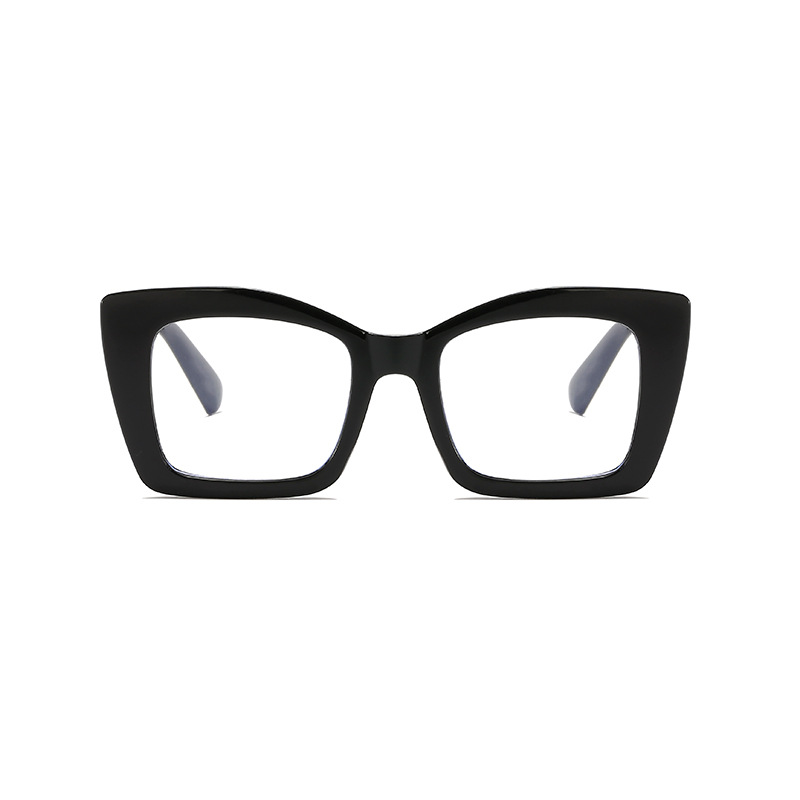
https://scoolglasses.com/products/cat-eye-glasses-ps-58020













.png?w=2048&h=2048)
-14--1.png?w=2048&h=2048)