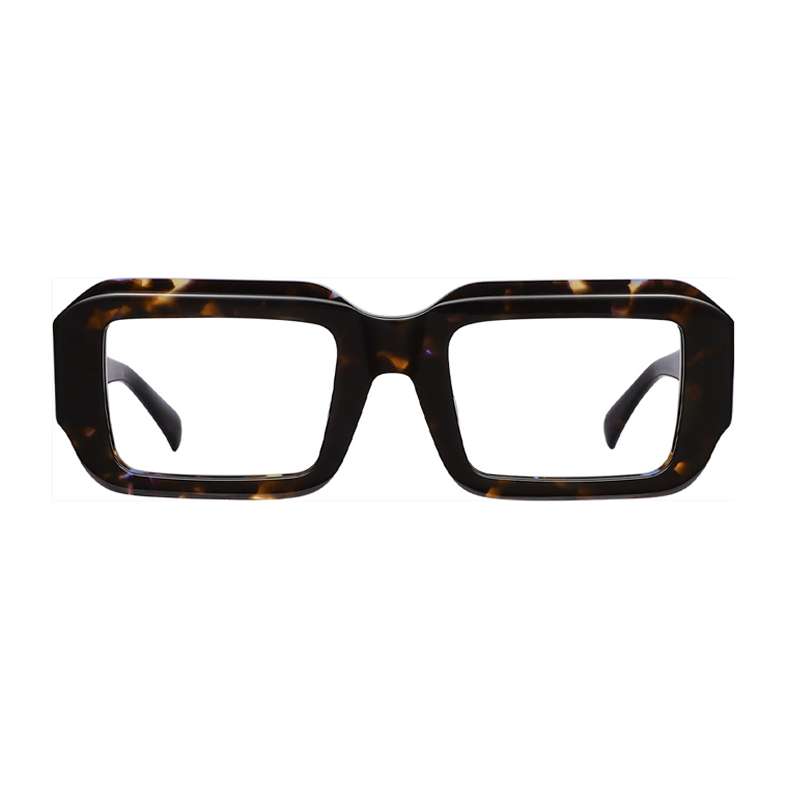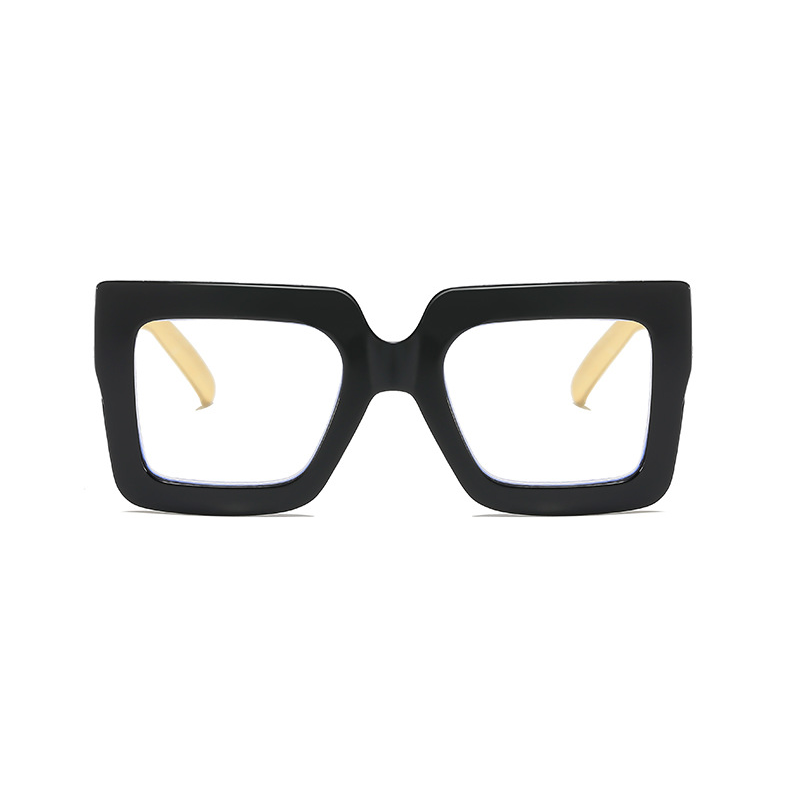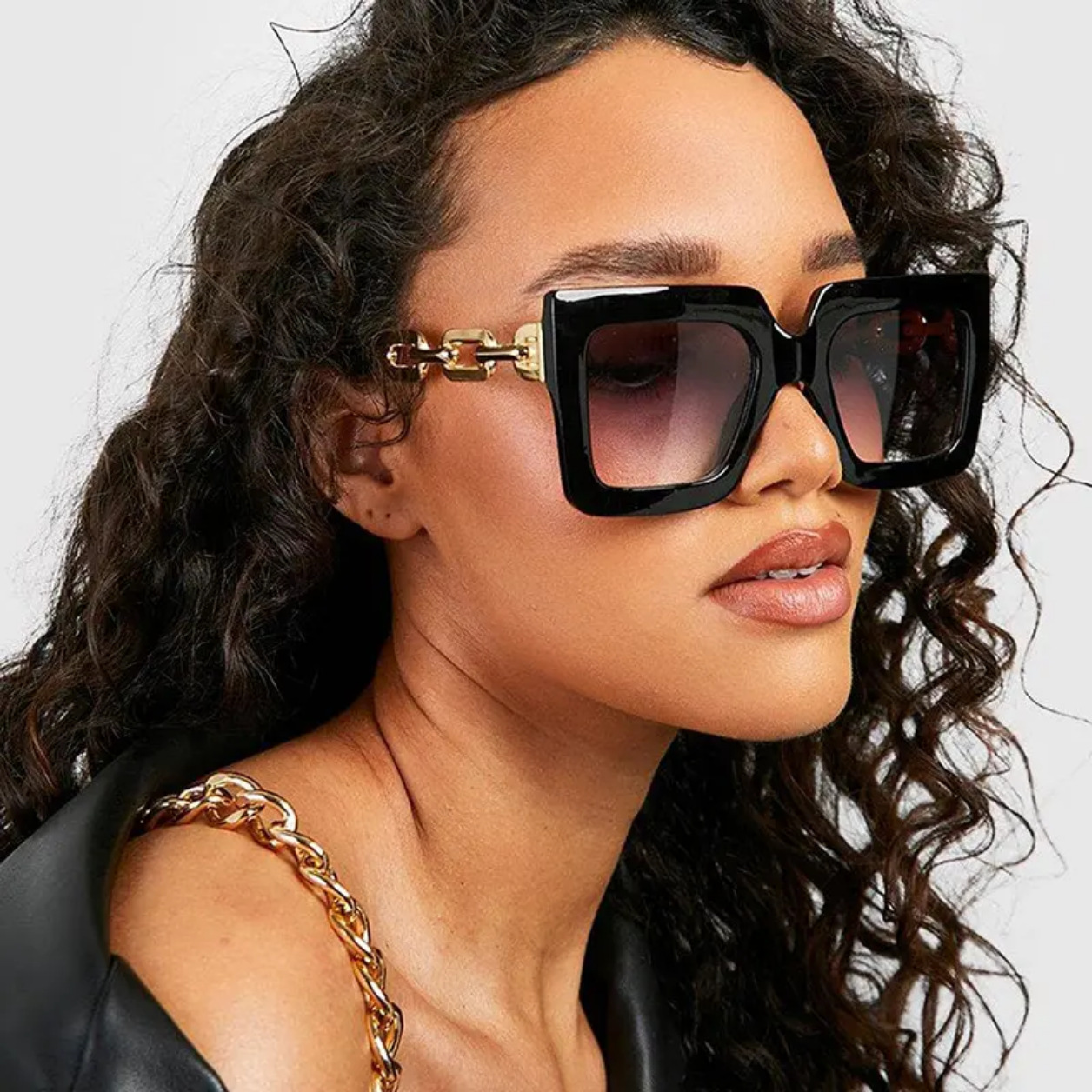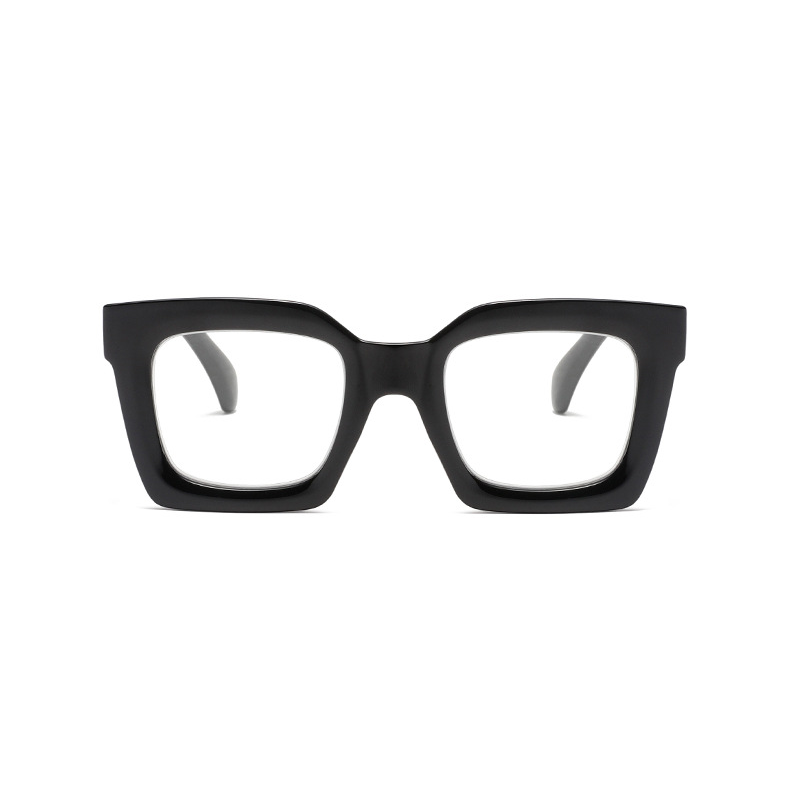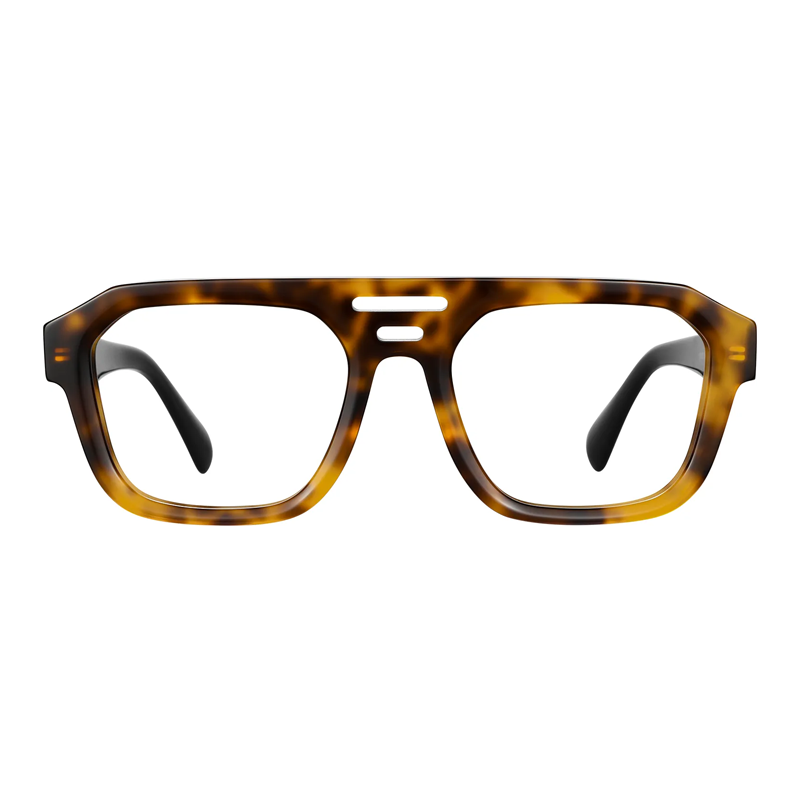


A lot of people assume polarized sunglasses automatically block UV rays. Some do, but polarization itself is designed for glare reduction, not UV filtering.

The Difference Between Polarized and UV Protection
Polarized Lenses
Polarized lenses reduce glare caused by light reflecting off flat surfaces like:
- Water
- Roads
- Snow
- Car hoods
They make vision more comfortable and improve contrast, especially outdoors.
Common examples include:
- Ray-Ban Polarized Sunglasses
- Oakley Prizm Polarized
UV Protection
UV protection blocks harmful ultraviolet radiation:
- UVA rays → linked to aging and eye damage
- UVB rays → linked to burns and cataracts
Look for labels such as:
- “100% UV protection”
- “UV400”
- “Blocks UVA/UVB rays”
Can Polarized Sunglasses Have No UV Protection?
Yes. Cheap or poorly made polarized sunglasses may reduce glare while offering little or no UV protection.
That’s why checking the label matters.
The safest choice is sunglasses labeled:
- Polarized
AND - 100% UV or UV400 protection
Why UV Protection Matters More Than Polarization
If you had to choose only one feature, UV protection is more important for eye health.
Long-term UV exposure can contribute to:
- Cataracts
- Macular degeneration
- Photokeratitis (“sunburn” of the eye)
Polarization mainly improves comfort and visibility.
Ideal Use Cases for Polarized Sunglasses
Polarized lenses are especially useful for:
- Driving
- Fishing
- Boating
- Beach use
- Skiing
- Hiking near reflective surfaces
They reduce eye strain and improve visibility in bright conditions.
Situations Where Polarized Lenses May Be Less Ideal
Sometimes polarization can make it harder to:
- Read LCD screens
- View some car dashboards
- See icy patches while skiing
- Use certain aviation instruments
Pilots often use non-polarized lenses for this reason.
How to Tell if Sunglasses Are Polarized
Simple test:
- Look at an LCD screen.
- Tilt your head sideways.
- If the screen darkens significantly, the lenses are likely polarized.
What to Look for When Buying Sunglasses
Choose sunglasses that offer:
- UV400 or 100% UVA/UVB protection
- Good optical clarity
- Proper fit and coverage
- Durable lens material
For outdoor sports or driving, combining both features is usually best:
- Polarized + UV400
Examples:
- Maui Jim PolarizedPlus2
- Costa Del Mar 580P
In short:
- Polarized = reduces glare
- UV protection = protects your eyes from harmful radiation
- The best sunglasses provide both.
https://scoolglasses.com/products/square-glasses-ps-8173








.jpg?w=569&h=569)
-1.png?w=800&h=800)


-14--1.png?w=2048&h=2048)