
1. Why Eyeglasses Matter for Eye Health
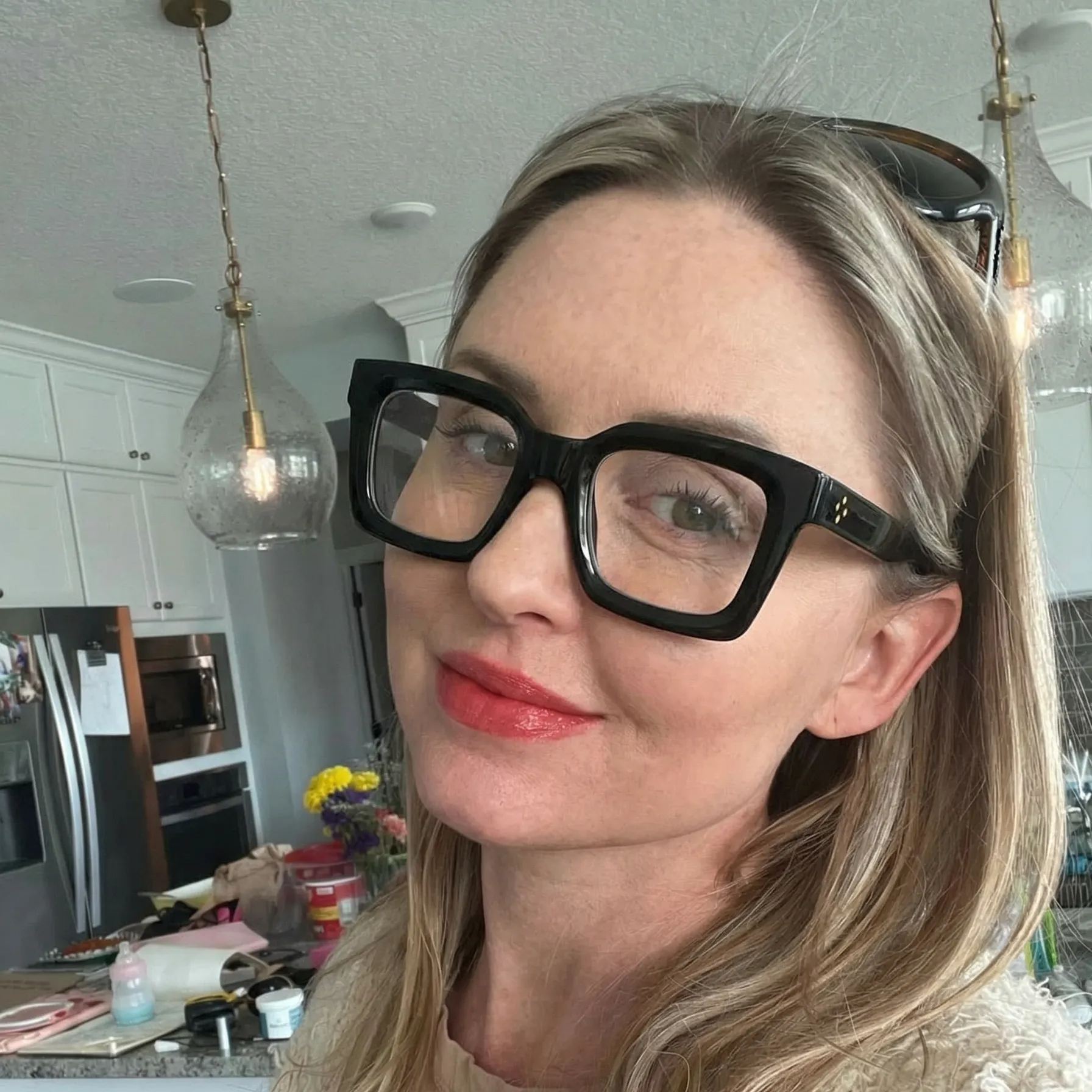
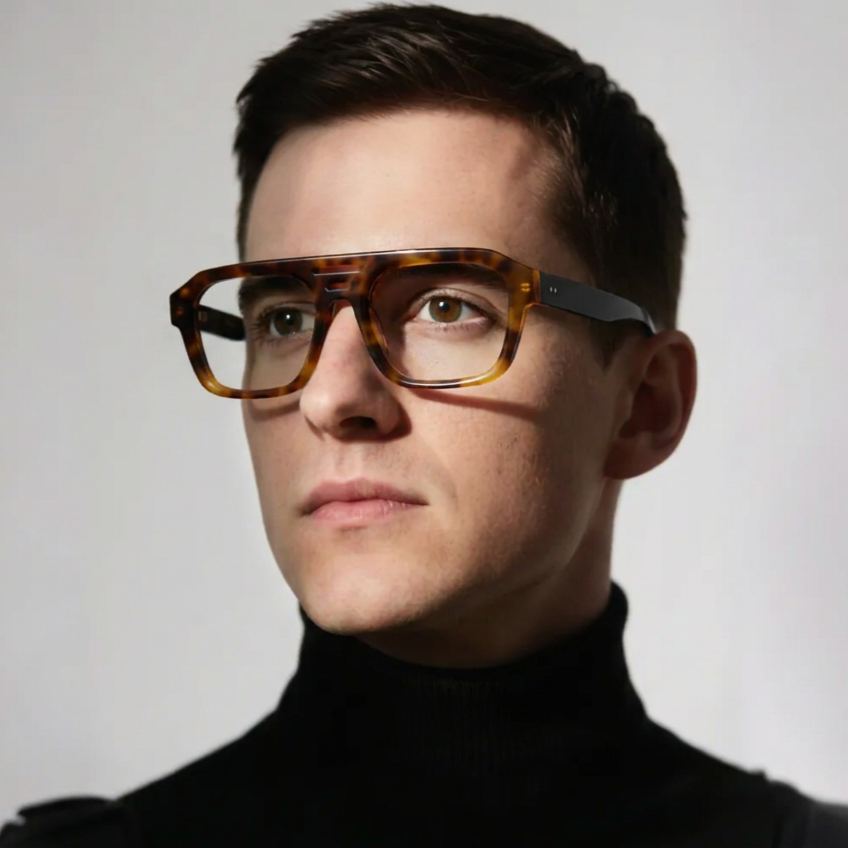
Eyeglasses aren’t just about seeing clearly—they also protect your eyes and support long-term vision.
Key Benefits:
- Correct vision problems: Glasses fix nearsightedness, farsightedness, astigmatism, and presbyopia, reducing eye strain.
- Prevent eye strain: Properly prescribed lenses prevent headaches, blurred vision, and fatigue from squinting.
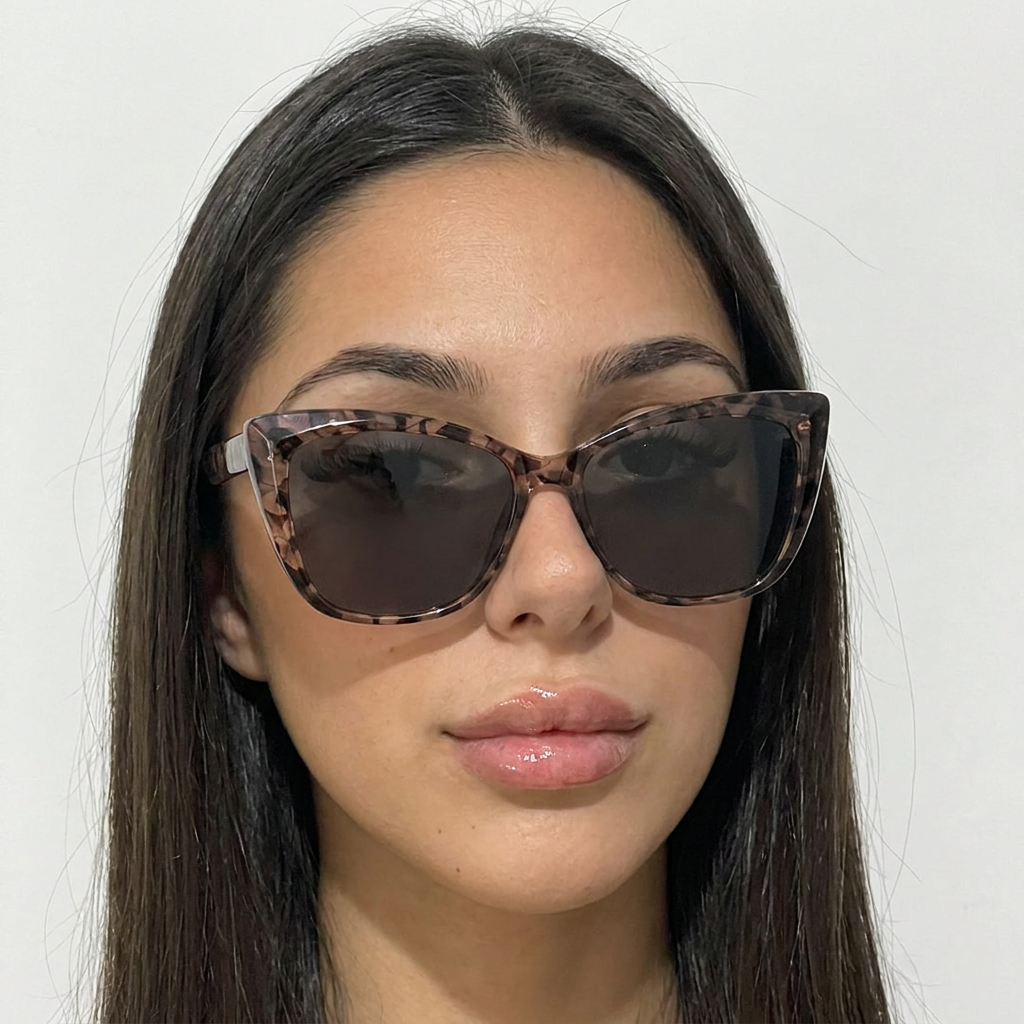
- Protect your eyes: Lenses with UV protection shield against harmful sun rays, lowering the risk of cataracts and other eye damage.
- Safety: Polycarbonate or Trivex lenses reduce the risk of injury during sports or accidents.
2. When to Get Your Eyes Checked
Regular eye exams are essential, even if you don’t notice vision problems.
Guidelines:
- Children: Every 1–2 years to detect early vision issues.
- Adults under 40: Every 2–3 years if vision is normal.
- Adults over 40: Every 1–2 years to monitor for presbyopia, glaucoma, and cataracts.
- People with risk factors: More frequent exams for diabetes, high blood pressure, or family history of eye diseases.
3. Choosing the Right Glasses for Eye Health
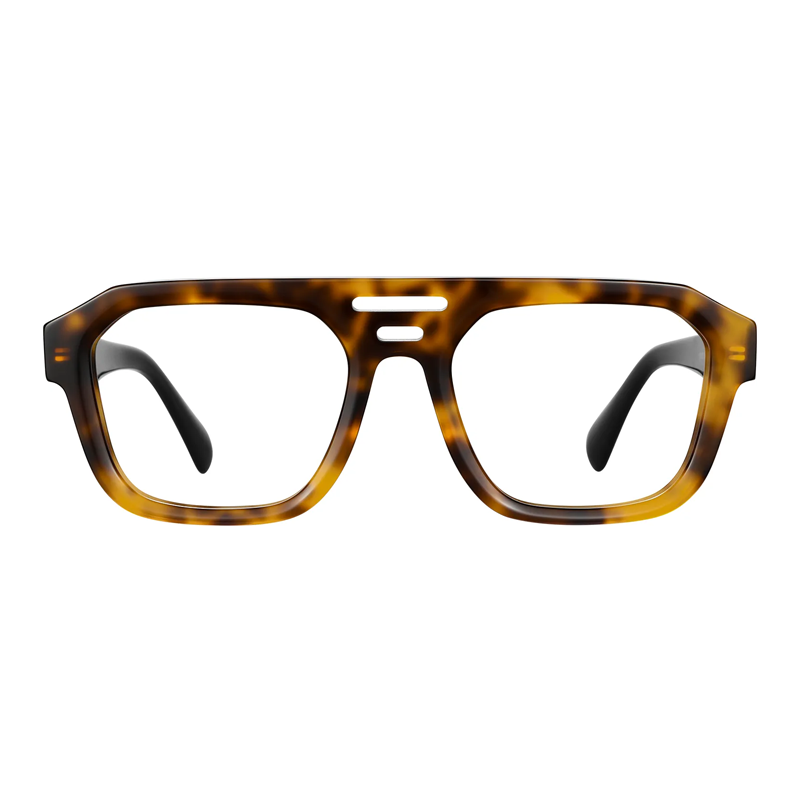
Lens material matters:
- Plastic (CR-39): Lightweight and comfortable for everyday use.
- Polycarbonate/Trivex: Highly impact-resistant; best for children, sports, or active lifestyles.
- High-index: Thin, lightweight lenses for stronger prescriptions.
Lens coatings and features:
- Anti-reflective coating: Reduces glare, especially for night driving and screen use.
- Scratch-resistant coating: Extends lens life.
- Blue-light filtering: May reduce eye strain from prolonged screen time.
- UV protection: Essential for outdoor use.
4. Maintaining Healthy Eyes While Wearing Glasses
- Clean lenses properly: Use lens cleaner and microfiber cloth, avoid paper towels or clothing.
- Take screen breaks: Follow the 20-20-20 rule—every 20 minutes, look at something 20 feet away for 20 seconds.
- Proper lighting: Avoid glare from screens and dim lighting when reading.
- Monitor vision changes: If your vision changes, see an optometrist promptly.
5. Common Myths About Glasses and Eye Health
- “Wearing glasses makes your eyes weaker.” ❌ False. Glasses correct vision; they don’t change your eye’s physical strength.
- “You only need glasses if your vision is bad.” ❌ Even minor vision problems can cause headaches, eye strain, or poor posture.
- “UV protection isn’t necessary for eyeglasses.” ❌ UV damage accumulates over time, increasing the risk of cataracts and macular degeneration.
Bottom Line
Eyeglasses are more than a vision tool—they’re a key part of eye health. Choosing the right lenses, maintaining them properly, and getting regular eye exams can help you see clearly and protect your eyes for life.
https://scoolglasses.com/products/square-glasses-mj-kj9810



.png?w=2048&h=2048)
.jpg?w=1024&h=1024)



.jpg?w=569&h=569)
-1.png?w=800&h=800)
-14--1.png?w=2048&h=2048)