
.png?w=2048&h=2048)
Night driving can be challenging, especially with glare from oncoming headlights, streetlights, or wet roads. Using specialized glare-reduction driving glasses can enhance safety and comfort. Here’s a detailed guide:
1. Understanding Glare-Reduction Glasses
- Purpose: These glasses are designed to reduce glare from headlights and streetlights at night, enhancing contrast and visual clarity.
- Lens Technology: Most night-driving glasses feature yellow-tinted or anti-reflective (AR) coatings.
- Yellow lenses filter blue light, making bright lights appear less harsh.
- Anti-reflective coatings prevent internal lens reflections that can cause halo effects.
2. Choosing the Right Night Driving Glasses
- Lens tint: Slight yellow or amber is ideal; avoid overly dark lenses, as they reduce visibility at night.
- Anti-reflective coating: Essential to minimize reflections from dashboard lights or streetlights.
- Fit: Glasses should wrap slightly around the eyes without obstructing peripheral vision.
- Polarization: Not always recommended at night, as it can reduce visibility of some LED lights or street signs.
3. Benefits for Safety
- Reduced Glare: Lessens temporary blindness from oncoming headlights.
- Improved Contrast: Helps distinguish objects, pedestrians, and lane markings more clearly.
- Eye Comfort: Reduces eye strain and fatigue during long night drives.
- Enhanced Focus: Less distraction from reflections and scattered light allows better concentration.
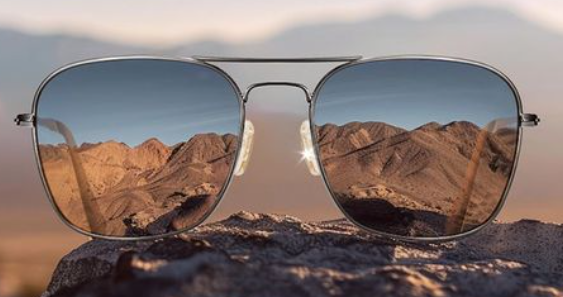
4. Tips for Maximizing Effectiveness
- Keep lenses clean: Smudges and dust amplify glare—clean with microfiber cloths and lens-safe cleaners.
- Adjust your car lighting: Dim dashboard lights to reduce internal reflections.
- Use proper prescription if needed: Night vision glasses should match your corrective lenses if you wear them.
- Avoid relying solely on glasses: Keep windshields clean and avoid driving when fatigued.
5. Common Myths
- Myth: Dark tinted glasses improve night vision.
- Truth: Too-dark lenses reduce overall visibility and can make driving more dangerous.
- Myth: Polarized lenses are ideal at night.
- Truth: Polarization can block certain lights and street signs, reducing safety.
💡 Pro tip: Even with glare-reduction glasses, practicing safe driving habits—like maintaining proper following distance, reducing speed in heavy glare, and taking regular breaks—is critical for night safety.
https://scoolglasses.com/products/square-glasses-ps-8731


.jpg?w=1024&h=1024)





.jpg?w=569&h=569)
-1.png?w=800&h=800)


-14--1.png?w=2048&h=2048)