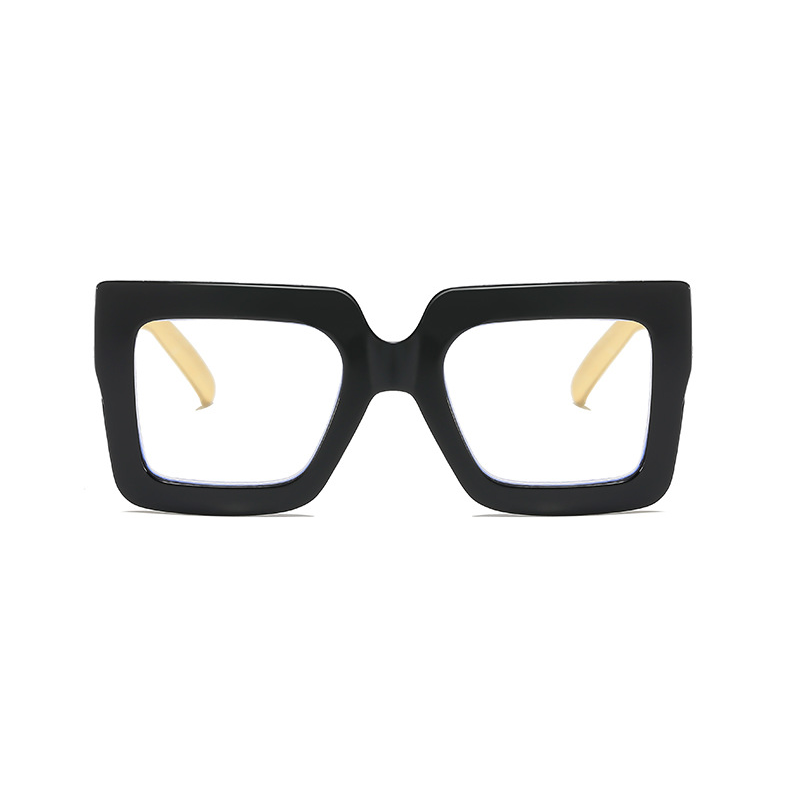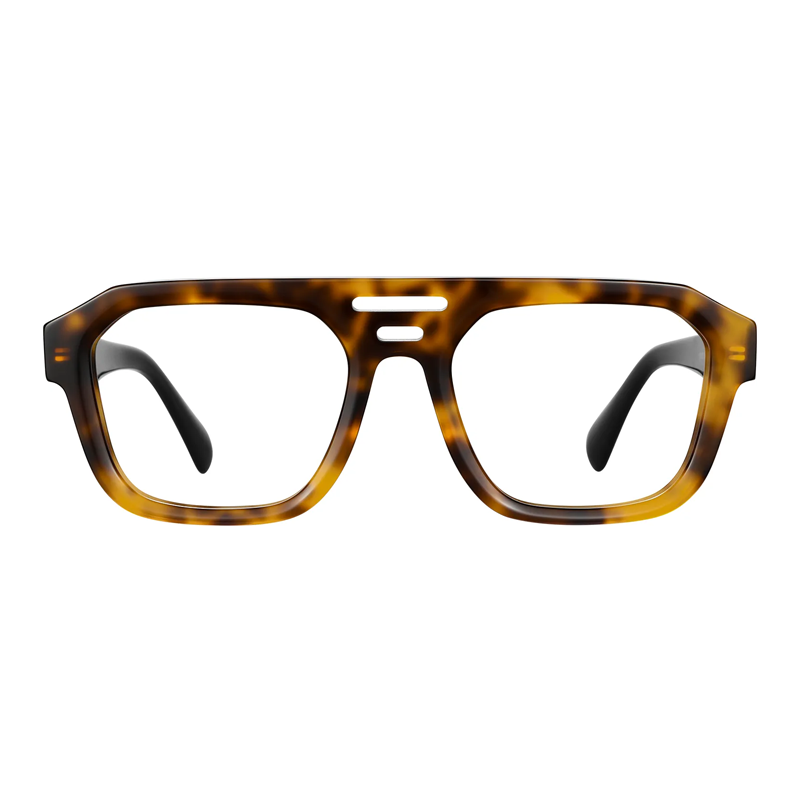


Adjusting to new eyewear is normal—almost everyone needs a short “adaptation period” when switching frames or prescriptions. Whether your lenses changed slightly or significantly, your brain and eyes need time to recalibrate. Here’s how to make the transition smoother.

1. Expect an adjustment period (don’t panic early)
For most people, adaptation takes:
- Mild prescription change: 1–3 days
- New glasses type (e.g., progressives): 1–2 weeks
- Strong prescription change: up to 2–3 weeks
During this time, you might notice:
- Slight dizziness or “off” depth perception
- Headaches
- Objects appearing tilted or too close/far
This is usually temporary as your brain adapts.
2. Wear them consistently (this is key)
The biggest mistake is switching back and forth between old and new glasses.
Instead:
- Wear your new glasses full-time from day one
- Avoid “reverting” to your old pair unless necessary
- Give your brain continuous exposure so it can adapt faster
3. Start with low-demand activities
In the first 1–2 days, ease into use:
- Reading or screen time at home
- Light walking in familiar environments
- Avoid driving long distances until vision feels stable
Once comfortable, gradually return to full daily activities.
4. Be mindful of lens type differences
Different lenses require different adaptation strategies:
- Single vision lenses: usually quick adjustment
- Progressive lenses: need head movement practice (not just eye movement)
- High prescription changes: more noticeable distortion at first
- Astigmatism correction: may feel “warped” initially
If you recently switched lens types, slower adaptation is normal.
5. Check fit and positioning
Sometimes discomfort isn’t about vision—it’s about frame fit:
- Glasses sitting too high or low can distort vision
- Crooked frames affect alignment
- Loose nose pads can cause instability
A quick adjustment at an optical shop can dramatically improve comfort.
6. Reduce eye strain during transition
Help your eyes adapt by:
- Taking the 20-20-20 rule breaks (every 20 min, look 20 feet away for 20 seconds)
- Keeping screens at proper distance
- Using good lighting to avoid squinting
7. Know what’s normal vs. not normal
Normal:
- Mild headache
- Slight blur at edges
- Temporary dizziness
Not normal (get your prescription checked):
- Severe or worsening headaches after several days
- Persistent double vision
- No improvement after 2–3 weeks
- Strong nausea or balance issues
8. Give it time—but don’t ignore persistent issues
Your visual system is highly adaptable, but it should steadily improve each day. If it doesn’t, the issue may be:
- Incorrect prescription
- Lens manufacturing error
- Poor frame alignment
An optometrist can quickly verify and adjust.
https://scoolglasses.com/products/square-glasses-69-ma50








-1.png?w=2048&h=2048)




.jpg?w=569&h=569)
-1.png?w=800&h=800)





-14--1.png?w=2048&h=2048)