


1. Look for Adjustable Nose Pads
- Why: People with a high nose bridge often find that frames without nose pads sit too low, causing slipping.
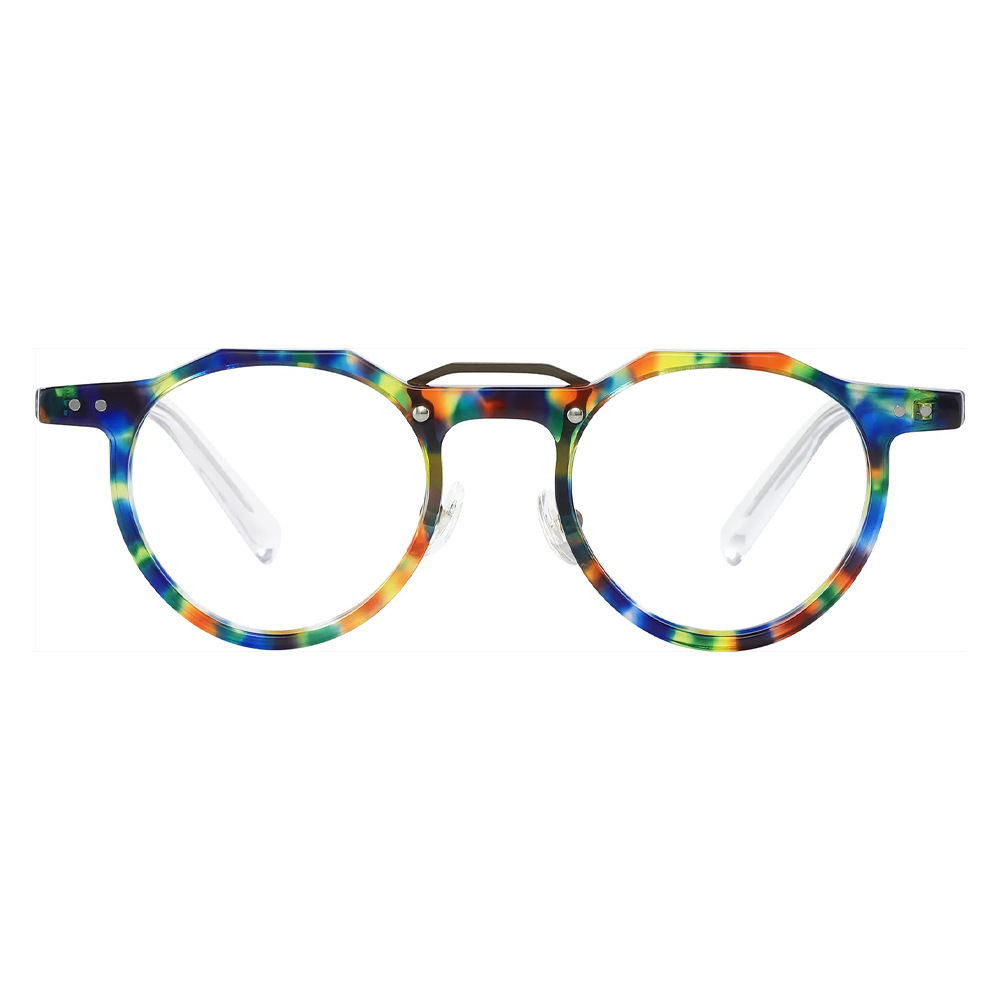
- Tip: Metal frames or semi-rimless frames often have adjustable nose pads that can be positioned higher, ensuring a snug fit.
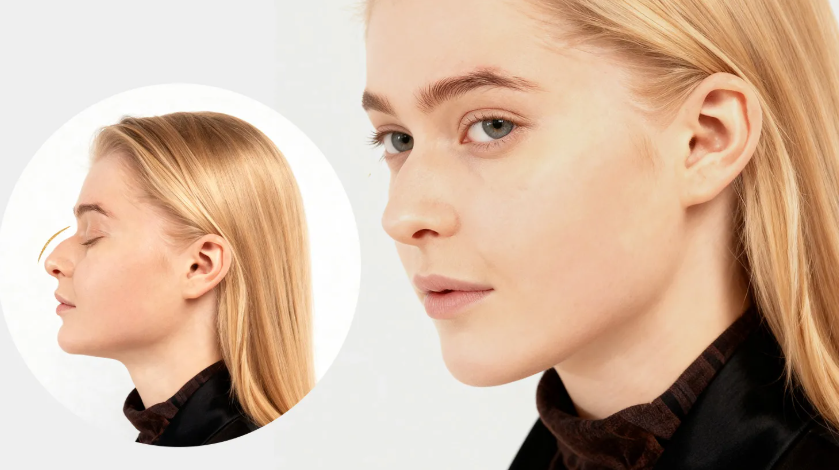
2. Choose Frames with a Higher Bridge Fit
- What it means: Some glasses are designed with a higher bridge, which means the part that rests on the nose is raised to accommodate higher noses.
- Tip: Check frame specifications: sometimes labeled as "high bridge" or "Asian fit," these are ideal for higher nose bridges.
3. Avoid Low-Bridge Frames
- Why: Frames that sit low can leave a gap between your nose and the frame, making glasses unstable and uncomfortable.
- Examples to avoid: Certain round, flat, or standard Western-style frames without adjustable pads.
4. Consider Frame Shape
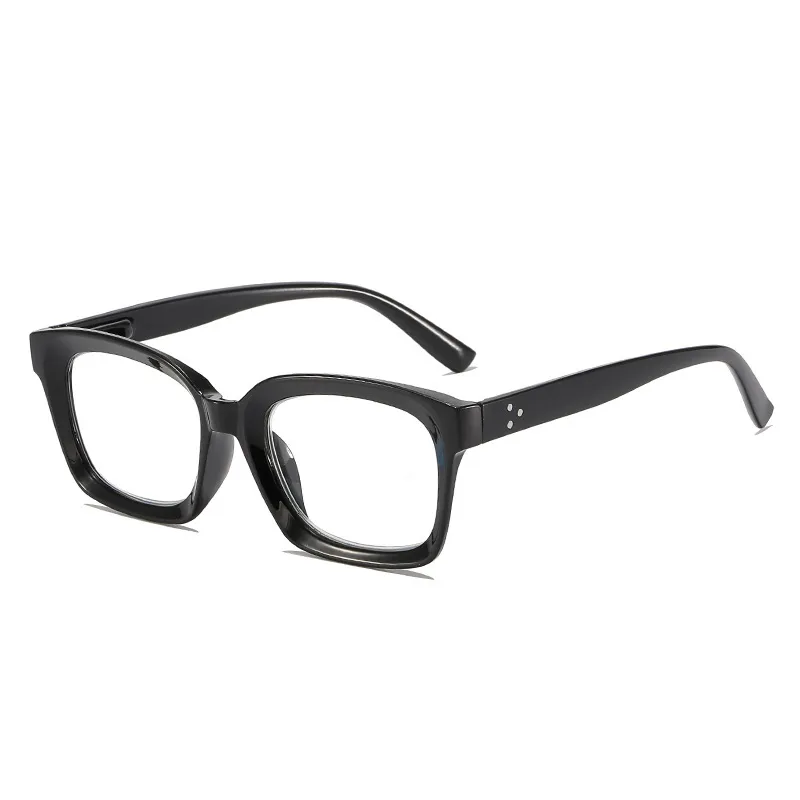
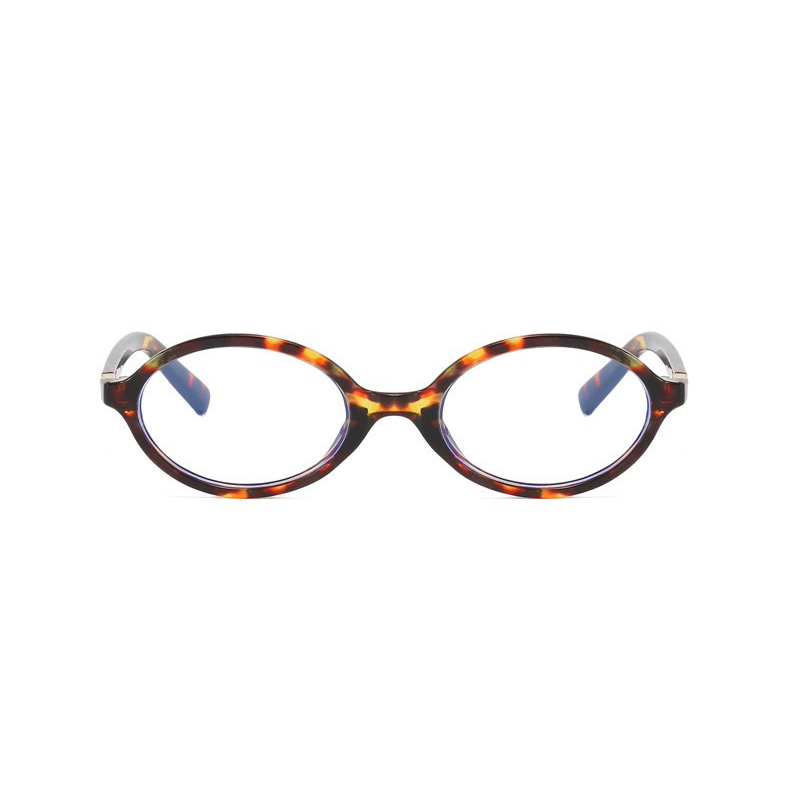
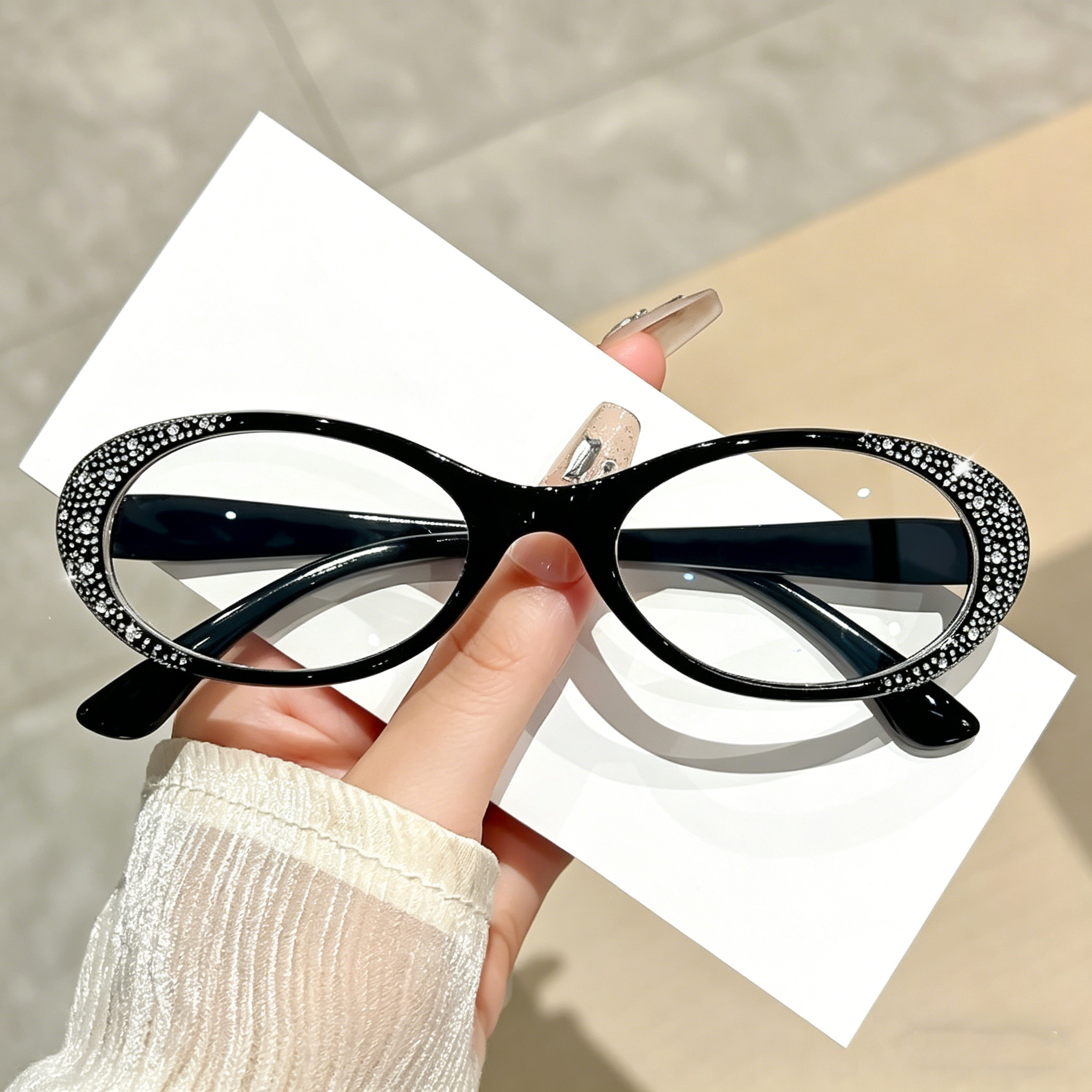
- Rectangle or oval frames: These often fit well on higher bridges because they follow the natural contour of the face.
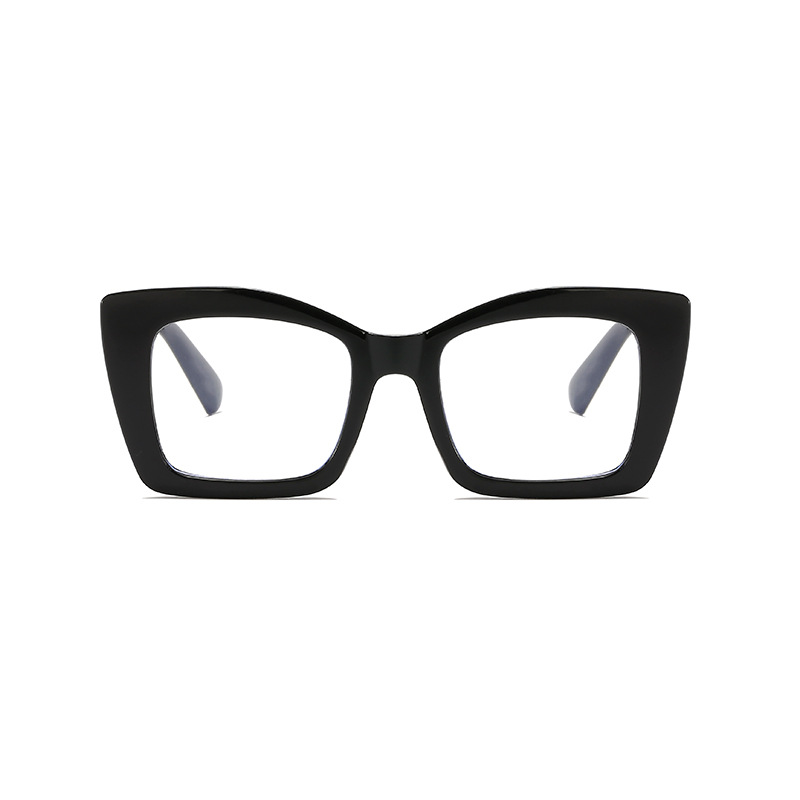
- Avoid overly small frames: They may sit on your cheeks instead of your nose, causing slipping.
5. Frame Material Matters
- Metal frames: Usually come with adjustable nose pads and are lighter.
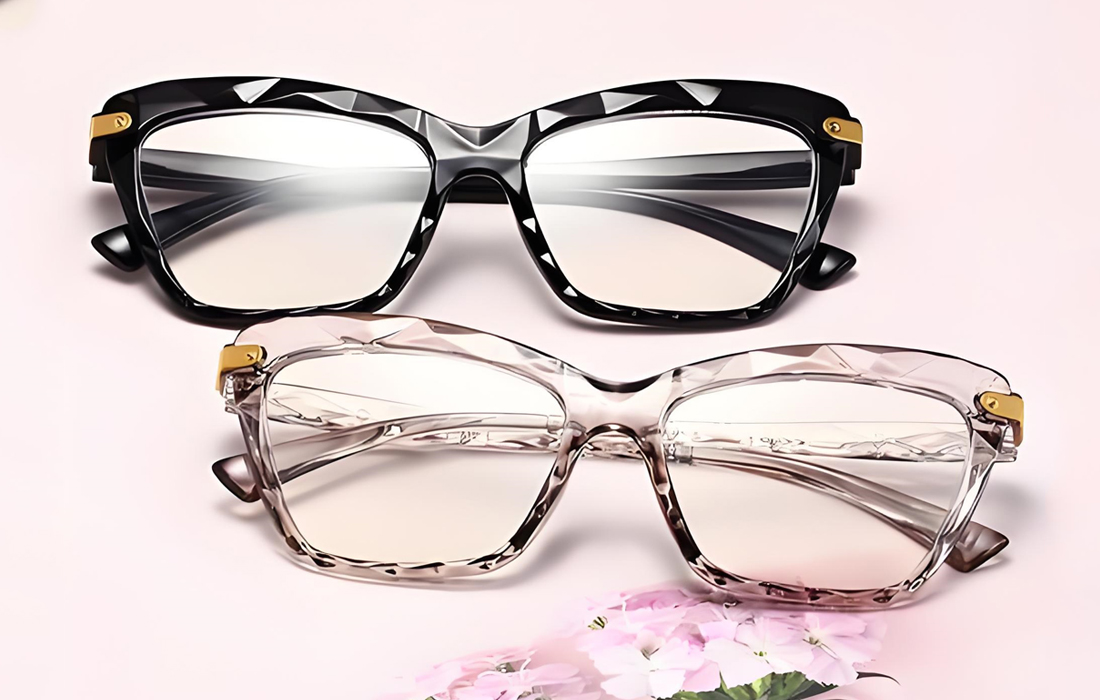
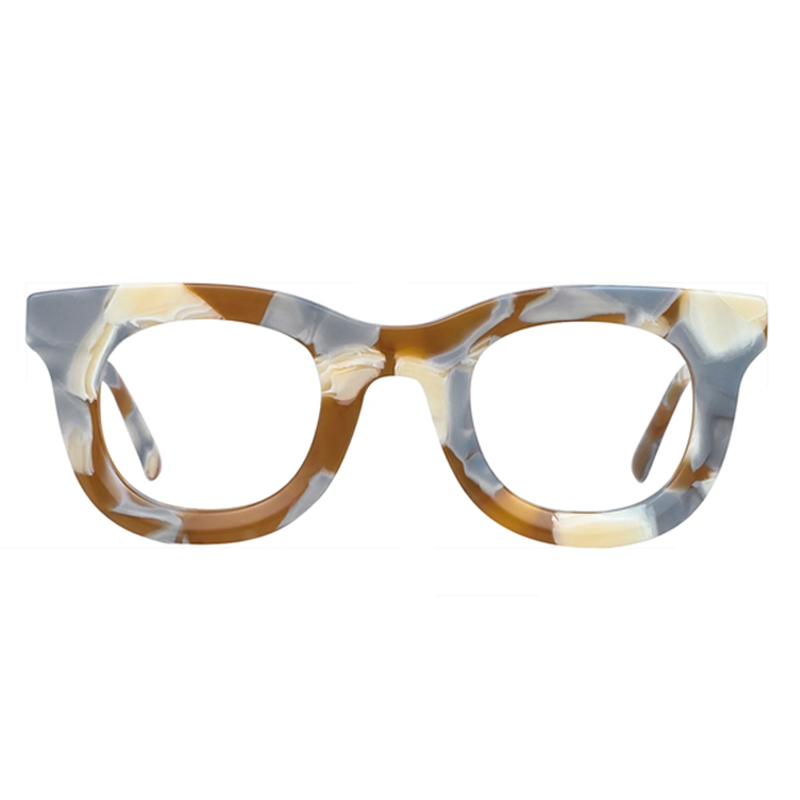
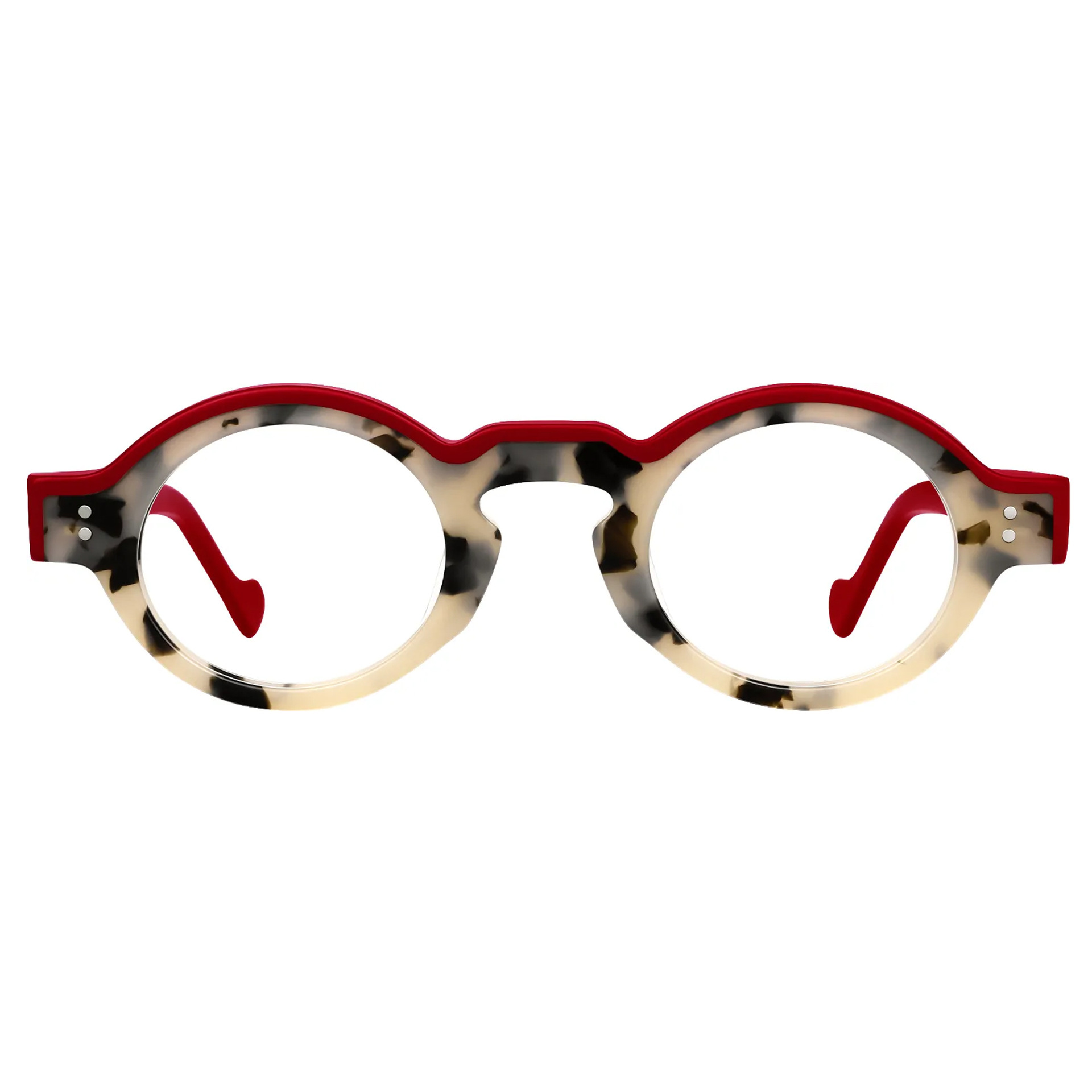
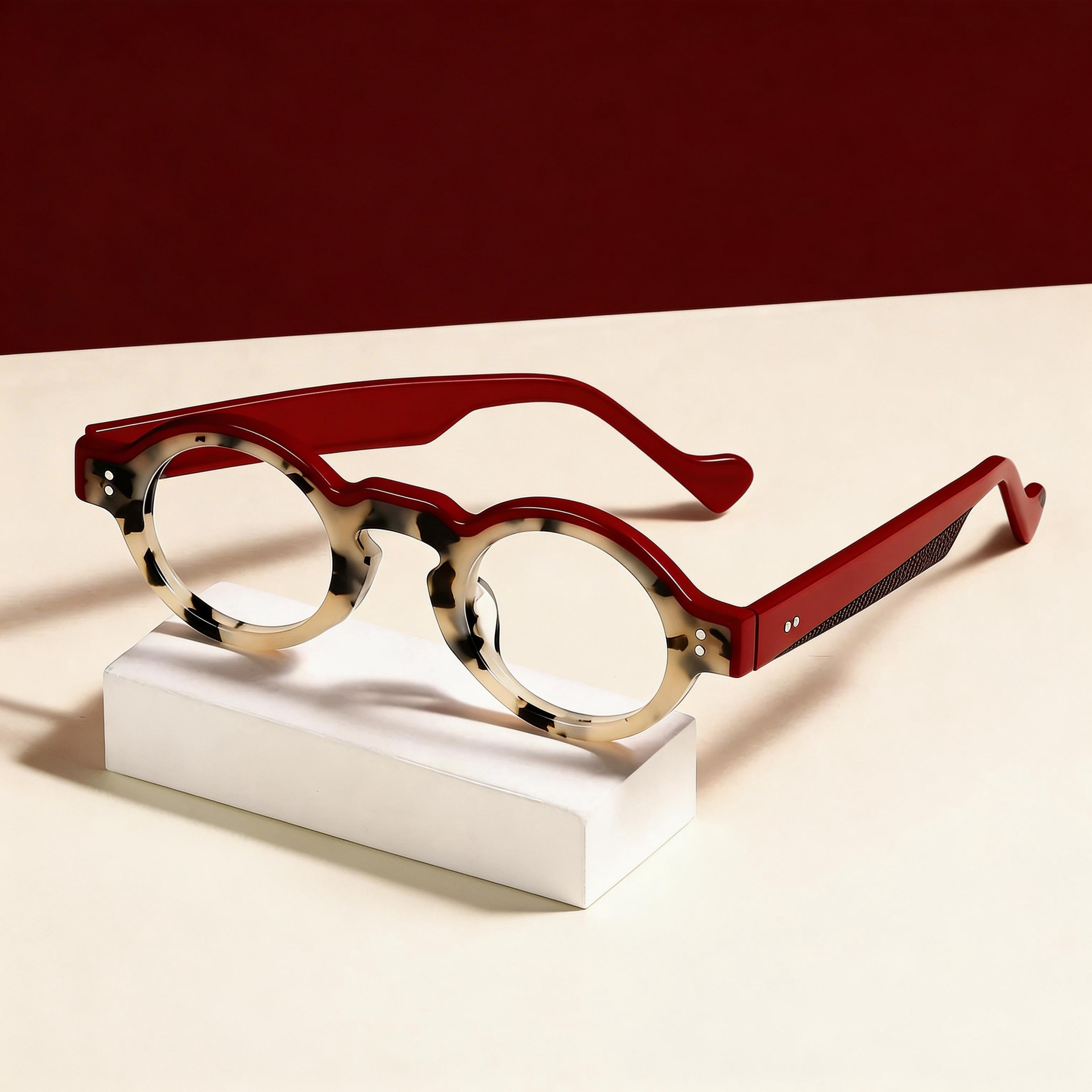
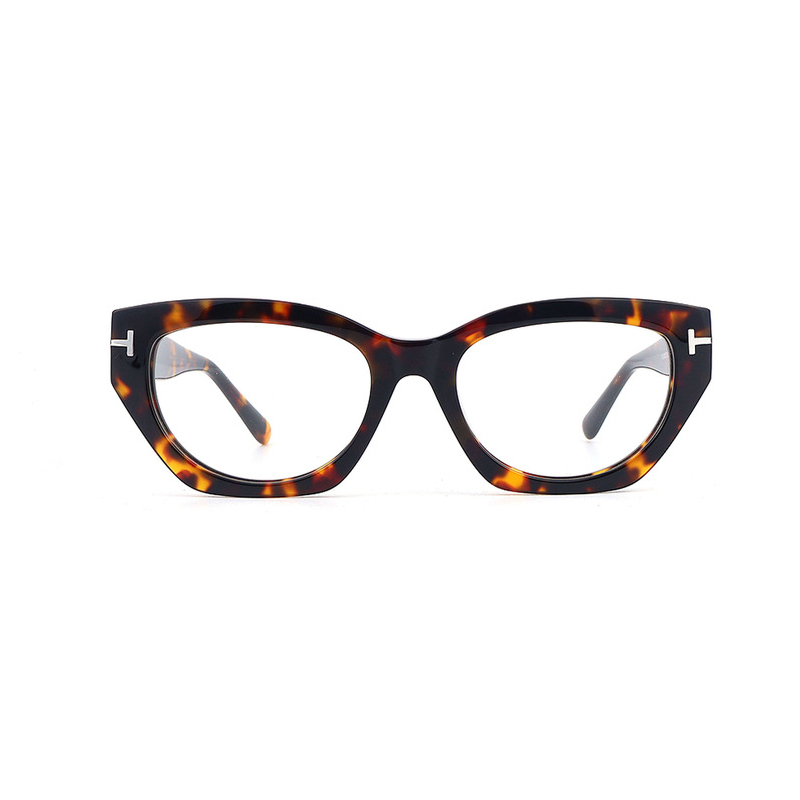
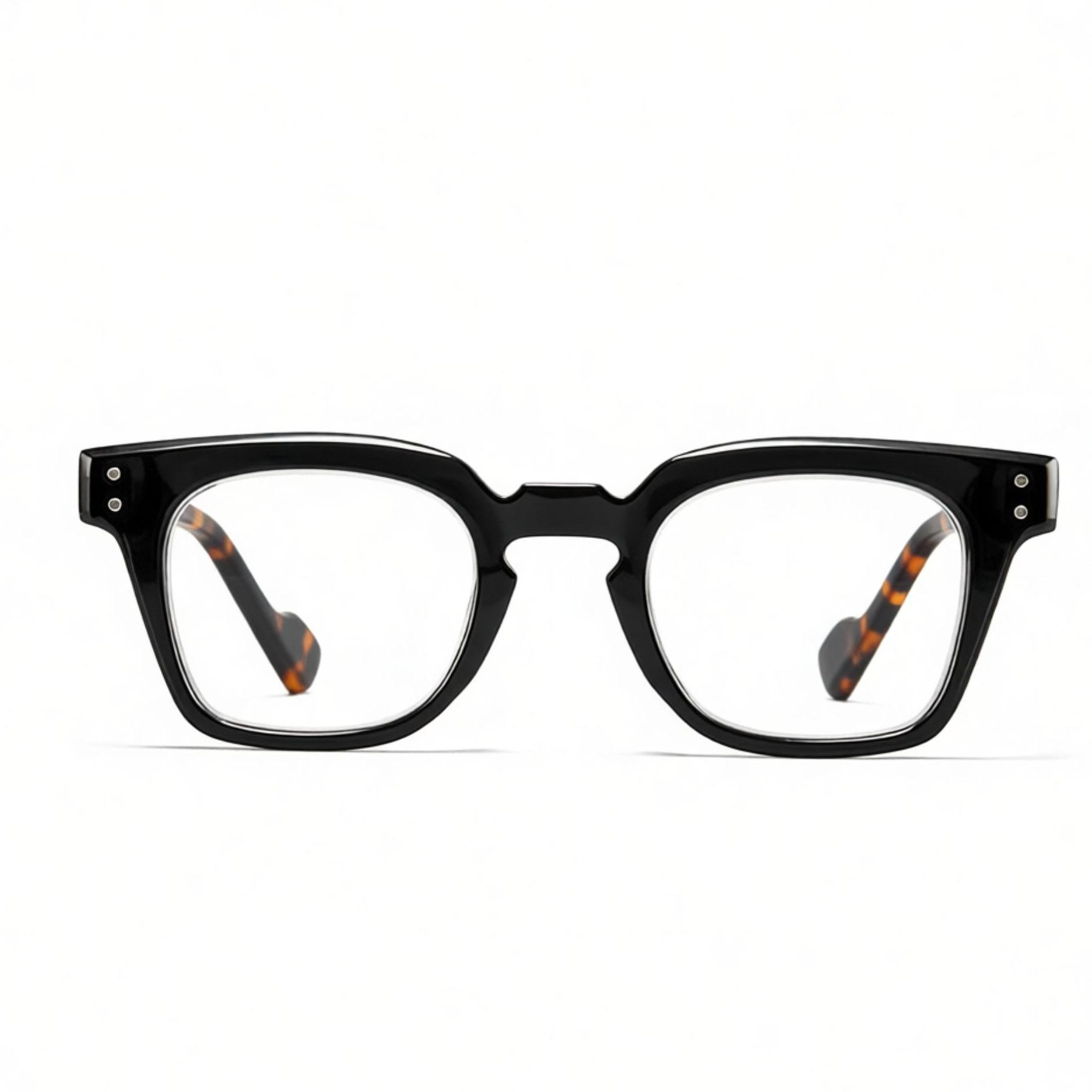
- Plastic/acrylic frames: Check for “keyhole” bridges (curved shape on top), which naturally accommodate a higher nose bridge.
6. Check Temple and Arm Design
- Why: Even with the right nose fit, arms that are too short or curve incorrectly can make glasses slide.
- Tip: Look for temples that curve slightly around the ears and sit comfortably without pushing the frame down.
7. Test for Comfort
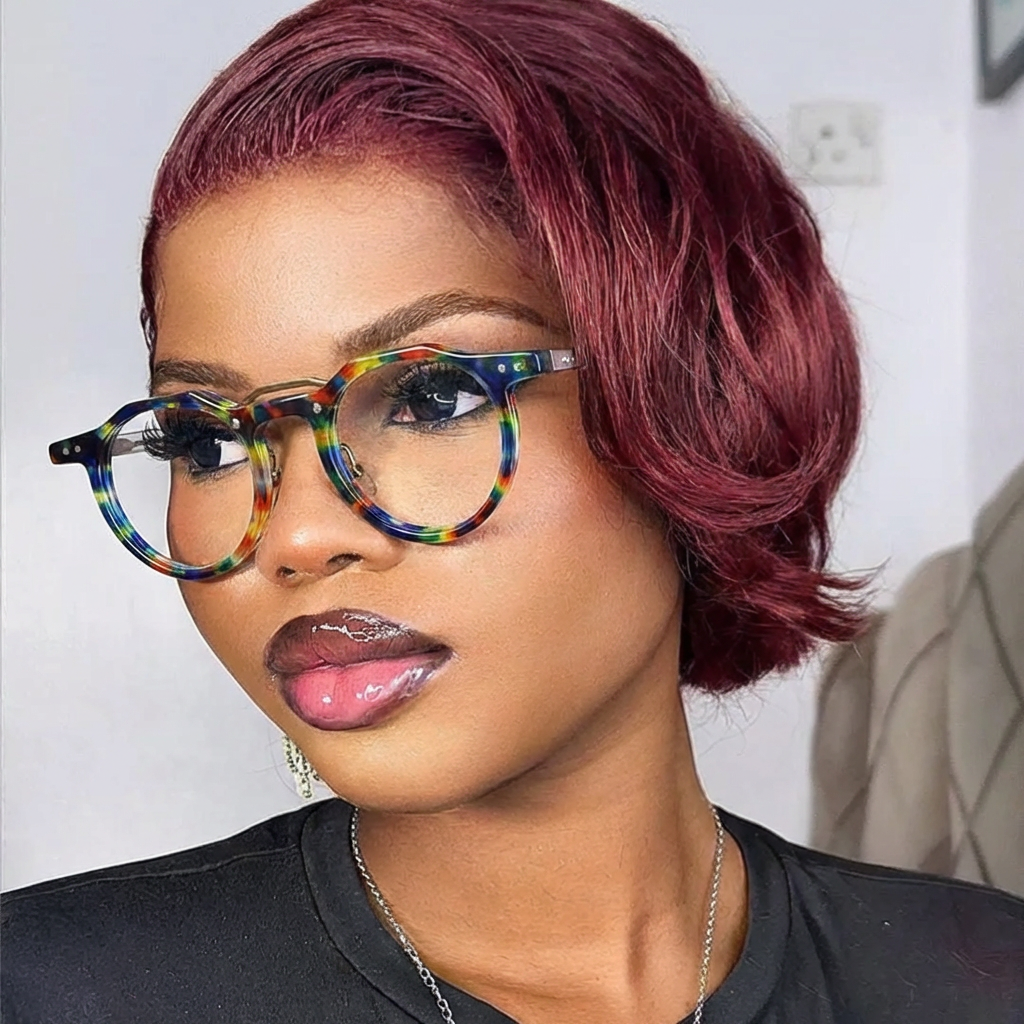
- Final check: The glasses should sit without pressing the top of your nose, not leave marks on the sides, and not slide when you move your head.
✅ Summary Recommendation:
For high bridge noses, frames with adjustable nose pads, a higher bridge fit, medium-to-large sizes, and a keyhole or metal bridge are ideal. Avoid low-sitting frames or styles that rest on the cheeks.
https://scoolglasses.com/products/round-glasses-69-top520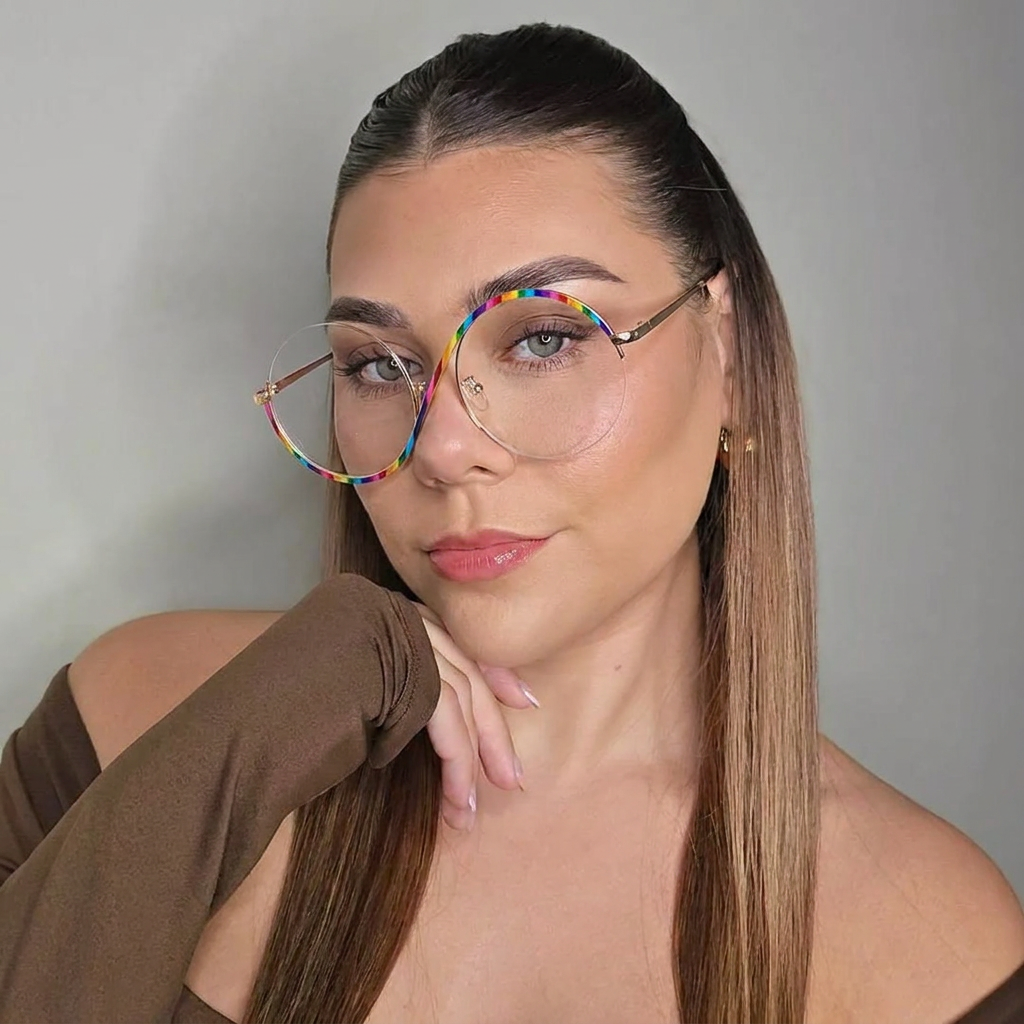
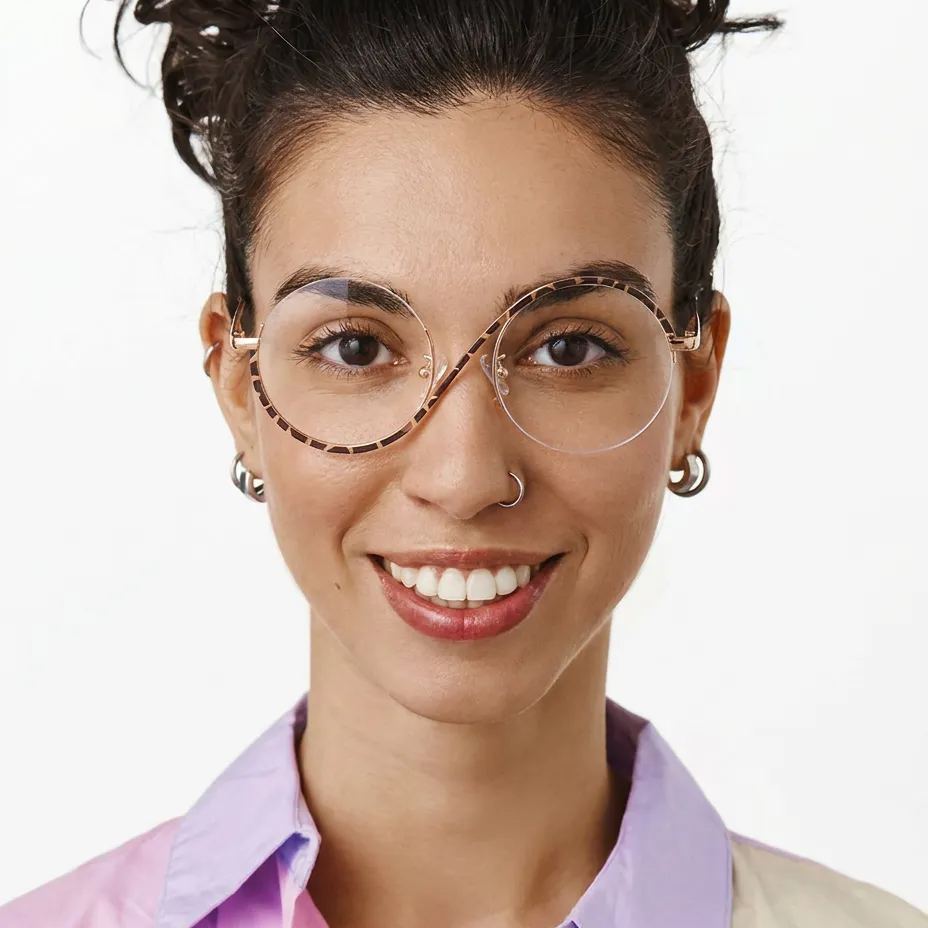










.png?w=2048&h=2048)
-14--1.png?w=2048&h=2048)