

1. Myopia (nearsightedness)
What happens: Distant objects look blurry while close objects are clearer.
Common corrections:
- Prescription glasses with concave (minus) lenses
- Contact lenses
- Refractive surgery such as laser procedures
- Orthokeratology (overnight reshaping lenses)
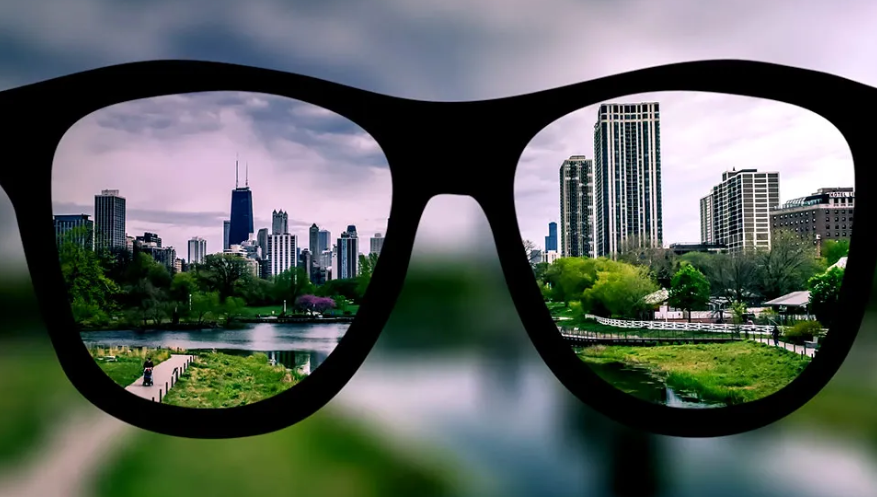
2. Hyperopia (farsightedness)
What happens: Close objects may appear blurry, and focusing can require extra effort.
Common corrections:
- Prescription glasses with convex (plus) lenses
- Contact lenses
- Refractive surgery in some cases
3. Astigmatism
What happens: Vision can appear blurred or distorted at multiple distances because the eye's curvature is uneven.
Common corrections:
- Glasses with cylindrical lens correction
- Toric contact lenses
- Laser vision correction for suitable candidates
4. Presbyopia
What happens: Near vision becomes more difficult, often beginning around the 40s.
Common corrections:
- Reading glasses
- Bifocal lenses
- Progressive lenses
- Multifocal contact lenses
- Surgical options in selected cases
5. Color Blindness
What happens: Difficulty distinguishing certain colors, often red-green combinations.
Management options:
- Special color-enhancing glasses may help some people distinguish colors better
- Color-assistive apps and filters
- Environmental adaptations (labels, patterns, organization systems)
Unlike refractive errors (myopia, hyperopia, astigmatism, presbyopia), color vision deficiency usually cannot be fully corrected with standard prescription lenses.
Quick summary
| Vision problem | Typical correction |
|---|---|
| Myopia | Minus lenses, contacts, surgery |
| Hyperopia | Plus lenses, contacts, surgery |
| Astigmatism | Cylindrical/toric correction |
| Presbyopia | Reading, bifocal, or progressive lenses |
| Color blindness | Assistance tools and specialty lenses |
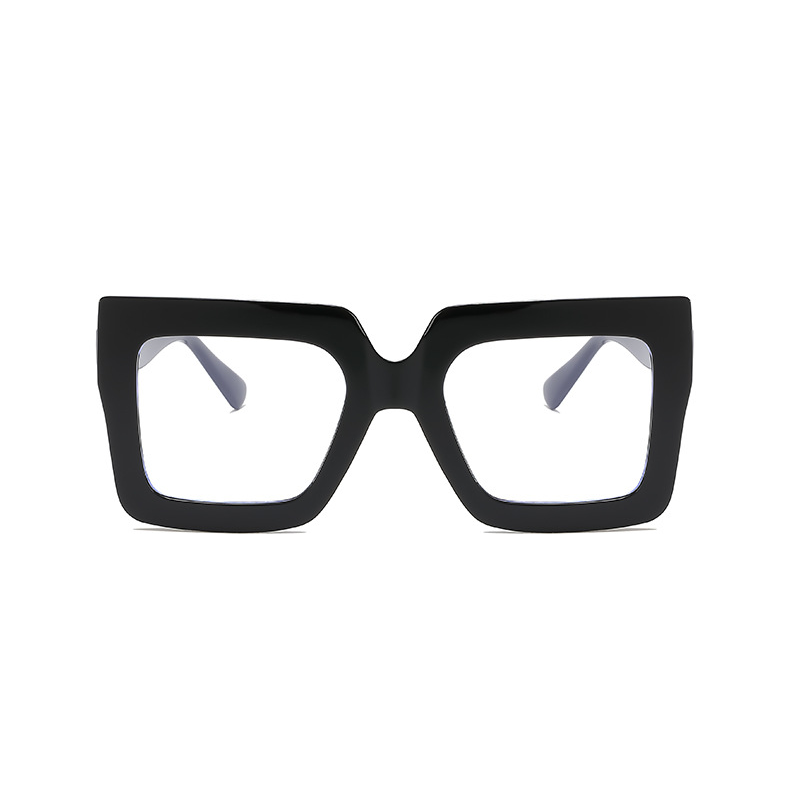
https://scoolglasses.com/products/square-glasses-ps-8610




-24.png?w=1024&h=1024)

-1.png?w=2048&h=2048)



.jpg?w=569&h=569)
-1.png?w=800&h=800)

-14--1.png?w=2048&h=2048)