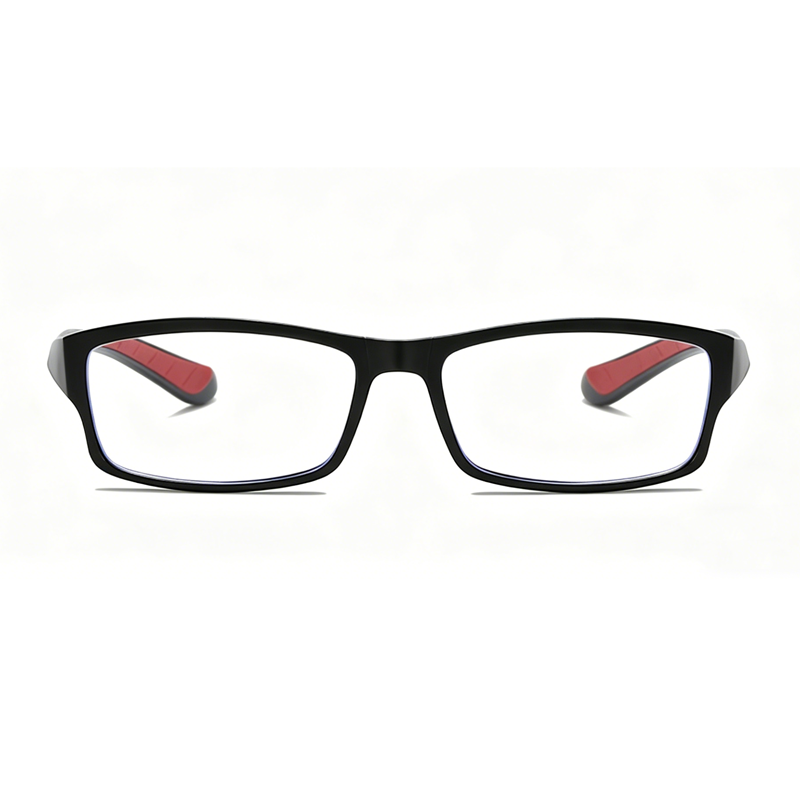


Eye conditions range from mild, easily corrected issues to more serious diseases that need medical care. Here’s a clear, practical overview of the most common types, grouped by what they affect and how they’re typically managed.
👁️ Refractive Errors (Vision Problems)
These are the most common and usually corrected with glasses, contacts, or surgery.
- Myopia (Nearsightedness)
Close objects are clear; distant objects look blurry. - Hyperopia (Farsightedness)
Distant objects may be clearer than close ones. - Astigmatism
Blurred or distorted vision due to an irregularly shaped cornea. - Presbyopia
Age-related difficulty focusing on close objects (usually starts after 40).
🧠 Eye Diseases Affecting Internal Structures
- Glaucoma
Often linked to increased eye pressure; can damage the optic nerve and lead to vision loss if untreated. - Cataracts
Clouding of the eye’s lens, causing blurry or dim vision; very common with aging. - Age-related Macular Degeneration (AMD)
Affects central vision, making it hard to read or recognize faces. - Diabetic Retinopathy
Damage to retinal blood vessels due to diabetes; can lead to blindness if not managed.
🔴 Surface & Inflammatory Conditions
- Conjunctivitis (Pink Eye)
Inflammation of the outer eye layer; can be viral, bacterial, or allergic. - Dry Eye Syndrome
Not enough tears or poor-quality tears, causing irritation and discomfort. - Blepharitis
Inflammation of the eyelids, often leading to redness, crusting, or irritation.
🧬 Other Notable Conditions
- Retinal Detachment
A serious emergency where the retina pulls away from its normal position. - Strabismus
Misalignment of the eyes (crossed or turned eyes). - Amblyopia (Lazy Eye)
Reduced vision in one eye due to improper visual development during childhood.
⚠️ When to Seek Care
You should get an eye exam if you notice:
- Sudden vision loss or flashes of light
- Persistent eye pain or redness
- Double vision
- Difficulty seeing at night or reading
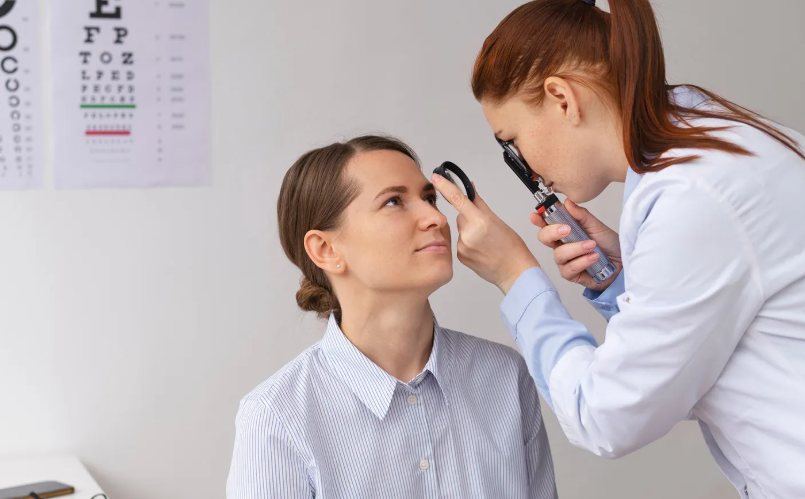
🧾 Bottom Line
Many eye conditions are manageable—especially when caught early. Regular eye exams are key, even if your vision seems fine.
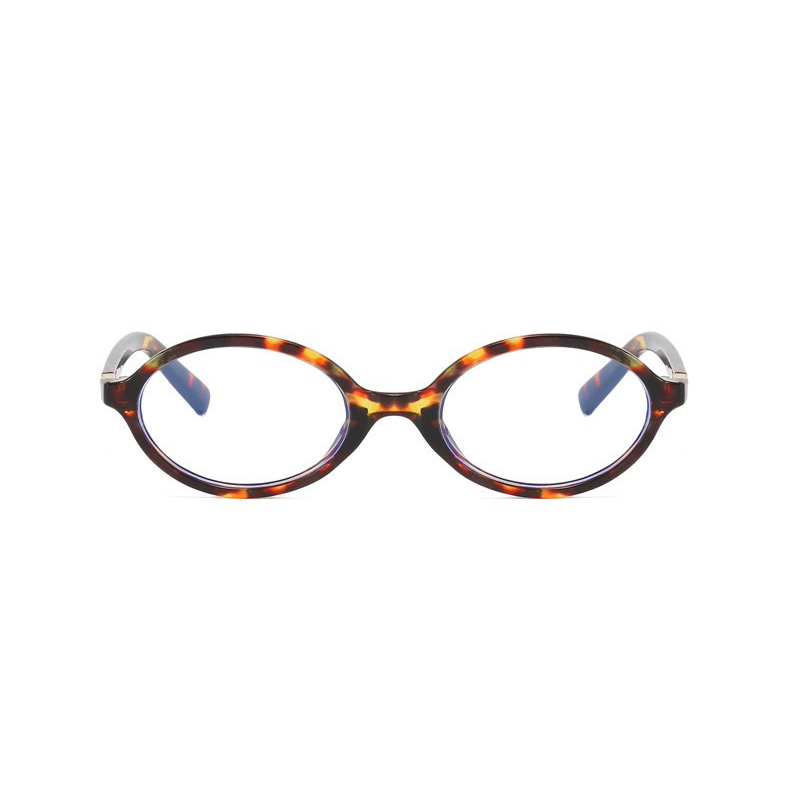
https://scoolglasses.com/products/round-glasses-mj-hl56023



-13.png?w=896&h=1200)


.jpg?w=569&h=569)

-14--1.png?w=2048&h=2048)

-1.png?w=2048&h=2048)