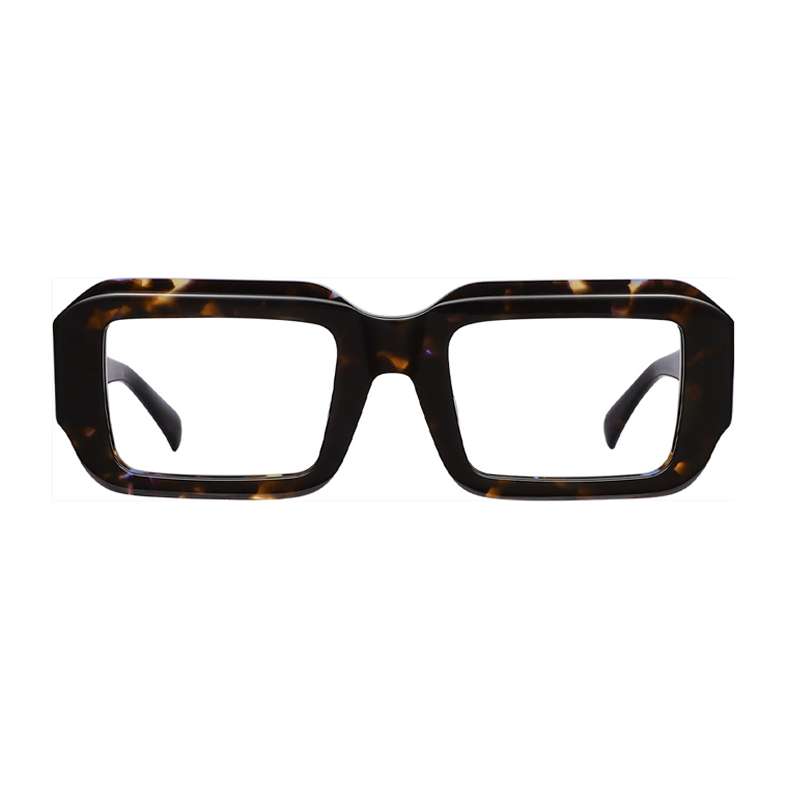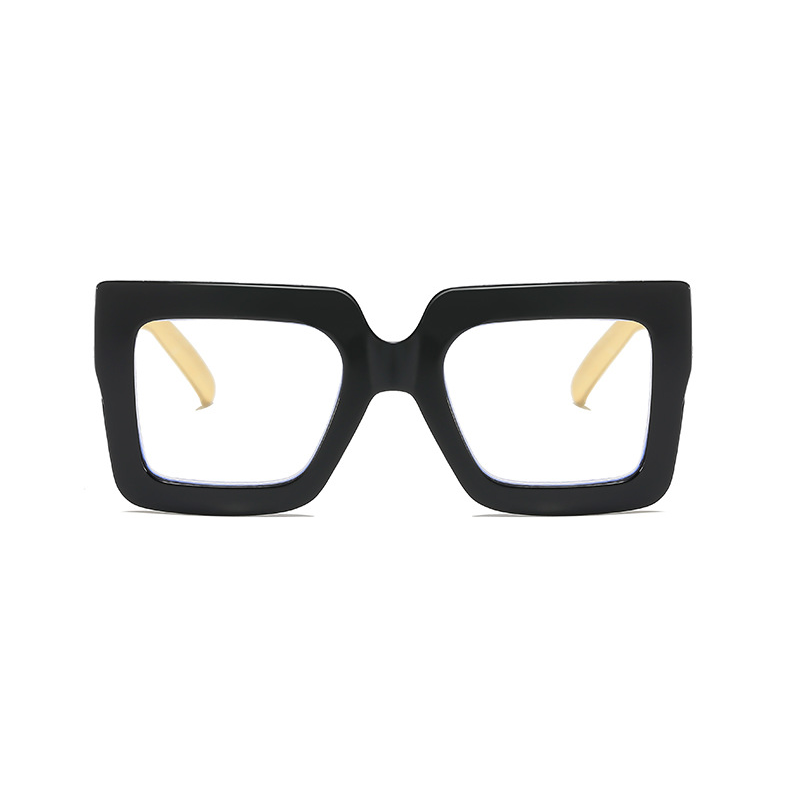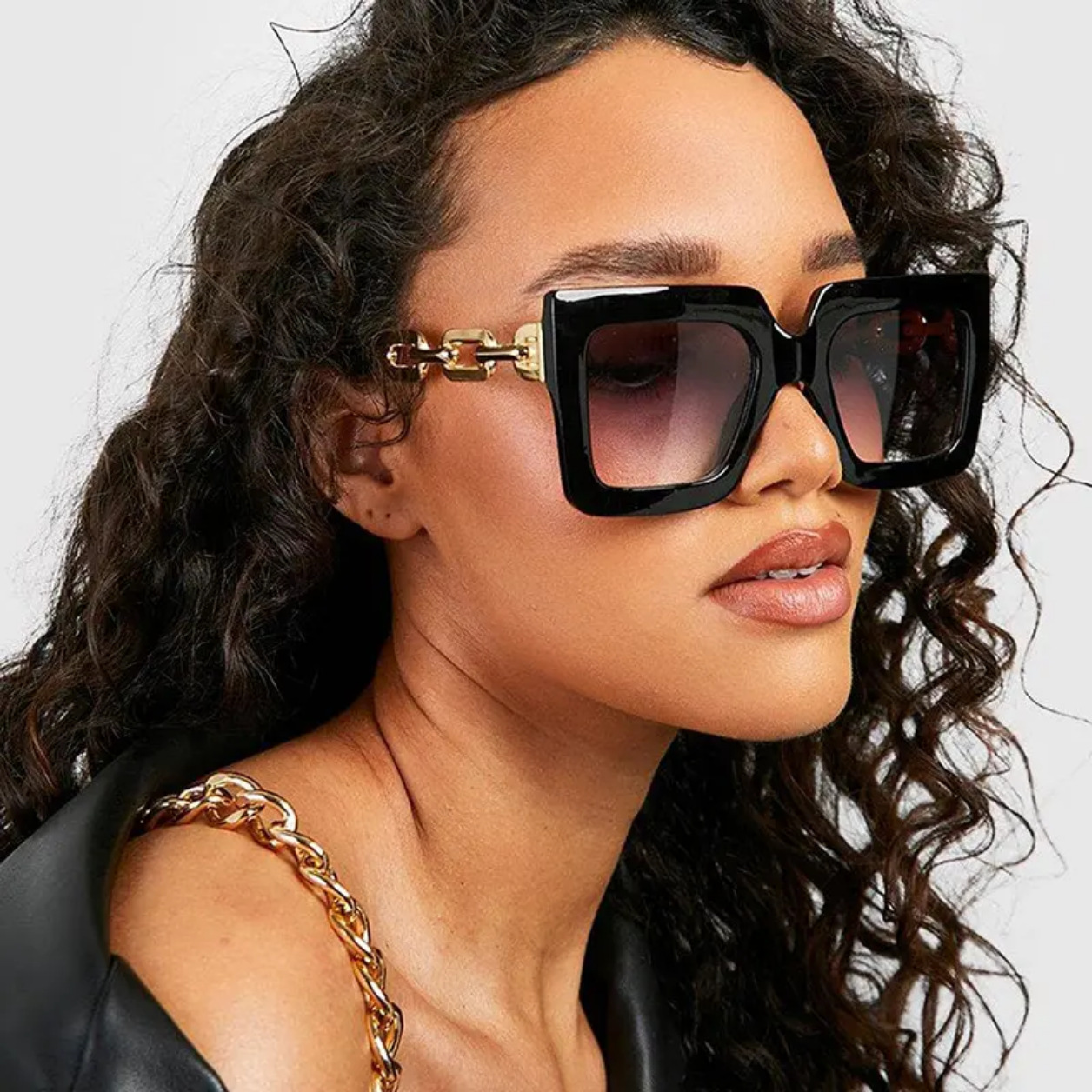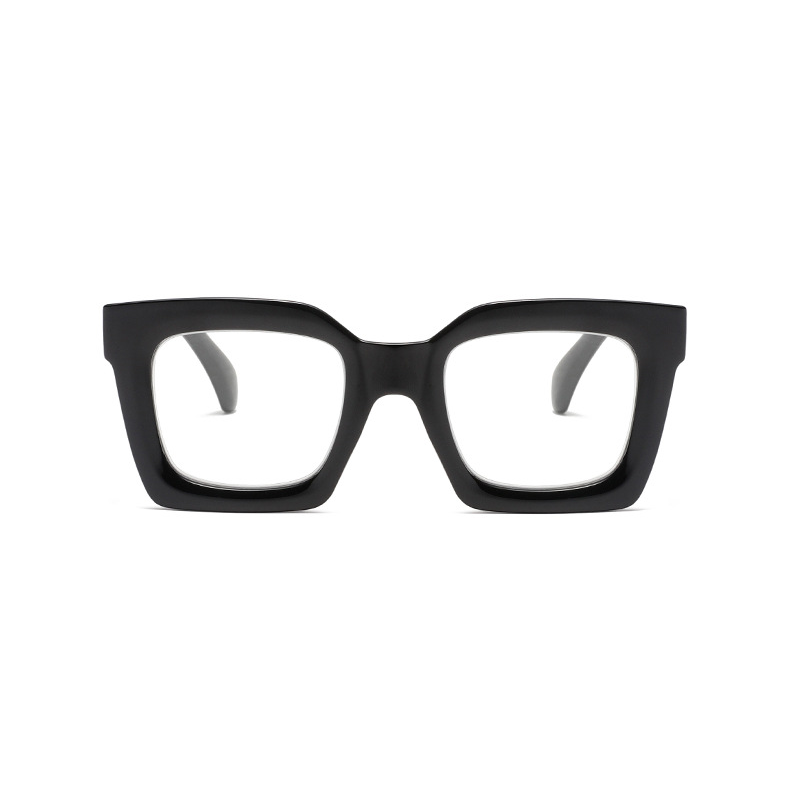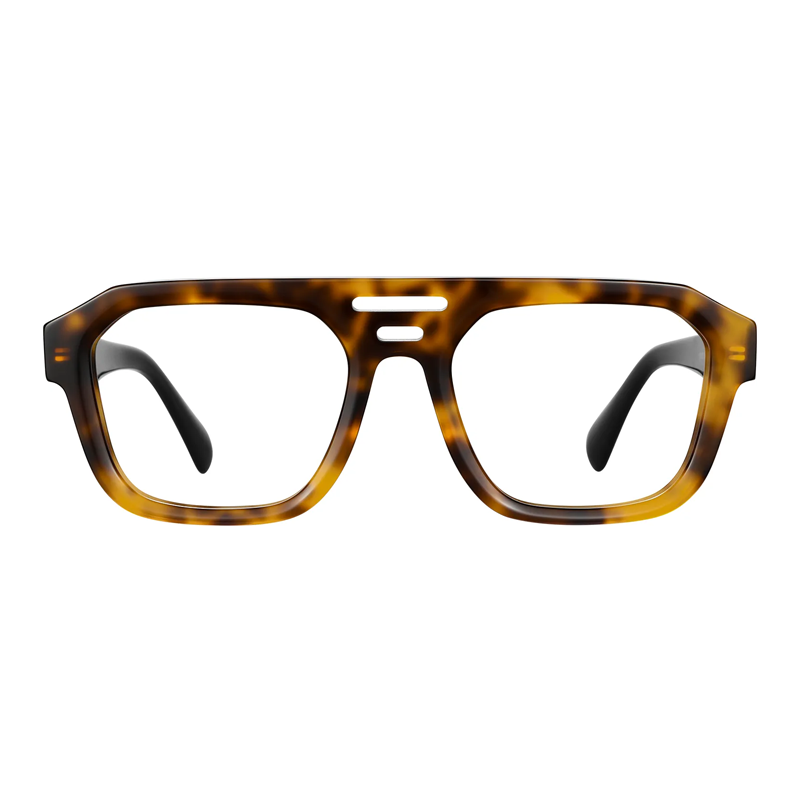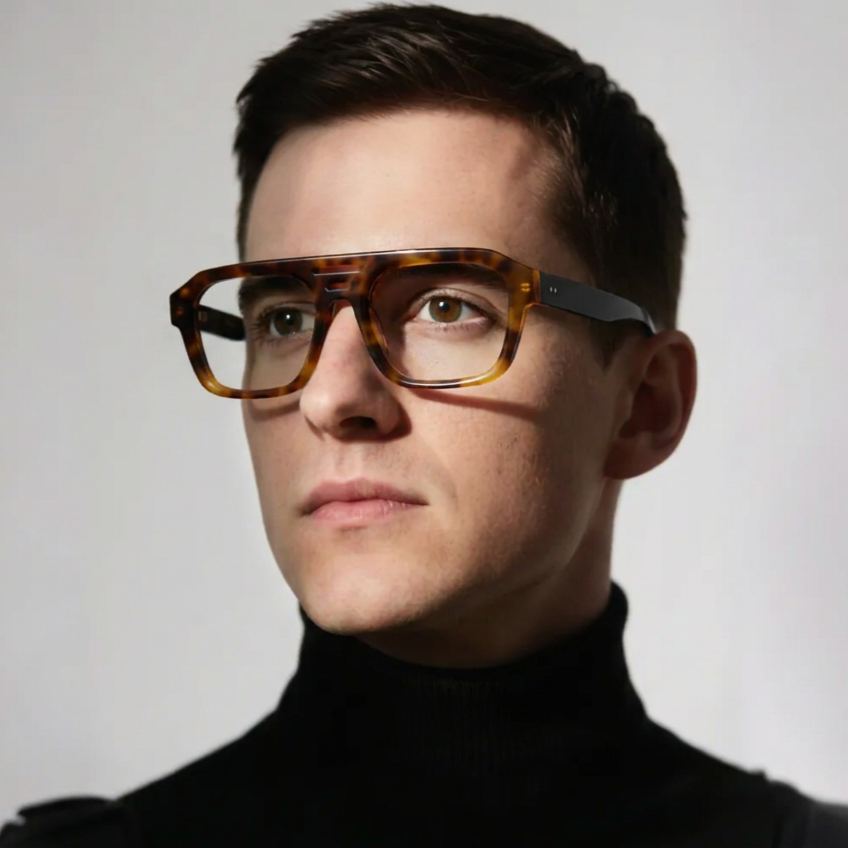

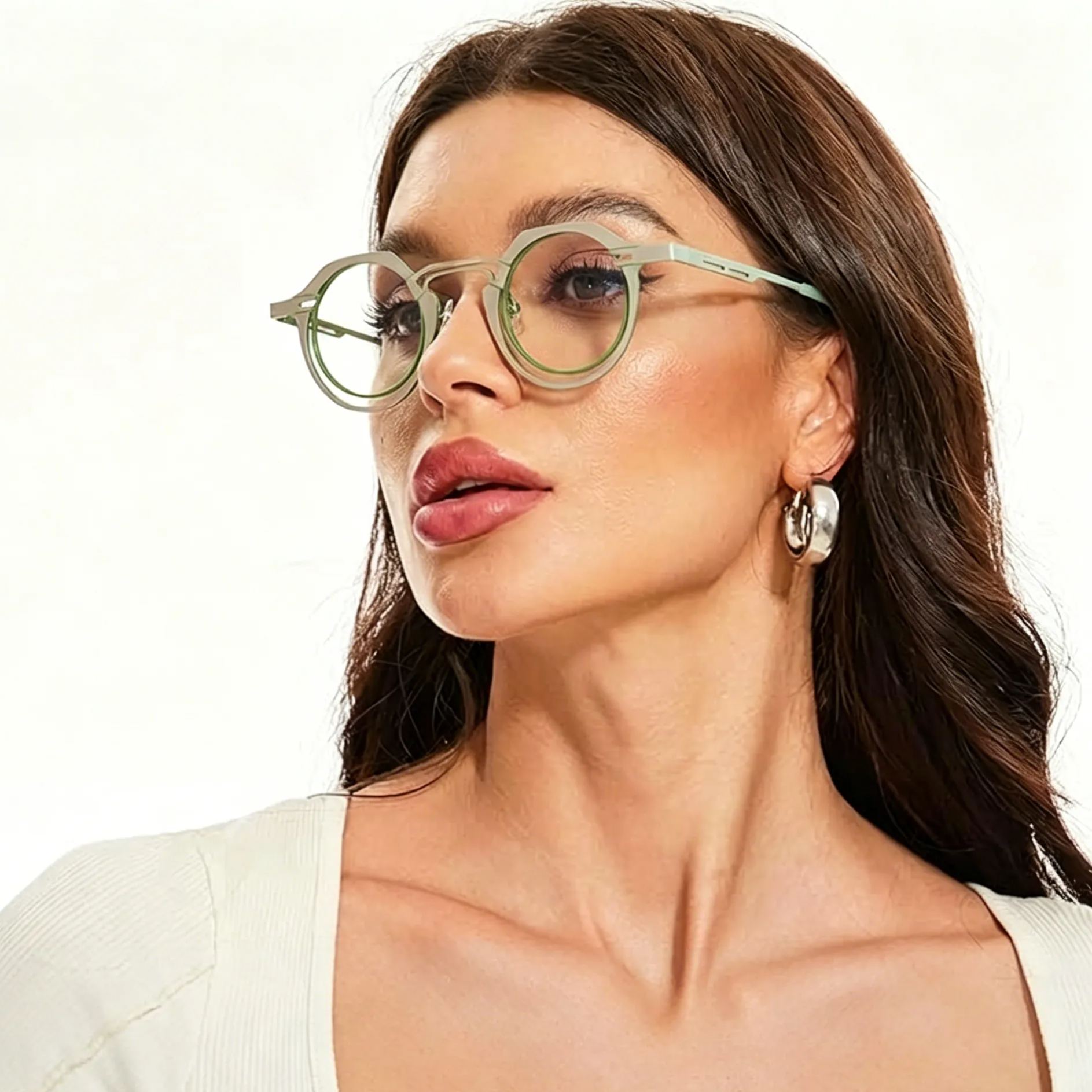
Multifocal glasses are eyeglasses that contain more than one prescription strength in the same lens so you can see clearly at different distances without switching glasses.
They’re commonly used for people with Presbyopia, which usually starts around age 40.
Types of multifocal glasses
Bifocals
These have two viewing areas:
- Top portion: distance vision
- Bottom portion: near vision (reading)
There’s usually a visible line separating the two sections.
Trifocals
These have three zones:
- Distance
- Intermediate (computer/dashboard distance)
- Near reading
They also typically have visible lines.
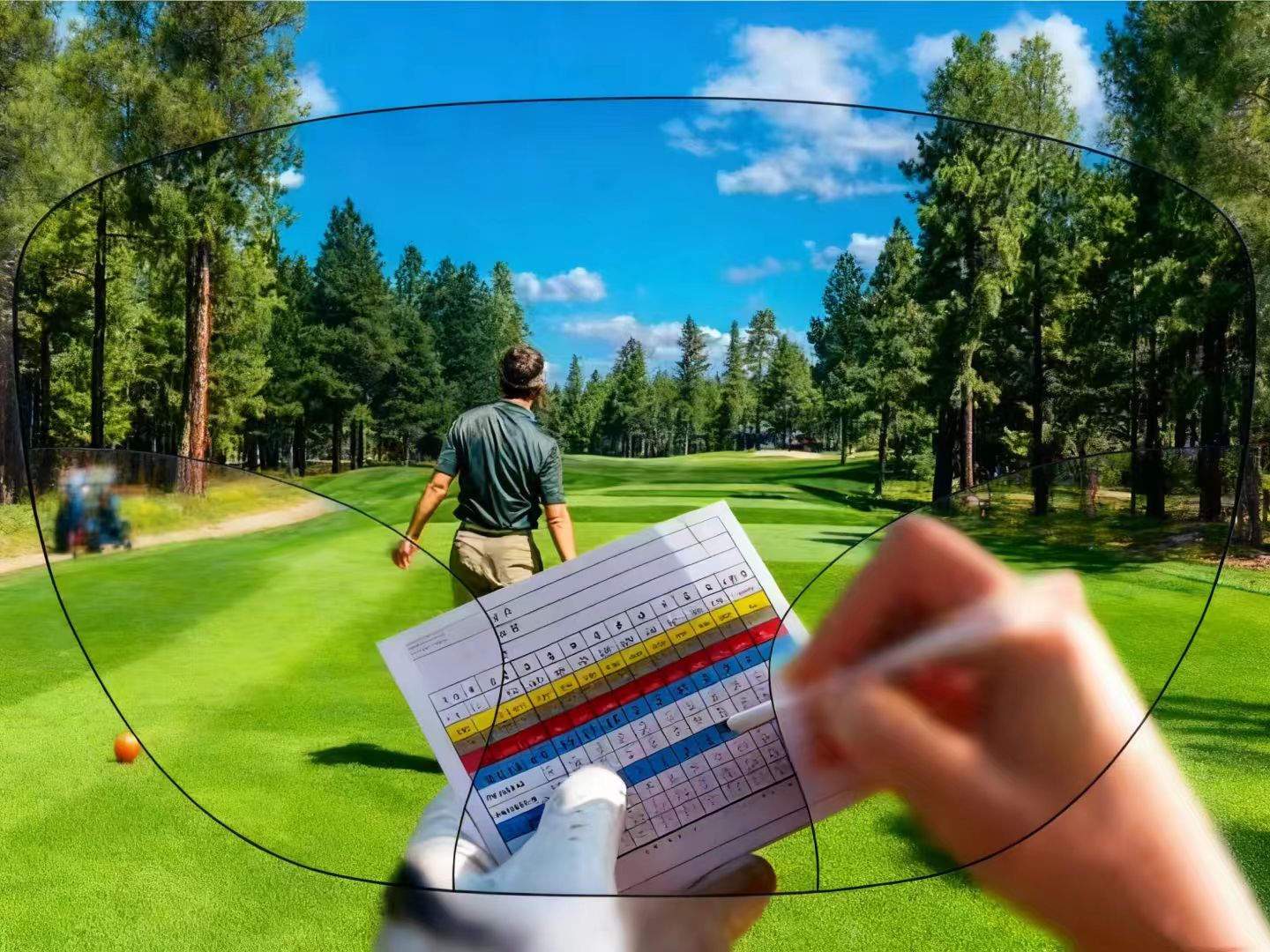
Progressive lenses
These are the most modern type of multifocal lenses.
They provide a smooth transition between:
- Distance vision
- Intermediate vision
- Near vision
No visible lines appear on the lens, which many people prefer for appearance and more natural vision.
Benefits
- One pair of glasses for multiple distances
- Convenient for daily activities
- Helpful for reading, computer use, and driving
- Progressives look like regular lenses
Possible drawbacks
- Adjustment period, especially with progressive lenses
- Peripheral blur in some designs
- More expensive than single-vision lenses
- Head movement may be needed to find the clearest zone
Who uses them?
People who:
- Need both distance and reading correction
- Frequently switch focus between near and far objects
- Want to avoid carrying separate reading glasses
Conclusion
Multi focus eyeglasses provide a vital tool for people with presbyopia or other vision disorders that need correction at varying distances. No matter which lens you choose, you don't have to let vision problems hold you back from enjoying activities. Whether you are enjoying hobbies, reading, working on a computer or driving you can continue to pursue your interests with clear vision at near, far and everything in between. Which type of multifocal glasses would you choose depends on your specific motivation, style and lifestyle.
If you are having difficulties with presbyopia or frequently changing glasses, multifocal contact lenses can be a good alternative. With a multitude of choices, from the clarity of bifocals to the fluid and gradual transition of progressive lenses- you can find a pair of multifocal glasses that will give you a more natural and convenient view of the world. If you’re not sure which is right for you, talk to an eye care professional to find the phased in pairs of multifocal glasses for you.
https://scoolglasses.com/products/round-glasses-mj-hl56064









.jpg?w=569&h=569)
-1.png?w=800&h=800)


-14--1.png?w=2048&h=2048)