

Anti-reflective coating (also called AR coating or “anti-glare coating”) is a thin, transparent layer added to eyeglass lenses to reduce reflections from light.
Without it, lenses can reflect light from screens, headlights, lamps, or sunlight, which can make vision less clear and make your eyes more visible to others.
What anti-reflective coating does
AR coating helps by:
- Reducing glare from headlights and bright lights
- Making screen use more comfortable
- Improving clarity and contrast, especially at night
- Making lenses look nearly invisible in photos or face-to-face conversations
- Reducing eye strain for some people
Common situations where it helps
- Driving at night
- Computer or phone use
- Video calls and photography
- High-index lenses (which naturally reflect more light)

How it works
The coating uses multiple microscopic layers that cancel out reflected light waves, allowing more light to pass through the lens to your eyes.
Pros
- Sharper vision
- Better appearance of glasses
- Less distracting glare
- Often includes extra coatings for scratch resistance and smudge resistance
Cons
- Costs extra
- Lower-quality coatings may scratch or smudge more easily
- Can show fingerprints if not cleaned properly
Is it worth it?
For most people, yes—especially if you:
- Use digital screens often
- Drive at night
- Wear glasses full-time
- Have high-index or premium lenses
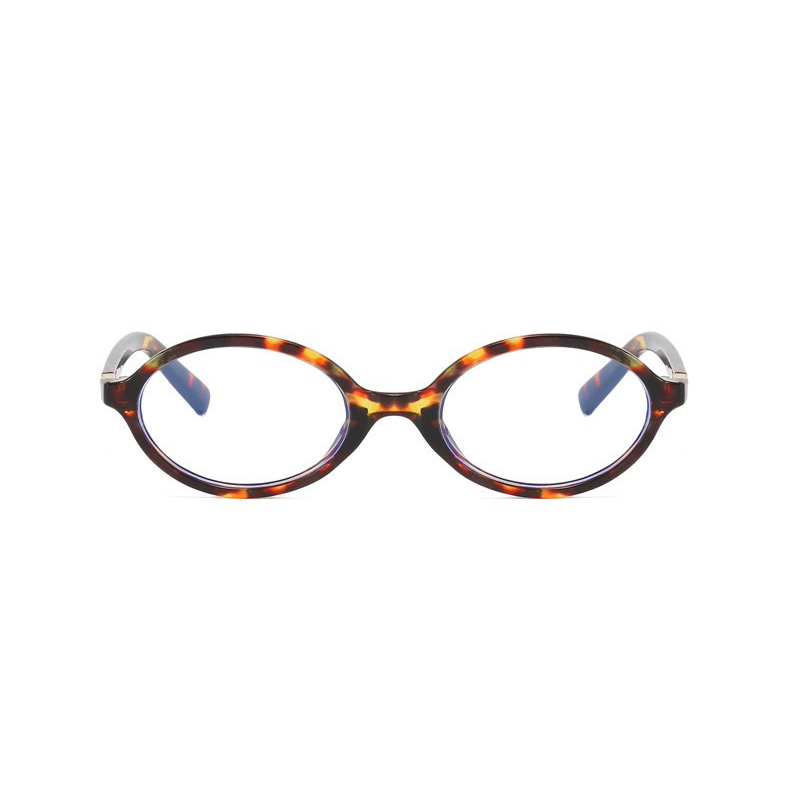
https://scoolglasses.com/products/round-glasses-mj-882218










.jpg?w=569&h=569)
-1.png?w=800&h=800)



-14--1.png?w=2048&h=2048)