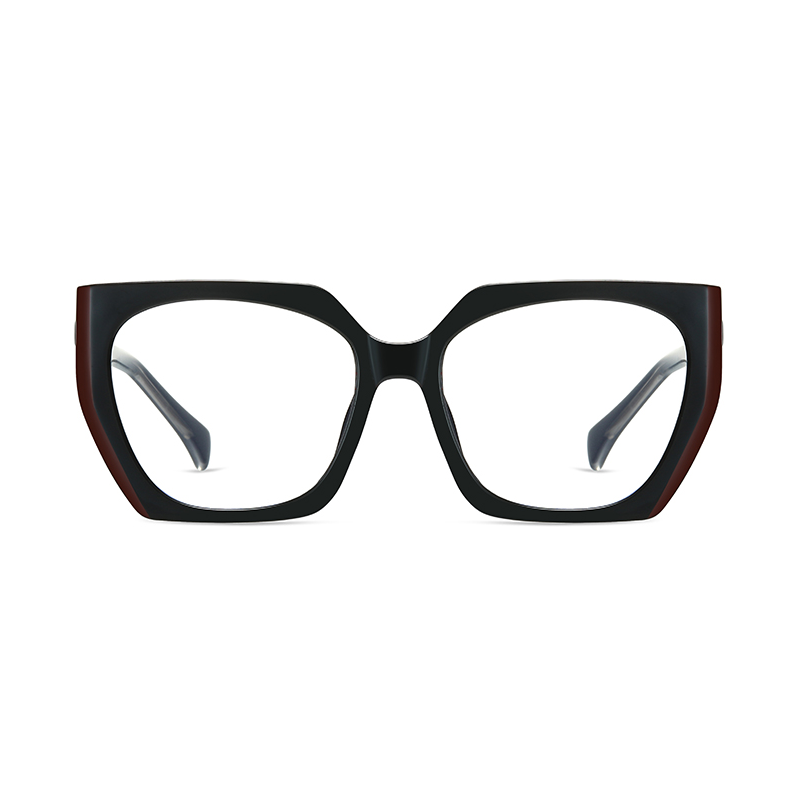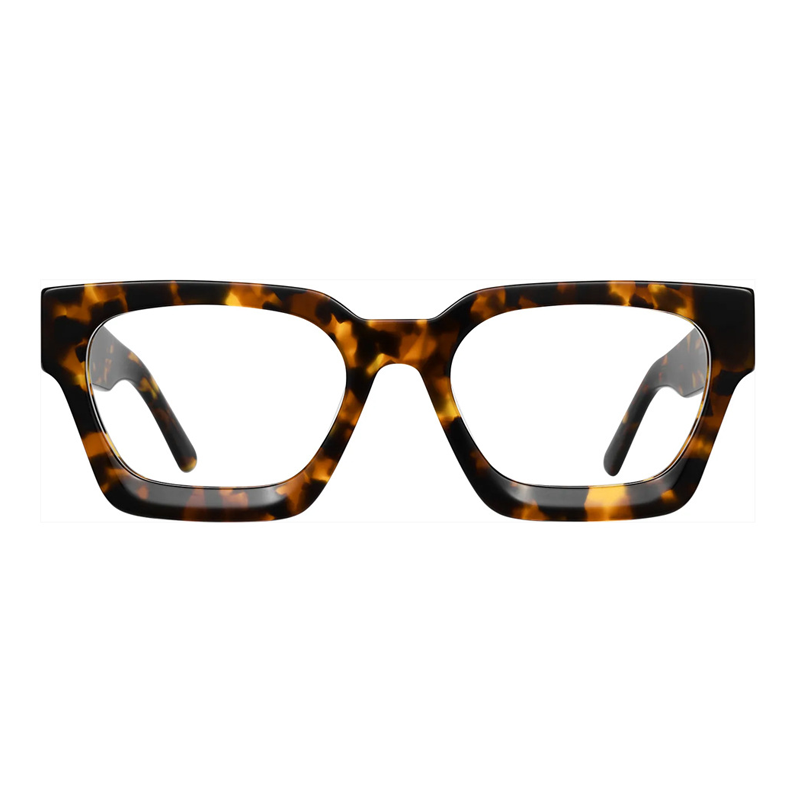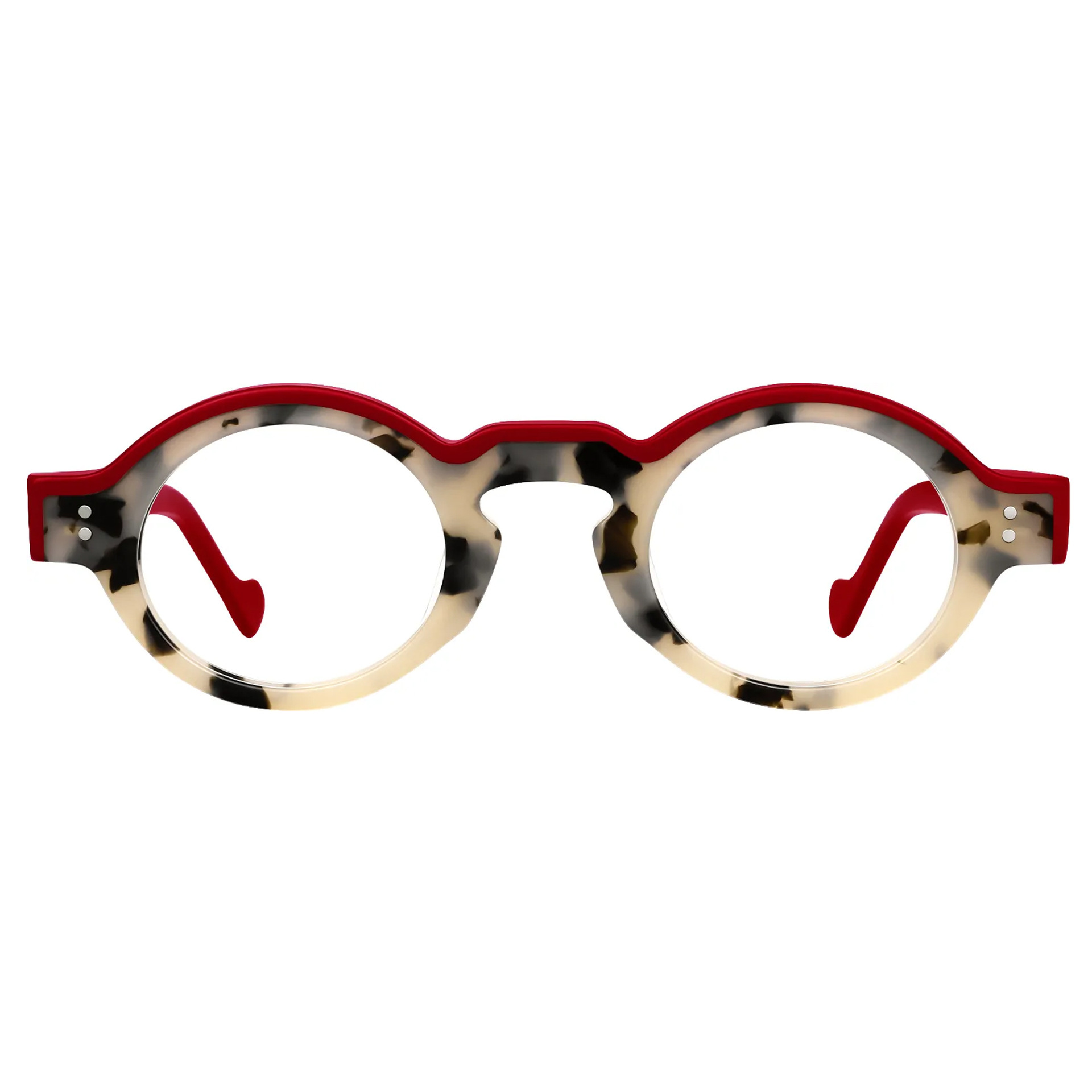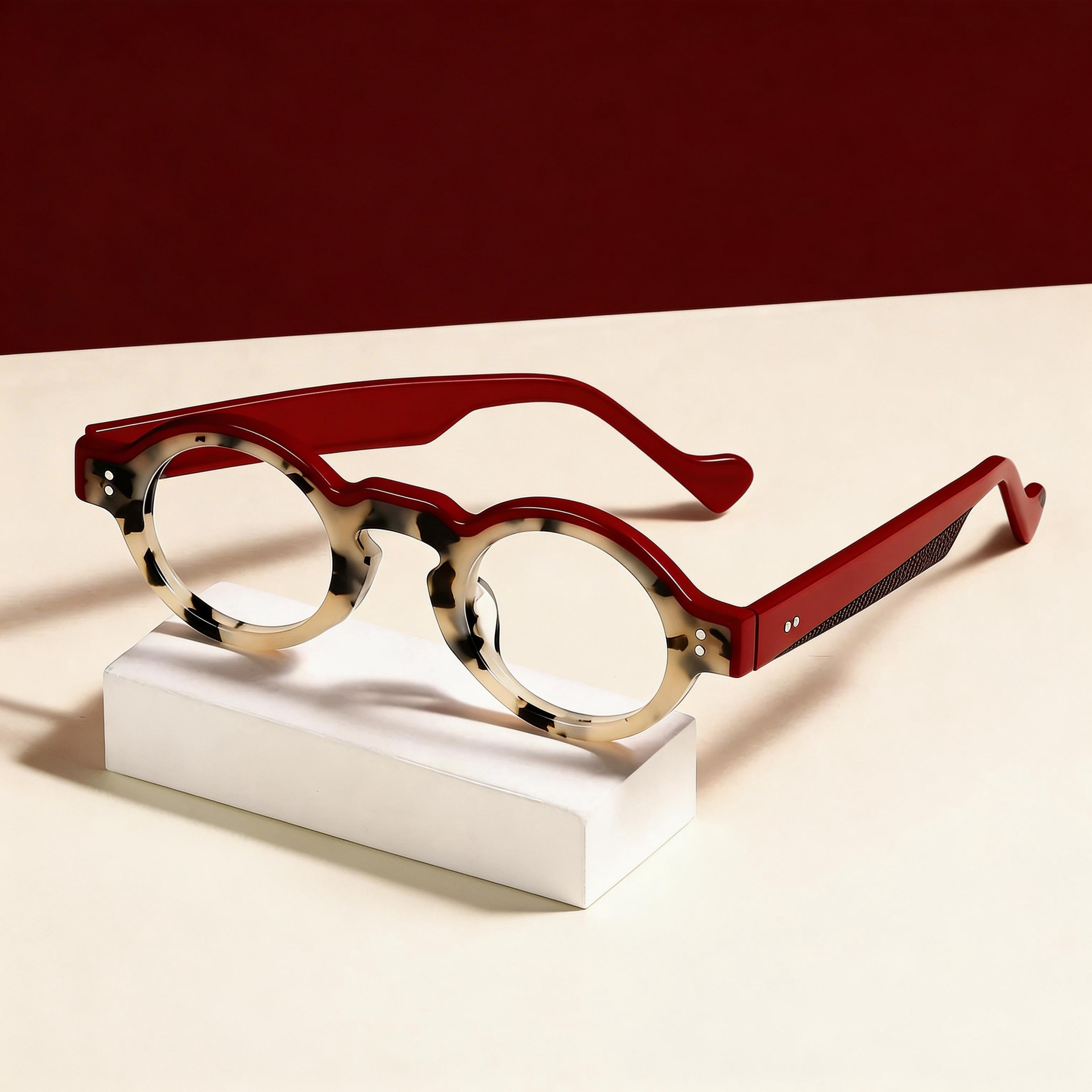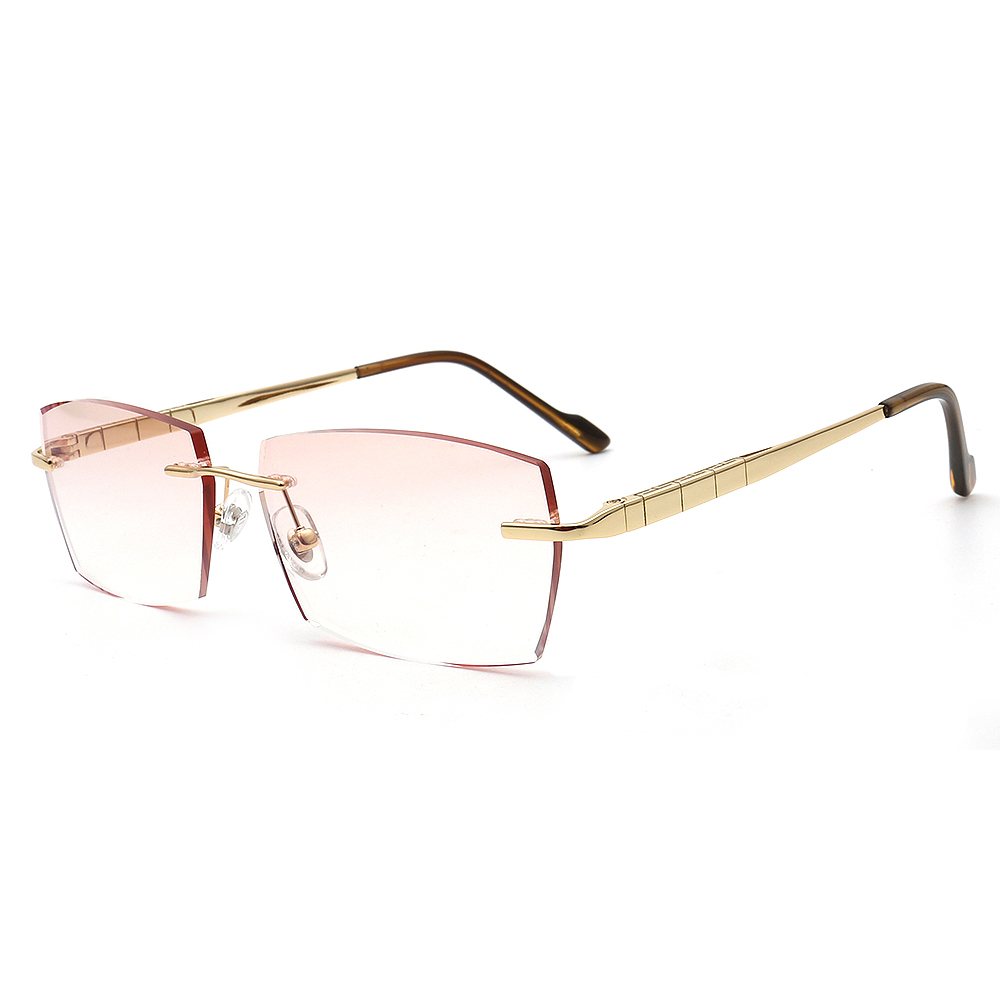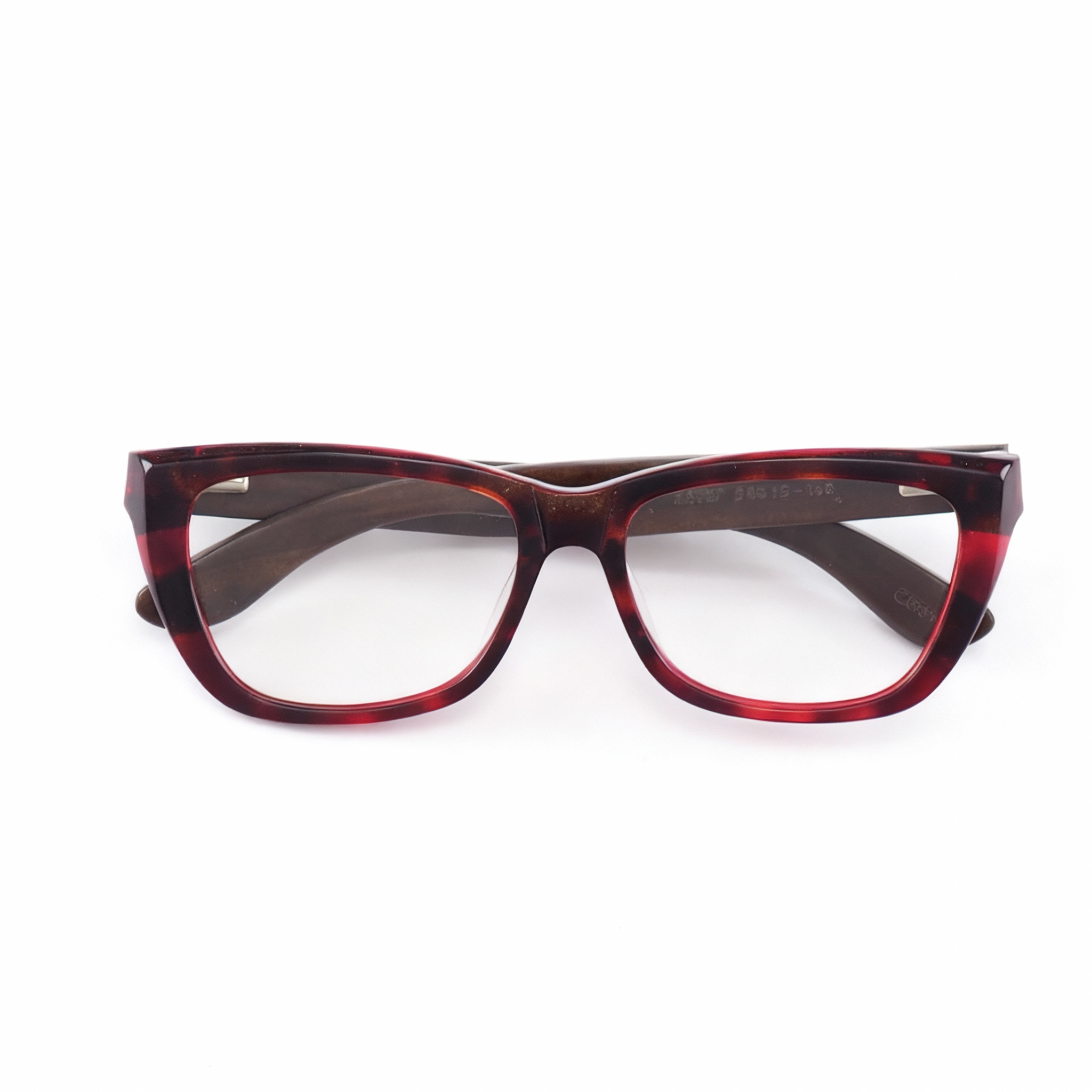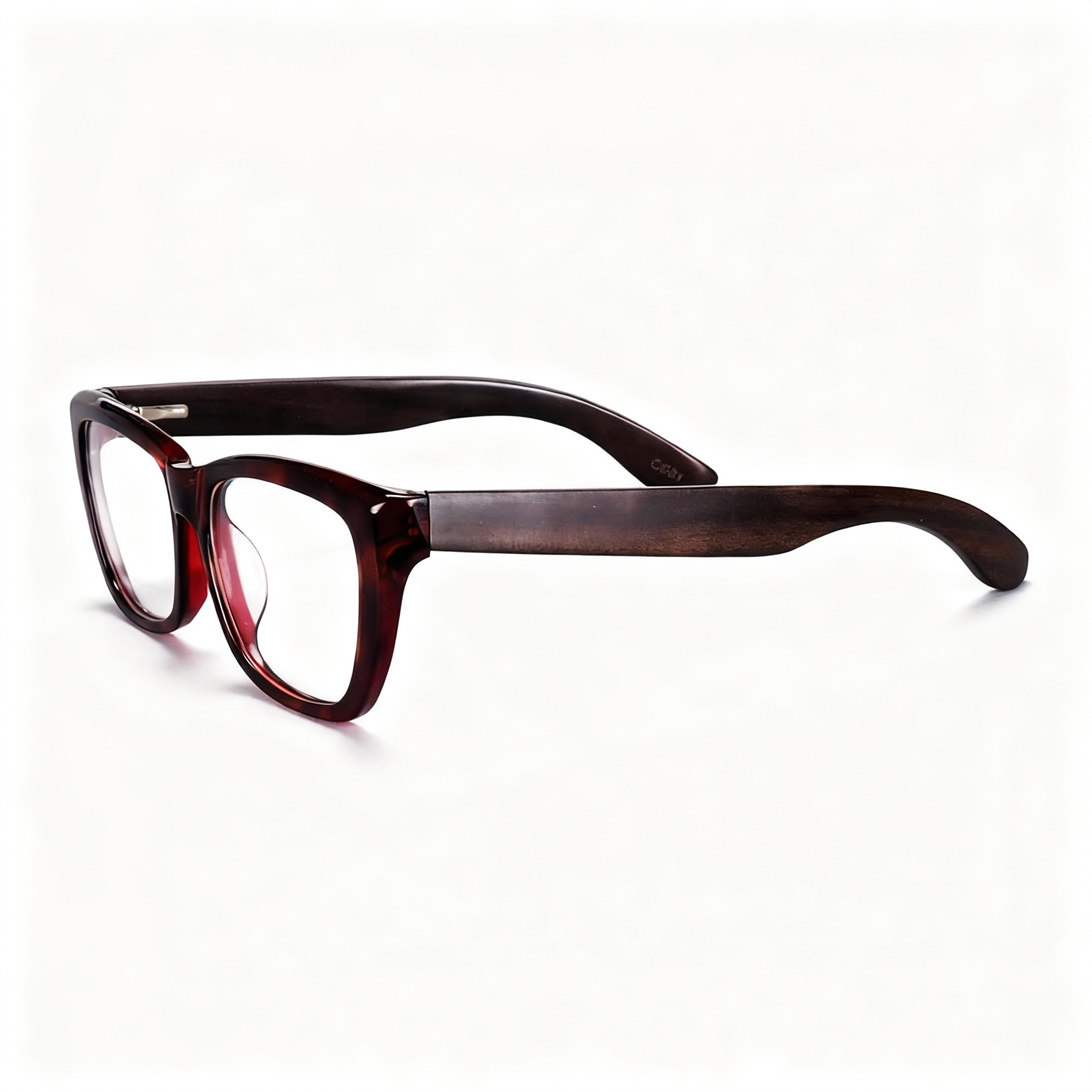


The key difference is that tinted lenses change how bright or colored the view appears, while polarized lenses actively reduce reflected glare.
| Feature | Polarized Lenses | Tinted Lenses |
|---|---|---|
| Main purpose | Reduce glare | Reduce brightness / add color |
| Blocks reflected light from surfaces | Yes | No |
| Improves visibility around water, roads, snow | Yes | Limited |
| Changes lens color | Usually may have a tint | Yes |
| Helpful for driving | Often yes | Somewhat |
| Fashion use | Possible | Very common |
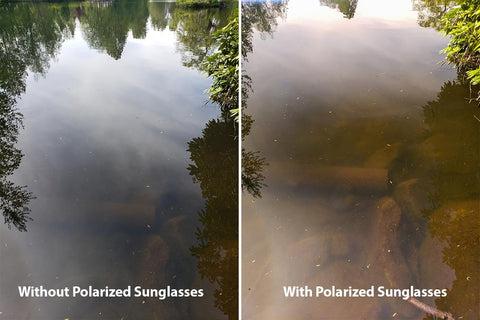
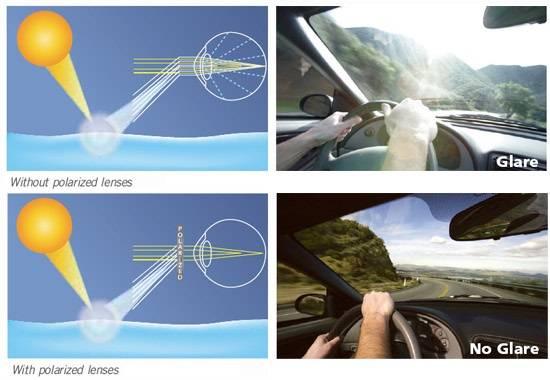
Polarized lenses
How they work
- Include a special filter that blocks intense horizontal reflected light
- Helps reduce glare from:
- Water
- Wet roads
- Snow
- Car hoods
- Glass surfaces
Advantages
- Less eye strain in bright conditions
- Sharper contrast
- Better outdoor comfort
Possible limitations
- Some digital screens (phone dashboards, LCD displays) can appear darker or show rainbow patterns
- Usually cost more than basic tinted lenses
Tinted lenses
How they work
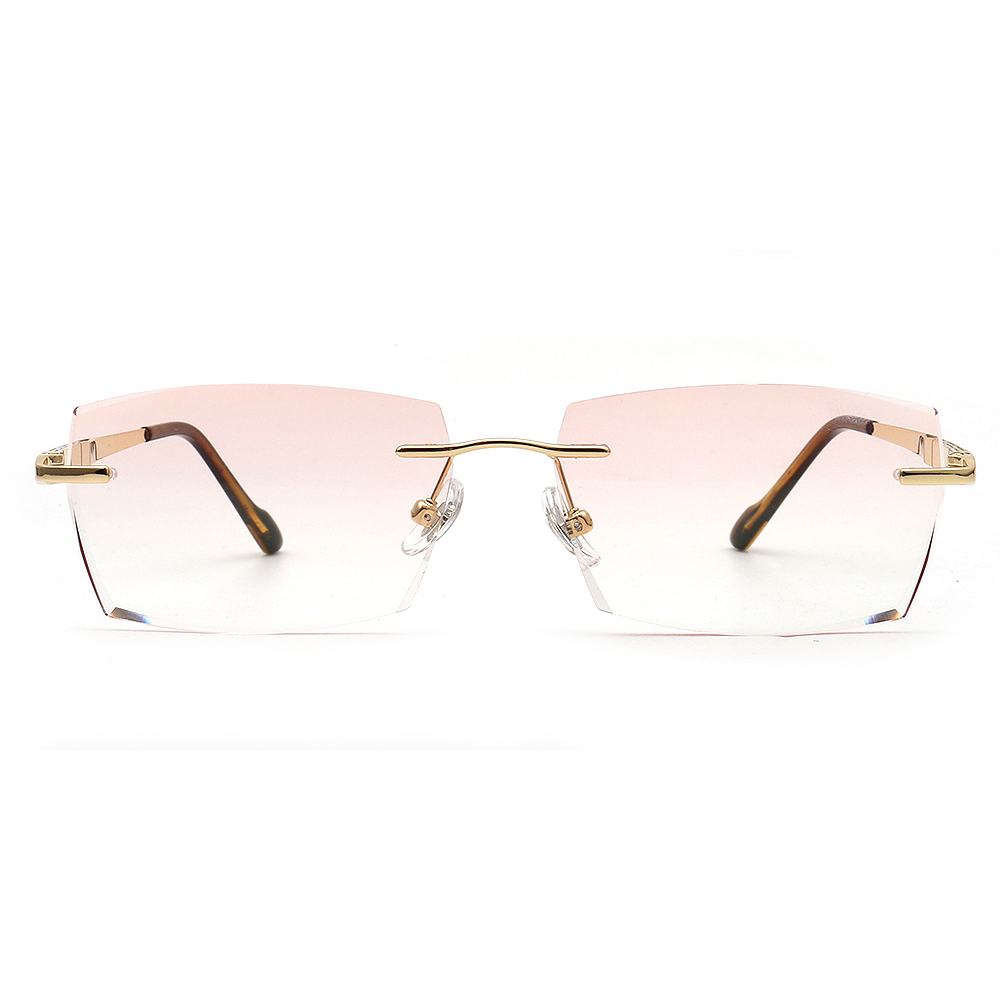
- Add color or darkness to lenses
- Common tint colors include:
- Gray
- Brown
- Green
- Yellow
- Blue
Advantages
- Reduces overall brightness
- Can improve comfort in sunlight
- Often used for style as well as function
Possible limitations
- Does not remove reflected glare
- Darker lenses do not automatically mean better UV protection
An important point: polarized and tinted are not mutually exclusive. Many sunglasses are both tinted + polarized. For example, a gray sunglass lens can be darkened and include polarization for glare reduction.
https://scoolglasses.com/products/round-glasses-mj-co1115
-72.png?h=2048&q=70&w=2048)







-3.jpg?w=800&h=800)