


If you have high myopia (strong nearsightedness), you may worry that your glasses will have thick, heavy-looking lenses. The good news is that the right frame shape can dramatically reduce the appearance of lens thickness while helping you look stylish and confident.
Why High-Myopia Lenses Look Thick
For nearsighted prescriptions, lenses are thinnest in the center and thickest around the edges. The stronger the prescription, the more noticeable the edge thickness can become, especially in larger frames.
Several factors affect how thick your lenses appear:
- Prescription strength
- Lens material and index
- Frame size
- Frame shape
- Pupillary distance and lens positioning
While high-index lenses help reduce thickness, choosing the right frame is equally important.
Choose Smaller Frames
One of the most effective ways to minimize lens thickness is to select frames with smaller lens dimensions.
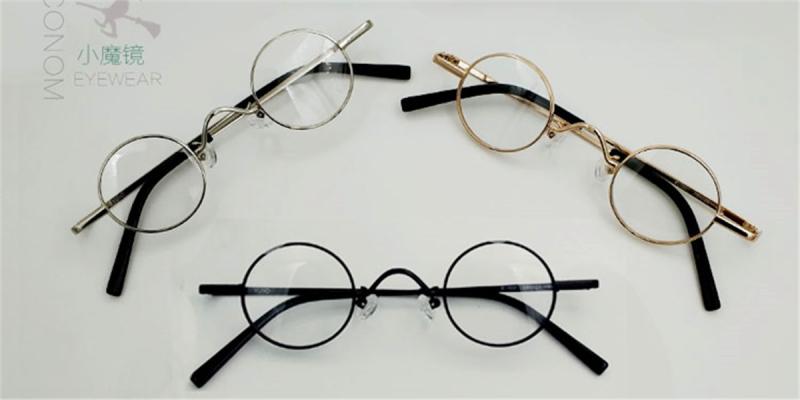
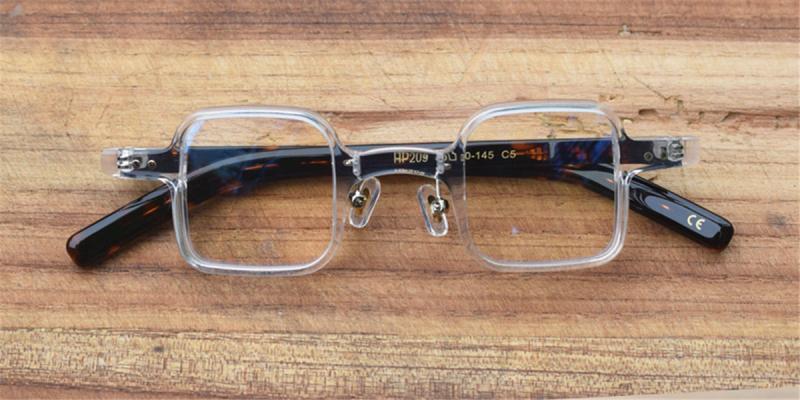
Why Smaller Works
A smaller lens requires less material, reducing the thickness at the edges. Large oversized frames may be fashionable, but they often make strong prescriptions look thicker and heavier.
Look for:
- Medium-width frames
- Compact lens openings
- Balanced proportions
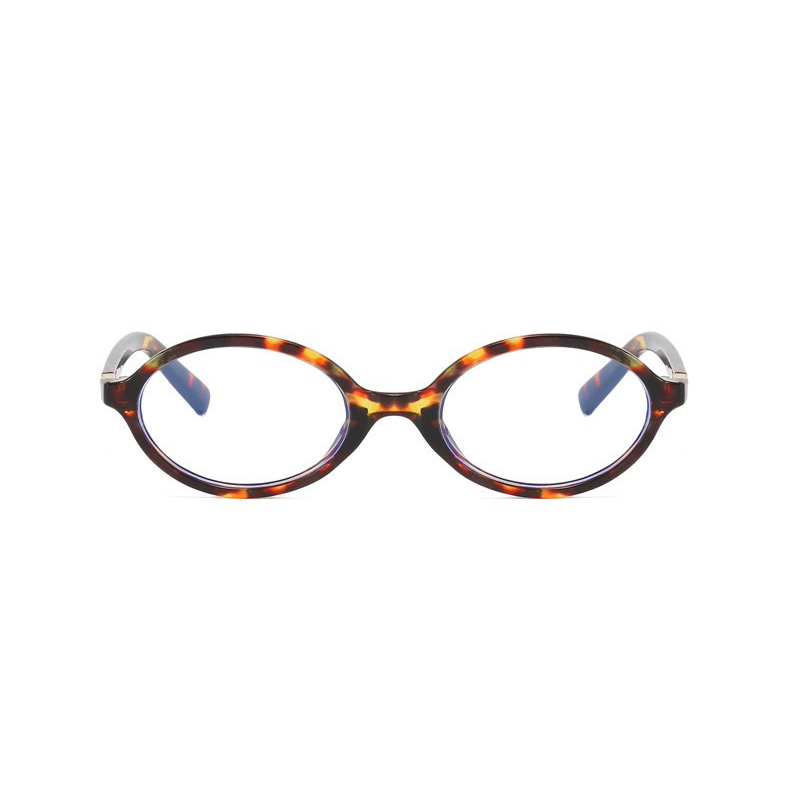
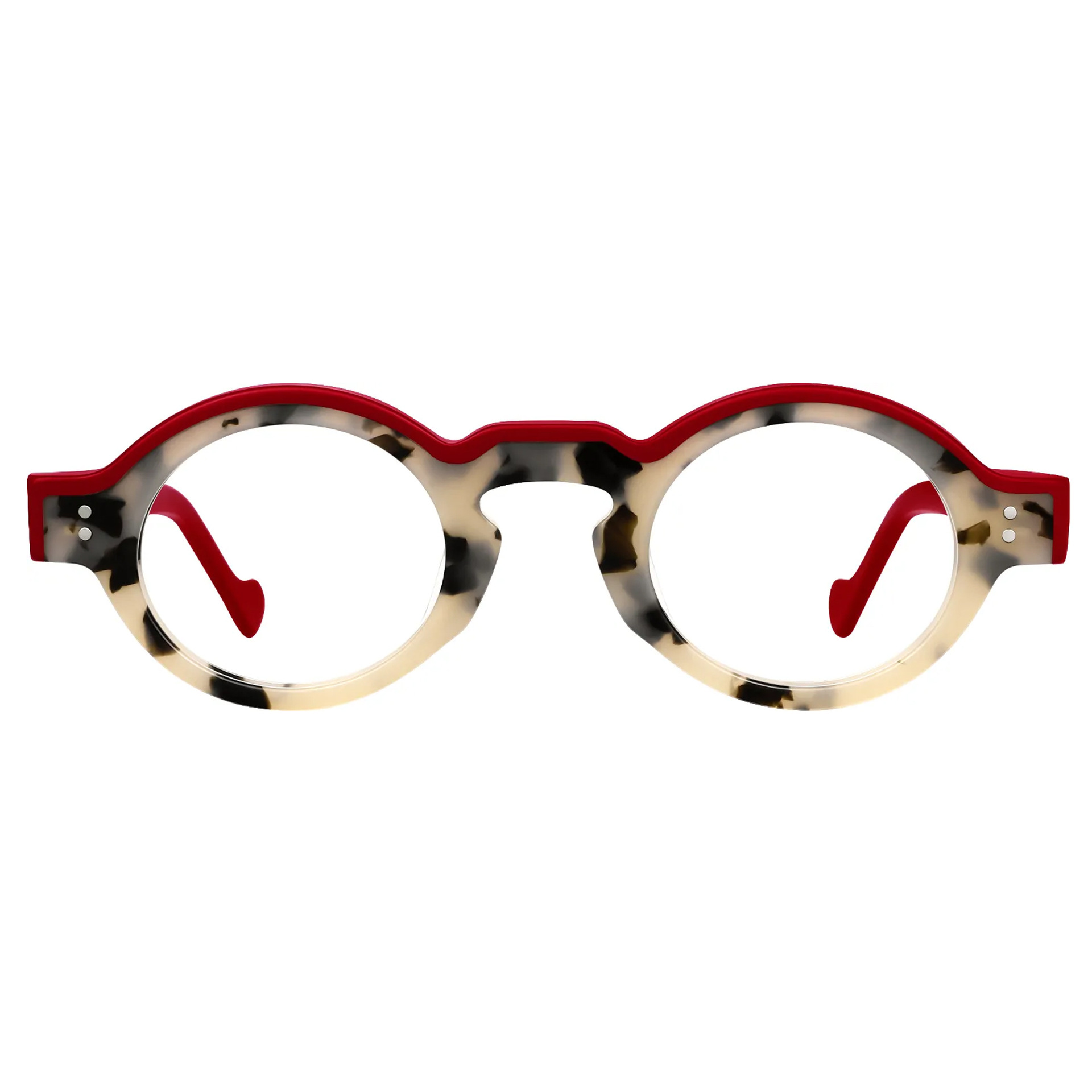
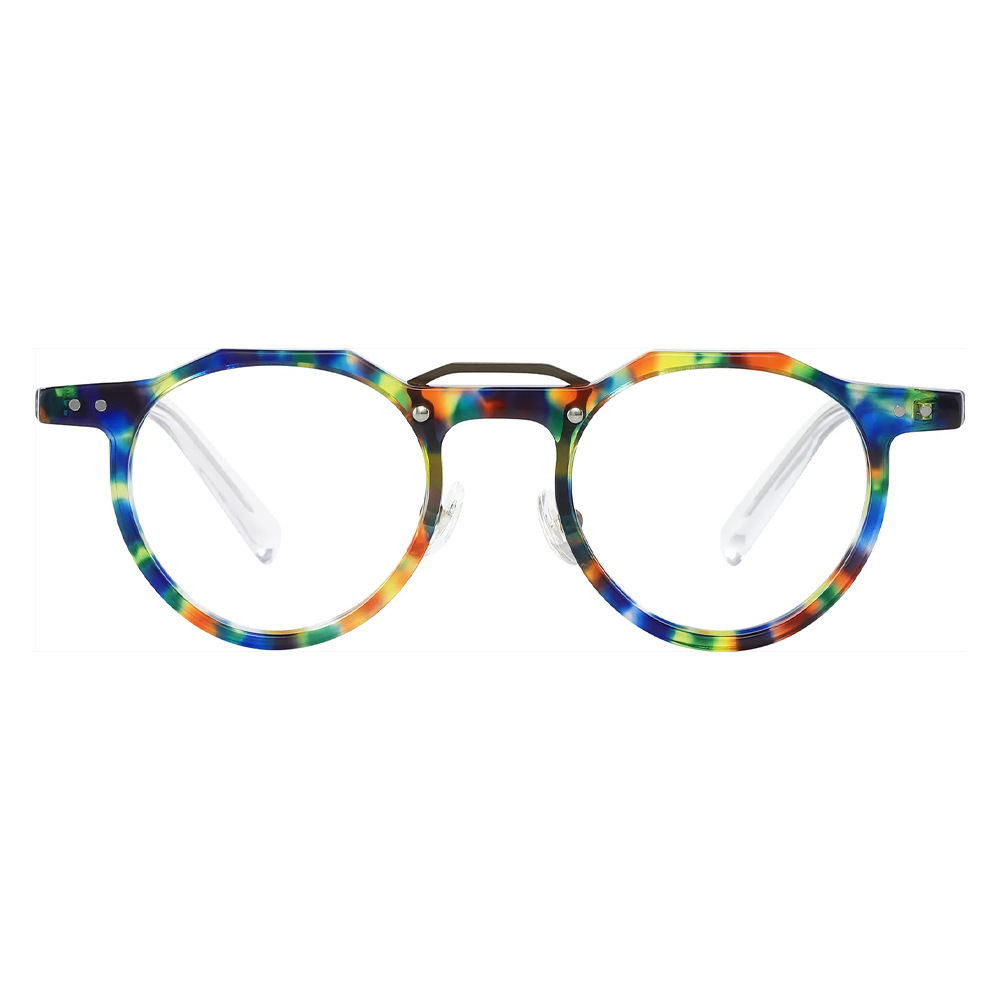
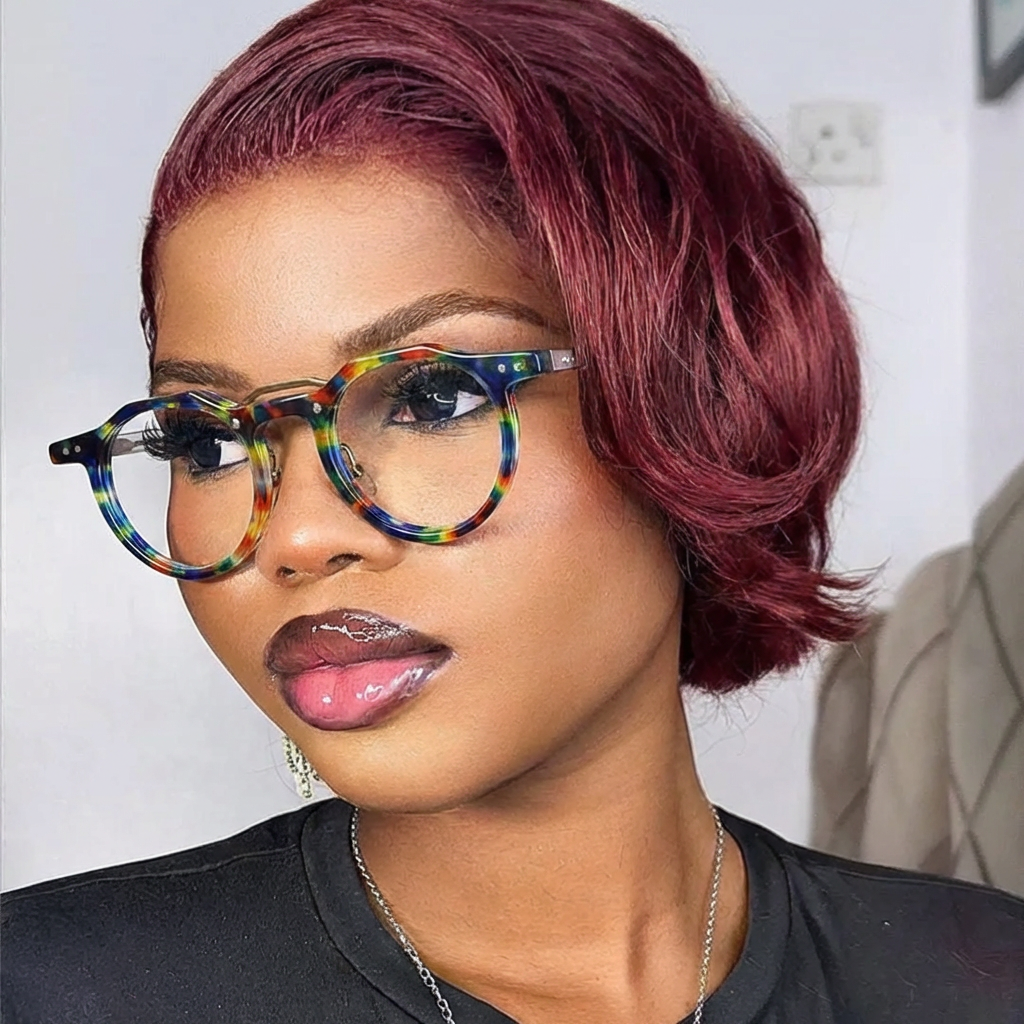
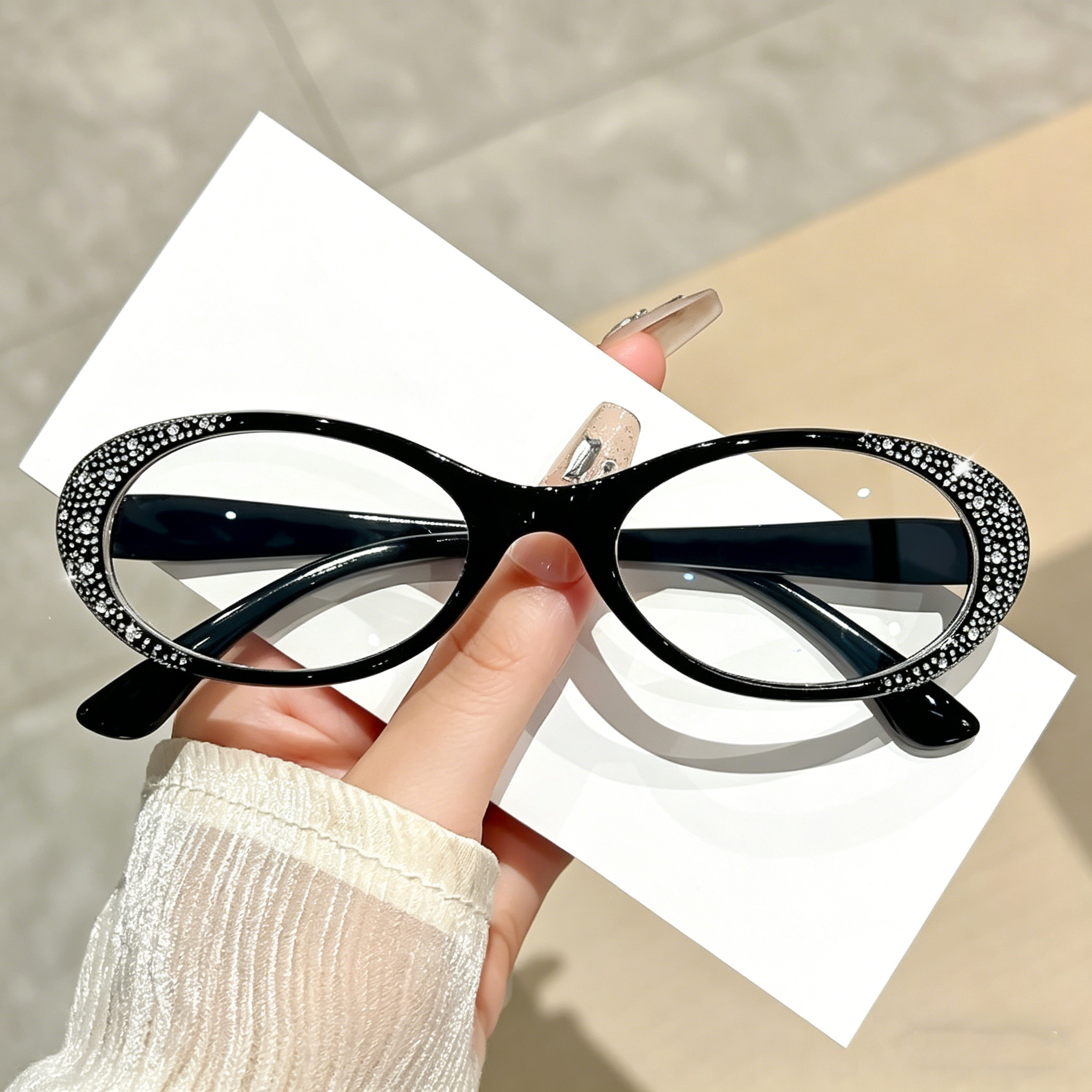
Consider Round or Oval Shapes
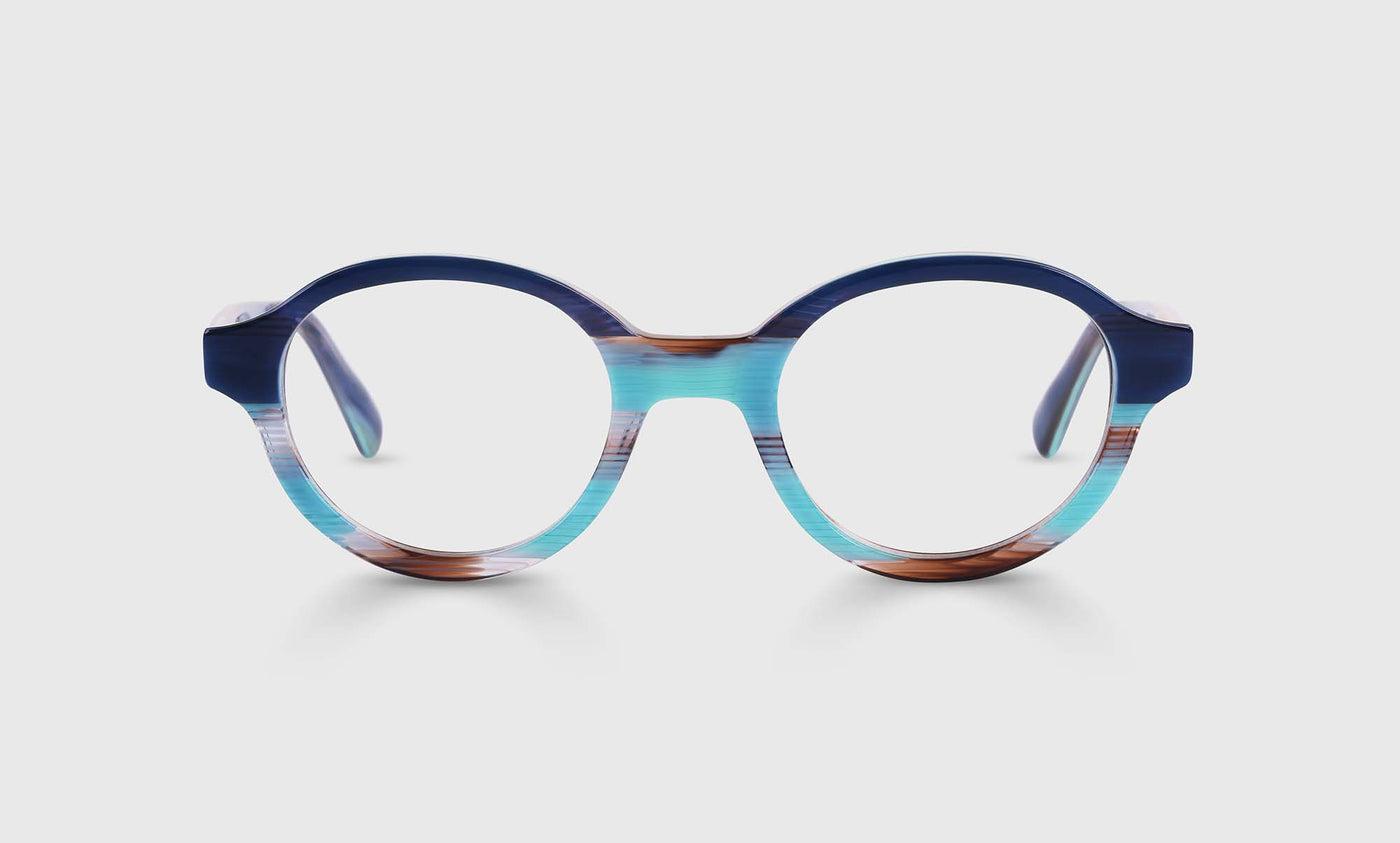
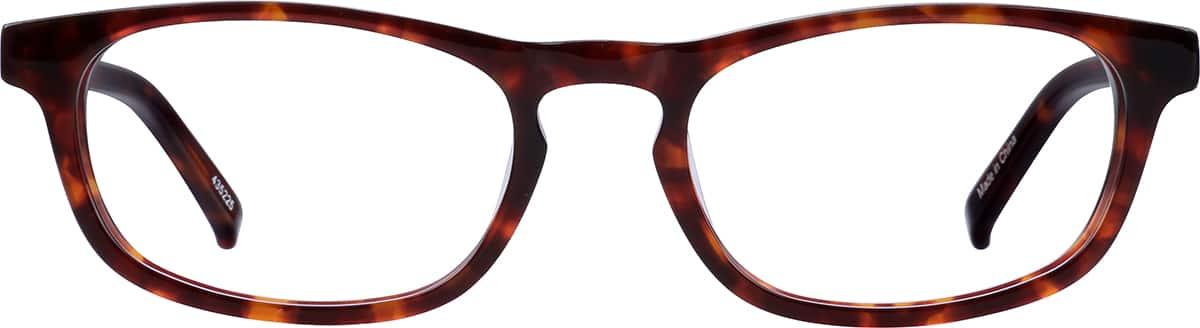
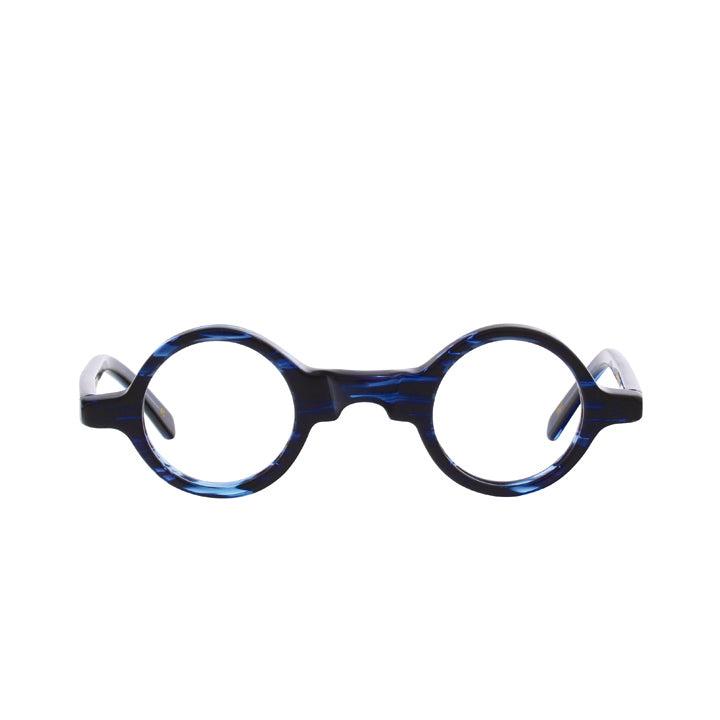
Round and oval frames distribute lens thickness more evenly around the perimeter.
Benefits
- Less noticeable edge thickness
- Better optical balance
- Softer appearance
These shapes are especially effective for very strong prescriptions.
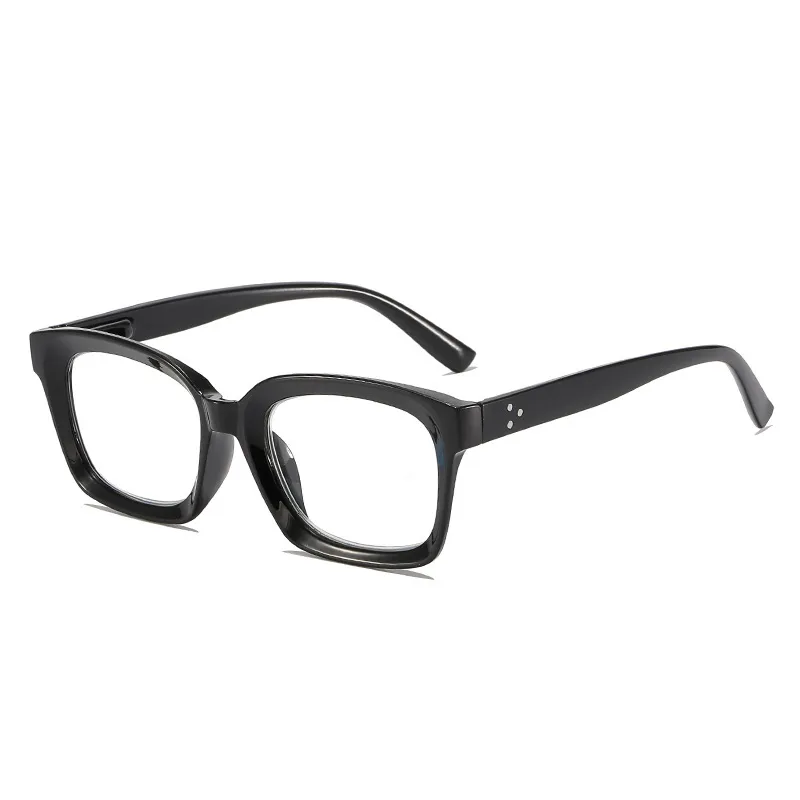
Square and Soft-Rectangle Frames
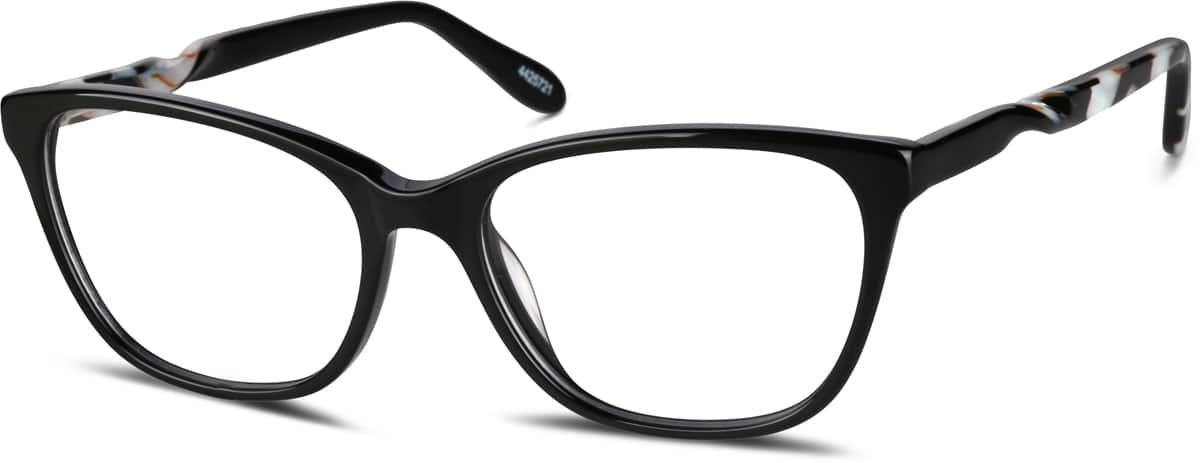
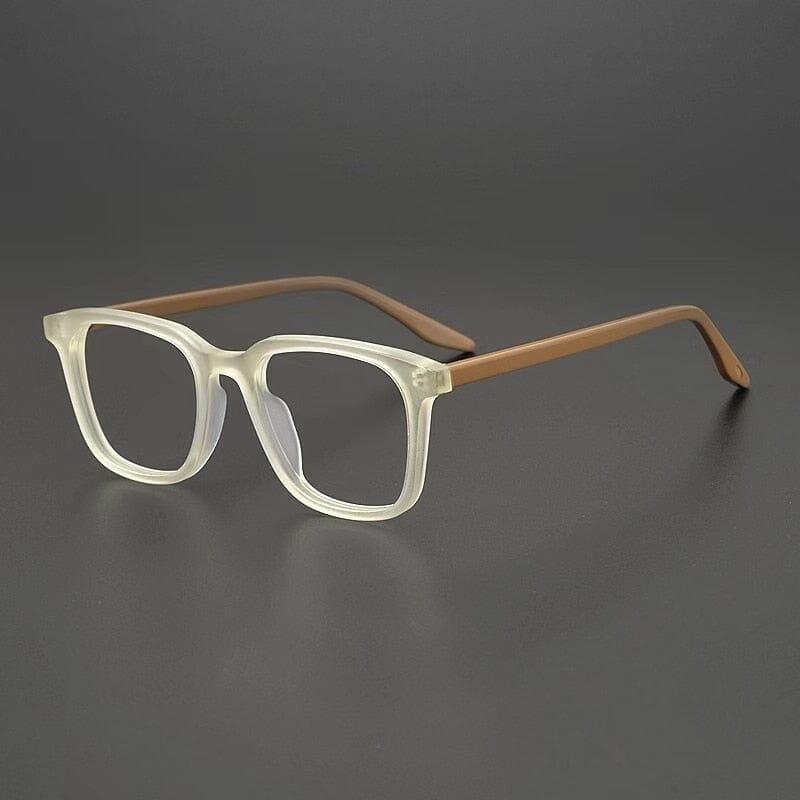
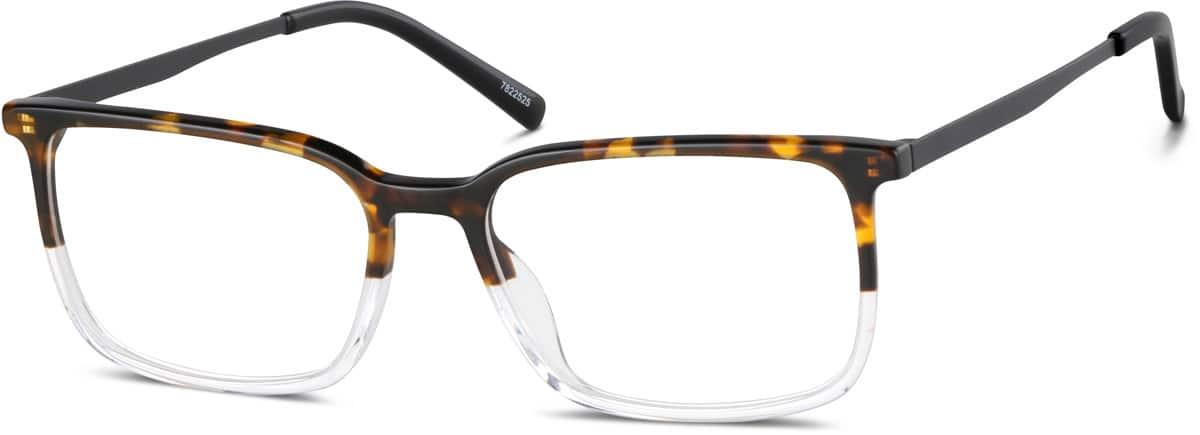
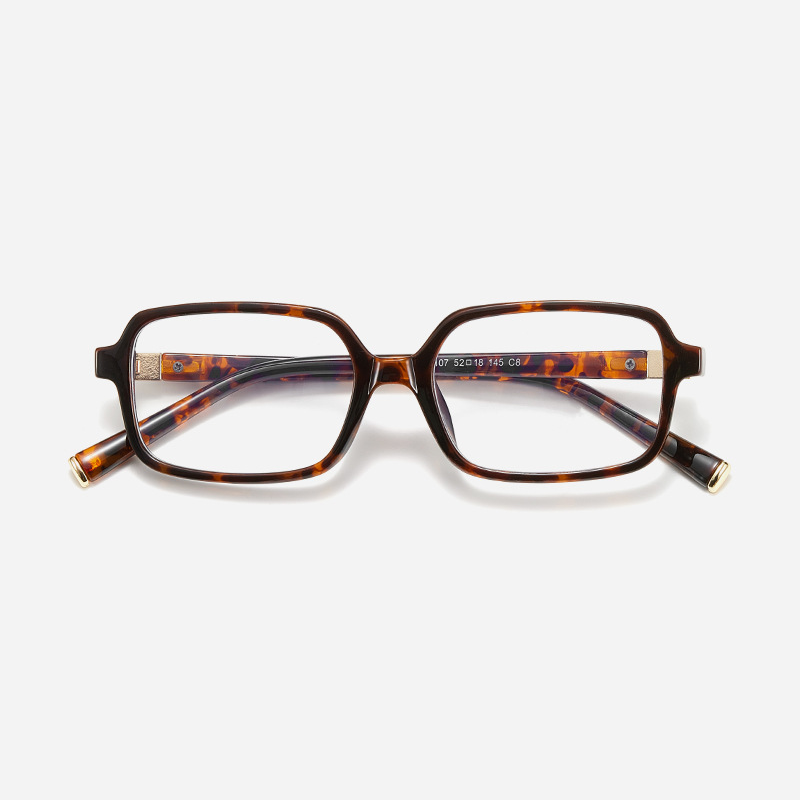
Square and soft-rectangle frames can also work well when they are not oversized.
Advantages
- Professional appearance
- Versatile styling
- Good lens thickness control
Avoid extremely wide rectangular frames, which can increase edge thickness at the outer corners.
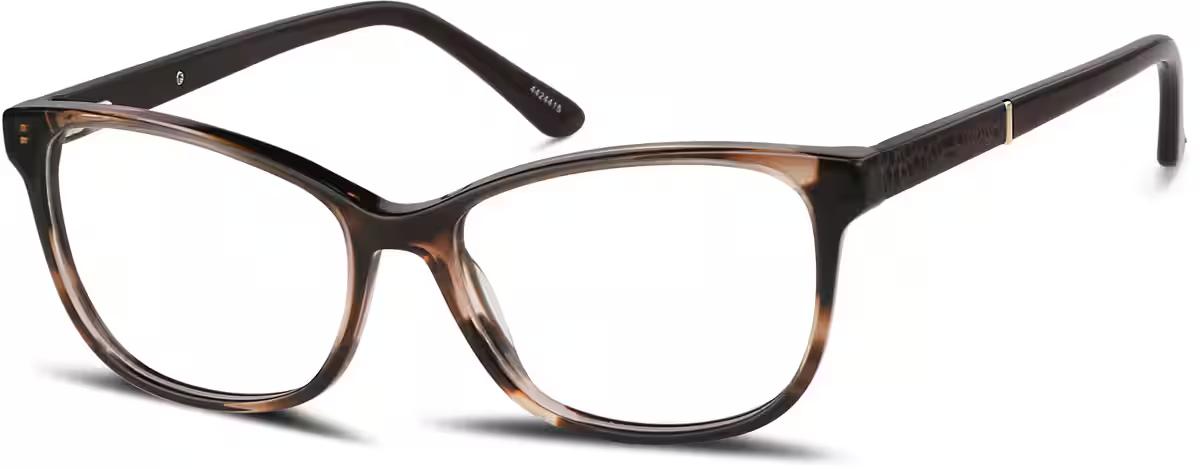
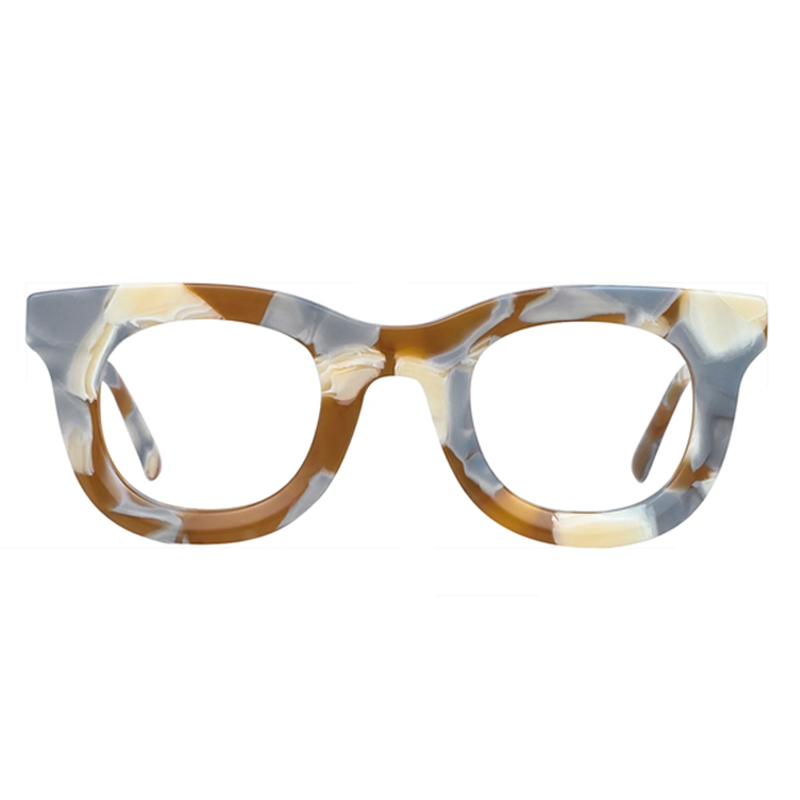
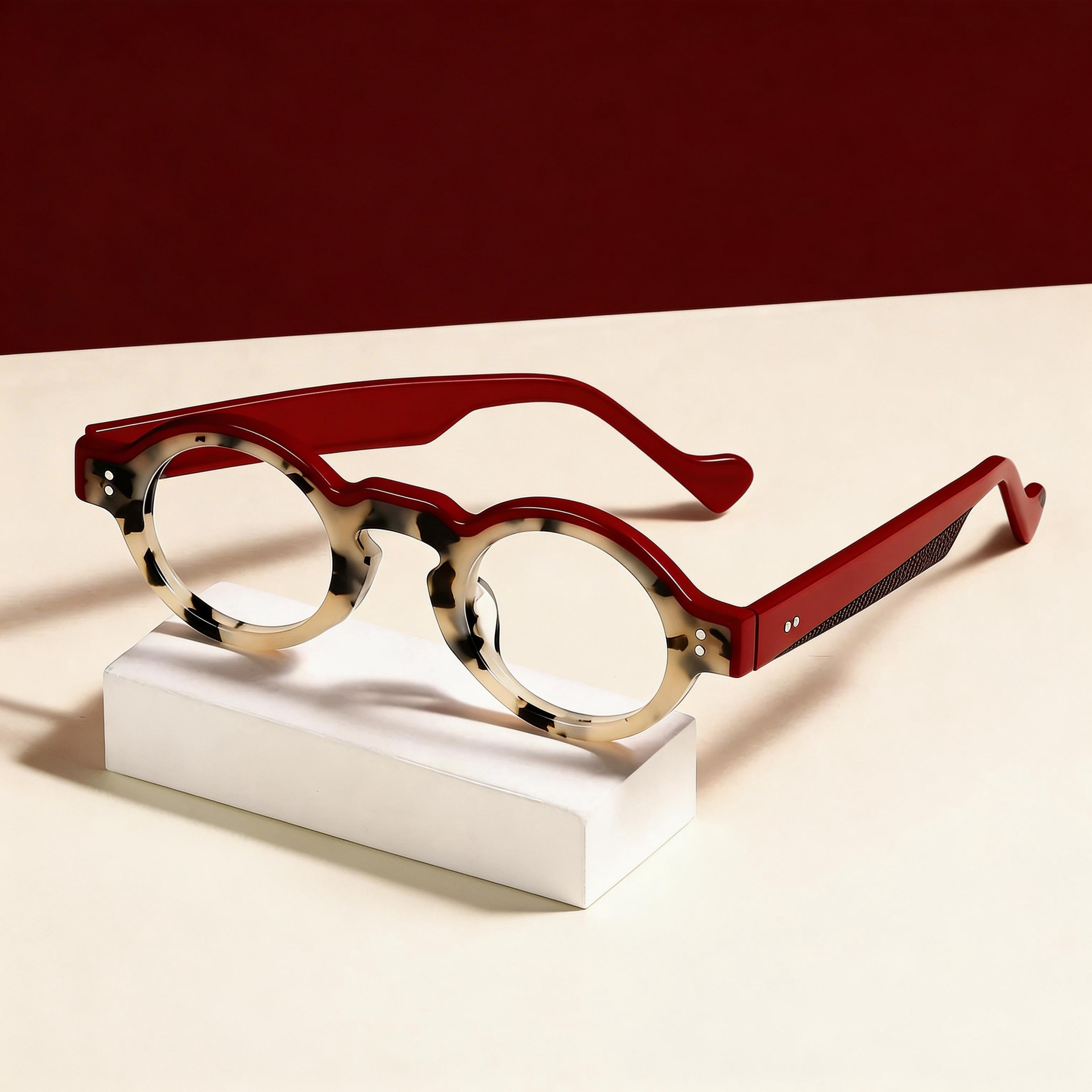
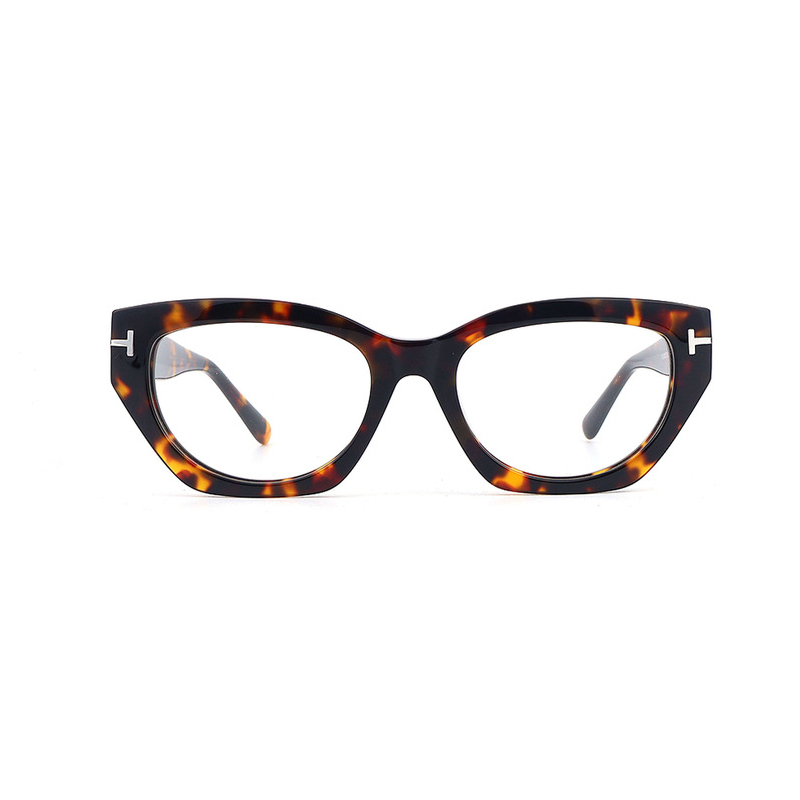
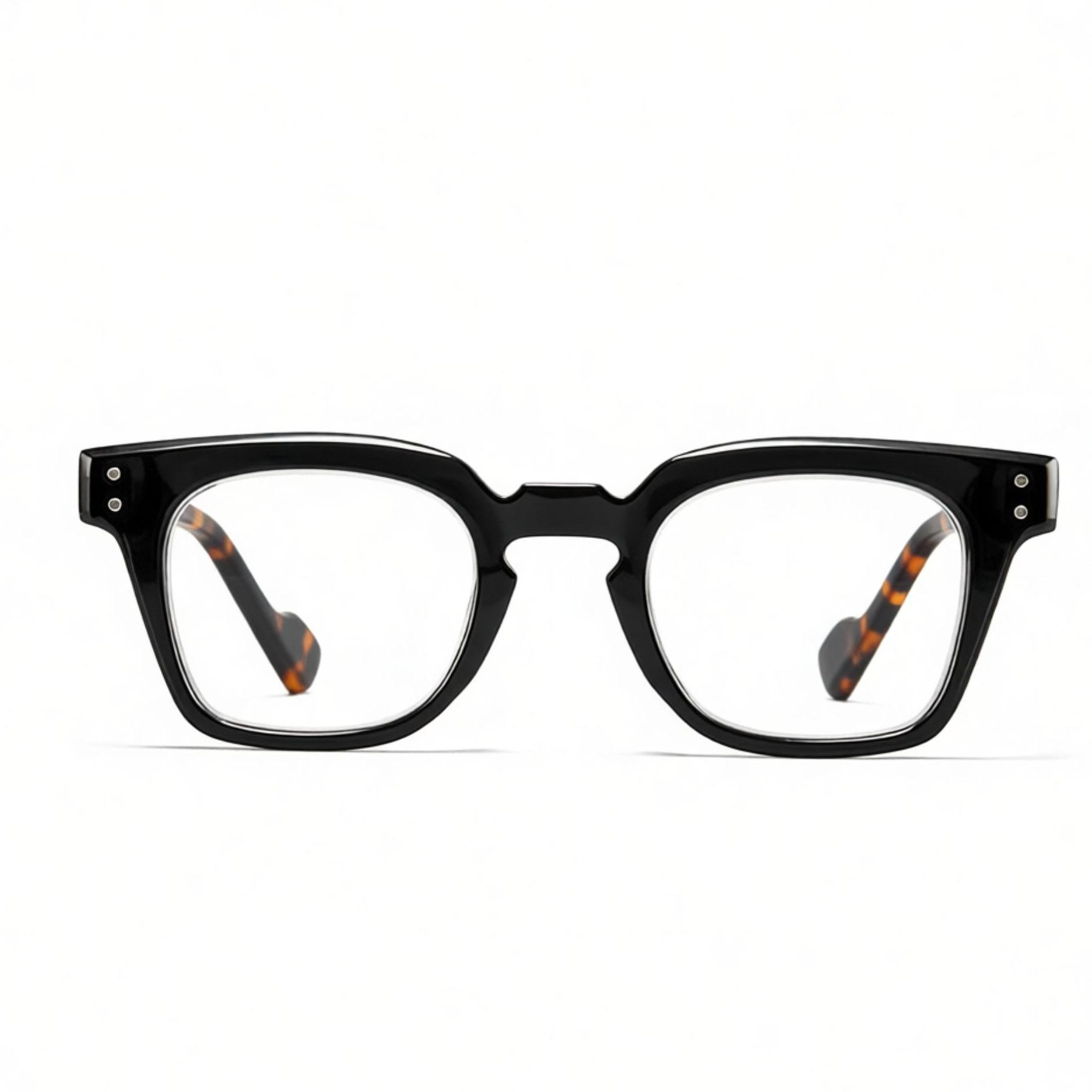
Thick Acetate Frames Help Conceal Lens Edges
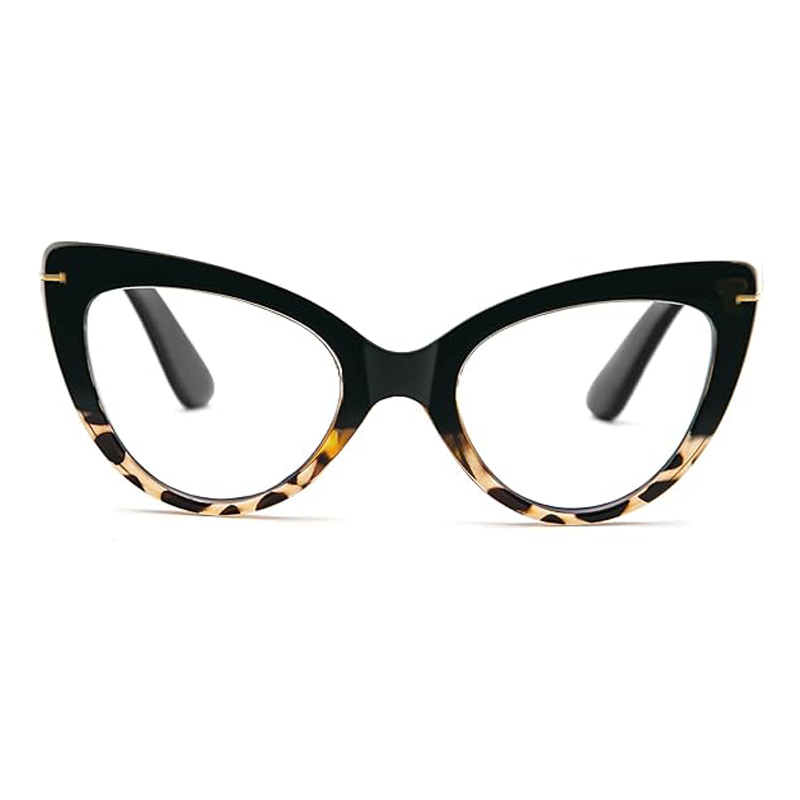
A thicker frame front can hide a significant portion of the lens edge.
Best choices:
- Acetate frames
- Bold-rim designs
- Dark-colored frames
- Layered acetate styles
The thicker rim acts as a visual border, making the lens thickness less noticeable.
Avoid These Frame Styles
Some frame designs tend to emphasize thick lenses:
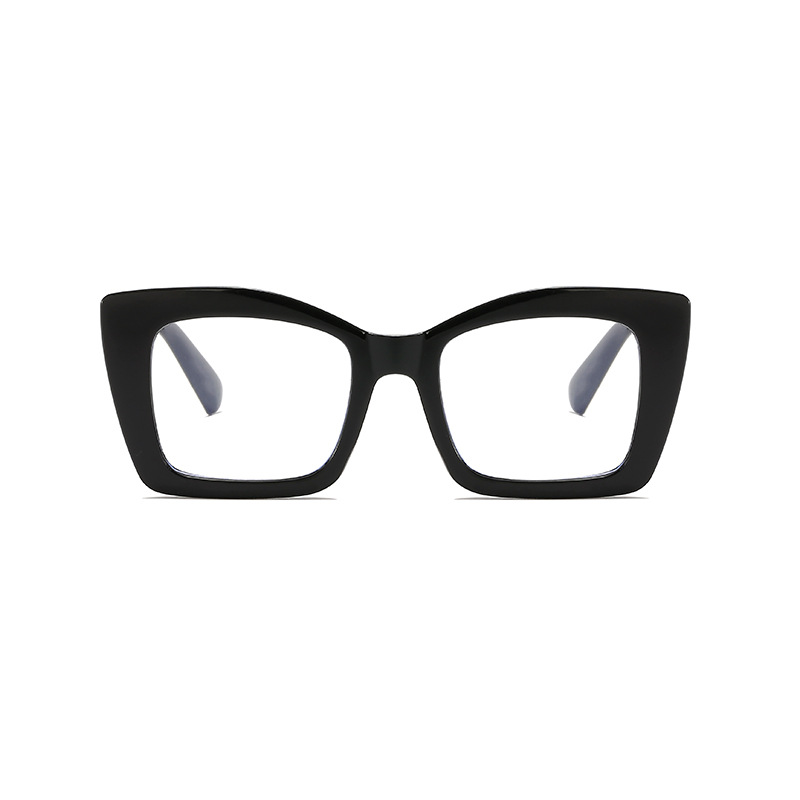
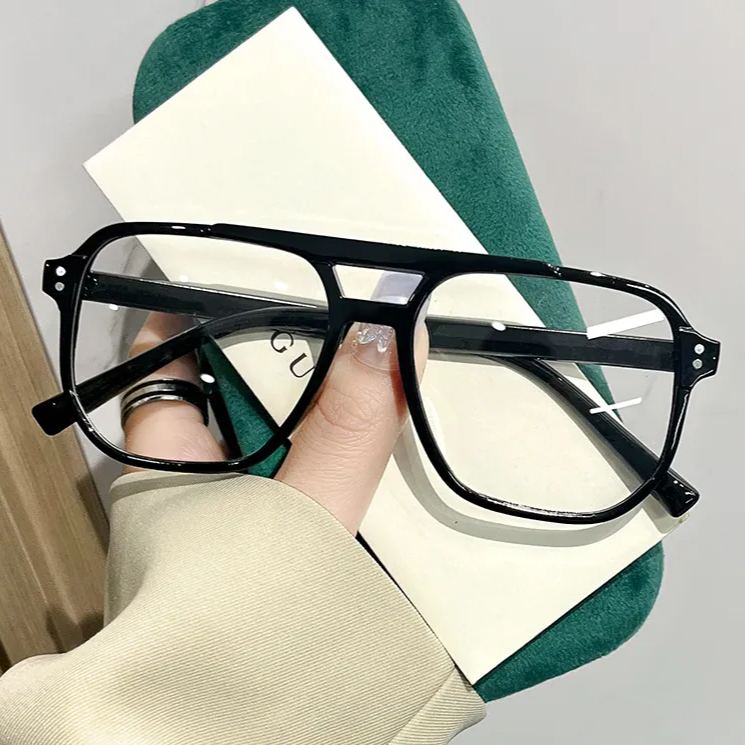
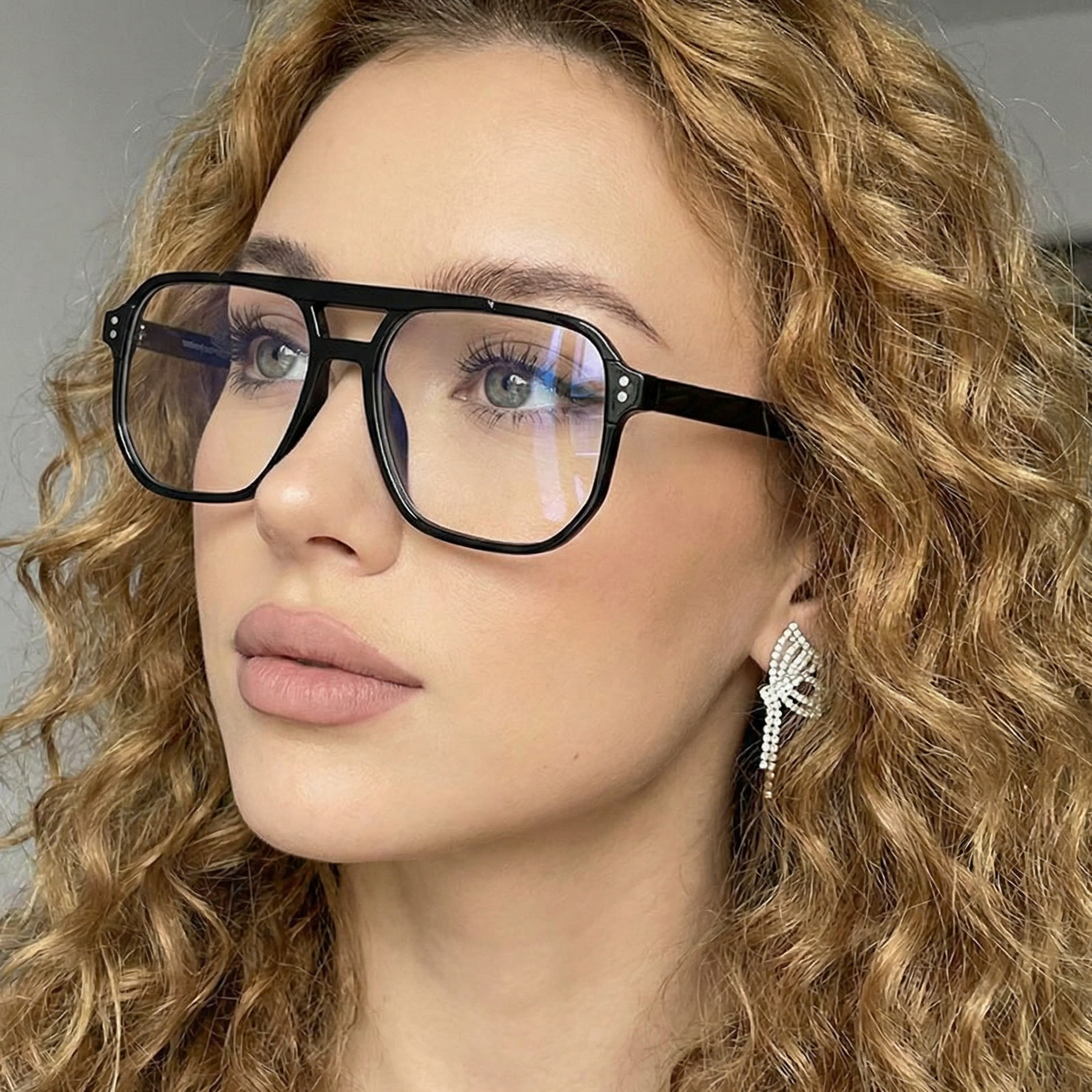
Oversized Frames
Large lenses require more material and often reveal thicker edges.
Rimless Frames
Without a surrounding frame, lens thickness becomes highly visible.
Semi-Rimless Frames
The exposed lens edge can draw attention to thickness, especially on strong prescriptions.
Very Wide Shapes
Extra-wide frames place the thickest part of the lens farther from the optical center.
Don't Forget High-Index Lenses
Pairing the right frame with high-index lenses can make a significant difference.
Common options include:
| Lens Index | Best For |
|---|---|
| 1.60 | Moderate myopia |
| 1.67 | High myopia |
| 1.74 | Very high myopia |
Higher-index materials bend light more efficiently, allowing thinner lenses.
Frame Colors That Help
Darker frame colors can further disguise lens thickness:
- Black
- Dark tortoise
- Deep navy
- Charcoal gray
- Rich burgundy
These shades create visual contrast and help mask lens edges.
Additional Tips for a Slimmer Look
- Choose frames where your eyes are centered within the lenses.
- Ensure accurate pupillary distance (PD) measurements.
- Consider aspheric lens designs for flatter profiles.
- Use anti-reflective coatings to reduce distracting reflections.
- Work with an experienced optician to optimize lens selection.
Final Thoughts
For people with high myopia, the most flattering frames are typically smaller, well-proportioned styles with substantial rims. Round, oval, and moderate rectangular shapes often provide the best balance between appearance and function. Combined with high-index lenses and proper fitting, these frame choices can significantly reduce the visibility of thick lens edges while keeping your eyewear stylish and comfortable.
https://scoolglasses.com/products/round-glasses-mj-882218

-6.png?w=2048&h=2048)




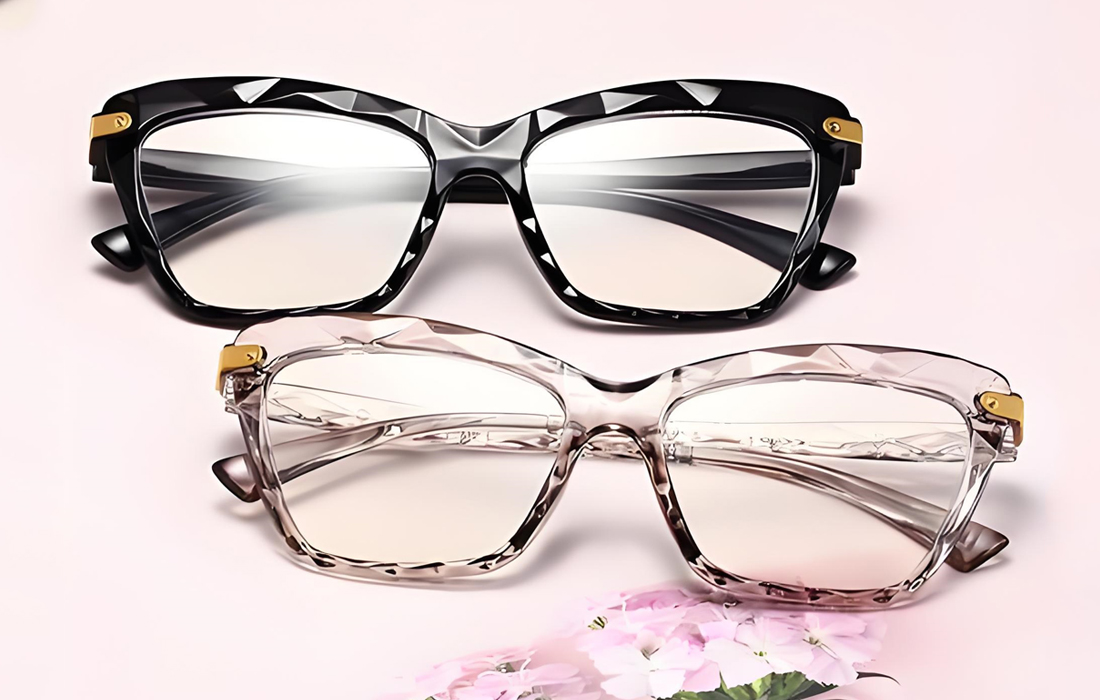







.png?w=2048&h=2048)
-14--1.png?w=2048&h=2048)