


Gray eyes are one of the rarest eye colors in the world, and their unique appearance has fascinated scientists and fashion enthusiasts alike. Here’s a detailed look at what causes gray eyes.
1. The Basics: Eye Color Depends on Iris and Melanin
Your eye color is determined by:
- Iris structure – The colored part of your eye.
- Melanin levels – The pigment that gives color to your eyes, skin, and hair.
- Light scattering – How light reflects and scatters in the iris.
Most eye colors, like brown or blue, are primarily influenced by melanin. Gray eyes, however, have a more complex mechanism.
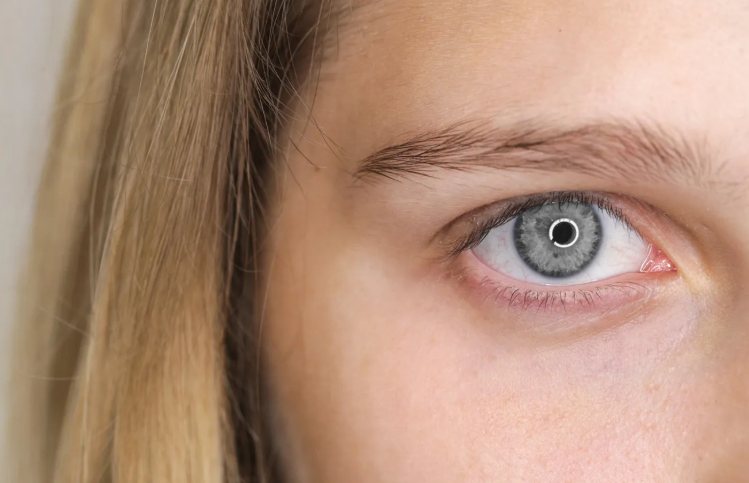
2. Low Melanin + Iris Structure = Gray Eyes
- Melanin Amount: Gray eyes have very little melanin, even less than blue eyes.
- Iris Texture: The iris fibers in gray eyes are densely packed and more reflective.
- Rayleigh Scattering: This is the same phenomenon that makes the sky appear blue. Light scatters in the stroma (the front layer of the iris), creating a gray appearance instead of blue or green.
In short, gray eyes are not just “light blue eyes.” The unique combination of low melanin and the iris’ structural properties gives them their smoky, silver look.
3. Genetics of Gray Eyes
Eye color is polygenic, meaning multiple genes contribute to it.
- OCA2 and HERC2 genes on chromosome 15 play a role in melanin production.
- Other genes affect how light scatters in the iris.
- The combination of these genes can produce gray eyes, which is why they are rare.
Statistics: Only about 1% of the world’s population has gray eyes, making them rarer than green or amber eyes.
4. Why Gray Eyes Can Appear to Change Color
Gray eyes may look blue, green, or even silver depending on:
- Lighting conditions
- Clothing colors
- Makeup
- Emotional states (pupil dilation can slightly change light scattering)
This chameleon effect is part of why gray eyes are often described as mysterious or striking.
5. Health Considerations
Gray eyes themselves are not linked to health issues. However:
- People with very light-colored eyes may be more sensitive to bright sunlight, as they have less melanin to protect against UV rays.
- Sunglasses with UV protection are recommended for comfort and long-term eye health.
Key Takeaways
- Gray eyes result from low melanin plus a unique iris structure that scatters light.
- They are extremely rare—only ~1% of people have them.
- Their color can appear to shift depending on light, surroundings, and mood.
- No medical issues are caused by gray eyes, but light sensitivity can be slightly higher.
https://scoolglasses.com/products/square-glasses-bx-239.png?w=1024&h=1024)
-51.png?w=2048&h=2048)
-6.png?w=2048&h=2048)




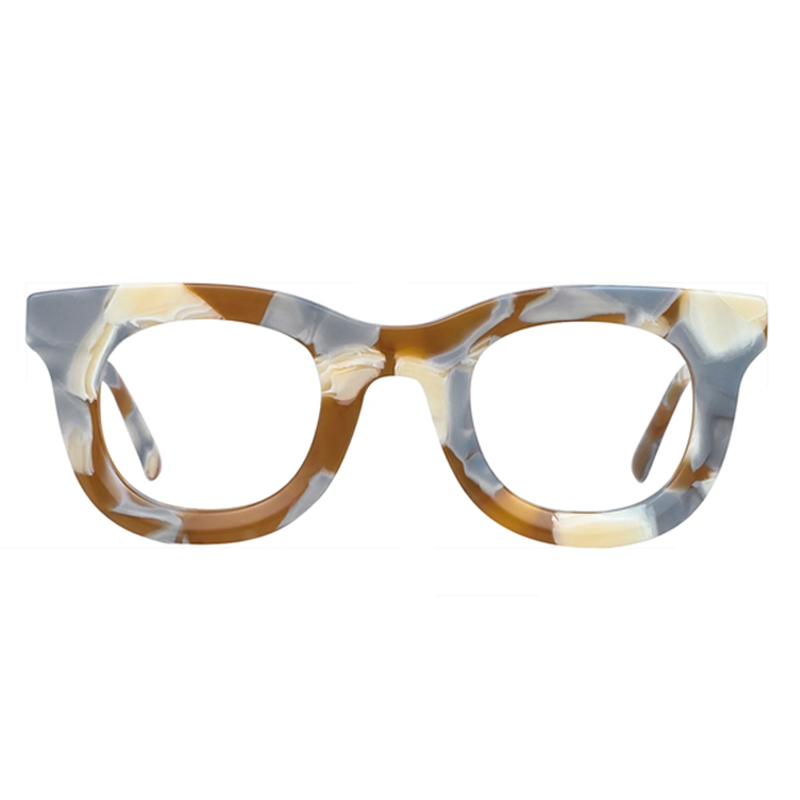



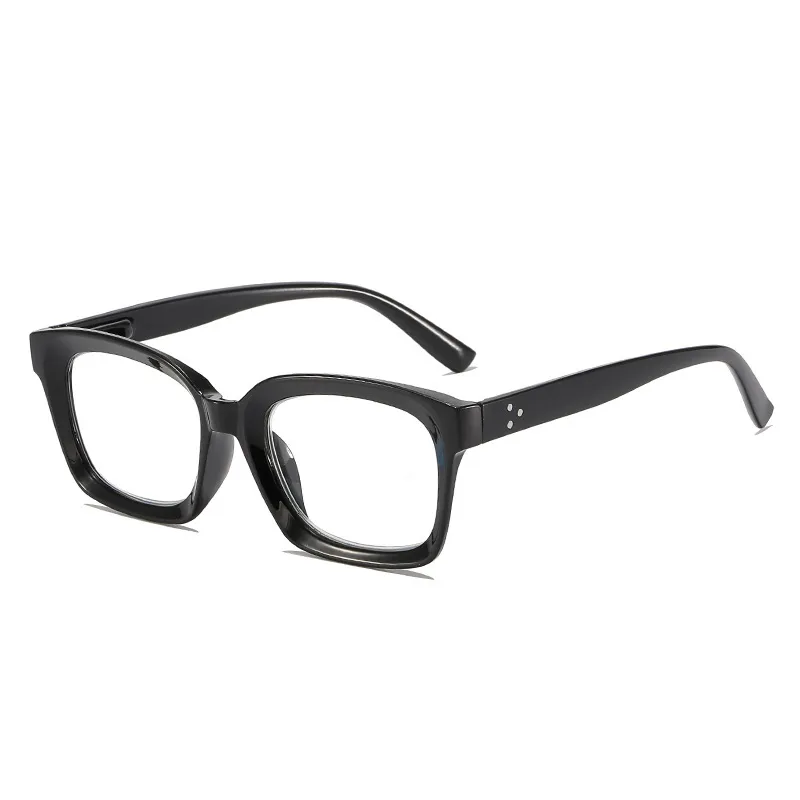

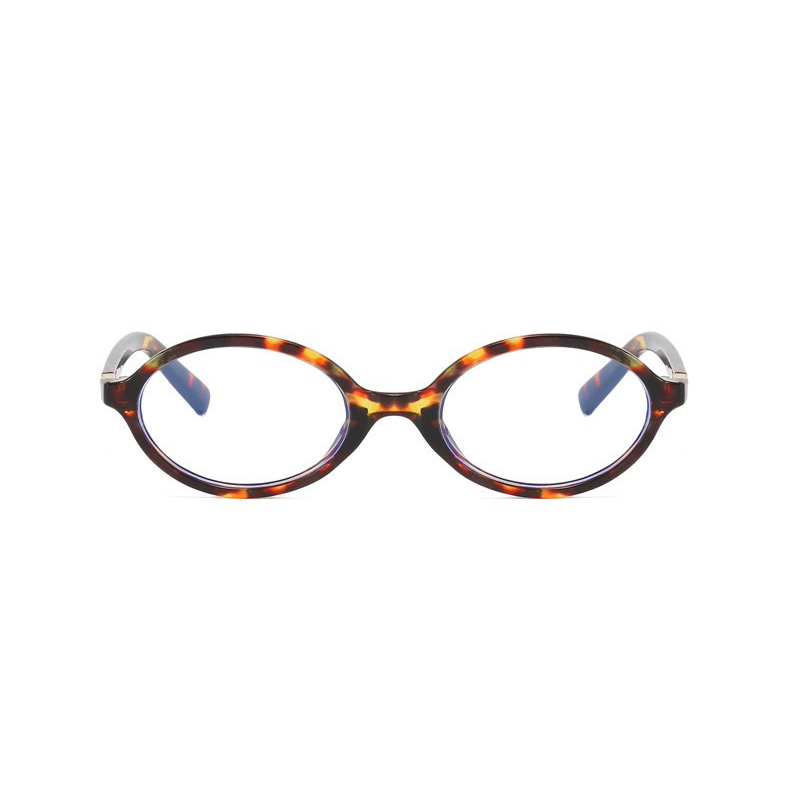





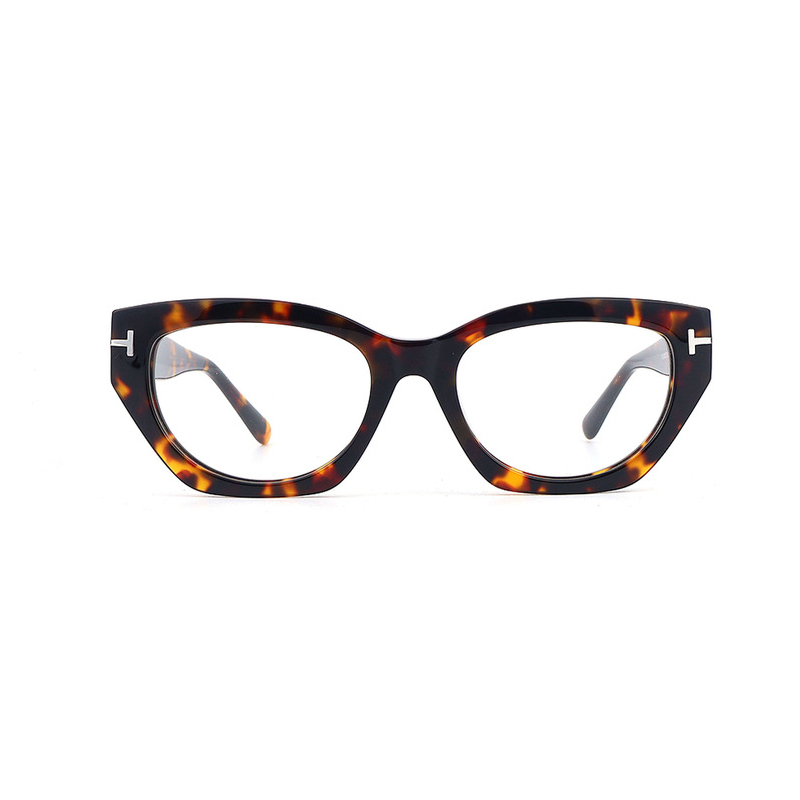

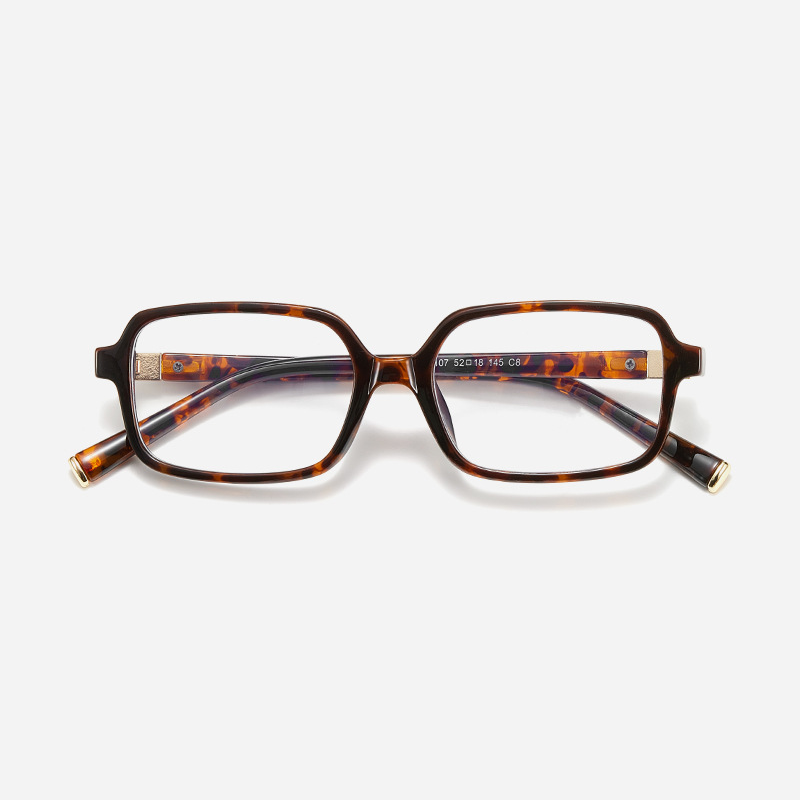

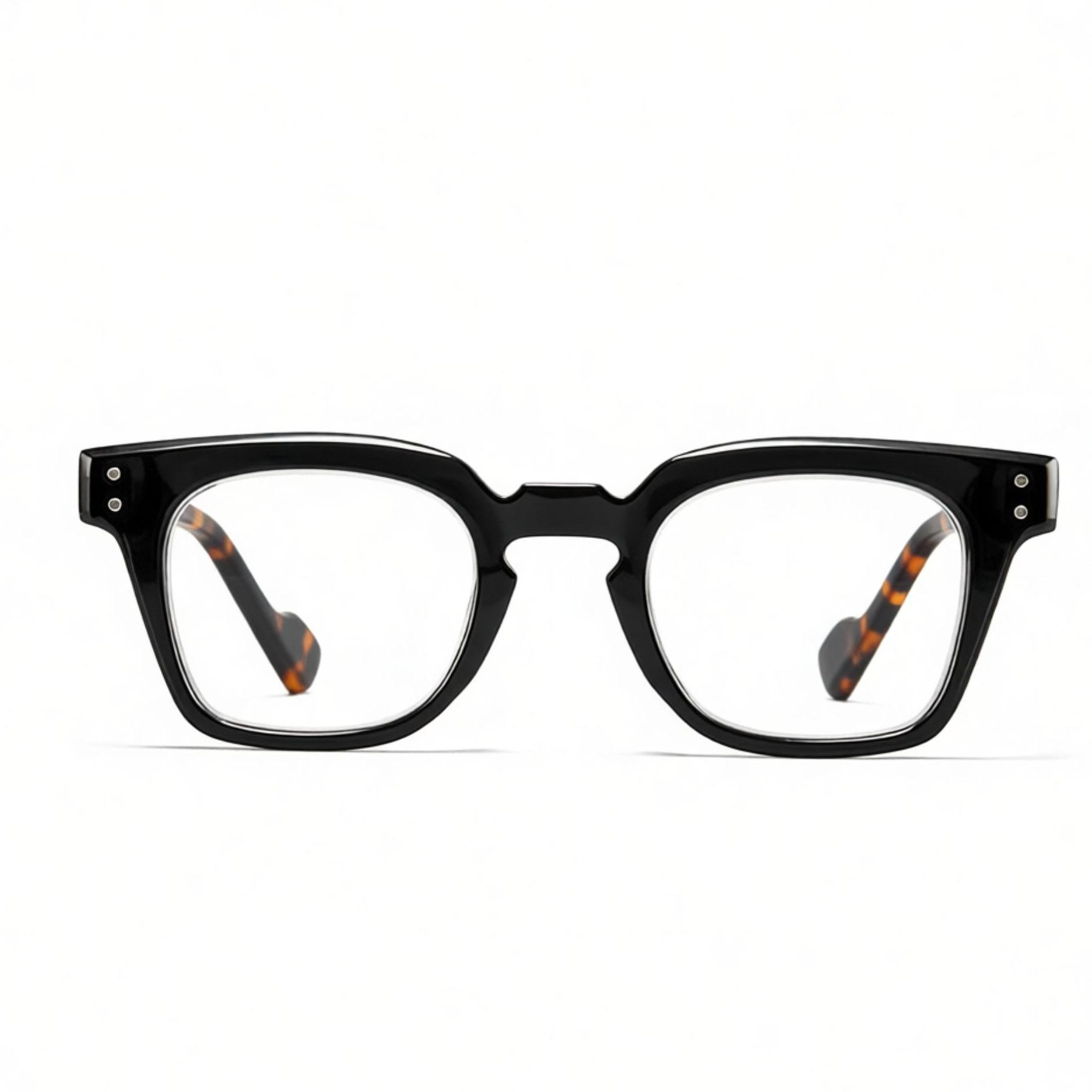
.png?w=2048&h=2048)

-14--1.png?w=2048&h=2048)