

1. How Eyes Can Get Sunburned
- The cornea and conjunctiva (the clear and white parts of the eye) can be damaged by UV rays.
- It’s similar to skin sunburn but affects your eyes.
- Common causes:
- Spending long hours in bright sunlight without eye protection
- Reflection off snow, water, sand, or pavement (even more intense UV exposure)
- Tanning beds or welding without eye protection
Symptoms may include:
- Redness
- Pain or gritty sensation
- Light sensitivity (photophobia)
- Temporary blurry vision
- Tearing or watery eyes
- Feeling like something is stuck in the eye
Symptoms usually appear 6–12 hours after exposure and generally resolve in 24–48 hours with proper care.
2. How to Prevent Eye “Sunburn”
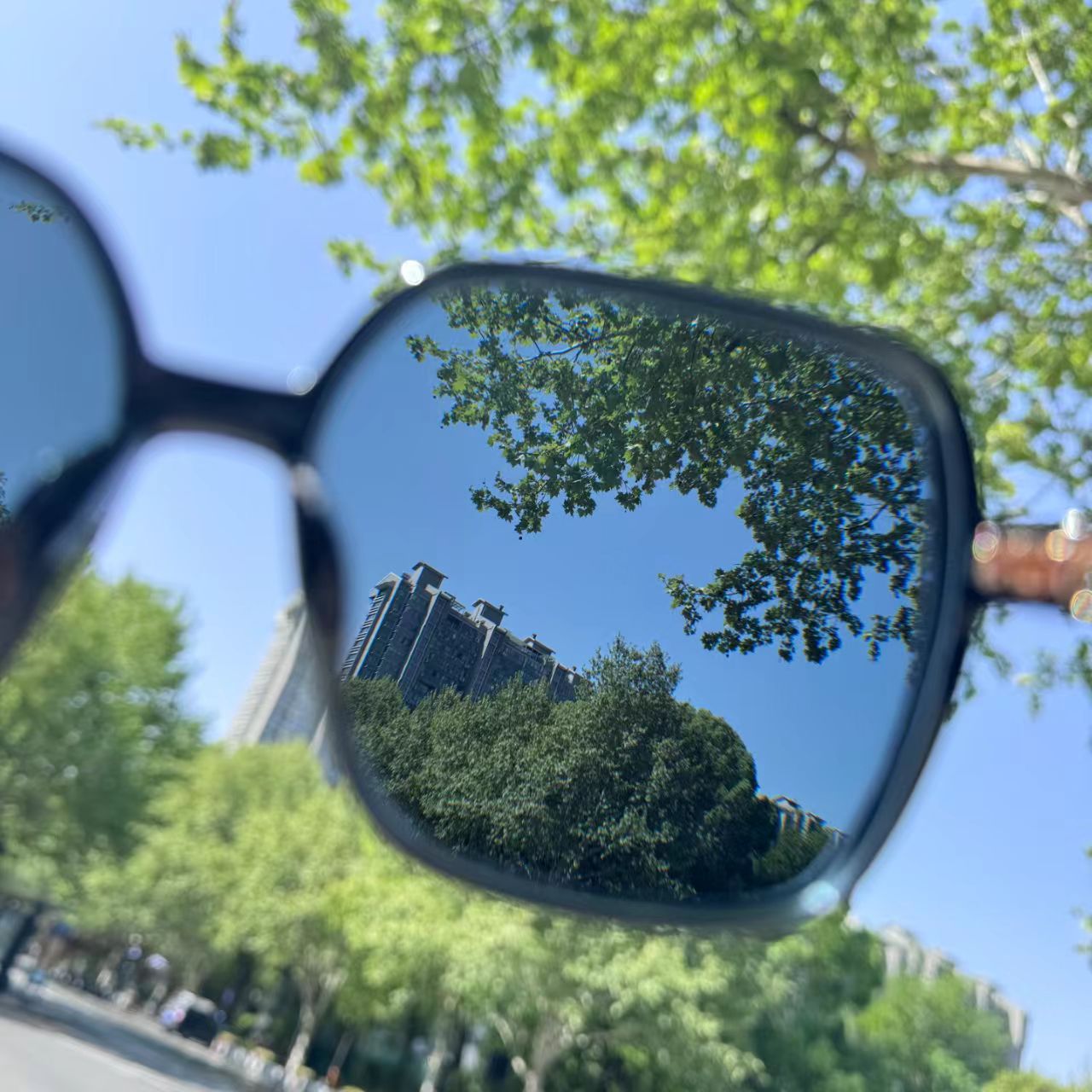
Wear Proper UV-Blocking Sunglasses
- Look for sunglasses that block 99–100% of UVA and UVB rays.
- Wraparound styles offer extra protection from reflected light.
Use Hats or Brims
- Wide-brimmed hats or caps shield your eyes from direct sunlight.
Limit Exposure During Peak UV Hours
- UV rays are strongest between 10 a.m. and 4 p.m..
Be Extra Careful Around Reflective Surfaces
- Snow, water, sand, and even concrete can reflect UV rays into your eyes.
- Skiers and beachgoers benefit greatly from UV-rated goggles or wraparound sunglasses.
Consider Sunglasses Indoors for Extreme Cases
- Some medical conditions or medications make eyes more sensitive to UV, so UV protection indoors may help.
3. Additional Tips
- Don’t rely on tinted lenses alone—they must have proper UV protection.
- Contact lenses with UV protection can help, but they don’t replace sunglasses.
- Seek medical attention if you experience severe pain, vision changes, or persistent redness.
Bottom line: Eyes can get sunburned, and it’s more common than most people realize. The good news is that UV-blocking sunglasses, hats, and careful timing outdoors effectively prevent it.
https://scoolglasses.com/products/browline-glasses-ps-g2276







.jpg?w=569&h=569)
-1.png?w=800&h=800)



-14--1.png?w=2048&h=2048)