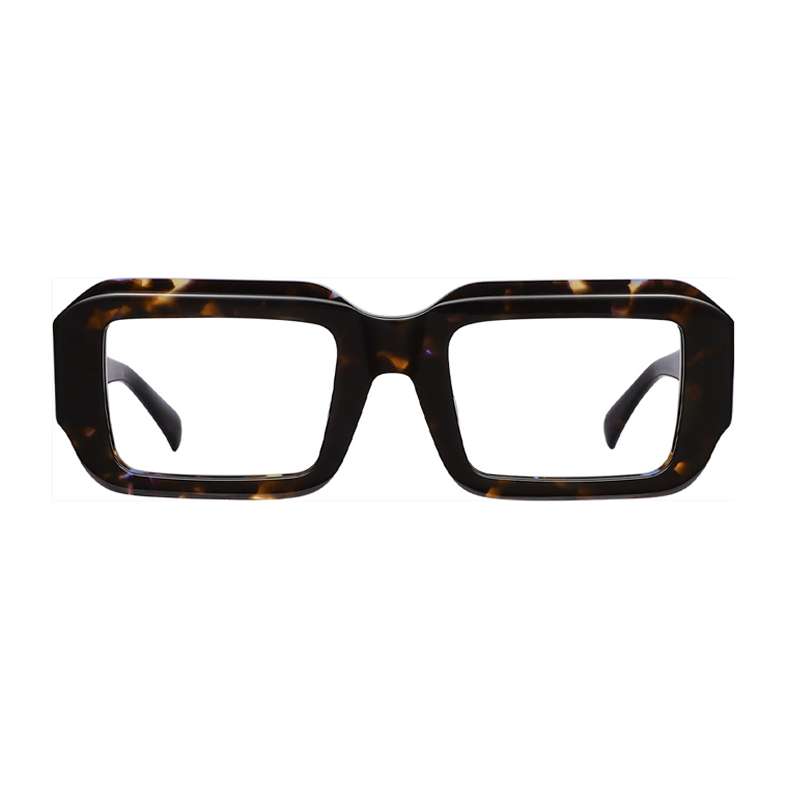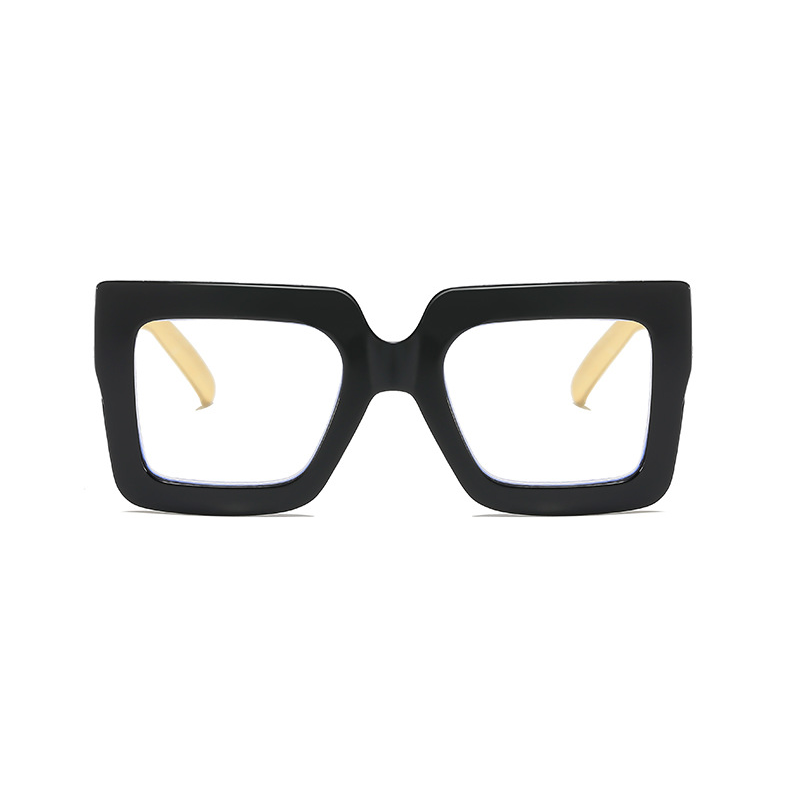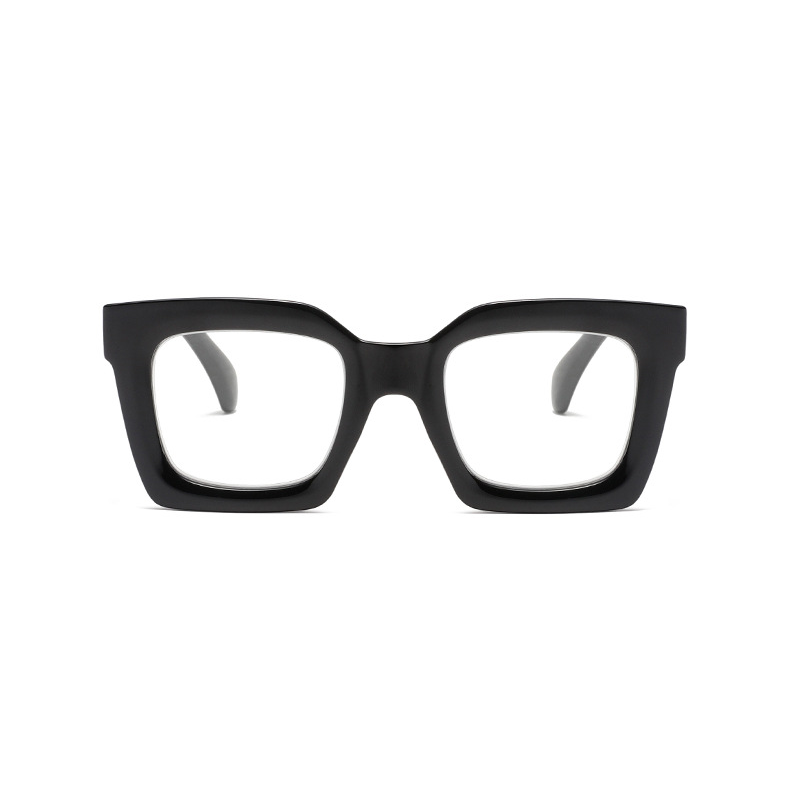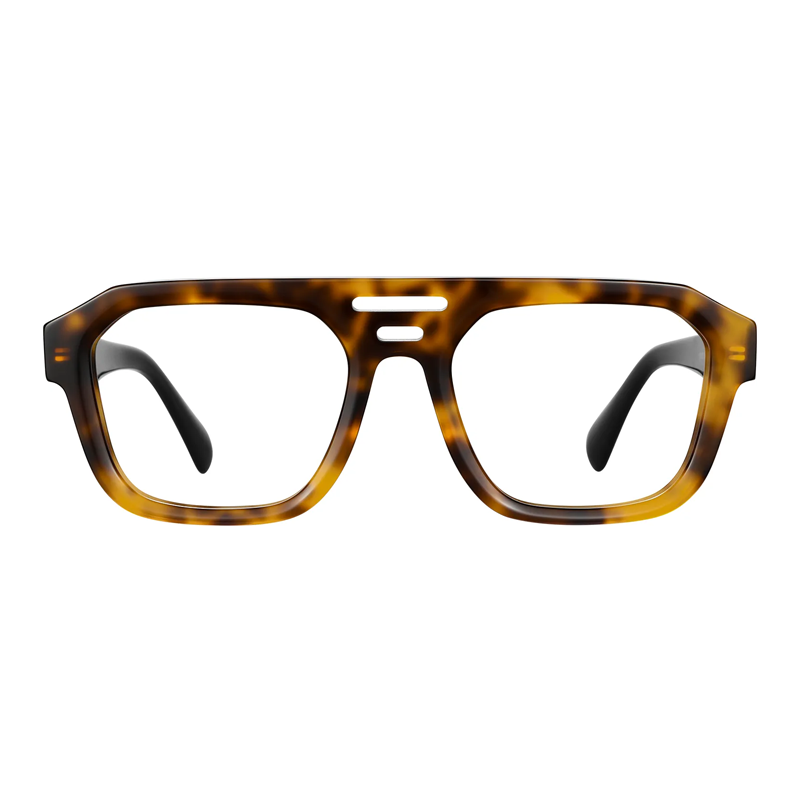


The numbers printed on eyeglass frames are sizing measurements that help determine how the glasses fit your face. They’re usually printed on the inside of a temple arm and look something like:
52□18 140
These numbers represent:
- Lens Width —
52- Width of one lens in millimeters.
- Usually ranges from about 40–62 mm.
- Larger numbers generally mean wider-looking frames.
- Bridge Width —
18- Distance between the two lenses (the part over your nose).
- Commonly 14–24 mm.
- Important for comfort and keeping glasses from sliding.
- Temple Length —
140- Length of the arms extending over your ears, in millimeters.
- Common sizes: 135, 140, 145, 150.
You may also see additional numbers:
- Frame height
- Lens height
- Model number
- Color code
Example:
- 54□17 145
- 54 mm lens width
- 17 mm bridge
- 145 mm temple length
Why these numbers matter:
- Better comfort
- Proper optical alignment
- Reduced slipping or pinching
- Improved appearance and balance on your face
General fit guidance:
- Narrow face: smaller lens widths and bridges
- Wider face: larger lens widths
- Low nose bridge: may benefit from adjustable nose pads or “low bridge fit” frames
If you already own glasses that fit well, using those exact numbers is often the easiest way to shop online confidently.
You can usually find the numbers:
- Inside the temple arm
- On the bridge
- Sometimes on the demo lens for new frames
Typical example format:
52□18–140
That translates to:
- Lens width: 52 mm
- Bridge: 18 mm
- Temple: 140 mm
https://scoolglasses.com/products/square-glasses-ps-8610








-1.png?w=2048&h=2048)

.jpg?w=569&h=569)
-1.png?w=800&h=800)



-14--1.png?w=2048&h=2048)