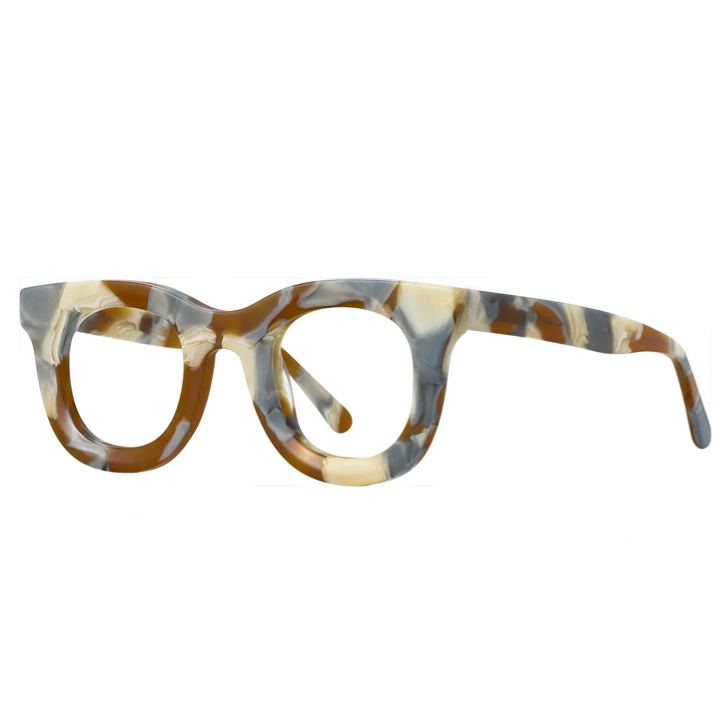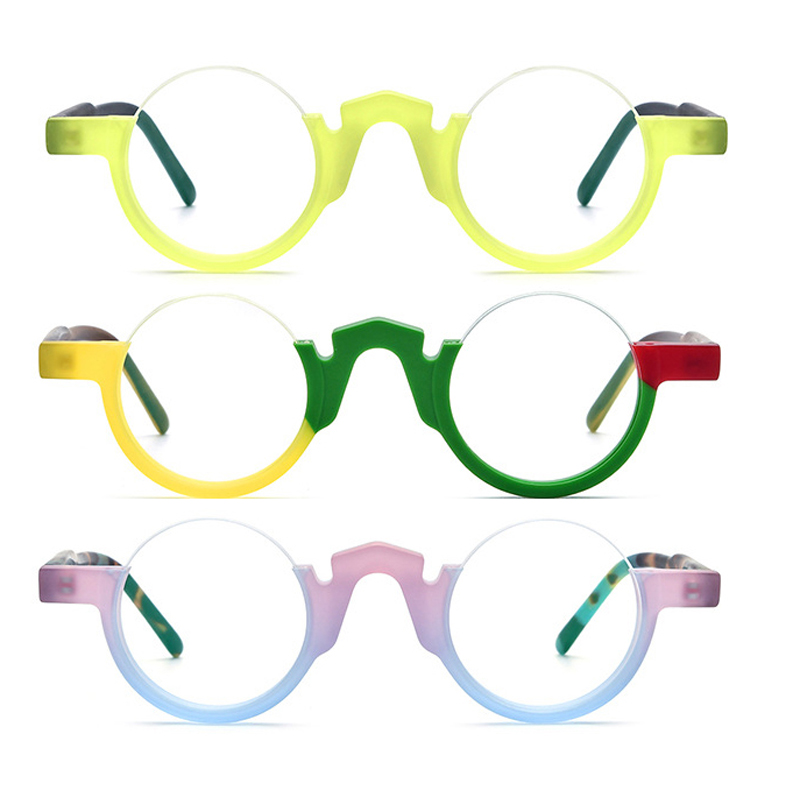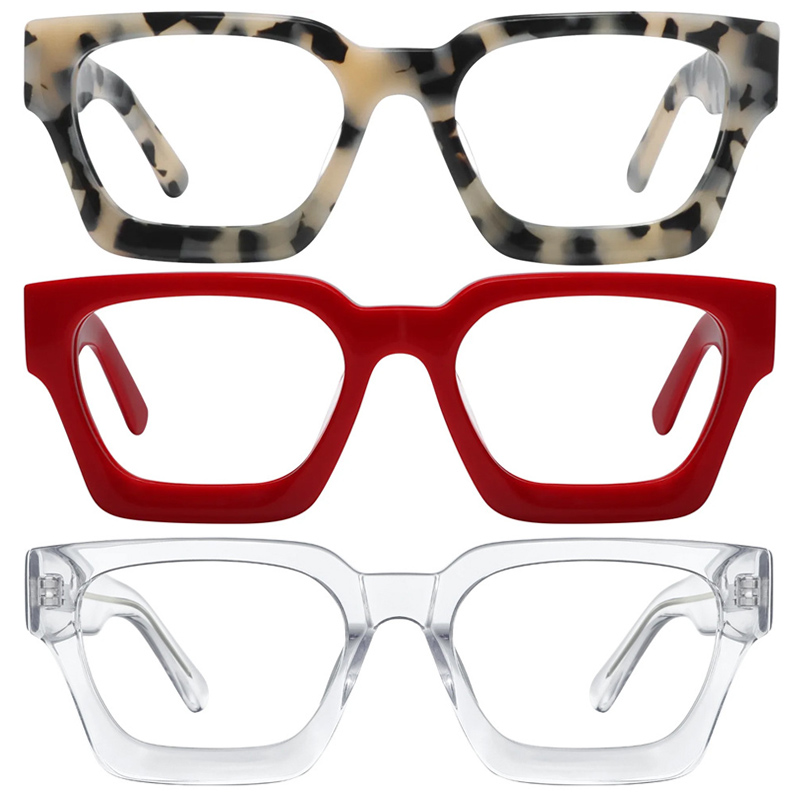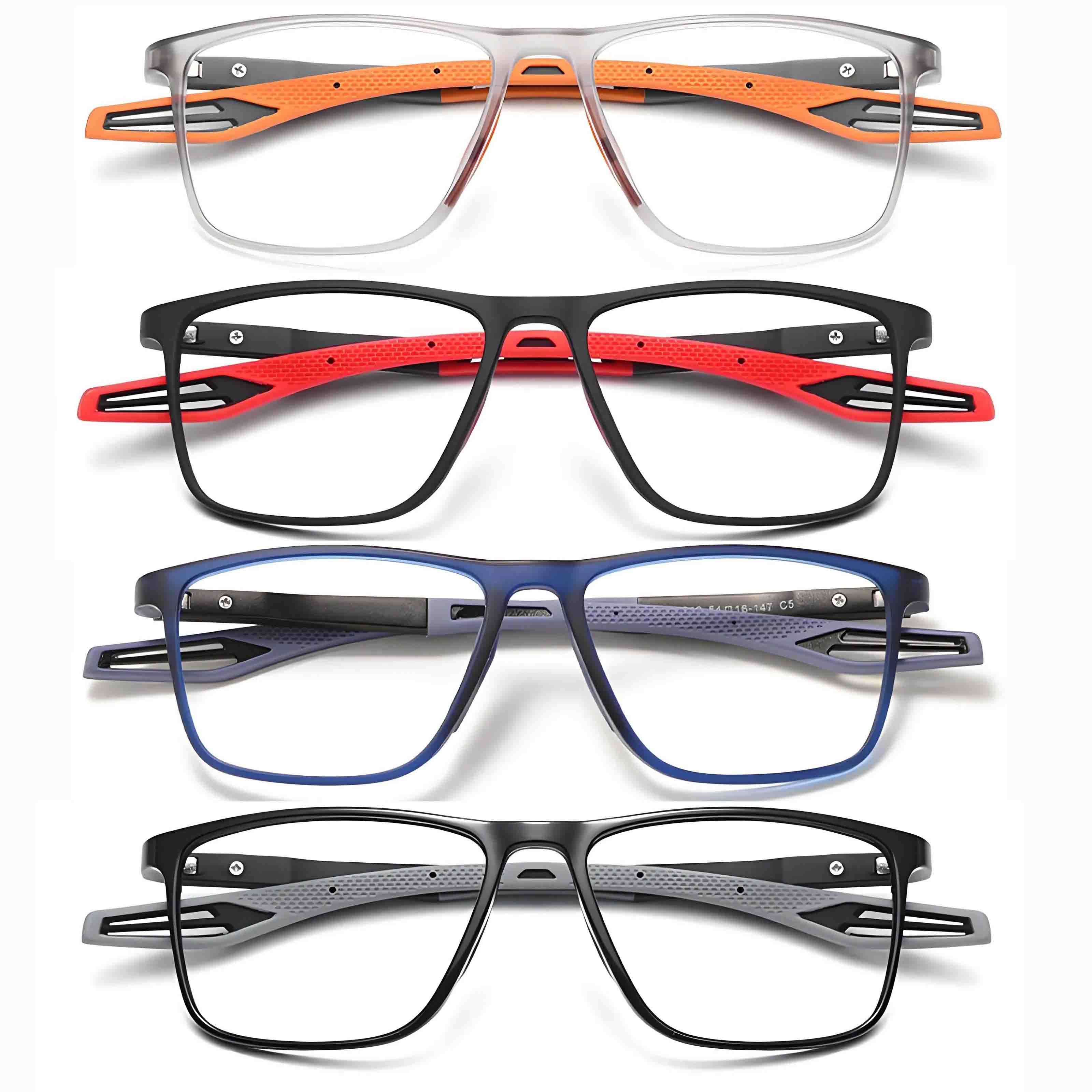


In today’s screen-heavy world, computer glasses have shifted from a niche accessory to something many people now consider essential. Whether you’re working on spreadsheets, attending virtual meetings, gaming, or scrolling on your phone, your eyes are constantly exposed to digital strain in ways they weren’t designed for.
Why screens are harder on your eyes
Digital devices don’t damage your eyes permanently in most cases, but they do create a condition often called digital eye strain (or computer vision syndrome). It happens because your eyes have to work harder to process screen images compared to printed text.
Common triggers include:
- Constant focusing at a fixed distance
- Reduced blinking (which dries out the eyes)
- Glare from bright screens or lighting
- High contrast and blue-toned light from displays
Over time, this can lead to discomfort that feels surprisingly physical.
What computer glasses actually do
Computer glasses are designed to reduce the stress placed on your visual system during screen use. They’re not just “fashion glasses”—they’re tuned for near and mid-range focus, which is where most screen work happens.


Typical features include:
- Anti-reflective coating to reduce screen glare
- Blue light filtering lenses to reduce high-energy visible light exposure
- Mild magnification (in some cases) for reading comfort
- Optimized focal distance for computer screens
Do blue light lenses really matter?
Blue light is part of the visible light spectrum emitted by screens and LED lighting. While research is still evolving, what’s consistently supported is this:
- Blue light exposure in the evening may interfere with sleep cycles
- Glare and brightness contribute more directly to eye fatigue than blue light alone
- Filtering and coating technologies can improve comfort, even if effects vary by person
So even if the science is nuanced, many users report less strain, fewer headaches, and improved comfort when using them.
Who benefits most?
Computer glasses are especially helpful for:
- Office workers and remote professionals
- Students studying for long hours
- Designers, developers, and gamers
- Anyone spending 4+ hours a day in front of screens
If you’ve ever ended a workday with tired, dry, or irritated eyes, you’re already in the target group.
Signs you might need them
You don’t need a diagnosis to consider computer glasses. Common signs include:
- Eye fatigue after screen use
- Headaches around the temples or forehead
- Blurry vision that comes and goes
- Dry or watery eyes
- Neck or shoulder tension from leaning in
The bottom line
In the digital age, computer glasses are less about luxury and more about comfort and productivity. They don’t “fix” your vision, but they can significantly reduce the daily strain that comes from hours of screen exposure.
https://scoolglasses.com/products/browline-glasses-69-km750