


Glasses (more precisely, spectacles) were invented in the late 13th century, most likely in northern Italy, around the 1280s–1300s.
🕰️ The earliest glasses
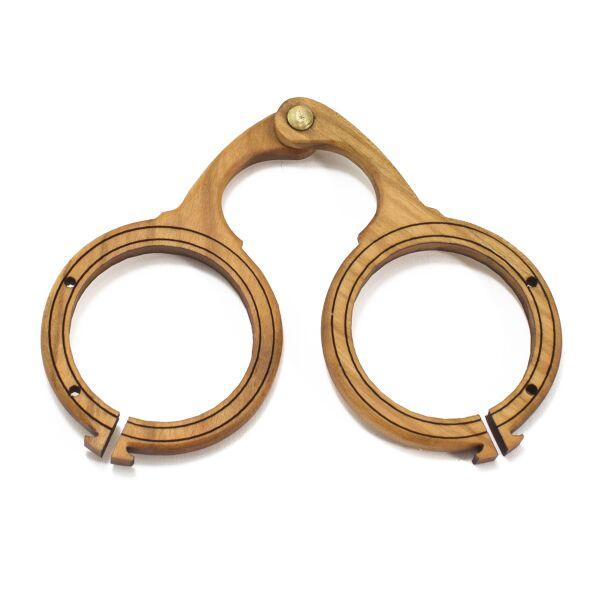
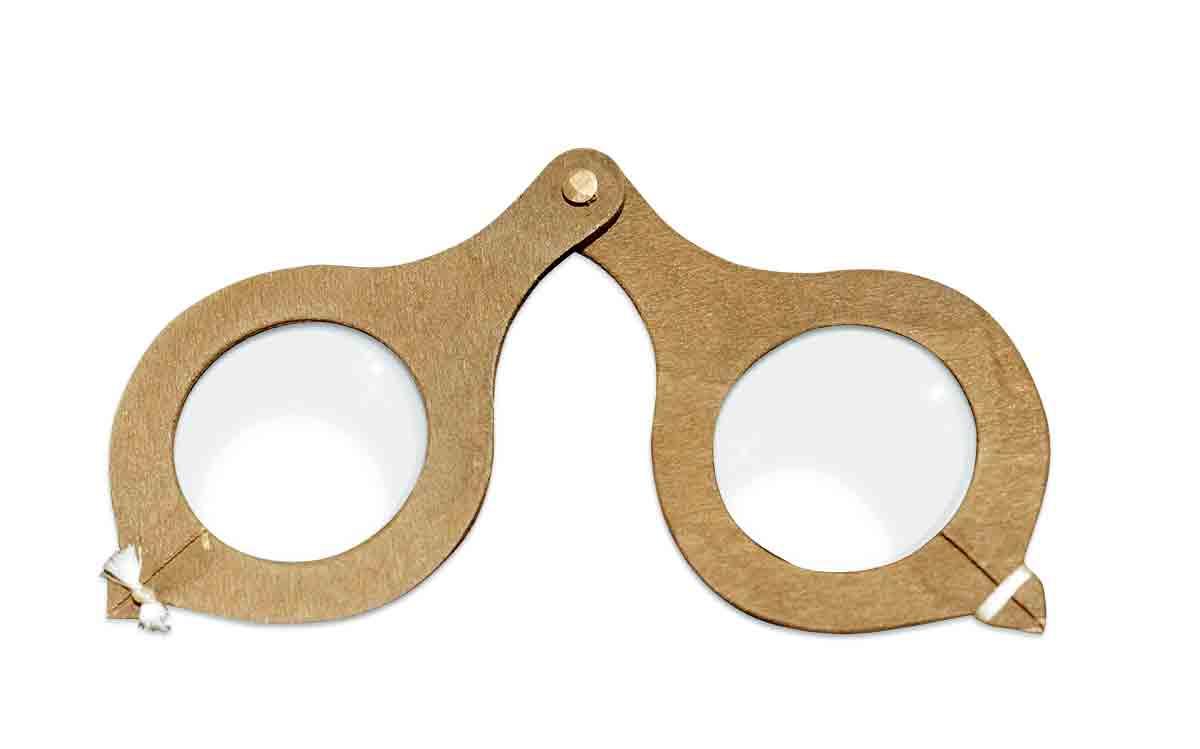
The first wearable glasses appeared in Italy around 1286–1300. They were very simple:
- Two magnifying lenses set into frames
- No arms (they were hand-held or pinched on the nose)
- Used mainly by monks and scholars for reading manuscripts

👓 Who invented glasses?
There is no single confirmed inventor, but a few key figures and ideas:
- Salvino D’Armate (legendary attribution, 13th century Italy)
- Often credited in later stories as the inventor
- Likely not historically verified as the sole inventor
- Salvino D’Armate
- More likely:
- Glass-making and lens-making knowledge developed gradually in Italy
- Monks and craftsmen collectively contributed
📈 How glasses evolved
- 1300s–1400s: Hand-held reading stones and early spectacles
- 1500s: Glasses with riveted frames and better lens quality
- 1700s: Introduction of temples (arms) to hook over ears
- 1800s–1900s: Modern optical science improves prescriptions
- Today: Lightweight materials, progressives, blue light lenses, etc.
🧠 Why Italy?
Northern Italy (especially Venice) was a major center for:
- Glassmaking (Murano glass industry)
- Trade and scientific innovation
- Monastic scholarship (high demand for reading help)
✔️ In short
Glasses were invented around the late 1200s in Italy, and they started as simple reading tools before evolving into the modern eyewear we use today.
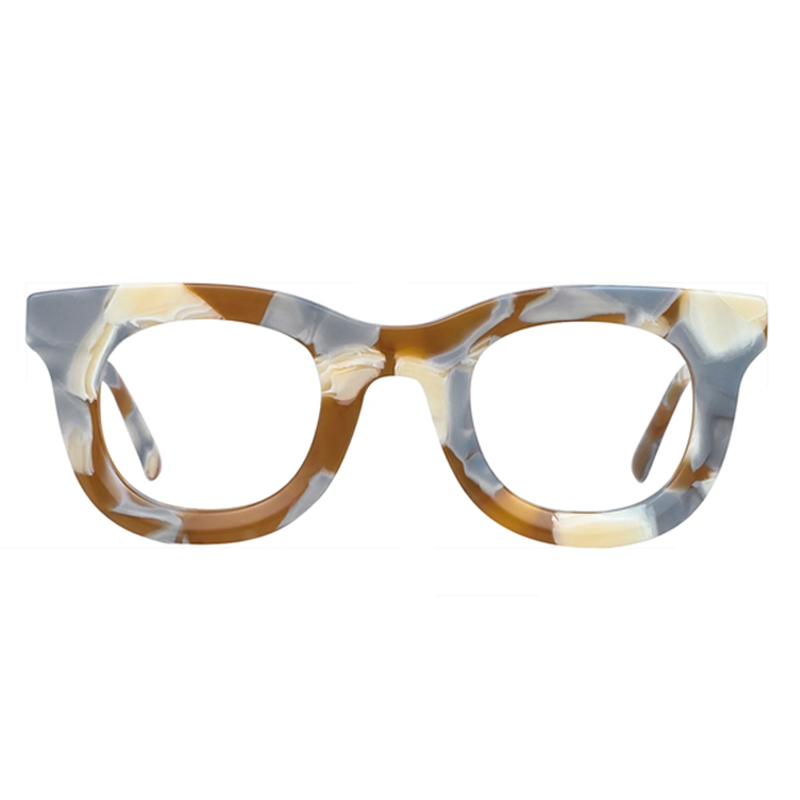
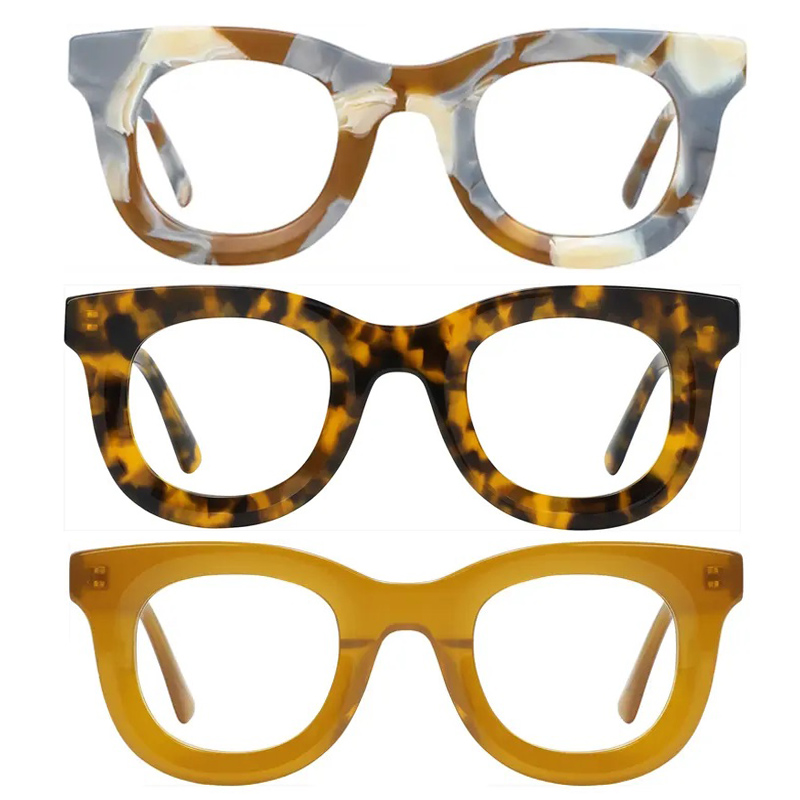
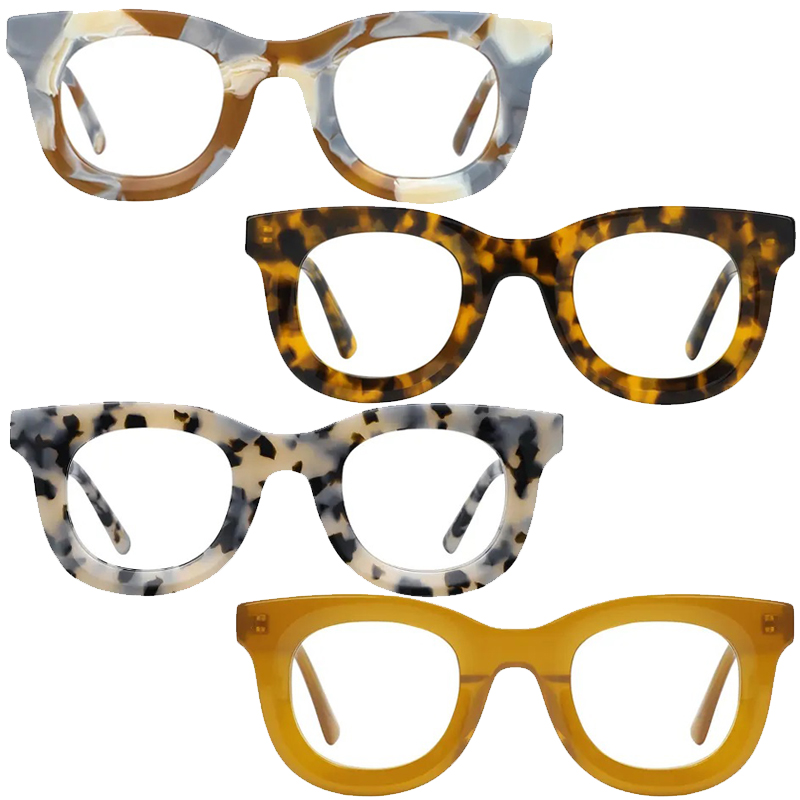
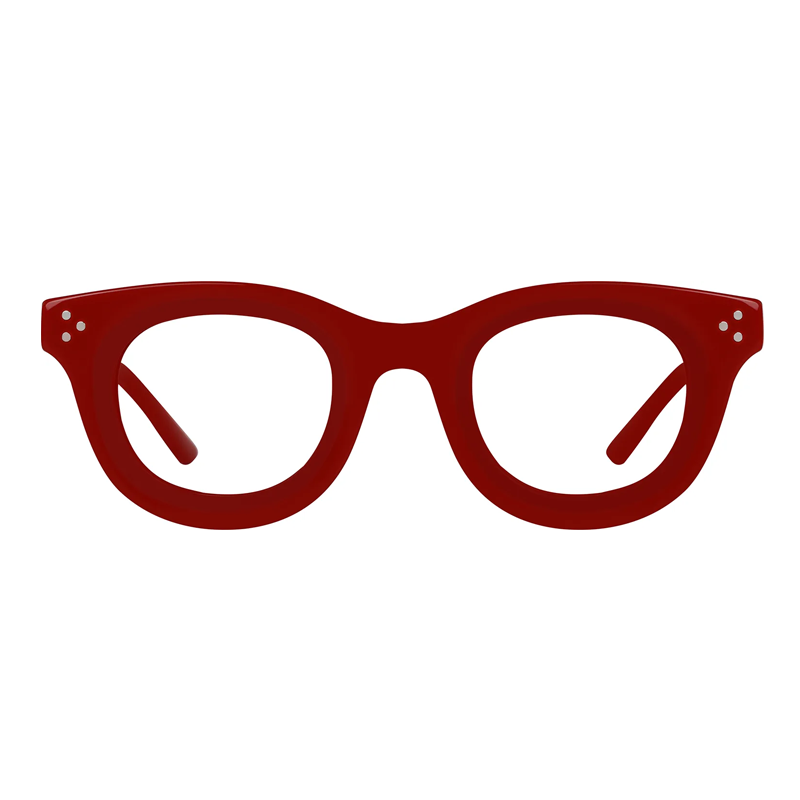
https://scoolglasses.com/products/square-glasses-69-5002





-3.jpg?w=800&h=800)







.jpg?w=1024&h=1024)

-7.png?w=1024&h=1024)