
-21.png?w=1024&h=1024)
Green lens sunglasses aren’t just a style choice—they’re one of the most versatile and comfortable lens options for everyday use. They strike a balance between glare reduction, color accuracy, and eye comfort, making them a favorite for both casual wear and outdoor activities.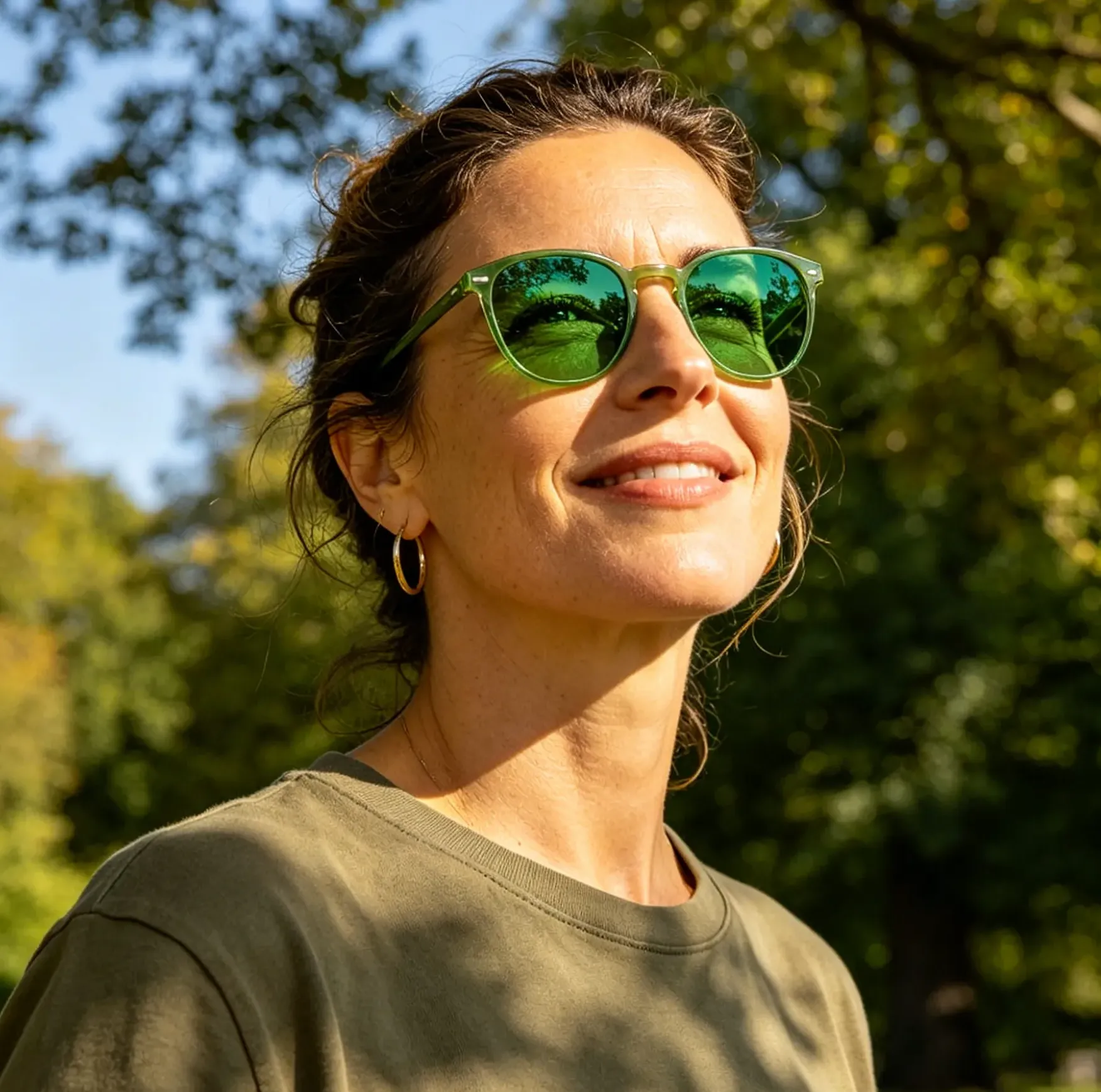
What Green Lenses Do
Green-tinted lenses filter light evenly across the visible spectrum. Unlike darker tints that may distort colors, green lenses:
- Reduce overall brightness without overly dimming your view
- Maintain relatively natural color perception
- Improve contrast in moderate to bright light conditions
This makes them especially useful when you need clarity without sacrificing realism in what you see.
Key Advantages
1. Better Contrast and Visual Clarity
Green lenses enhance contrast while keeping colors true-to-life. This is helpful in environments where distinguishing subtle differences matters—like driving or outdoor sports.
2. Reduced Eye Strain
Because they balance light rather than heavily blocking specific wavelengths, green lenses are easier on your eyes over long periods. They’re a solid choice for all-day wear.
3. Glare Reduction
Green lenses cut down glare from reflective surfaces (like water or roads), especially when combined with polarization. This improves comfort and safety in bright conditions.
4. Versatility
They perform well in a wide range of lighting conditions—from partly cloudy to sunny days—making them more adaptable than very dark or highly specialized tints.
Common Uses
Driving
Green lenses help reduce glare from the road and surrounding vehicles while preserving accurate color recognition (like traffic signals).
Outdoor Sports
They’re popular for activities like golf, hiking, and cycling because they enhance contrast without distorting terrain colors.
Everyday Wear
If you want one pair of sunglasses for general use, green lenses are among the most practical options.
Water Activities (with Polarization)
For fishing or boating, green polarized lenses help cut surface glare and improve visibility into the water.
How They Compare to Other Lens Colors
- Gray lenses: Best for true color perception but can feel flat in contrast
- Brown/amber lenses: Boost contrast more aggressively but alter color tones
- Yellow lenses: Great in low light but too bright for sunny conditions
Green sits right in the middle—offering both contrast and color accuracy.
Who Should Choose Green Lenses?
Green lens sunglasses are ideal if you:
- Want a natural-looking view with mild contrast enhancement
- Spend long hours outdoors
- Need a reliable, all-purpose lens
- Prefer comfort over extreme tint effects
Final Thought
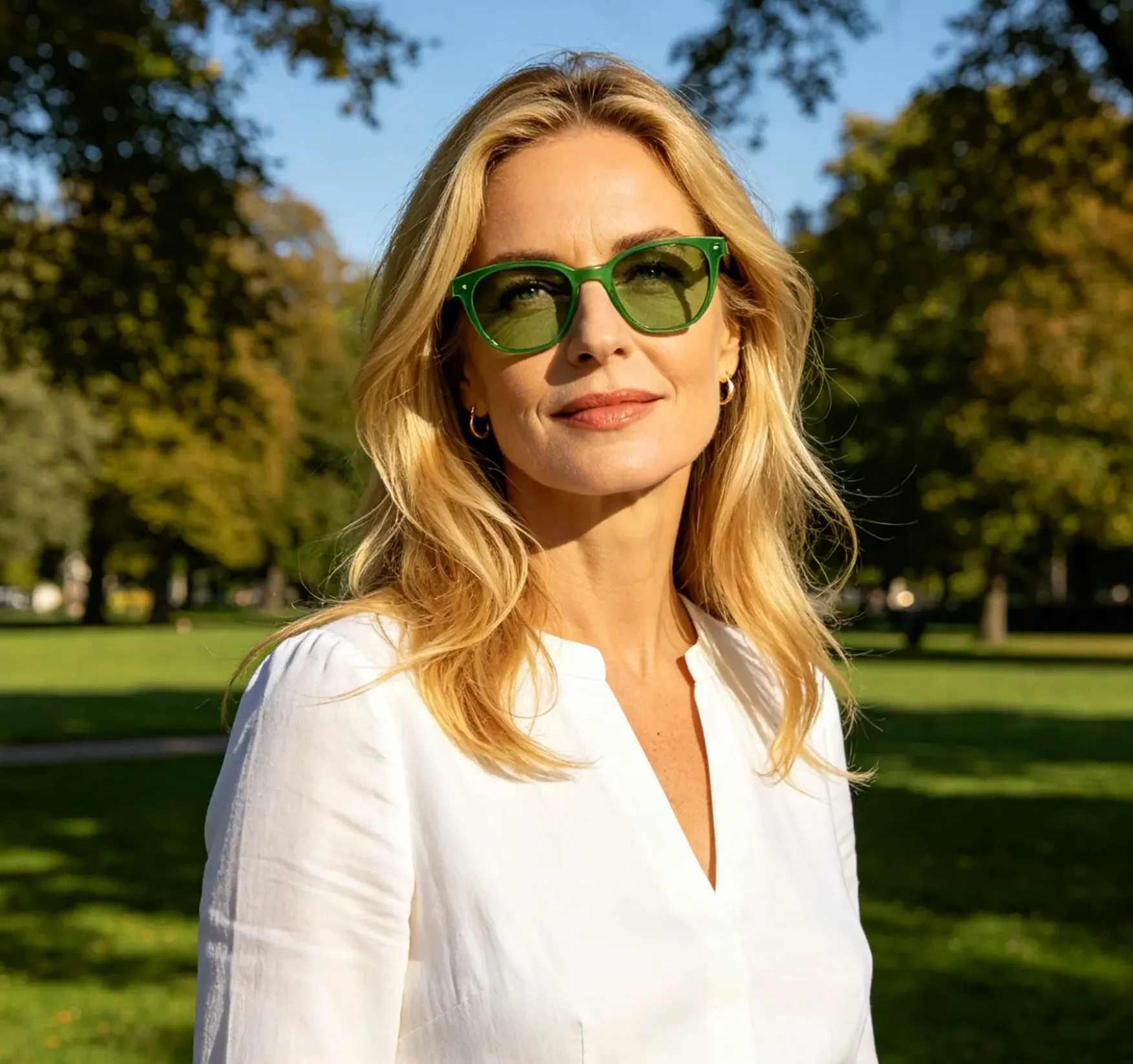
If you’re looking for a balanced, everyday lens that reduces glare, enhances clarity, and keeps colors realistic, green sunglasses are hard to beat. They’re not the most specialized option—but that’s exactly why they work so well for so many situations.




-1.png?w=2048&h=2048)
.png?w=2048&h=2048)

.jpg?w=569&h=569)

-14--1.png?w=2048&h=2048)


-1.png?w=2048&h=2048)