
.png?w=2048&h=2048)
Getting prescription sunglasses is straightforward once you know the steps—and a few smart choices can save you money and frustration.
-6.png?w=2048&h=2048)
Step 1: Get an up-to-date eye exam
Start with a valid prescription from an optometrist or ophthalmologist. Exams check for vision changes and screen for conditions like Cataracts or Glaucoma.
Tip: Ask for your PD (pupillary distance)—you’ll need it for ordering glasses online.
Step 2: Choose your frame style
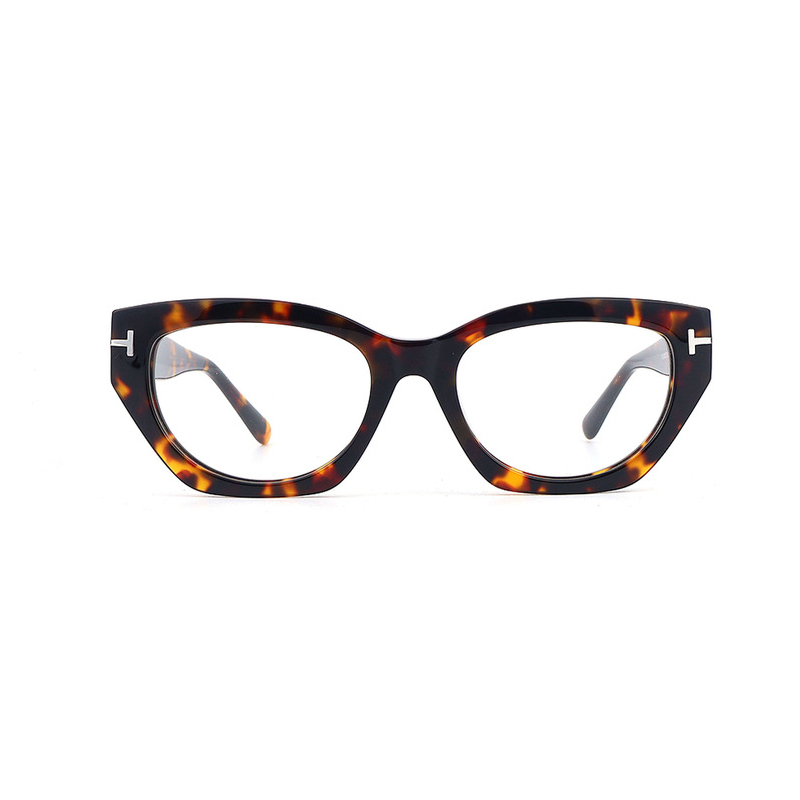
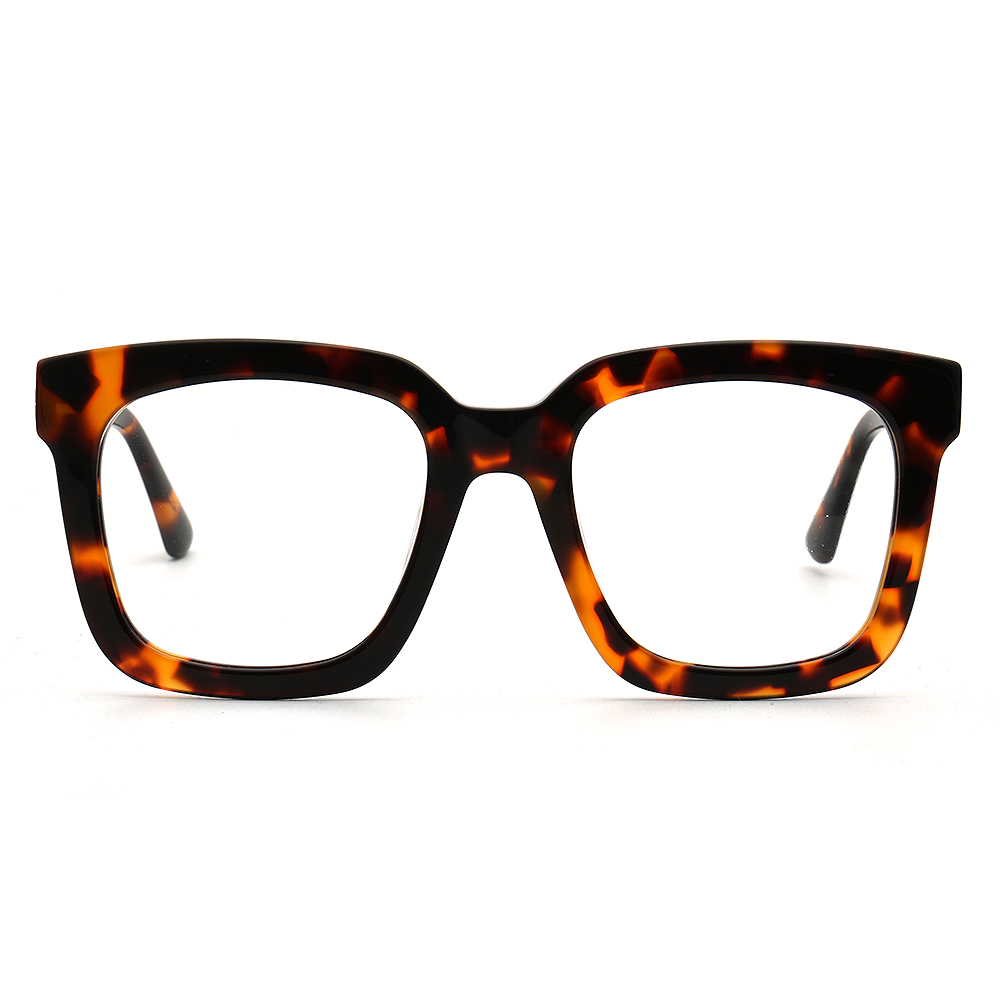
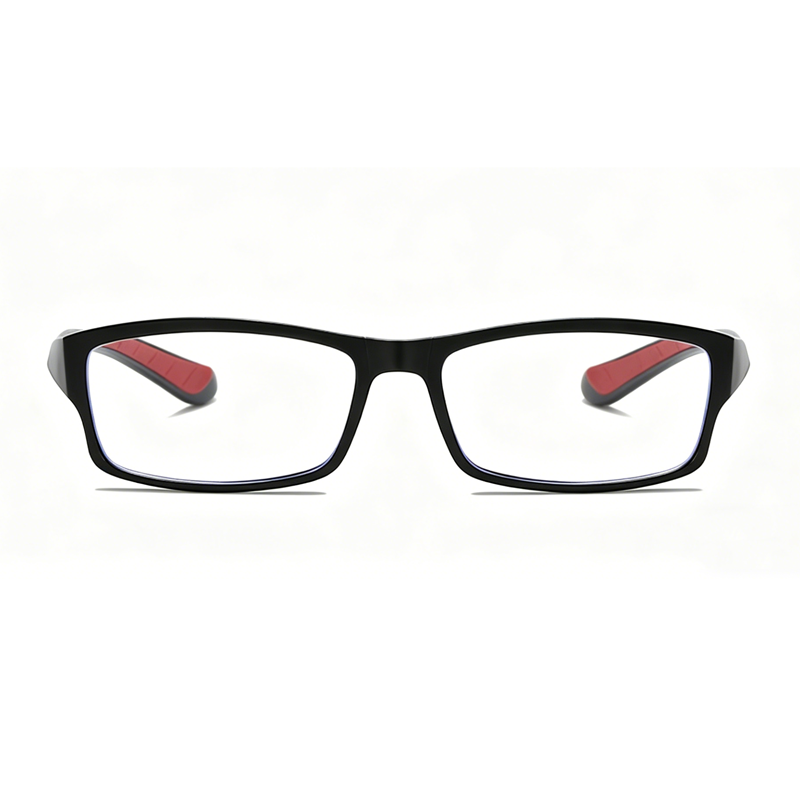
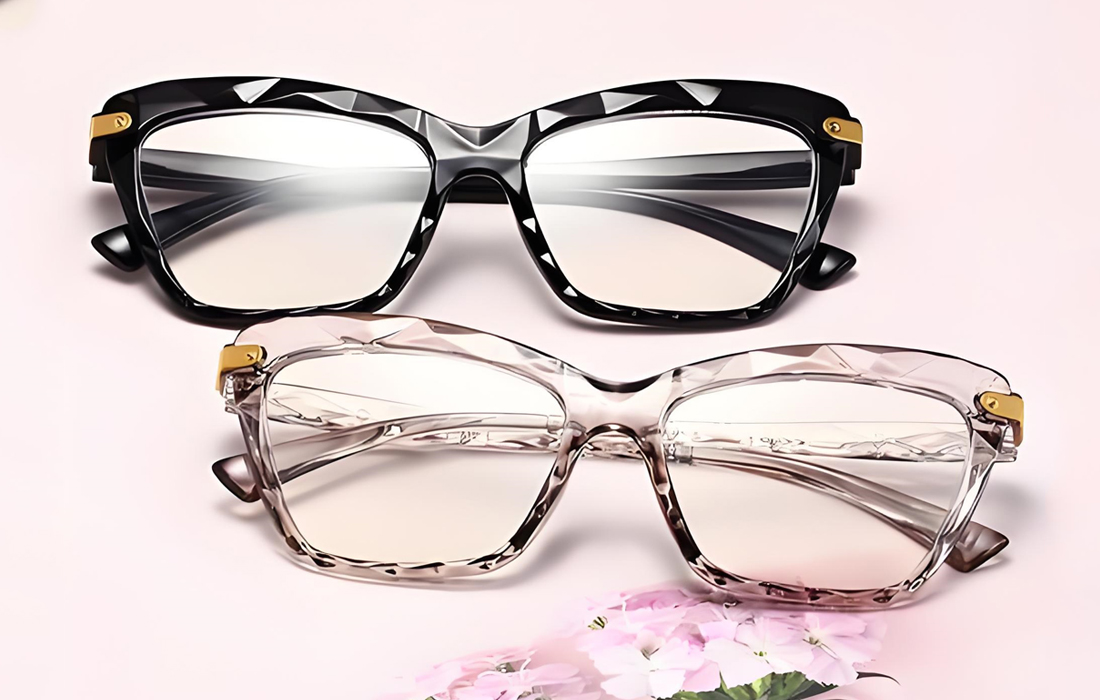
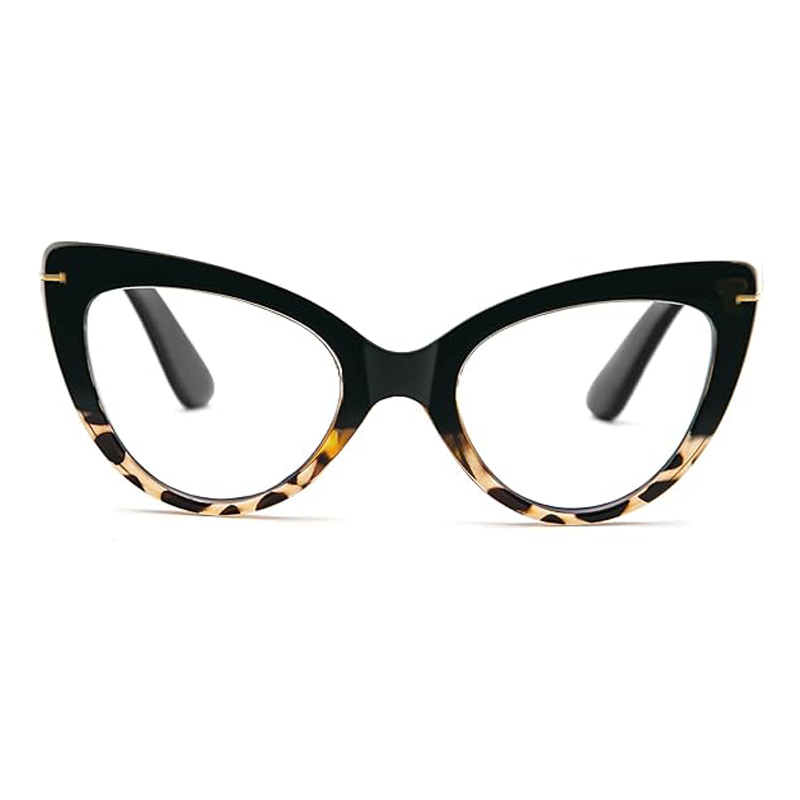
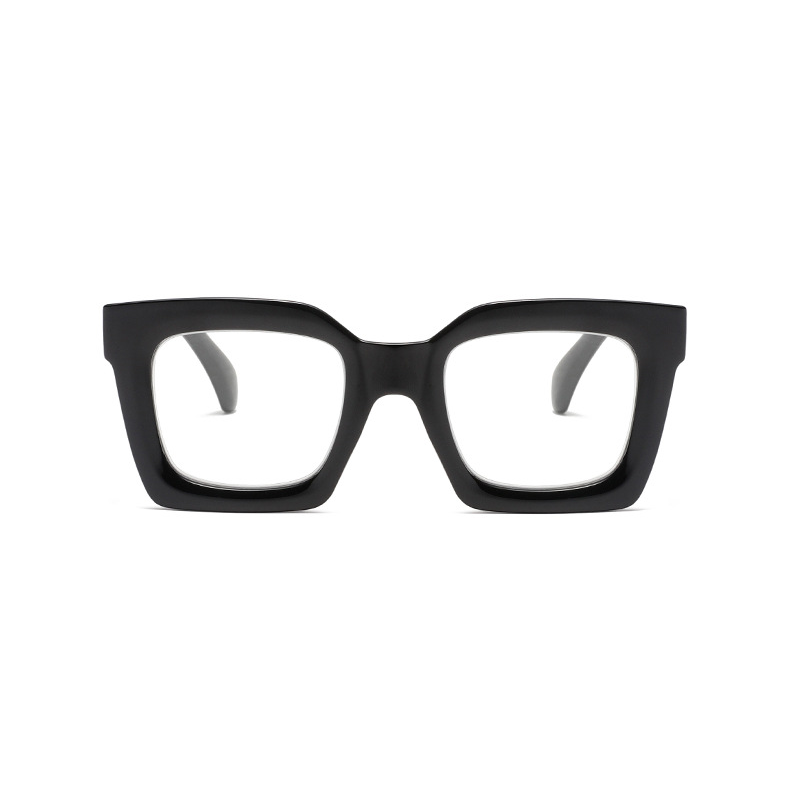
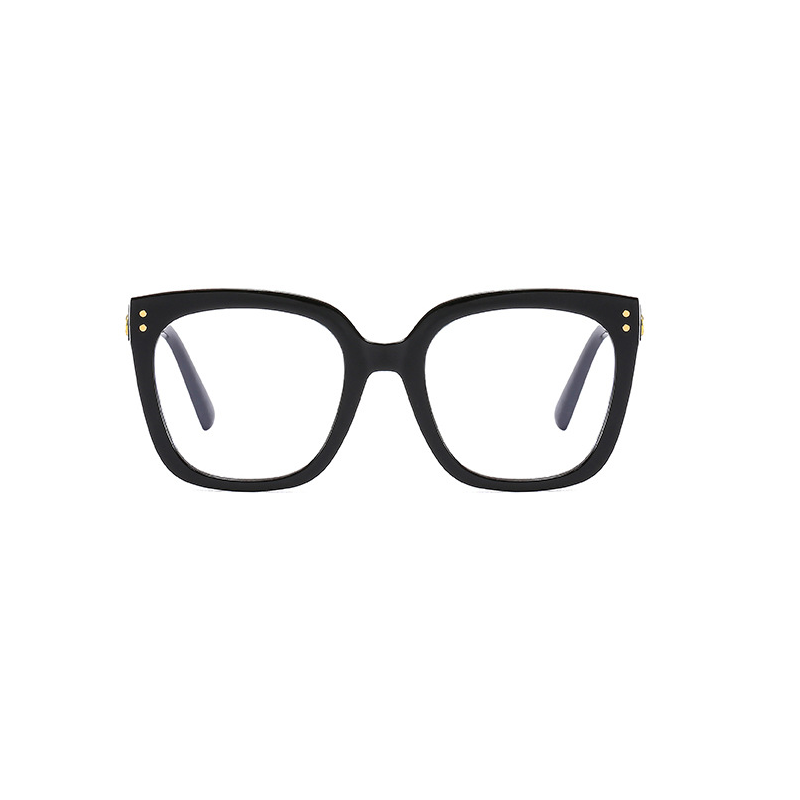
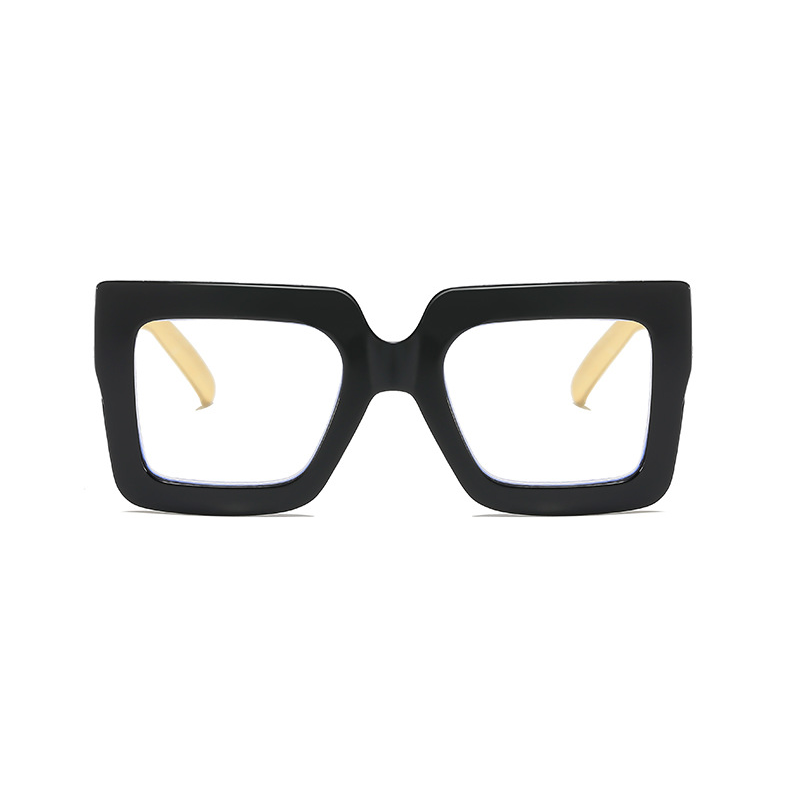
Pick frames that fit comfortably and work well as sunglasses:
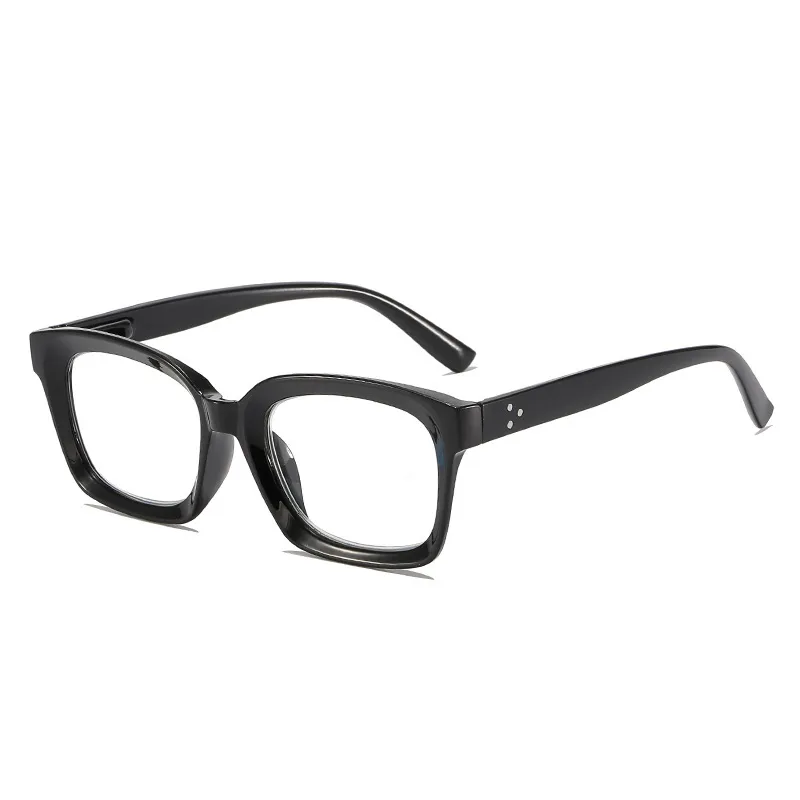
- Wraparound frames → better sun protection from the sides
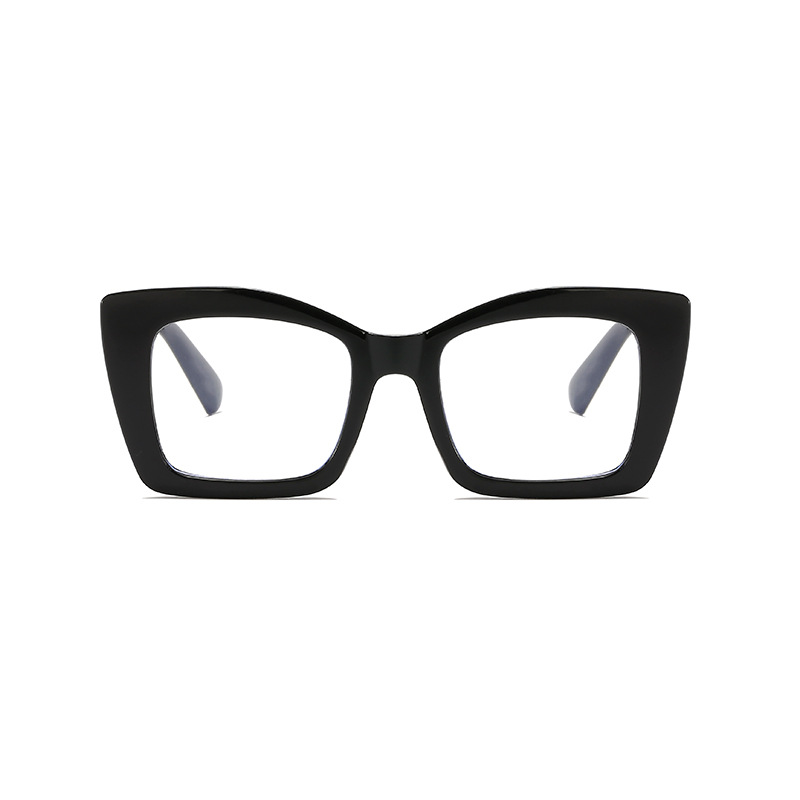
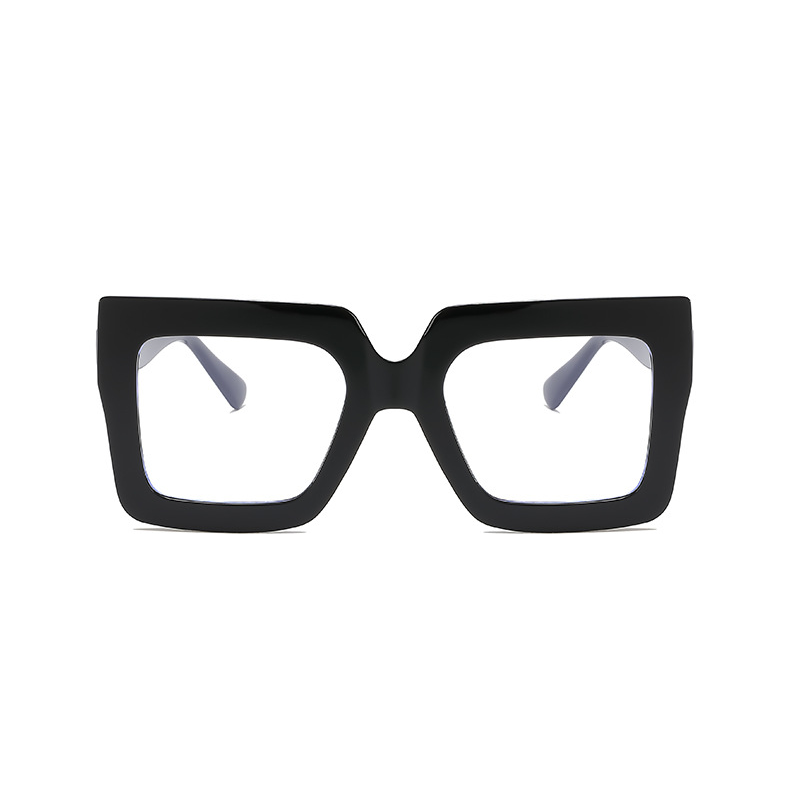
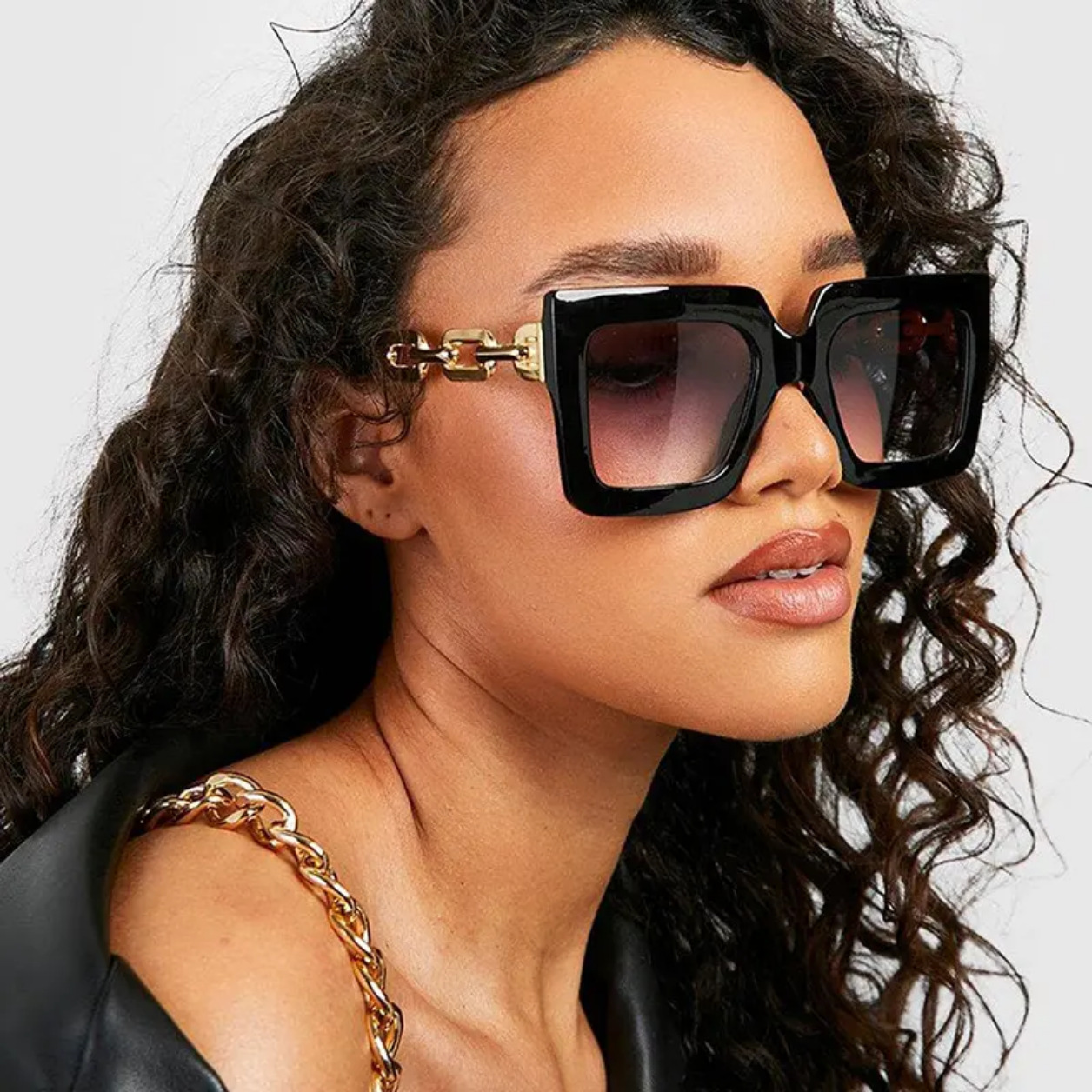
- Larger lenses → more coverage, less glare
- Lightweight materials → more comfortable for long wear
If you’re active, look for secure, snug-fitting frames.
Step 3: Pick the right lens type
This is where most of the value comes from.
Lens options
- Single vision → for distance or reading
- Progressive lenses → no-line multifocal (great for everyday use)
- Bifocals → visible reading segment
Must-have features
- 100% UV protection (UV400) → non-negotiable
- Polarized lenses → reduce glare from water, roads, and snow
- Impact-resistant materials → like polycarbonate for safety
Step 4: Choose lens color (it matters more than you think)
Different tints serve different purposes:
- Gray → natural color, best for bright sun
- Brown/amber → boosts contrast (good for driving)
- Yellow → enhances contrast in low light (not ideal for strong sun)
- Green → balanced contrast + color accuracy
Step 5: Decide where to buy
In-store (optical shops)
- Try before you buy
- Professional fitting and adjustments
- Usually more expensive
Online retailers
Popular options include Warby Parker and Zenni Optical:
- Much cheaper
- Wide selection
- Requires accurate measurements
Step 6: Consider add-ons (optional but useful)
- Anti-reflective coating → reduces glare from behind
- Scratch-resistant coating → longer lens life
- Mirror coating → extra glare reduction + style
- Photochromic lenses → automatically darken in sunlight
Step 7: Know the cost
Typical price ranges:
- Budget online: $50–$150
- Mid-range: $150–$300
- Premium brands: $300+
Insurance or FSA/HSA funds can often be used.
Common mistakes to avoid
- Buying non-UV-protected lenses (can harm your eyes)
- Choosing style over fit and coverage
- Skipping polarization if you drive a lot
- Using an outdated prescription
Bottom line
The best prescription sunglasses combine:
- Accurate prescription
- Full UV protection
- Comfortable, well-fitting frames
- Lens features matched to your lifestyle
Get those right, and you’ll have sunglasses that not only look good—but genuinely protect your vision.
https://scoolglasses.com/products/round-glasses-mj-em23103


-1.png?w=2048&h=2048)
-74.png?w=896&h=1200)




.jpg?w=569&h=569)

-14--1.png?w=2048&h=2048)


-1.png?w=2048&h=2048)