

Eyeglass frames have come a long way from simple handcrafted tools to precision-engineered fashion and performance accessories. Their evolution reflects changes in technology, lifestyle, and even how we think about vision correction itself.
1. Early frames: function before comfort
The earliest vision aids weren’t really “frames” in the modern sense. Around the 13th–15th centuries, early spectacles were made with:
- Wood
- Bone
- Leather
- Iron or basic metal wire
These early designs were held by hand or pinched onto the nose—uncomfortable, but revolutionary for improving reading vision.


2. Industrial era: metal frames become standard
By the 18th–19th centuries, eyeglasses became more wearable thanks to mass production and improved metallurgy.
Common materials included:
- Steel
- Brass
- Nickel silver
Key innovation: temples (side arms) that rest on the ears—finally making glasses stable for daily wear.
This era marks the shift from “tool for reading” to “everyday accessory.”
3. 20th century: the rise of acetate and style
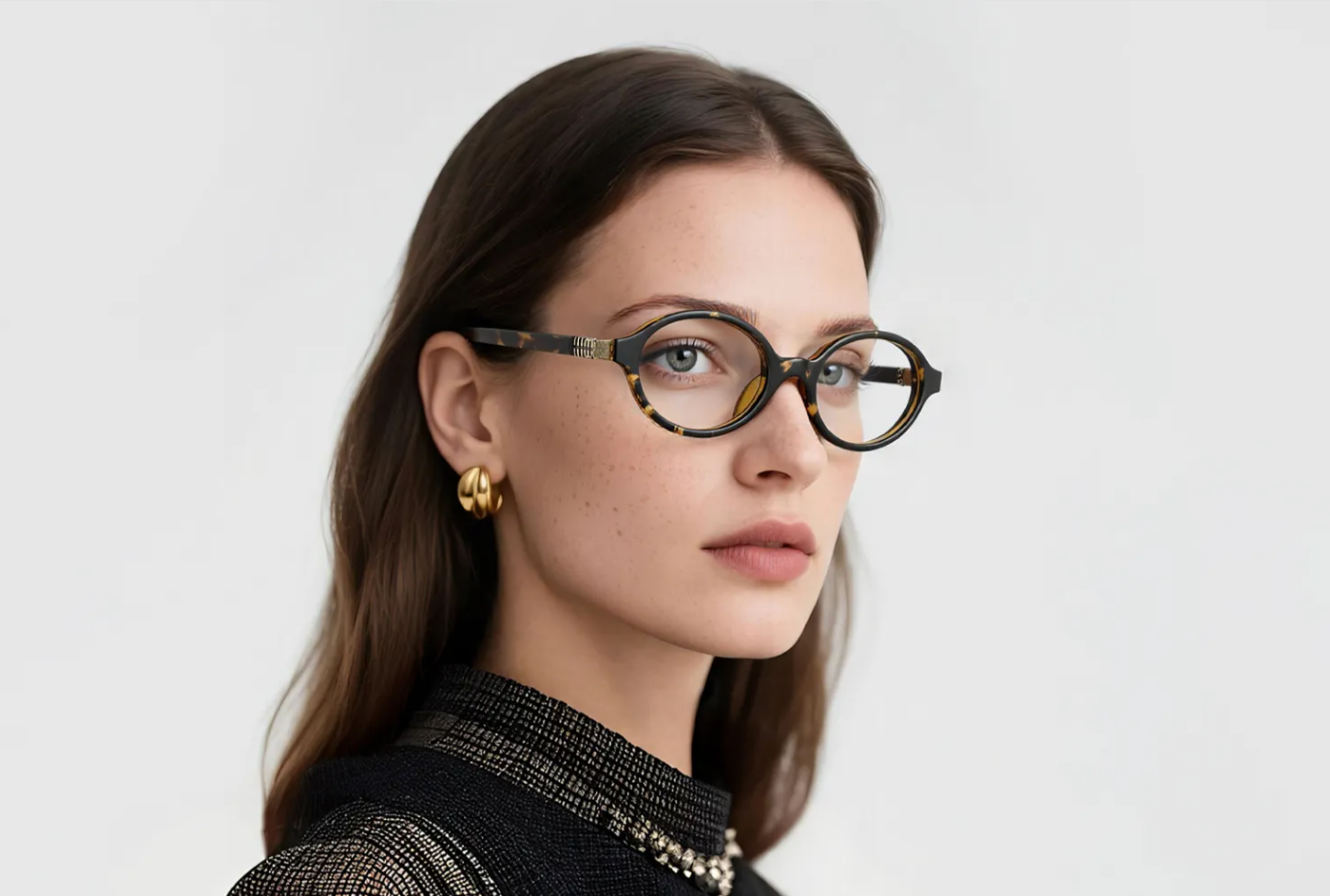
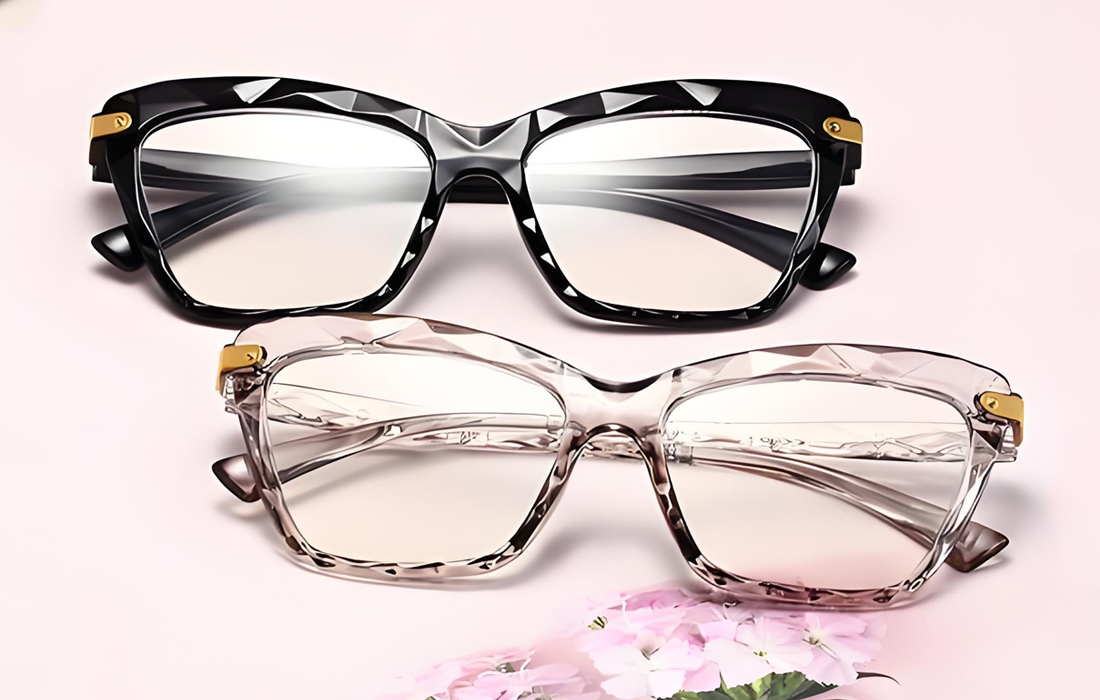
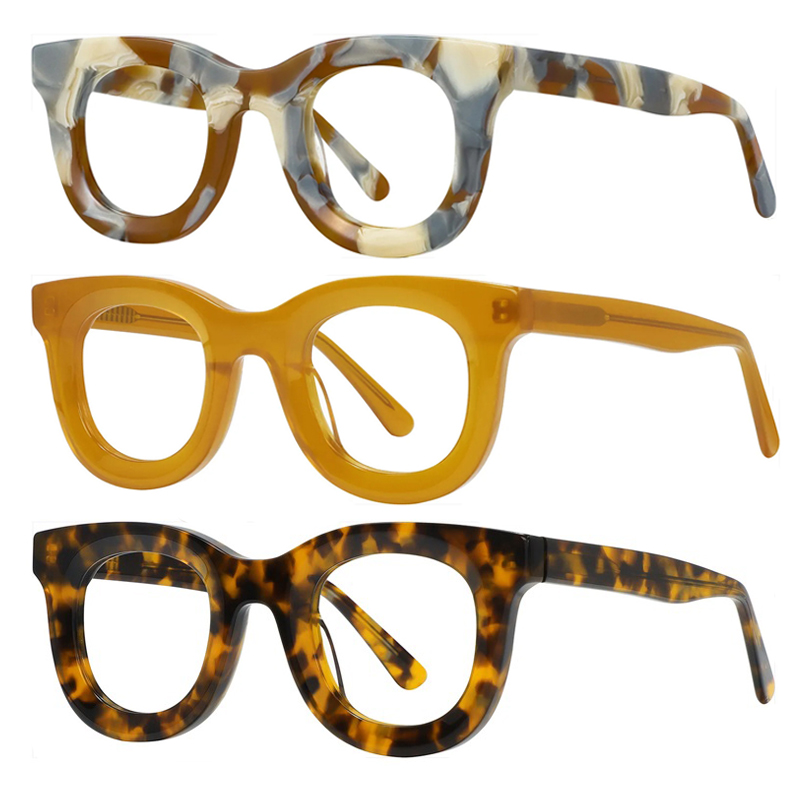
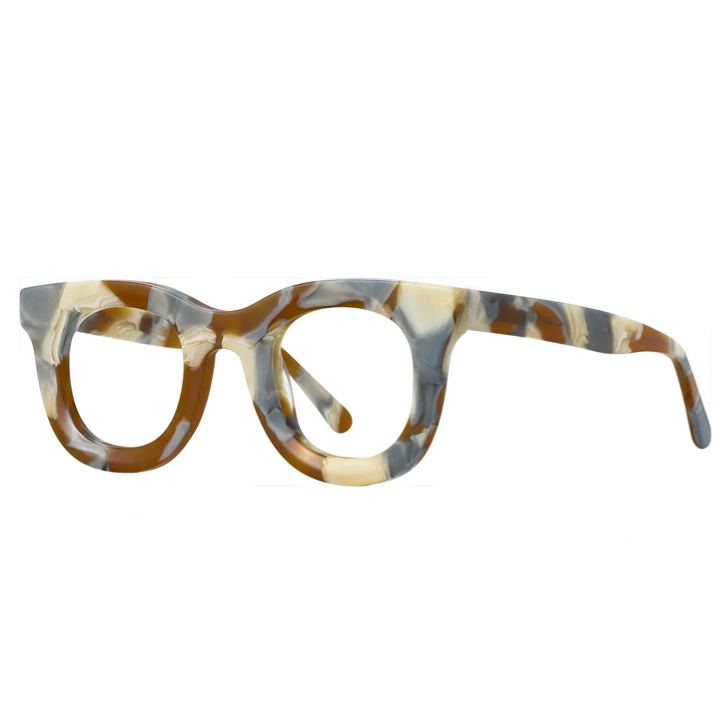
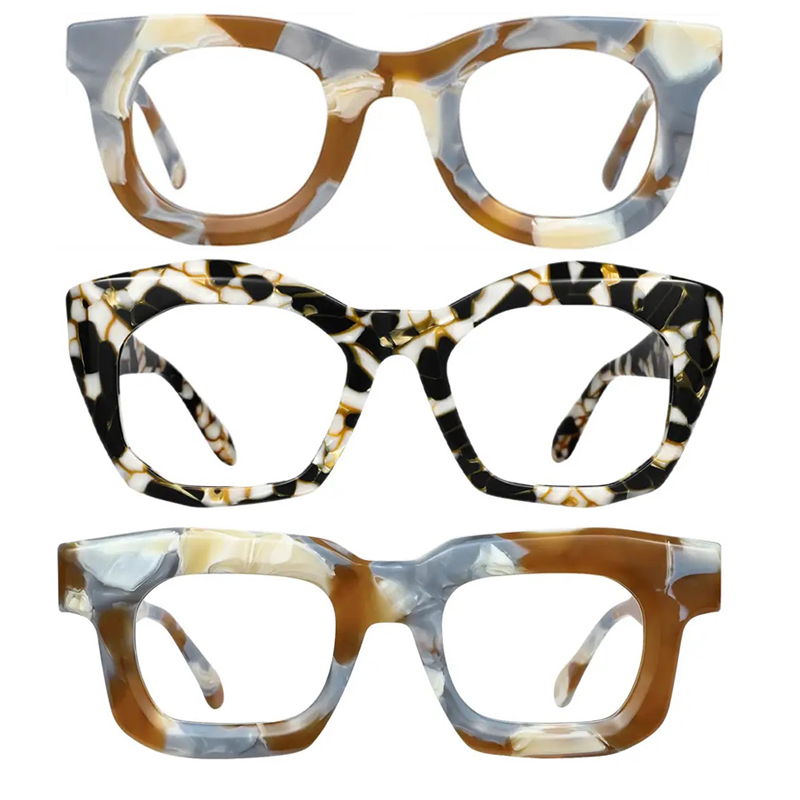
The biggest transformation came with the introduction of cellulose acetate, a plant-based plastic. It allowed for:
- Bold colors and patterns
- Lightweight comfort
- Mass-market fashion eyewear
This is when glasses started to become part of personal style, not just vision correction.


4. Modern materials: engineered for performance
Today’s frames are designed with advanced materials that balance strength, flexibility, and weight.
Common modern materials:
- Titanium – ultra-light, corrosion-resistant, hypoallergenic
- Stainless steel – durable and flexible
- TR-90 (thermoplastic) – extremely lightweight and bend-resistant
- Memory metal (NiTi alloys) – returns to original shape after bending
- Carbon fiber – strong, lightweight, high-performance aesthetic
These materials support everything from luxury fashion frames to sports eyewear.
5. The design revolution: comfort + customization
Modern frame design focuses on:
- Ergonomics (pressure-free fit)
- Lightweight construction
- Skin-friendly materials
- 3D-printed customization (emerging trend)
Eyewear is now engineered almost like wearable tech, especially for active lifestyles and all-day screen use.
6. Where we are now: smart and sustainable eyewear
The latest evolution isn’t just physical—it’s conceptual:
- Recycled acetate and eco-materials
- Biodegradable plastics
- Smart glasses with digital displays (early-stage adoption)
- Modular frame systems for interchangeable parts
The goal is no longer just durability or style—it’s adaptability.
Bottom line
Eyeglass frames have evolved from fragile handcrafted tools into high-performance, design-driven products. Each material shift—wood to metal, acetate to titanium, and now smart composites—reflects a deeper goal: making vision correction lighter, stronger, and more personal than ever.
https://scoolglasses.com/products/geometric-glasses-wr-87193