


What Are Progressive Eyeglasses? A Comprehensive Guide for the Curious Wearer
If you've started holding books farther away, struggling to read menus in dim light, or constantly switching between different pairs of glasses, you may have heard about progressive eyeglasses. These lenses offer a convenient way to see clearly at multiple distances without the visible lines found in traditional bifocals or trifocals.
What Are Progressive Eyeglasses?
Progressive eyeglasses contain multiple vision correction powers blended smoothly into a single lens. They are designed to help people who need correction for:
- Distance vision
- Intermediate vision (such as computer work)
- Near vision (such as reading)
Unlike bifocal lenses, progressive lenses have no visible dividing lines. The transition between viewing zones is gradual, creating a more natural visual experience.

How Do Progressive Lenses Work?
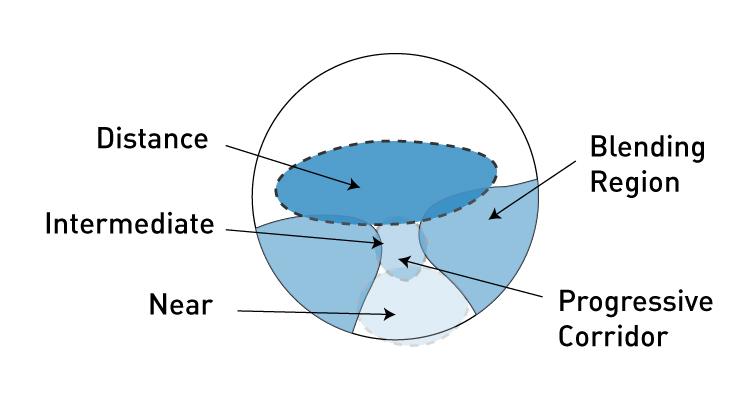
A progressive lens is divided into three primary viewing areas:
Upper Portion: Distance Vision
The top section helps you see objects far away, making it ideal for driving, watching television, or outdoor activities.
Middle Portion: Intermediate Vision
The center area is optimized for arm's-length viewing, such as working on a computer, viewing a dashboard, or cooking.
Lower Portion: Near Vision
The bottom section provides magnification for reading books, smartphones, labels, and other close-up tasks.
The lens power changes gradually from top to bottom, allowing seamless transitions between distances.
Who Needs Progressive Lenses?
Progressive lenses are commonly prescribed for people with Presbyopia, a natural age-related condition that typically begins in the early to mid-40s.
You may benefit from progressive lenses if you:
- Need reading glasses but also require distance correction
- Frequently switch between near and far tasks
- Spend time on computers and digital devices
- Prefer a single pair of glasses for daily activities
Benefits of Progressive Eyeglasses
Convenient All-in-One Vision Correction
Instead of carrying separate reading and distance glasses, progressive lenses combine multiple prescriptions into one pair.
No Visible Lines
The absence of lens lines gives progressive glasses a modern appearance and avoids the abrupt image jumps associated with bifocals.
Natural Vision Transitions
Progressive lenses allow your eyes to move smoothly between different focal distances.
Suitable for Active Lifestyles
They can be useful for everyday activities such as:
- Driving
- Reading
- Computer work
- Shopping
- Outdoor activities
Potential Challenges
While many people adapt successfully, progressive lenses can require an adjustment period.
Adaptation Time
New wearers may need several days or weeks to become comfortable moving their eyes and head correctly through different lens zones.
Peripheral Distortion
Some progressive lenses may create slight blur or distortion at the lens edges, particularly in lower-cost designs.
Cost
Progressive lenses generally cost more than single-vision lenses because of their advanced design and customization.
Types of Progressive Lenses
Standard Progressive Lenses
Provide basic multi-distance vision correction and are often the most affordable option.
Premium Progressive Lenses
Feature wider viewing zones, reduced distortion, and more customized designs.
Occupational or Computer Progressives
Designed primarily for office work and extended computer use, with larger intermediate and near-vision areas.
Personalized Progressives
Customized based on factors such as frame shape, prescription, and wearing habits.
Tips for Adjusting to Progressive Lenses
- Wear them consistently rather than switching back and forth to old glasses.
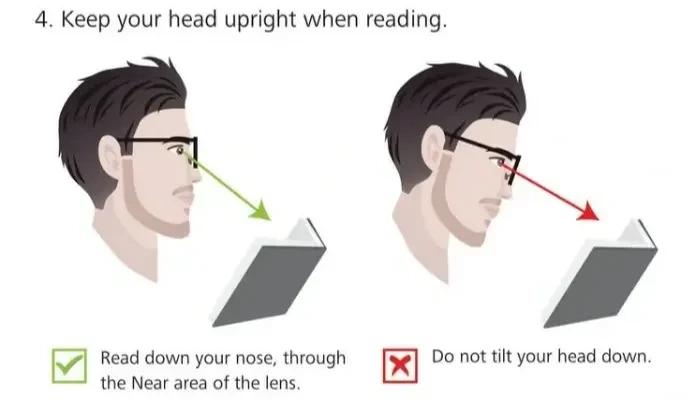
- Point your nose toward the object you're viewing.
- Move your head instead of only your eyes when looking through side areas.
- Practice reading and walking with the new lenses.
- Allow time for adaptation before deciding whether the lenses are suitable.
Choosing the Right Progressive Lenses
When selecting progressive lenses, consider:
- Your prescription strength
- Daily activities and work environment
- Frame size and shape
- Lens material and index
- Lens coatings such as anti-reflective and scratch-resistant coatings
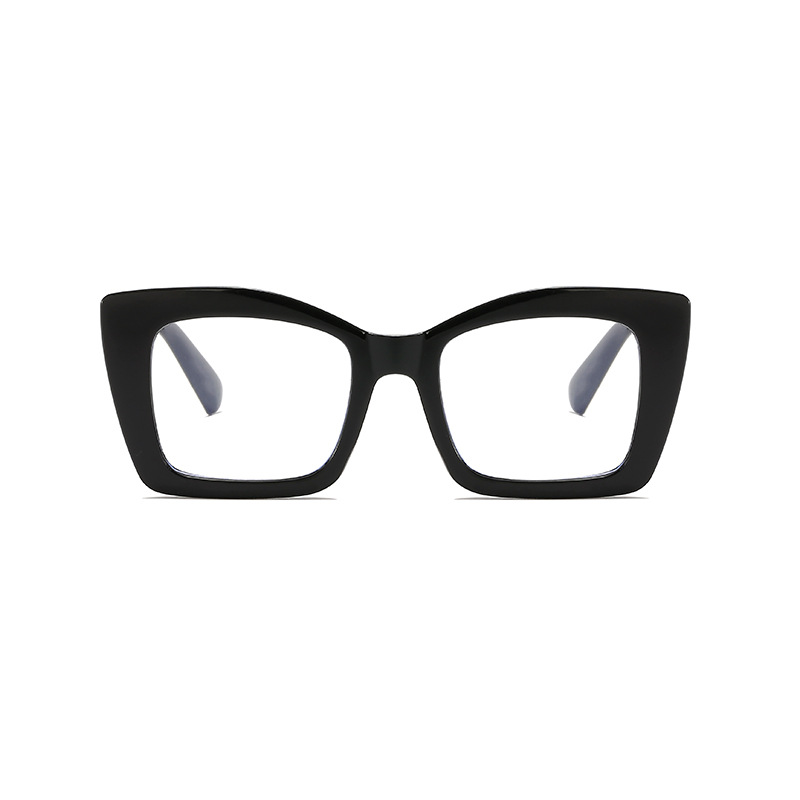
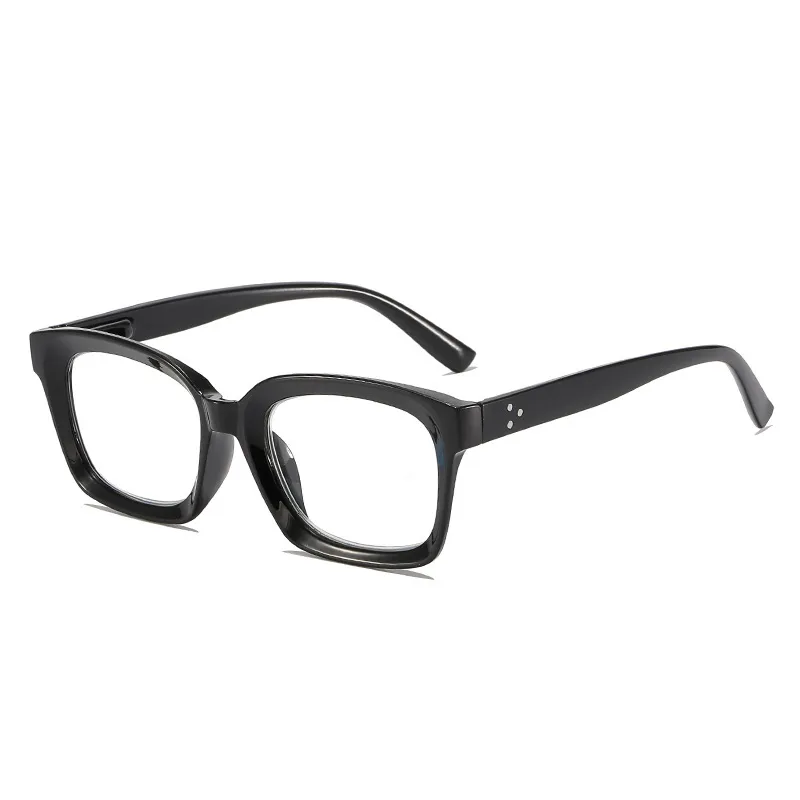
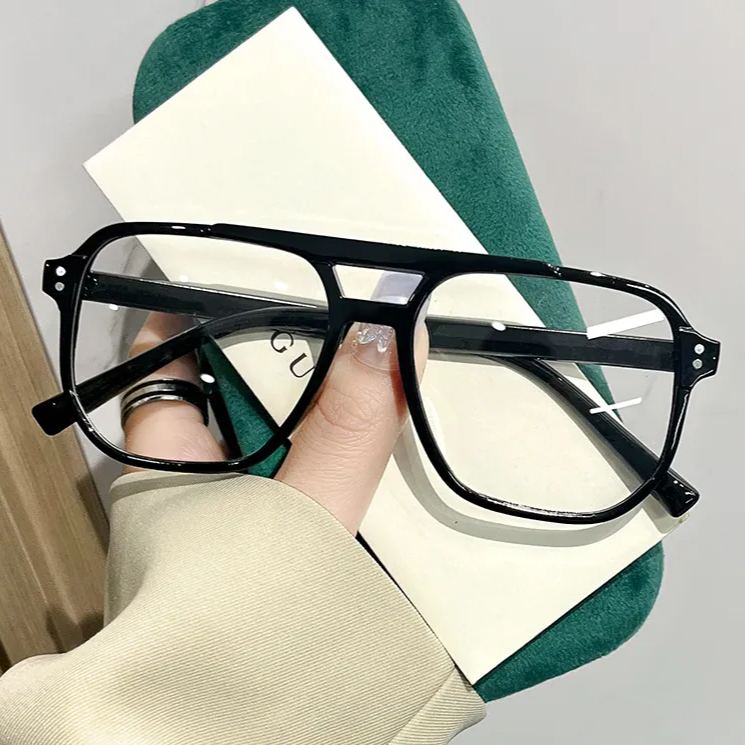
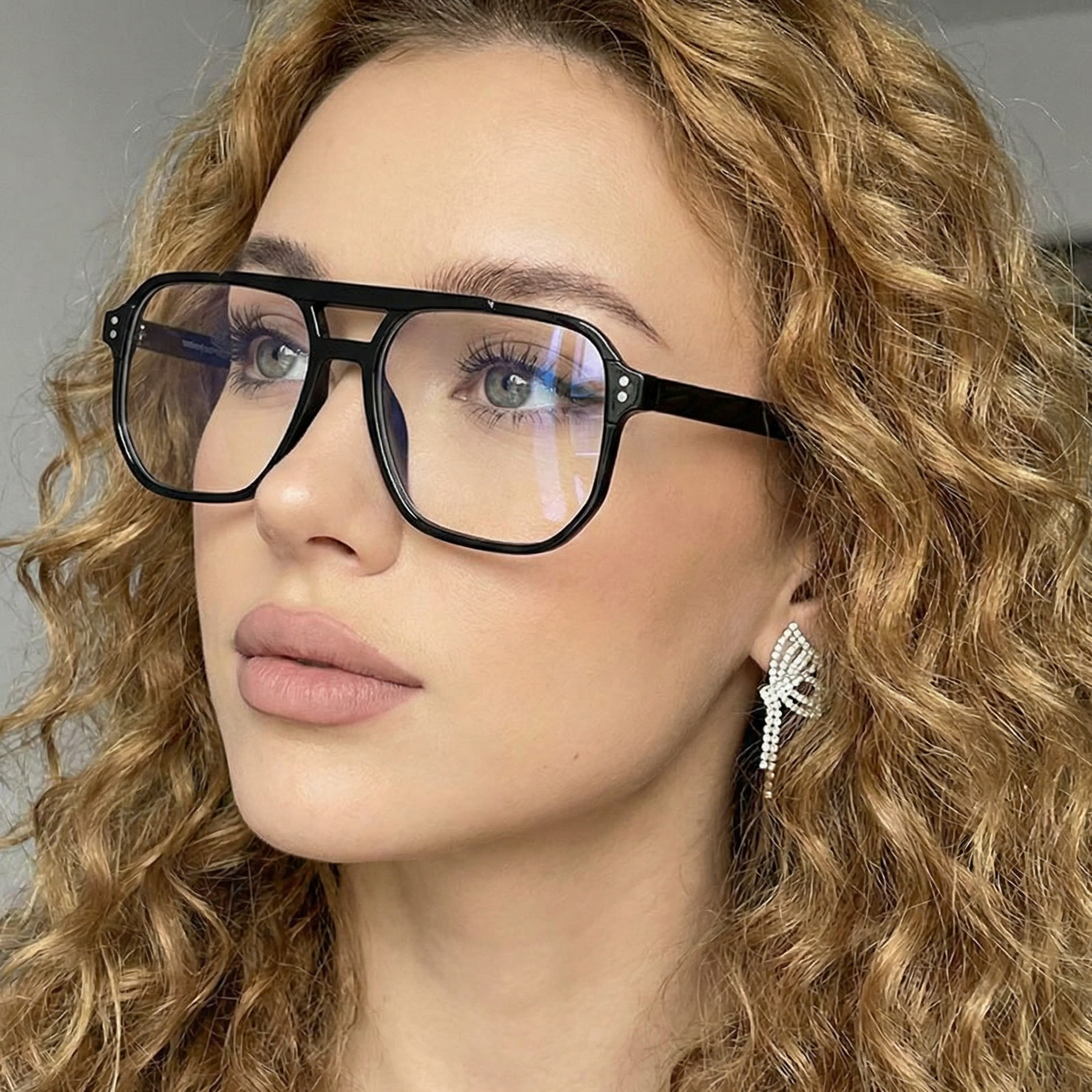
A larger frame often provides more room for the different viewing zones, which can improve comfort.
Progressive Lenses vs. Bifocals
| Feature | Progressive Lenses | Bifocals |
|---|---|---|
| Visible Line | No | Yes |
| Distance Vision | Yes | Yes |
| Intermediate Vision | Yes | Usually limited |
| Near Vision | Yes | Yes |
| Appearance | Modern and seamless | Visible segment line |
| Visual Transition | Smooth | Abrupt |
Are Progressive Lenses Worth It?
For many people with presbyopia, progressive lenses provide a convenient and aesthetically pleasing solution for seeing clearly at all distances. Although there may be an initial adjustment period, the ability to handle distance, computer, and reading tasks with a single pair of glasses makes them a popular choice among adults who need multifocal vision correction.
https://scoolglasses.com/products/rectangle-glasses-mj-tj2522-46.png?w=1024&h=1024)

-6.png?w=2048&h=2048)












.png?w=2048&h=2048)
-14--1.png?w=2048&h=2048)