

What is the Difference Between Bifocal Reading Glasses and Regular Reading Glasses?
Finding the right pair of reading glasses isn’t just about clarity—it’s about comfort, convenience, and supporting your day-to-day vision needs. If you’ve ever found yourself squinting at your phone or holding a book at arm’s length, you’ve probably started exploring the world of reading glasses. But as you shop, you’ll encounter choices such as regular reading glasses and bifocal reading glasses. What exactly is the difference, and which is best for you? Let’s break it down in this comprehensive guide.
---
Introduction
Choosing the right type of glasses can make a world of difference for your eyes. Whether you’re experiencing age-related presbyopia or simply need a little help focusing on small print, understanding your options is key. In this article, we’ll clearly explain the difference between regular reading glasses and bifocal reading glasses, helping you make an informed decision that supports your unique vision needs.
---
What Are Regular Reading Glasses?
Regular reading glasses are designed to correct presbyopia—a natural aging process where your eyes gradually lose the ability to focus on nearby objects. These glasses feature single-vision lenses with a uniform prescription throughout the lens, allowing you to see clearly at a close distance.
**Who Uses Regular Reading Glasses?**
Most people who experience minor difficulty reading up close but have no issues with distance vision benefit from regular reading glasses. They’re particularly popular among people who only need vision assistance for specific tasks, such as reading, crafting, or using a smartphone.
**Designs and Lens Strengths**
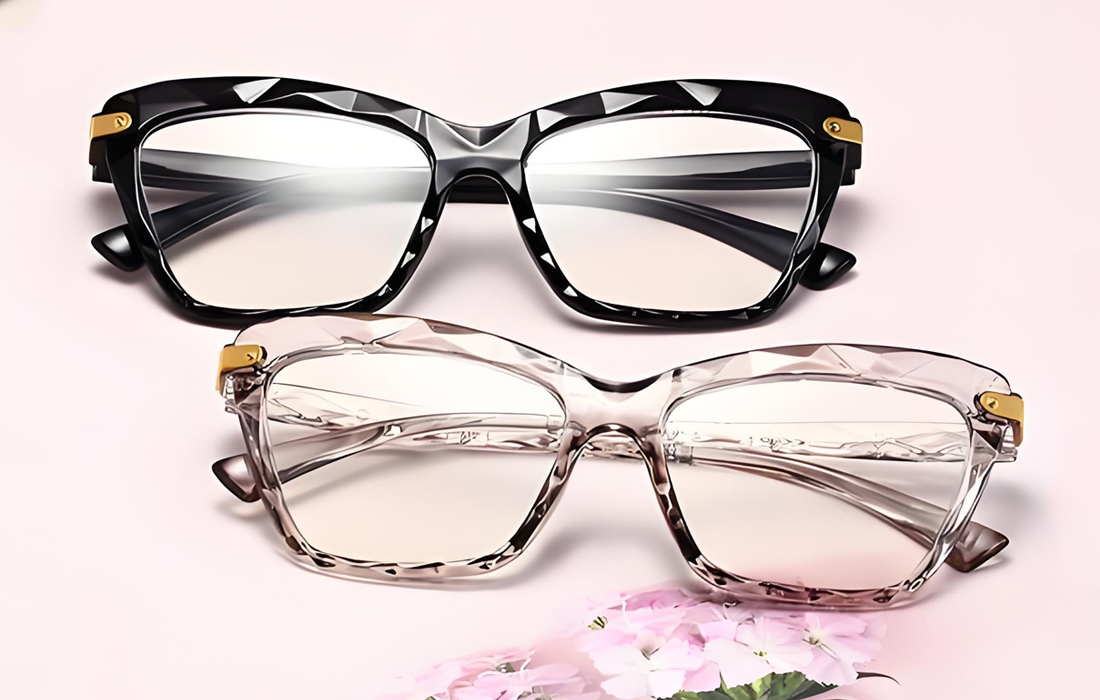
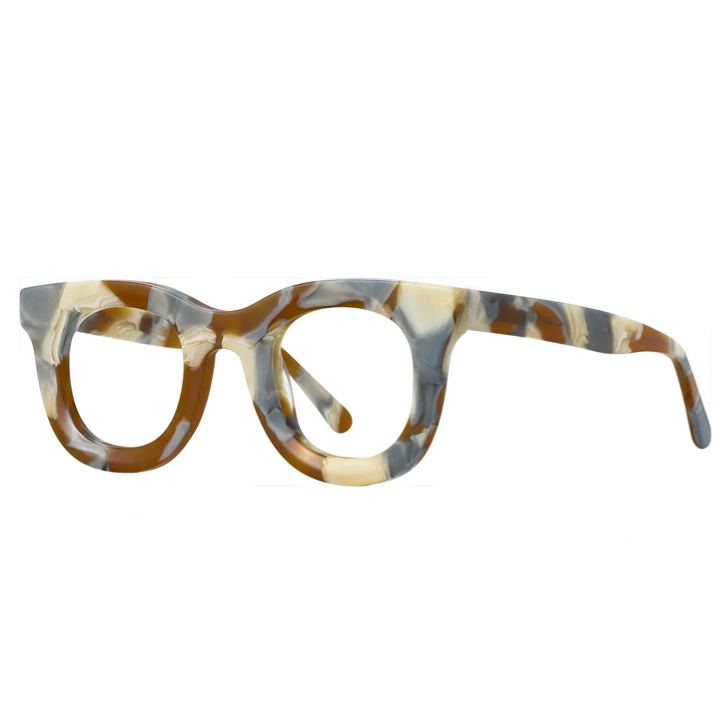
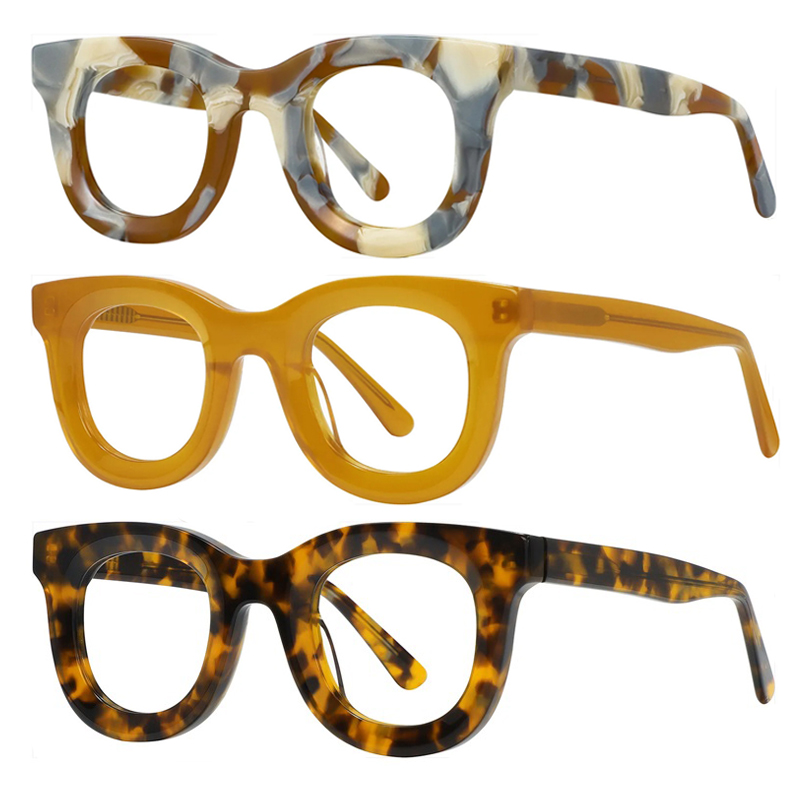
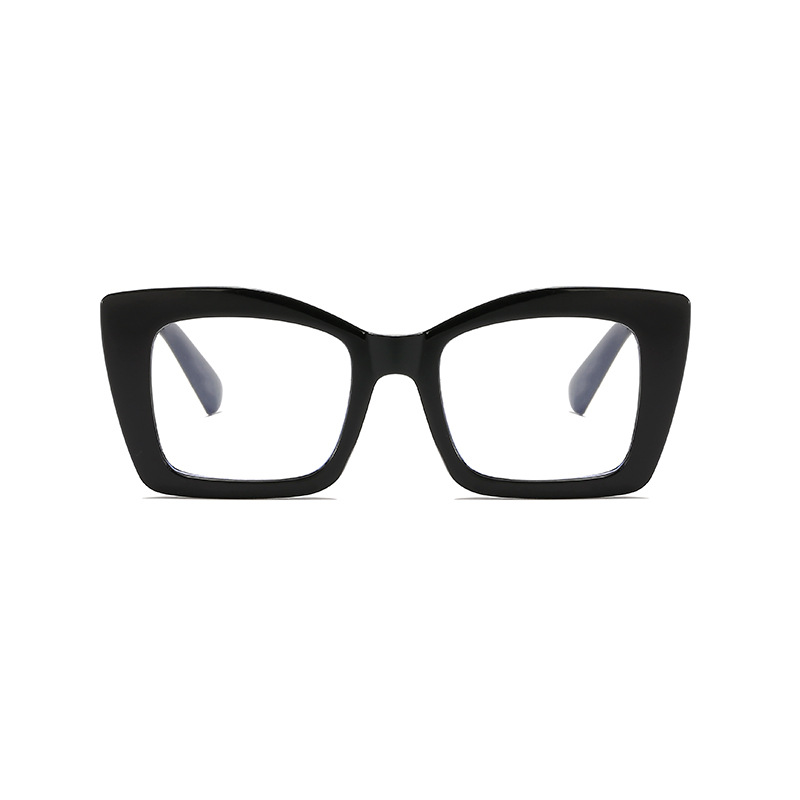
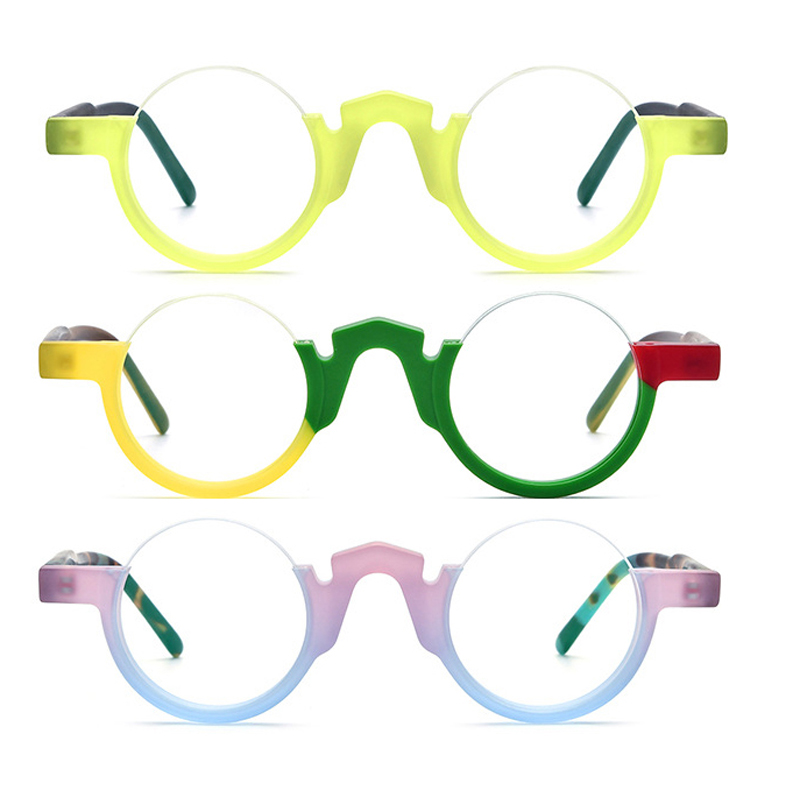
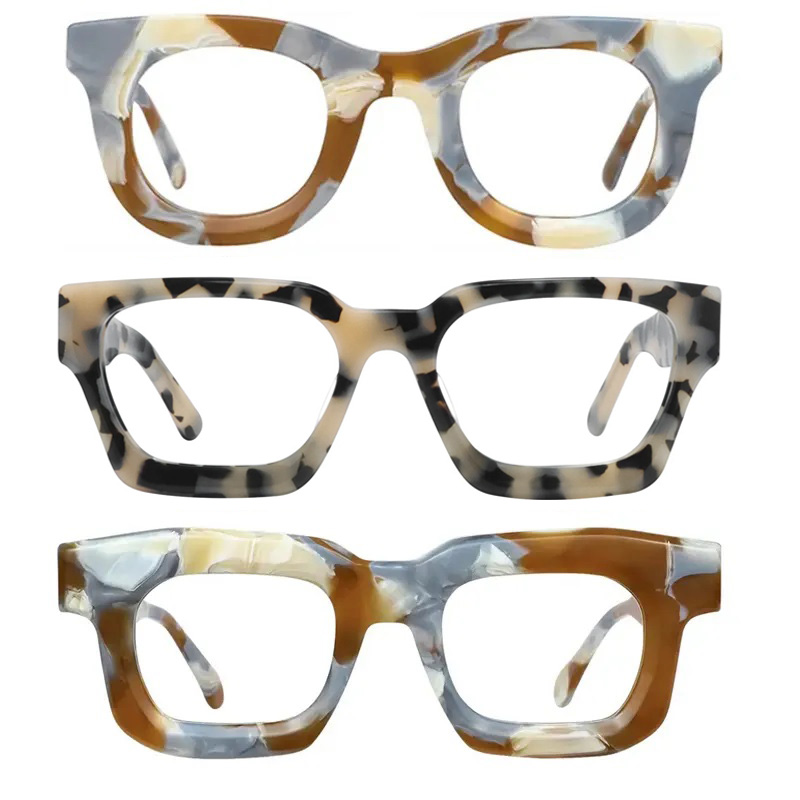
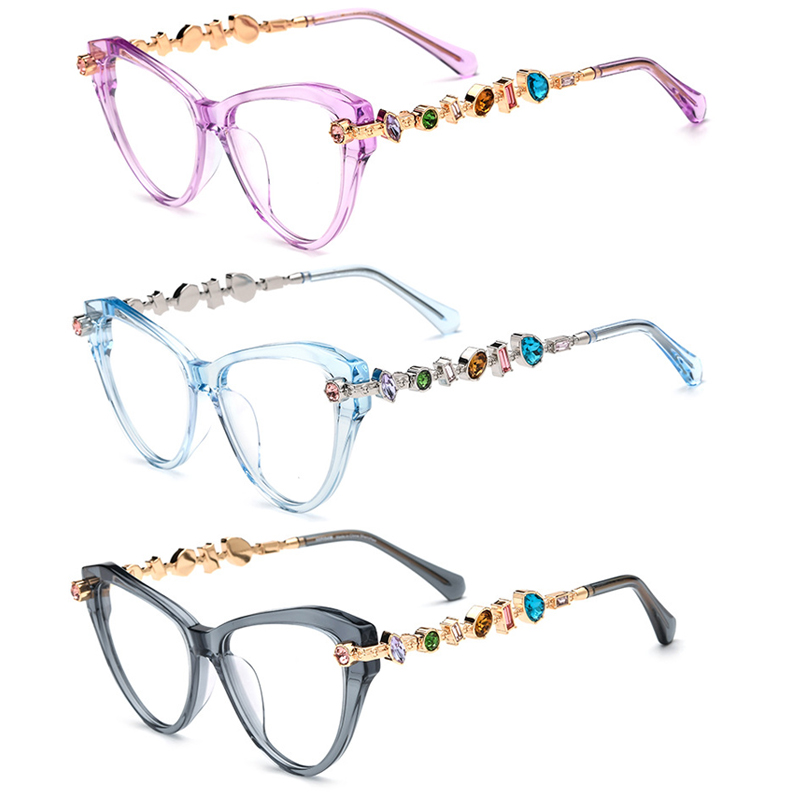
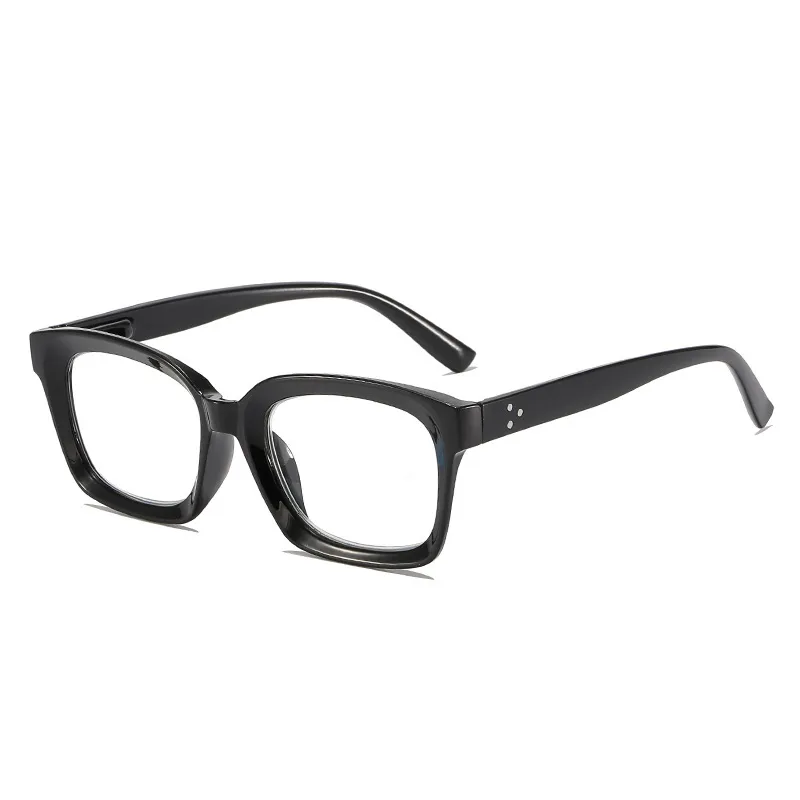
Available in a variety of frame styles, regular reading glasses typically range in lens strengths from +1.00 to +3.50 diopters. Frames can be as simple or stylish as you like, and they are widely available online, including at [ScoolGlasses.com](https://scoolglasses.com).
**Pros and Cons of Regular Reading Glasses**
*Pros:*
- Affordable and widely available
- Easy to use for simple near vision tasks
- Variety of frame designs
*Cons:*
- Not suitable for people who also need distance correction
- Requires frequent removal if switching between close and distance vision
---
What Are Bifocal Reading Glasses?
Bifocal reading glasses address more complex vision needs by incorporating two prescriptions into one lens. The upper part of the lens helps correct distance vision, while the lower section boosts near vision—perfect for people who need assistance at multiple distances.
**How Do Bifocal Lenses Work?**
Bifocals feature a distinct visible segment or line dividing the lens—one area for distance, the other for reading. This makes it easy to transition from looking across the room to looking down at your book without swapping glasses.
**Who Benefits Most From Bifocal Glasses?**
Bifocals are ideal for individuals managing both presbyopia and other refractive errors, such as nearsightedness or farsightedness. If you find yourself switching between multiple pairs of glasses during your day, bifocals can simplify your routine.
**Pros and Cons of Bifocal Reading Glasses**
*Pros:*
- Corrects vision at more than one distance
- Eliminates the need for multiple pairs of glasses
- Convenient for all-day wear
*Cons:*
- Some adjustment time required to get used to the lens segmentation
- The visible line may be distracting for some users
- Can be more expensive than regular reading glasses
---
Key Differences Between Bifocal and Regular Reading Glasses
Understanding unexpected nuances can help you make the best possible choice for your eyes.
**Lens Structure and Design**
- *Regular reading glasses:* Single-vision lenses with consistent magnification across the whole lens.
- *Bifocals:* Two prescription zones within the lens, separated by a visible line.
**Vision Correction Capabilities**
- *Regular reading glasses* improve near tasks only.
- *Bifocal reading glasses* correct both near and distance vision.
**Usage Scenarios**
- *Regular reading glasses* are perfect for reading, sewing, and other close work.
- *Bifocal glasses* are better for dynamic users switching quickly between distances, such as reading a document and then looking up to address a colleague.
**Customization and Styles**
Both types come in diverse frame options, but bifocals may have more prescription customization for each lens segment. Online retailers like [ScoolGlasses.com](https://scoolglasses.com) offer various frame shapes and lens strengths for both styles.
---
How to Choose the Right Glasses for Your Needs
Buying new glasses is an investment in your quality of life, so consider these steps:
**1. Assess Your Vision Requirements**
Do you need glasses just for reading, or are you also struggling with distance vision? If your needs are limited to near vision, regular reading glasses might be enough. But for multiple vision zones, bifocals will serve you better.
**2. Consult With an Eye Care Professional**
A comprehensive eye exam ensures you know your exact prescription. Your eye doctor can help determine if you need bifocals or a simpler solution.
**3. Consider Your Lifestyle**
If you spend a lot of time switching from papers to screens to the horizon (think teaching or multitasking at work), bifocals may be right. For single-focus activities, a classic pair of reading glasses often suffices.
**4. Weigh the Costs**
Regular reading glasses tend to be more budget-friendly, with options starting at just a few dollars. Bifocals cost more but deliver more comprehensive vision support and eliminate the need for switching glasses.
**5. Shop Securely Online**
Trusted online retailers like [ScoolGlasses.com](https://scoolglasses.com) offer a wide selection, concise guides, and easy-to-understand prescription tools. Shopping online brings you the latest styles with the click of a button, often at lower prices compared to brick-and-mortar stores.
---
Frequently Asked Questions
**Can You Use Reading Glasses for Computer Work?**
Regular reading glasses can work for brief computer sessions, but for prolonged screen time, consider “computer glasses” optimized for intermediate distances. Some bifocals also feature a “computer zone.”
**Are Bifocal Reading Glasses Suitable for Everyone?**
Bifocals benefit those with multiple vision needs. If you only struggle with up-close tasks, regular reading glasses are enough.
**How Can You Tell if You Need Bifocal Lenses?**
If you experience blurry vision at both close and far distances or find yourself frequently changing glasses, it may be time to consider bifocals. An eye exam will provide clarity.
**How Do You Adapt to New Glasses?**
With any new prescription, give your eyes a few days to adjust. Bifocals in particular require practice to get used to the lens transition. Wear them regularly and give yourself patience during this adjustment stage.
---
Conclusion
Regular reading glasses and bifocal reading glasses each have their unique place in vision correction. Regular reading glasses offer a simple and affordable solution for close-up work, while bifocals provide versatile support for those juggling multiple focal ranges throughout the day. The key to optimal eye comfort is understanding your needs and selecting the right glasses accordingly.
Personalizing your eye care is essential—don’t hesitate to consult with a specialist for guidance. And when you’re ready to buy, choosing a reputable online store like [ScoolGlasses.com](https://scoolglasses.com) ensures a risk-free shopping experience and a vast selection of both regular and bifocal reading glasses tailored to your lifestyle. See the difference today!