


Effectively Eliminate Glare and Ensure Clear Vision
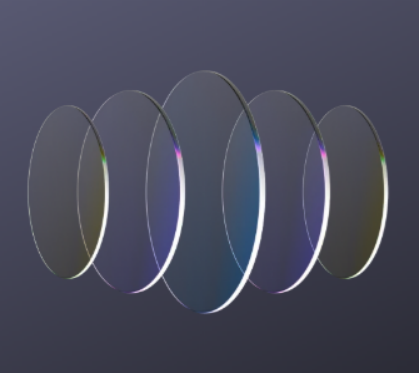
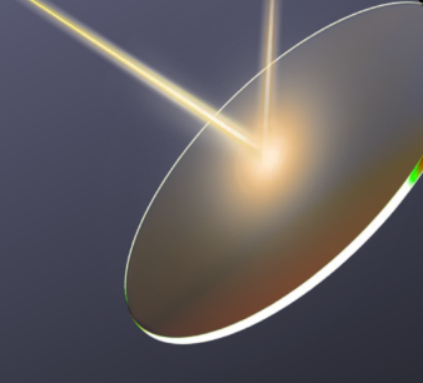
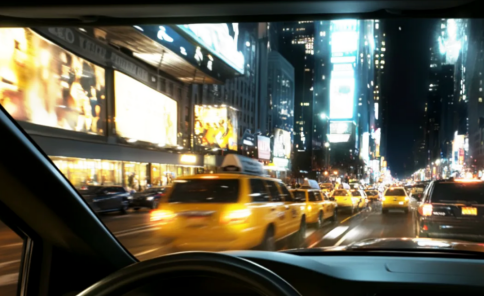
The greatest visual hazard during driving comes from glare—such as harsh reflections from sunlight bouncing off roads, water surfaces, and car windows, or direct high beams from oncoming vehicles. Ordinary sunglasses only reduce light intensity evenly, whereas driving lenses (especially polarized lenses) act as a precision “light filter,” selectively blocking scattered glare from specific directions while preserving useful vertical light. This instantly eliminates blinding reflections on wet roads, making the outlines of vehicles ahead, brake lights, and traffic signs exceptionally clear and sharp, preventing delayed reactions caused by temporary “blindness.”
Optimize Light Adaptation for Complex Environments
Driving environments involve drastic light changes, such as entering or exiting tunnels and twilight conditions. Professional driving lenses use advanced technologies (e.g., Zeiss’ Pupil Adaptive Technology or photochromic lenses) that automatically adjust light transmission based on ambient brightness.They effectively filter UV rays and harmful blue light under strong sunlight to protect eyes. In low-light conditions (night, cloudy days), they maintain high light transmittance (national standards require >75% for night-use lenses), ensuring clear visibility of roads and pedestrians, and avoiding eye fatigue and “night myopia” caused by excessive pupil dilation.
Enhance Visual Comfort and Relieve Fatigue
During long drives, eyes constantly switch focus between the road, dashboard, and rearview mirrors, easily causing eye muscle fatigue. Some premium driving lenses (e.g., Zeiss DriveSafe lenses) feature personalized designs that optimize near and intermediate vision, allowing eyes to switch focus more effortlessly and significantly reducing visual fatigue.Meanwhile, their superior glare suppression for vehicle lights (especially LED light sources—Zeiss coatings can reduce glare by up to 64%) greatly improves driving safety and comfort.
Provide Basic Protection for Safety and DurabilityUV Protection
Qualified driving lenses block 100% of UVA and UVB rays, preventing long-term sun damage to the eyes.Safety Materials: Lenses are mostly made of impact-resistant, shatterproof materials such as resin, nylon, or polycarbonate (PC), avoiding secondary injuries in accidents—far superior to fragile glass lenses.
Choices for Different Needs
Daytime DrivingChoose gray or tawny polarized lenses as your first option. These two colors provide the most realistic color rendition and have minimal impact on the recognition of traffic signals, while effectively filtering out reflective glare from road surfaces.
Nighttime / Rain & Fog Driving
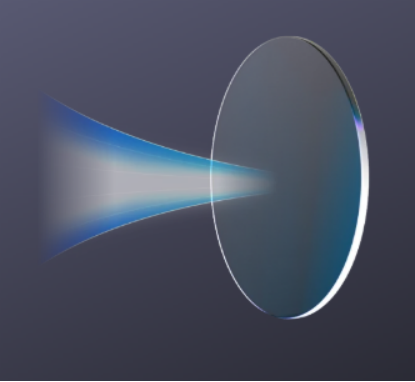
You can use amber (light yellow) night-vision lenses. They filter out harsh blue light from vehicle headlights, enhance contrast and depth perception of object outlines, and deliver clearer vision in dim environments.Important Note: Ordinary dark sunglasses have insufficient light transmittance. Wearing them at night will severely reduce visibility and is extremely dangerous.
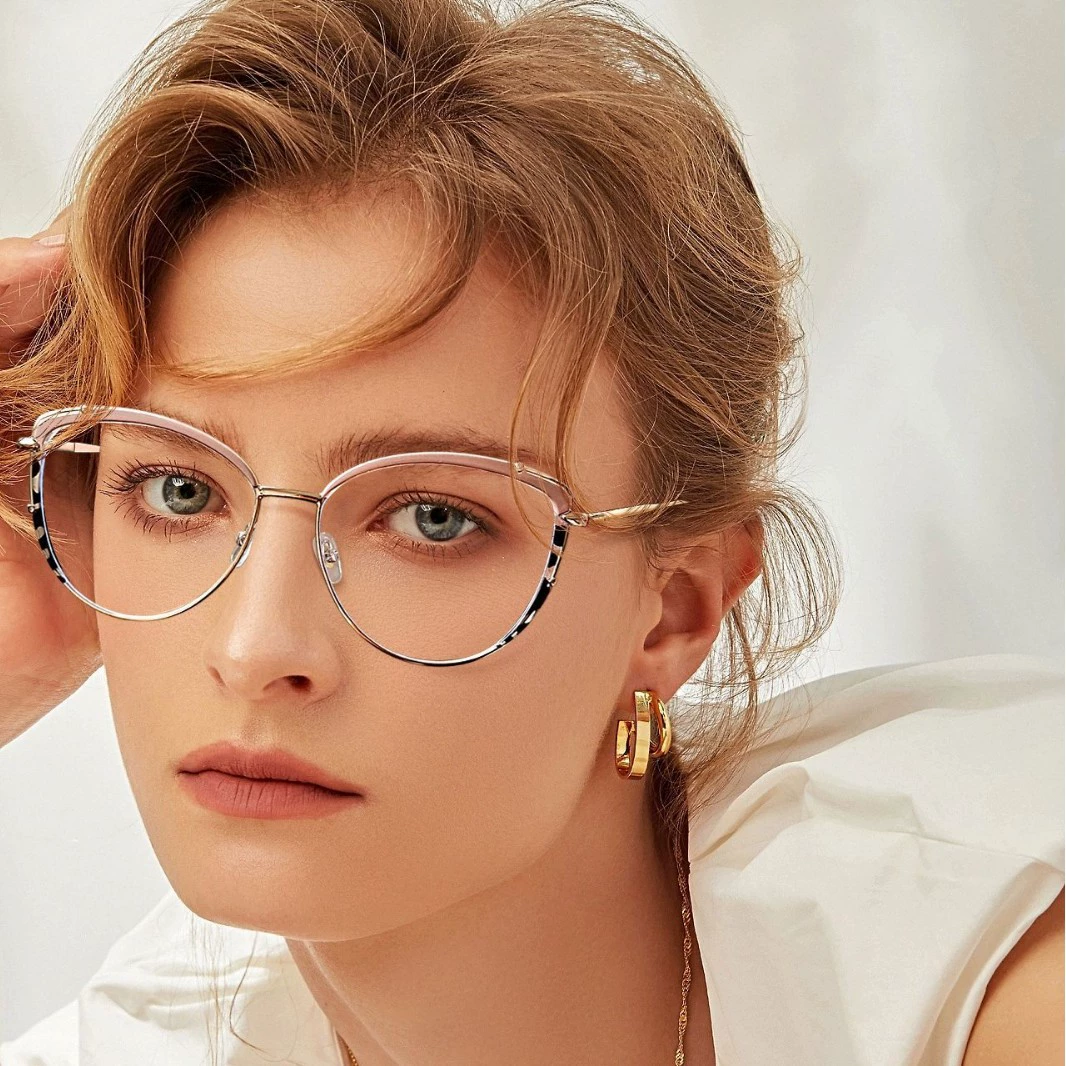
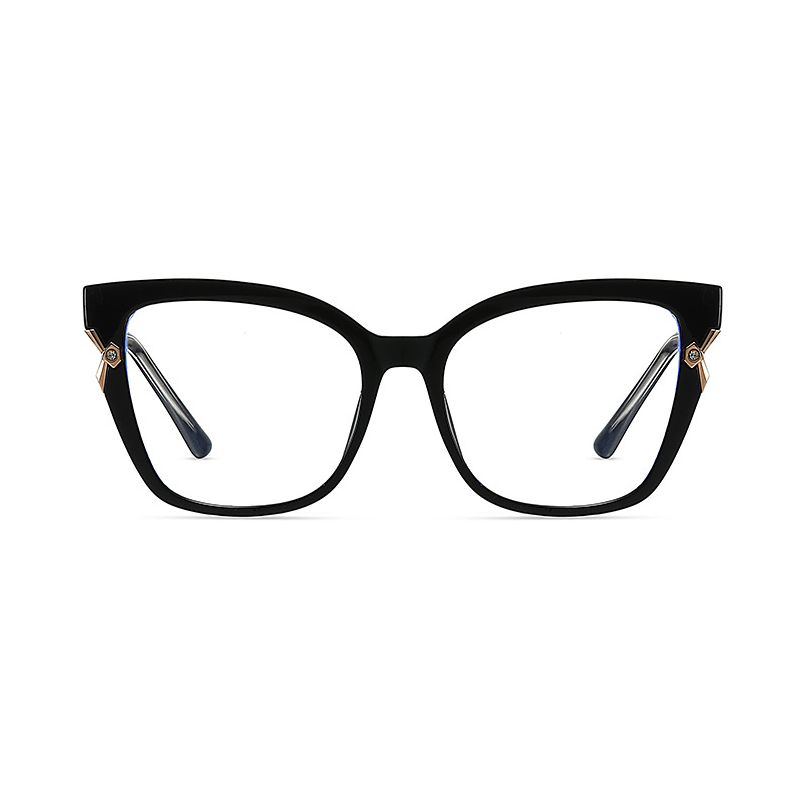
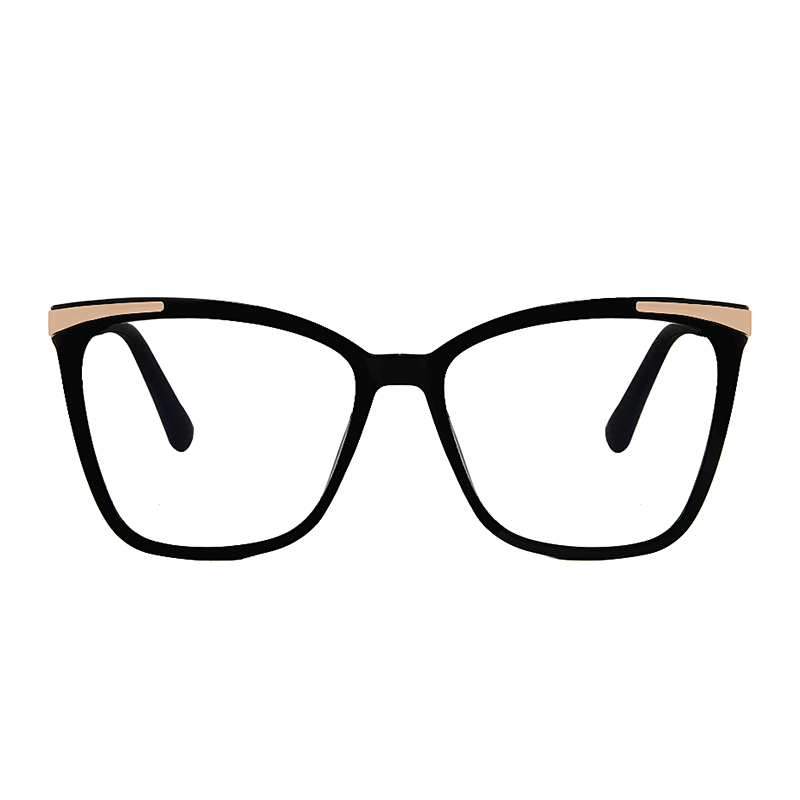
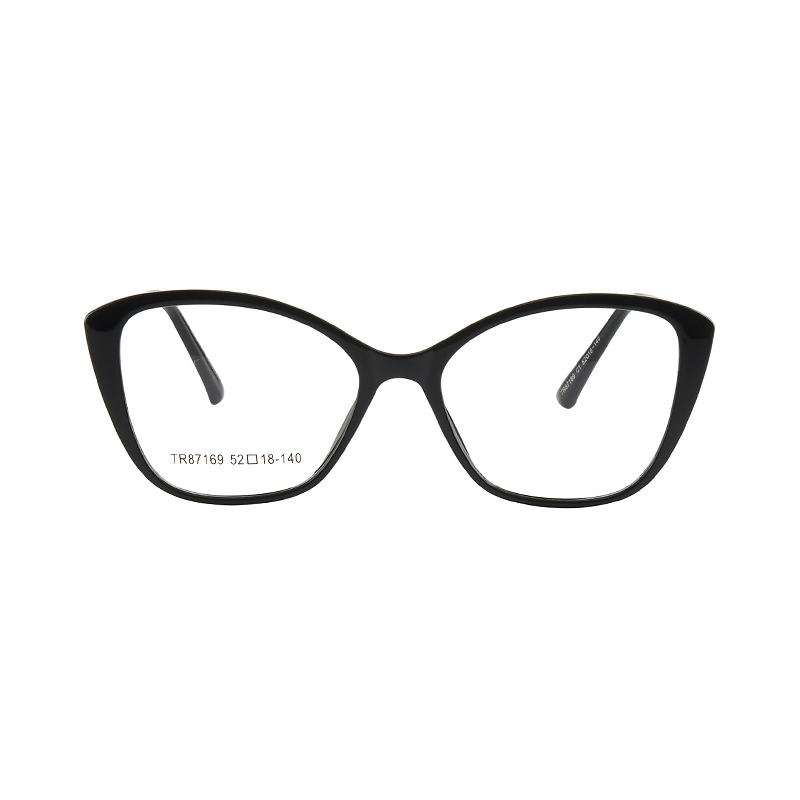
For people with myopia or hyperopia, you can choose customized prescription polarized lenses, or attach magnetic or clip-on driving lenses (such as Tom Ford magnetic clip-on glasses) to your daily eyewear. This not only corrects your vision but also provides professional driving eye protection.

-42.jpg?w=2048&h=2048)
.png?w=2048&h=2048)





.jpg?w=4096&h=4096)
-2.png?w=2048&h=2048)
-1.png?w=2048&h=2048)

-3.png?w=2048&h=2048)
-4.png?w=2048&h=2048)