

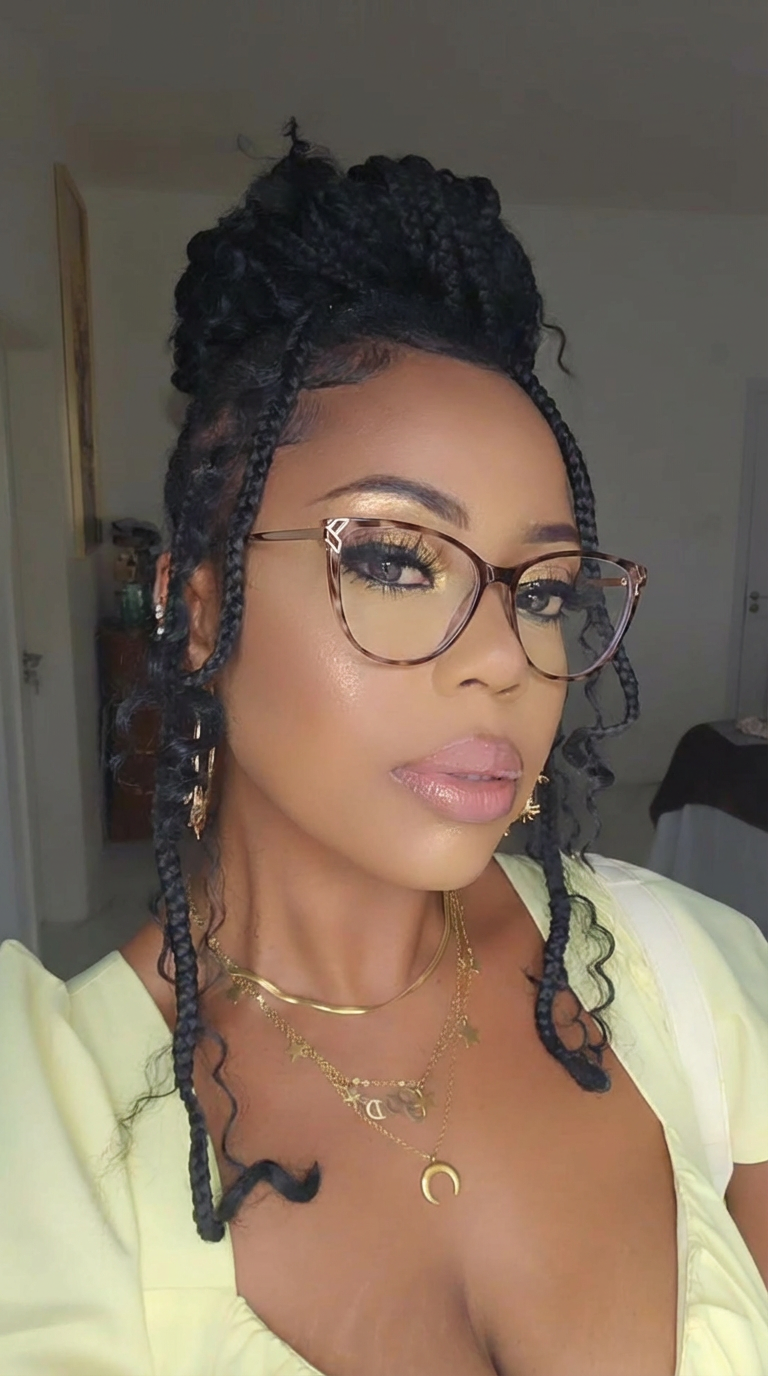
Presbyopia is a physiological phenomenon. No one can stop the aging process, and it usually begins to appear gradually after the age of 45, which also means that parents are growing old.
The most obvious symptom of presbyopia is difficulty focusing on near objects: the more severe the presbyopia, the farther people hold things. However, if the font is too small, holding things too far will still make them blurry, and the eyes have to squint to see clearly.
When buying reading glasses, there are always some misconceptions!
❌ Just buy a pair of reading glasses randomly to get by.
People with myopia know that lens parameters include specific diopter and pupil distance, and reading glasses are no different!
Cheap ready-made reading glasses bought on the street often have the same diopter for both eyes and a fixed pupil distance.
Such glasses are obviously not suitable for everyone.
Because most middle-aged and elderly people have different degrees of presbyopia in each eye, and some may also have refractive errors such as myopia and astigmatism in addition to presbyopia.
⭕️ Excessively cheap lenses may be industrial glass instead of optical lenses, with many impurities and poor clarity. Wearing them for a long time will aggravate eye fatigue, and may even cause dizziness, nausea, etc., worsening the presbyopia.
❌ Wear one pair of reading glasses forever.
The degree of presbyopia increases with age.
Generally, for people without myopia or hyperopia, the diopter of reading glasses is about 100-150 degrees at 40-45 years old, about 200 degrees at around 50 years old, and about 300 degrees at around 60 years old. After 60 years old, the degree basically no longer changes significantly.
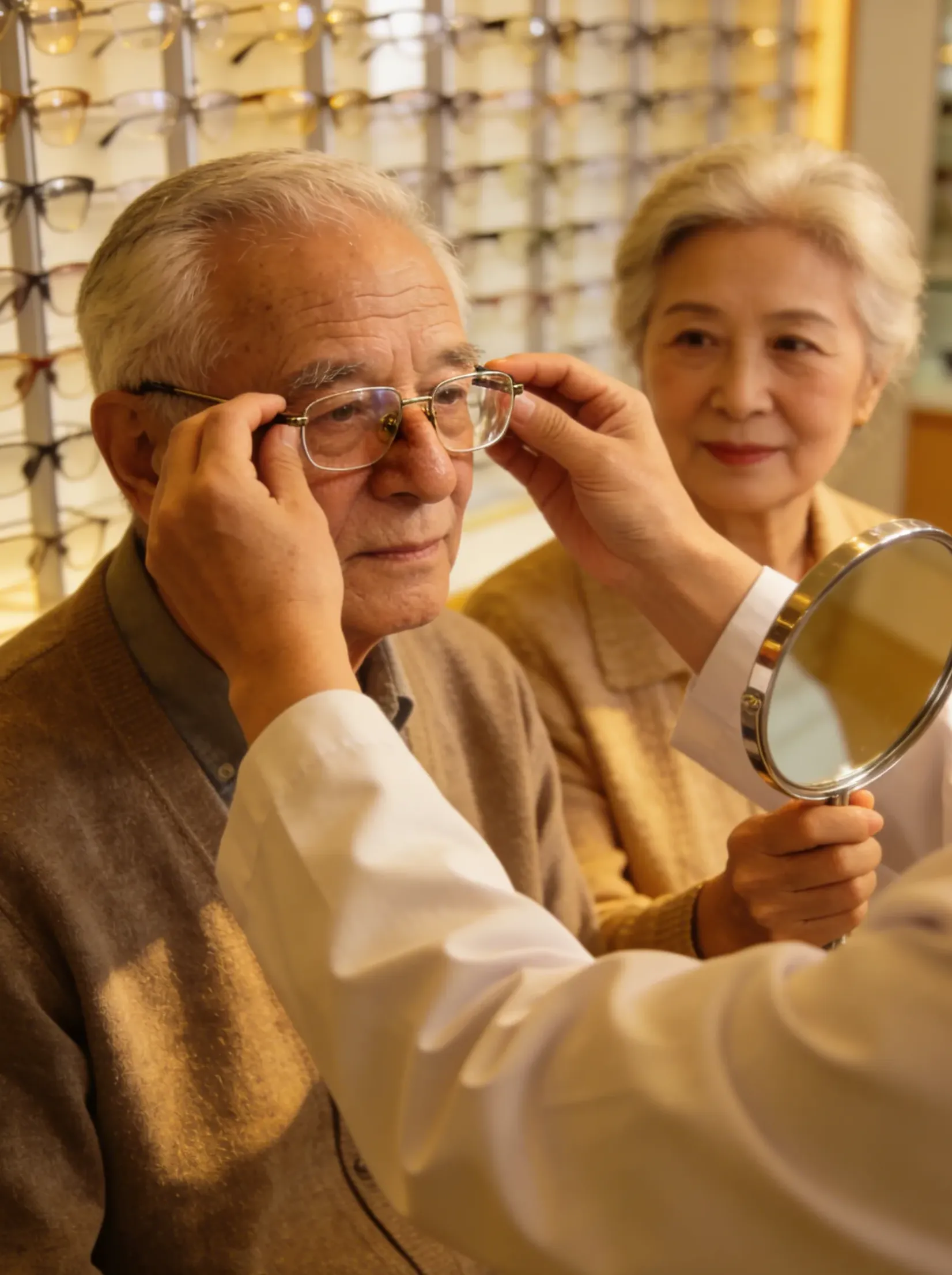
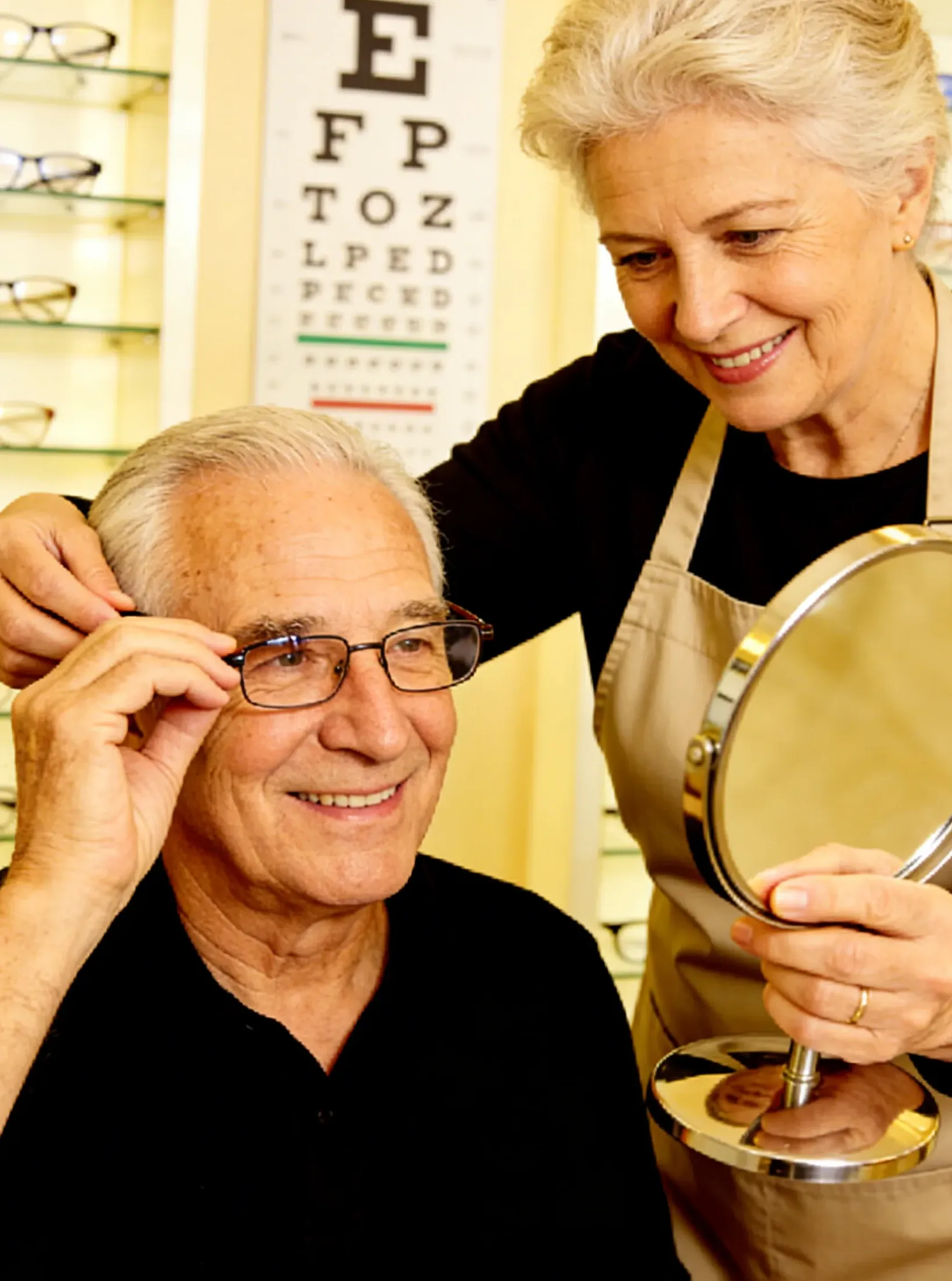
⭕️ Do not wear glasses with insufficient degrees for a long time. Have an eye exam every three to five years, and replace the lens diopter if necessary.
❌ Myopia and presbyopia cancel each other out.
When myopic people develop presbyopia, their myopia degree may "decrease" a little, but the decrease is not much. More likely, they have both myopia and presbyopia.
⭕️ You may need two pairs of glasses for distance and near vision: one for distance and one for near vision, or choose a pair of progressive lenses, which should be selected according to specific conditions.
❌ Parents share the same pair of reading glasses.
❌ Use a magnifying glass instead of reading glasses.
Notes on choosing reading glass lenses/frames:
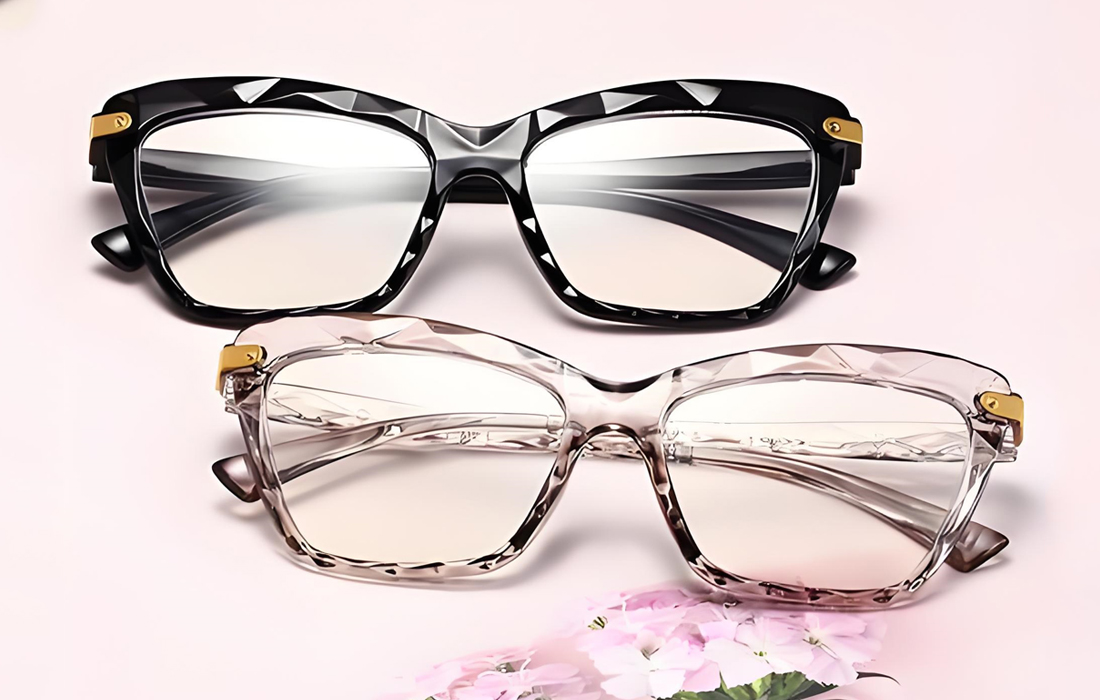
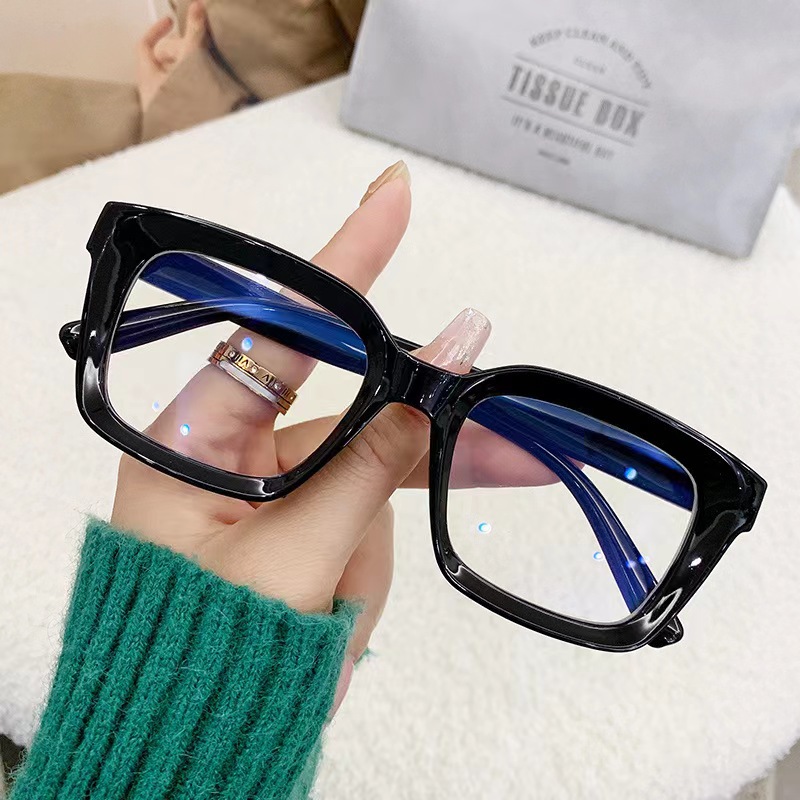
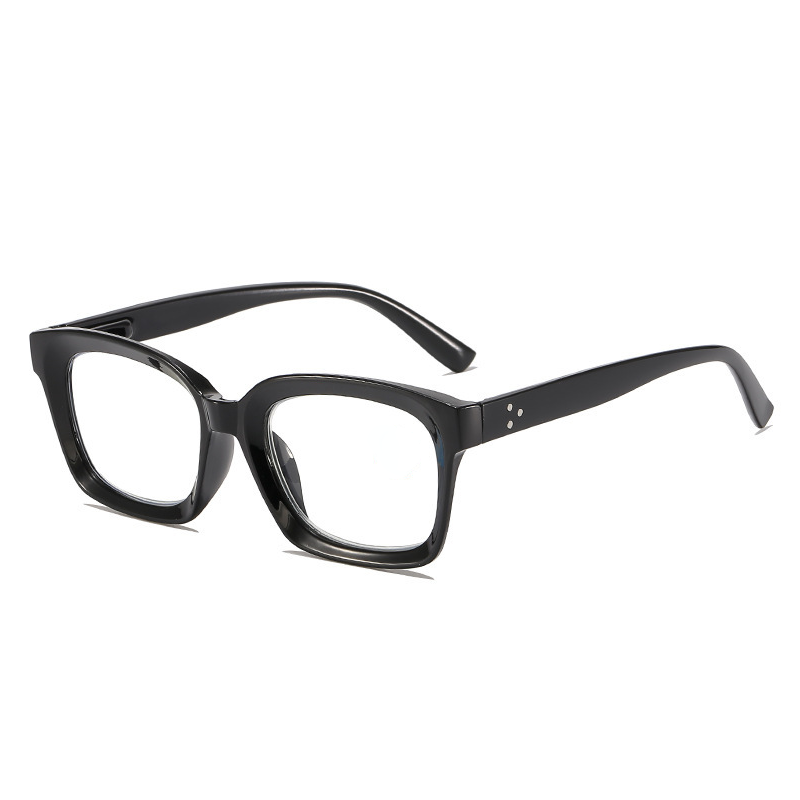
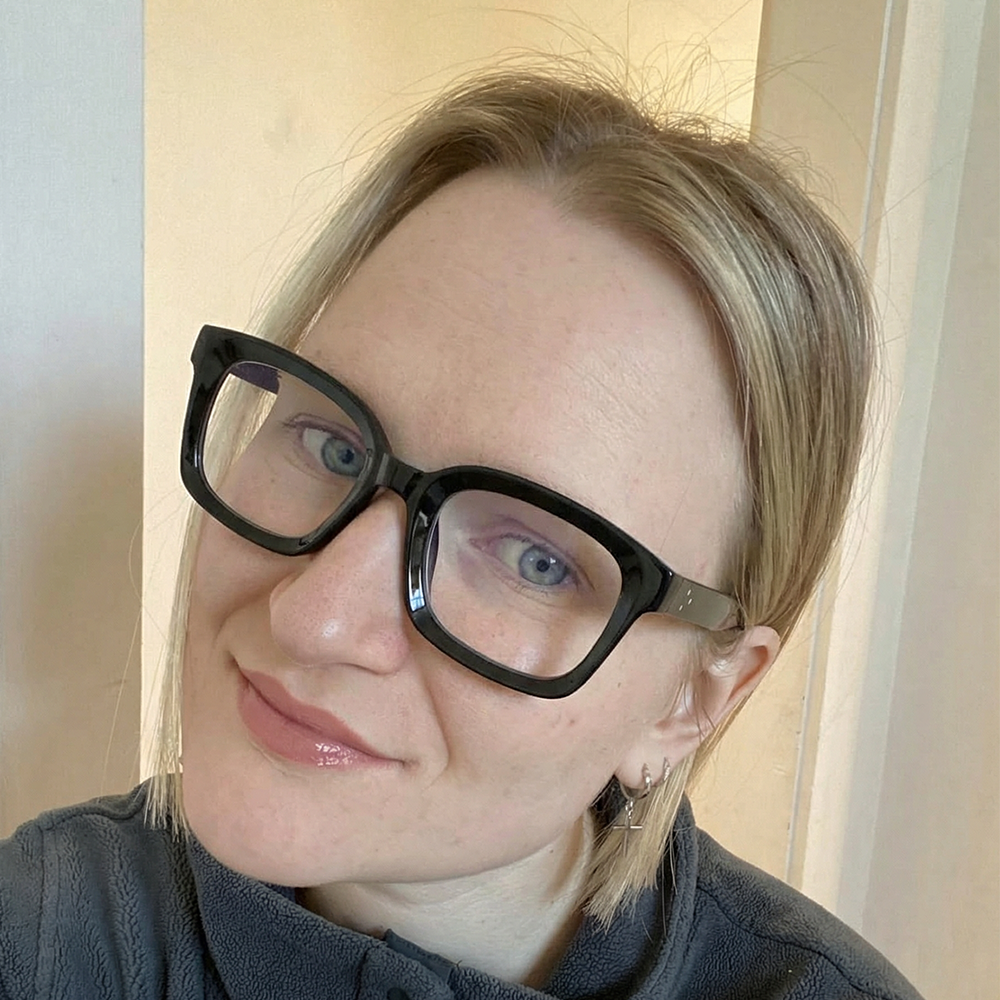
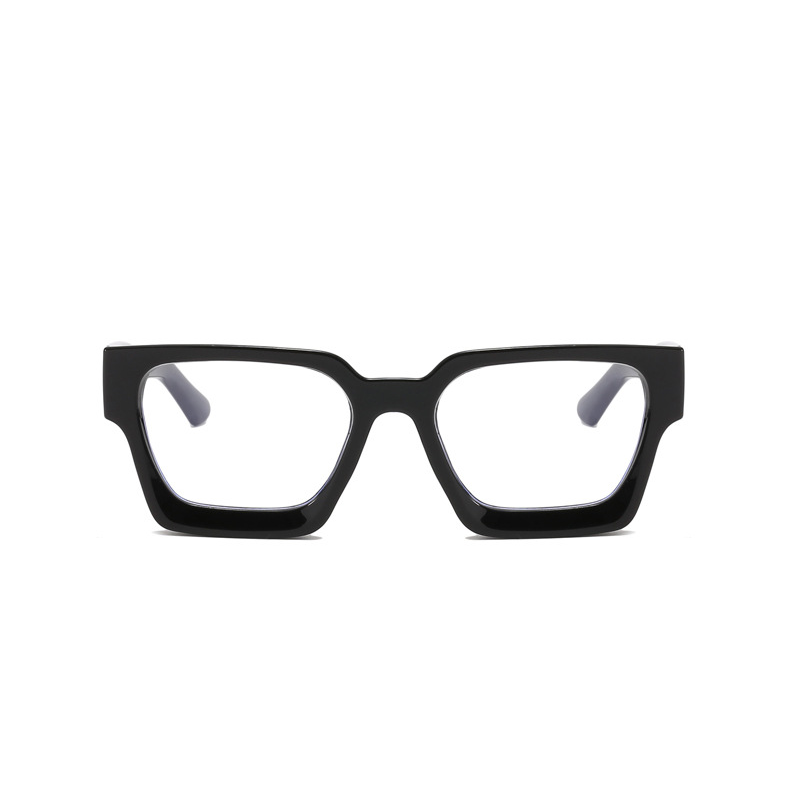
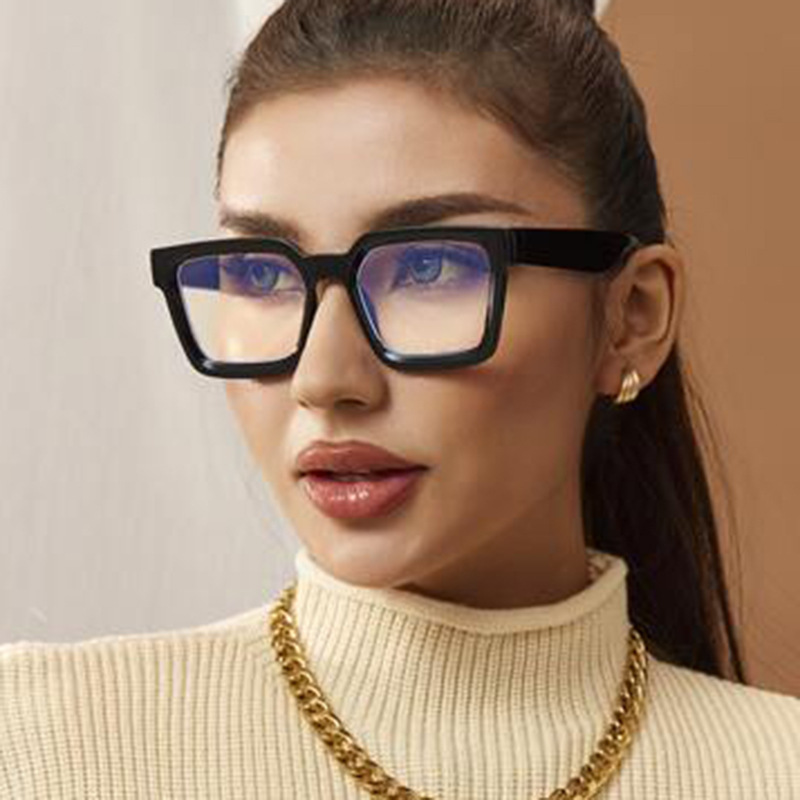
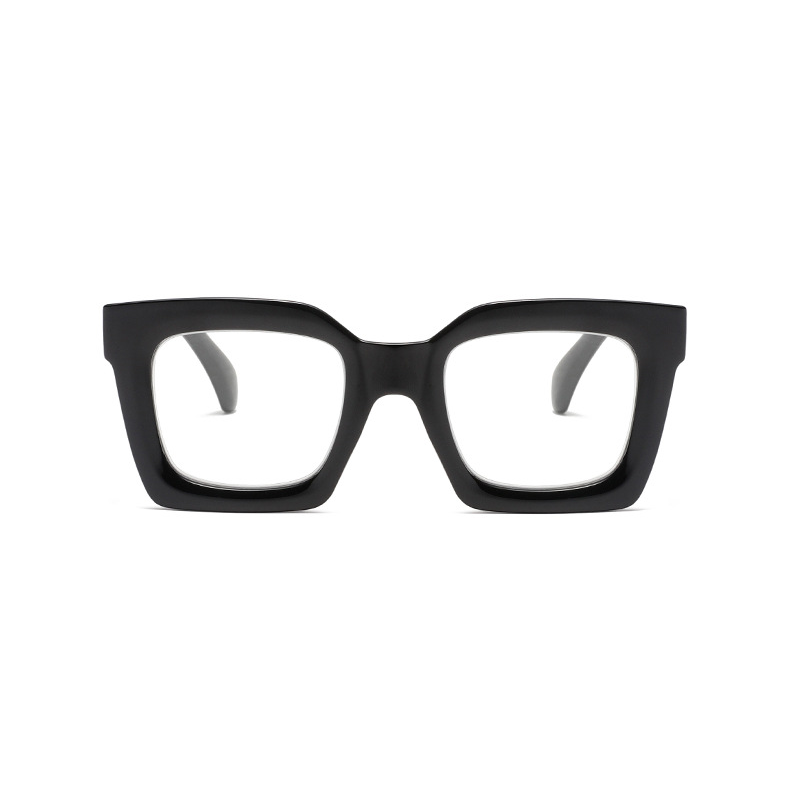
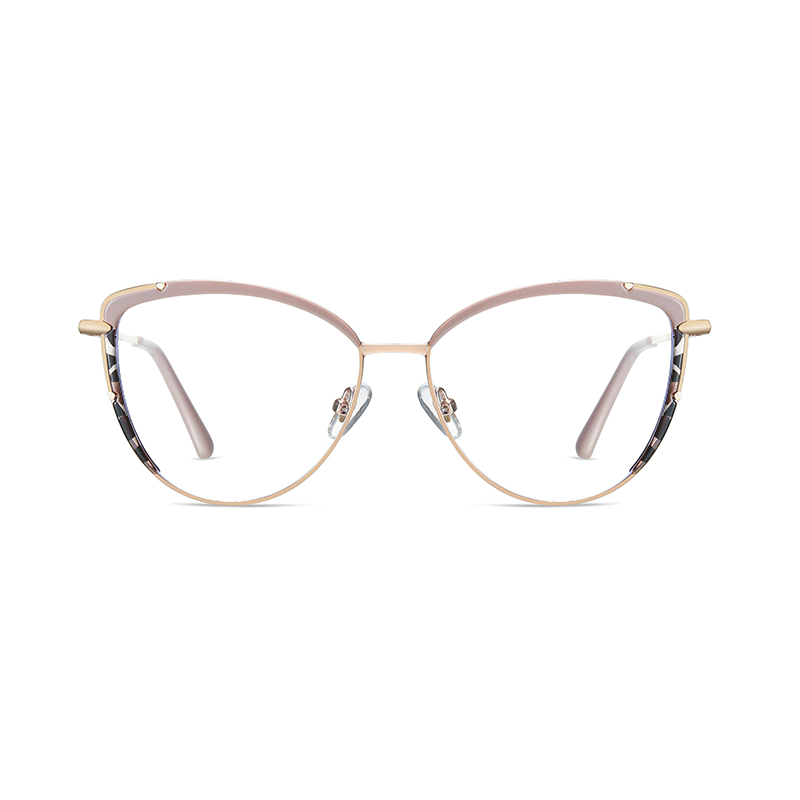
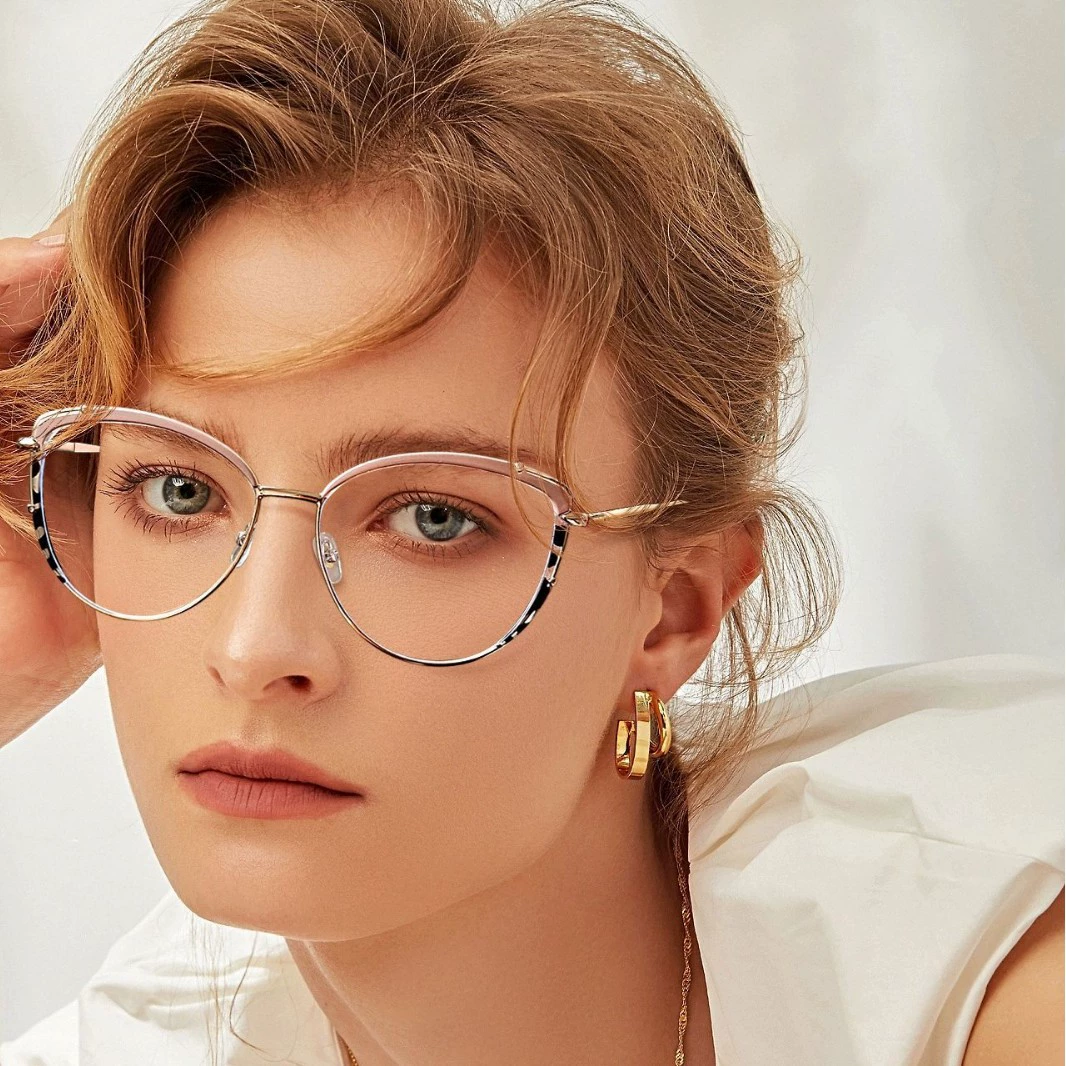
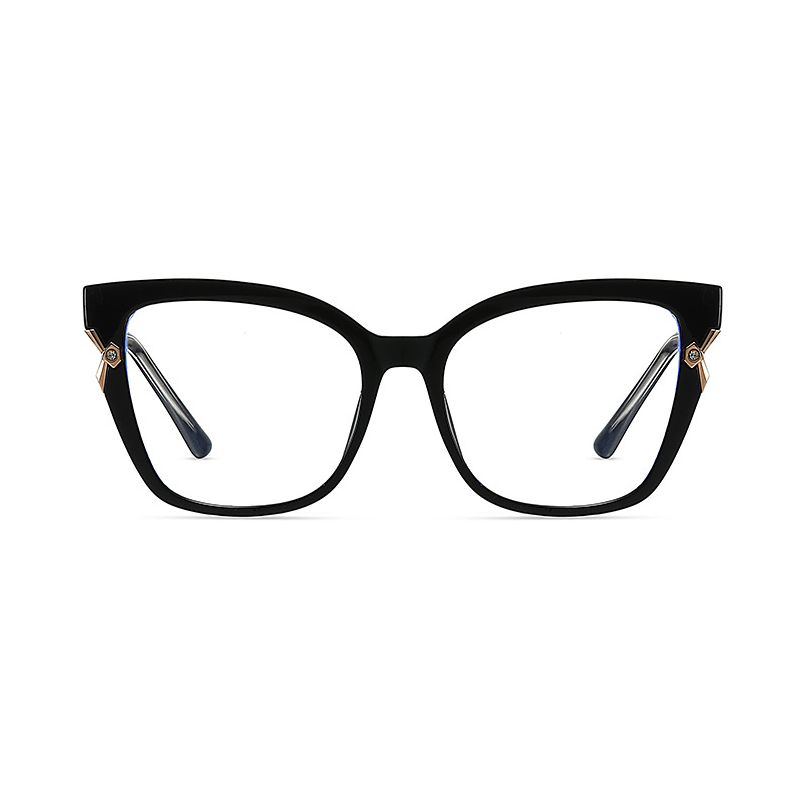
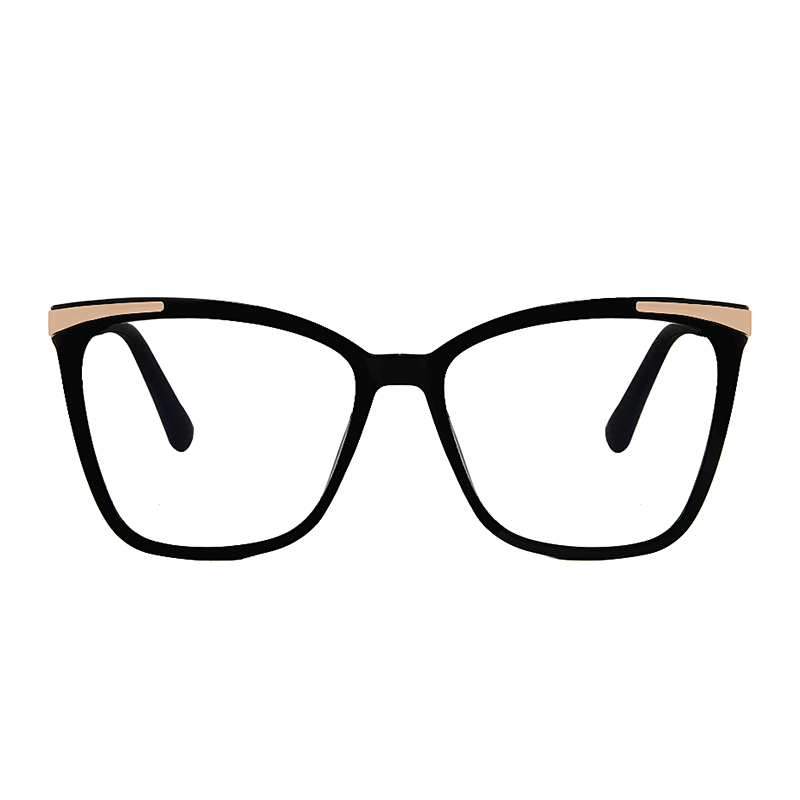
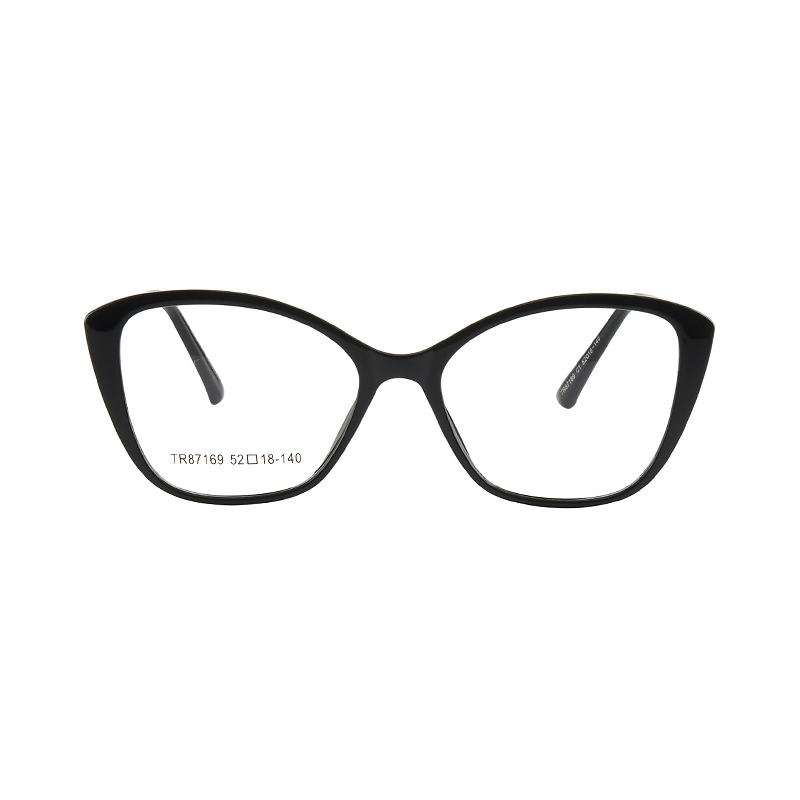
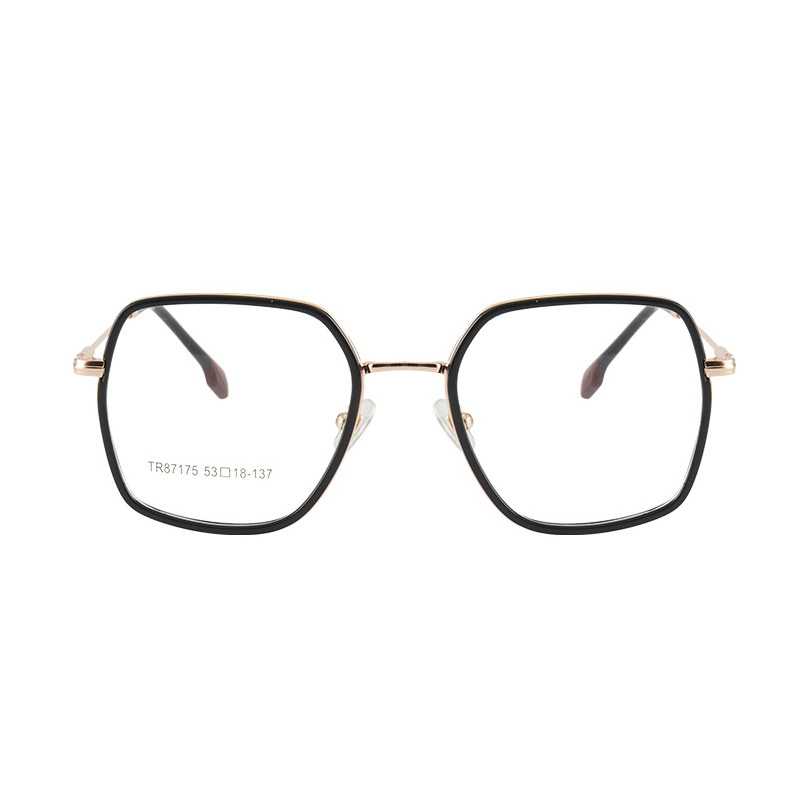
- Choose a small frame as much as possible. A large frame is easy to cause dizziness and discomfort, and the convex lens is thick in the middle and thin at the edges, so a large frame will be heavy.
- Since reading glasses are mainly used for near vision and are not worn frequently, ordinary brands are sufficient.
- If choosing progressive lenses, it is recommended to choose first-line brands because there are technical barriers. Professional fitting is required, otherwise it is easy to feel uncomfortable after wearing.
We often encounter children asking how to choose glasses for their parents, and basically all those who come to get glasses when they are old are accompanied by their children [Sun]
As parents grow old, it is always the duty of their children to show filial piety—caring not only about their eyesight [See], but also all aspects of their lives. Therefore, in addition to getting glasses, we should also take parents for corresponding physical examinations every year, including eye examinations, to rule out fundus diseases, cataracts, glaucoma, etc., and seek medical treatment in time if there is eye discomfort.
If you have time, spend more time with your parents. If you are not by their side, call or send messages more often to care and greet them.
-23.png?w=1376&h=768)
-42.jpg?w=2048&h=2048)
.jpg?w=4096&h=4096)
-2.png?w=2048&h=2048)
-1.png?w=2048&h=2048)
-3.png?w=2048&h=2048)
-4.png?w=2048&h=2048)