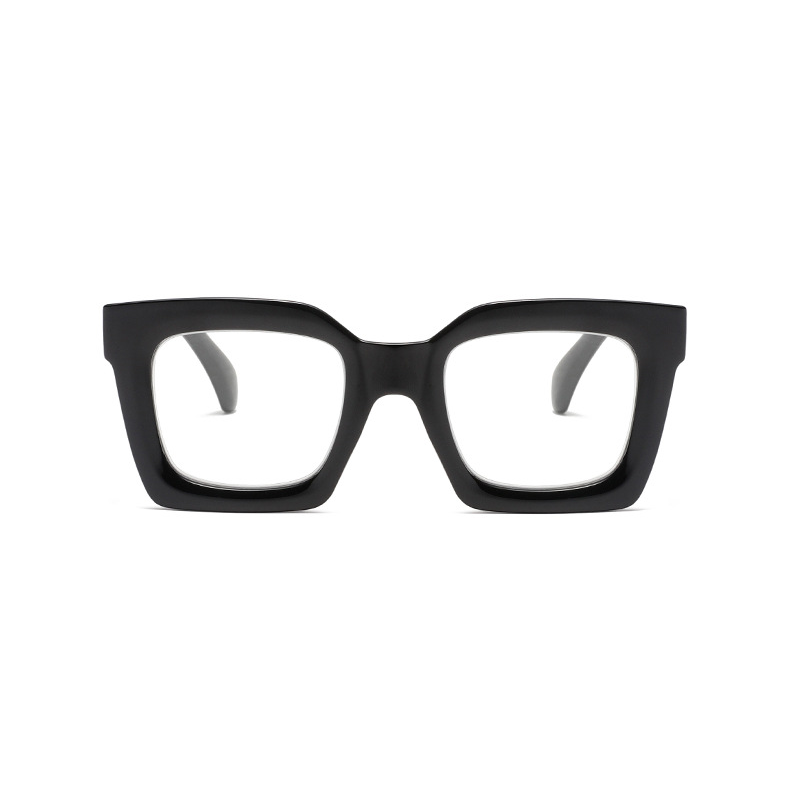


PD (Pupillary Distance)—this tiny number is actually a huge deal for eyeglass wearers. Let’s break it down carefully.
1. What is PD?
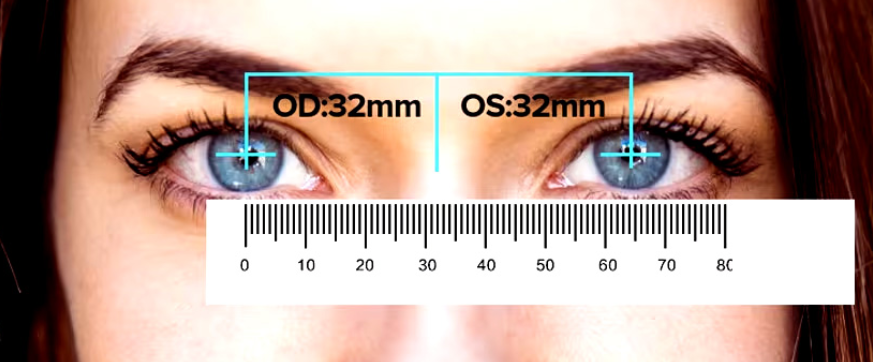
PD stands for Pupillary Distance, the distance in millimeters between the centers of your pupils.
- It can be single PD (one number) or dual PD (separate for each eye, especially for multifocal lenses).
- Example: Single PD = 63 mm; Dual PD = 31 mm (left) + 32 mm (right).
2. Why PD Matters
Your PD ensures that the optical center of each lens aligns with your pupils. Misalignment can cause:
- Blurred vision: The lens won’t focus correctly on your eyes.
- Eye strain and headaches: Your eyes constantly try to compensate.
- Distorted vision: Especially noticeable with high prescriptions or progressive lenses.
- Poor comfort with multifocal/progressive lenses: The reading and distance zones may not line up properly.
Even a 2–3 mm error in PD can significantly reduce visual clarity for strong prescriptions.
3. How PD is Measured
- Professional measurement: Done at your optometrist’s office using a pupilometer—most accurate.
- Manual method: Using a ruler and mirror, though accuracy is lower.
- Online methods: Some glasses retailers have smartphone-based PD tools—good for rough estimates but not perfect for high prescriptions.
4. When PD is Critical
- Progressive lenses (multifocal): Even a tiny error disrupts near/mid/distance zones.
- High prescriptions (above ±4.00 D): Misalignment exaggerates distortion.
- Custom or wraparound frames: Lenses must match exact eye position for comfort and clarity.
For simple, low-prescription single-vision lenses, a PD that’s a little off might be tolerable, but it’s always best to get it accurate.
💡 Quick tip: Keep your PD on file; when ordering glasses online, giving the exact PD prevents headaches and blurry vision down the line.
https://scoolglasses.com/products/round-glasses-mj-co1092









-3.jpg?w=800&h=800)



.jpg?w=1024&h=1024)