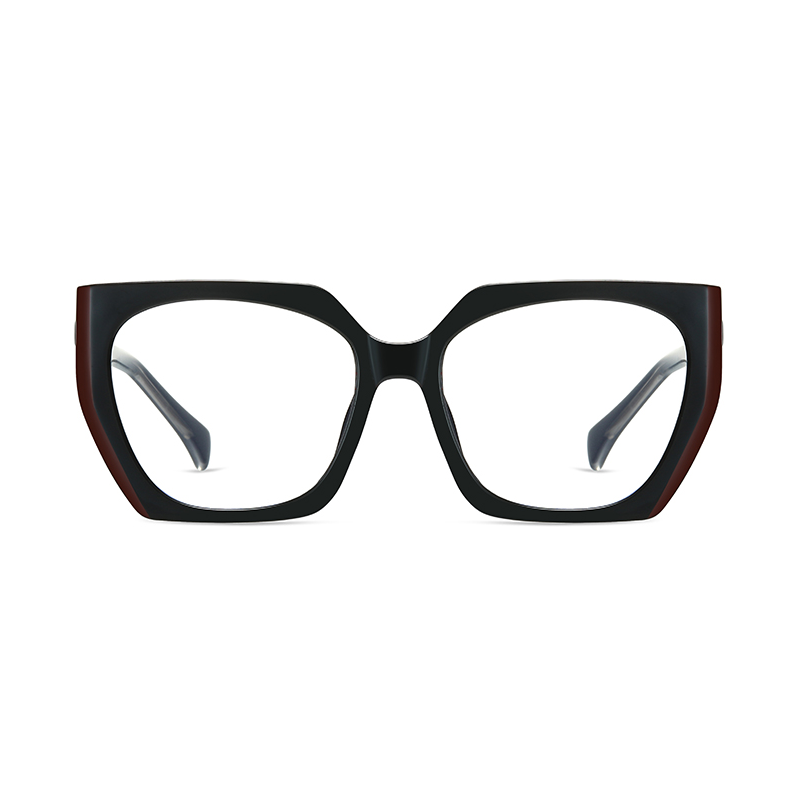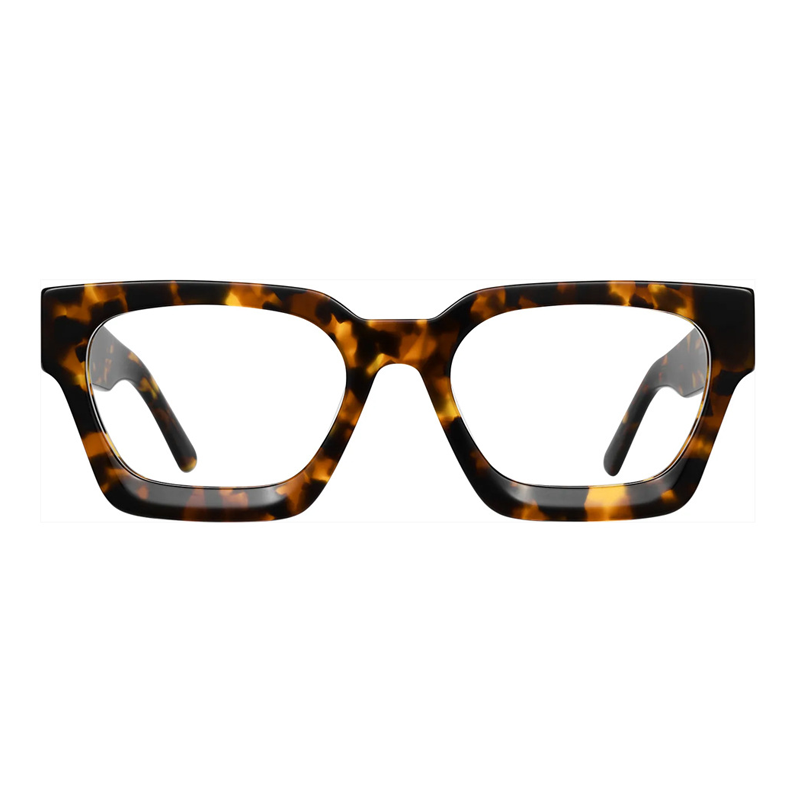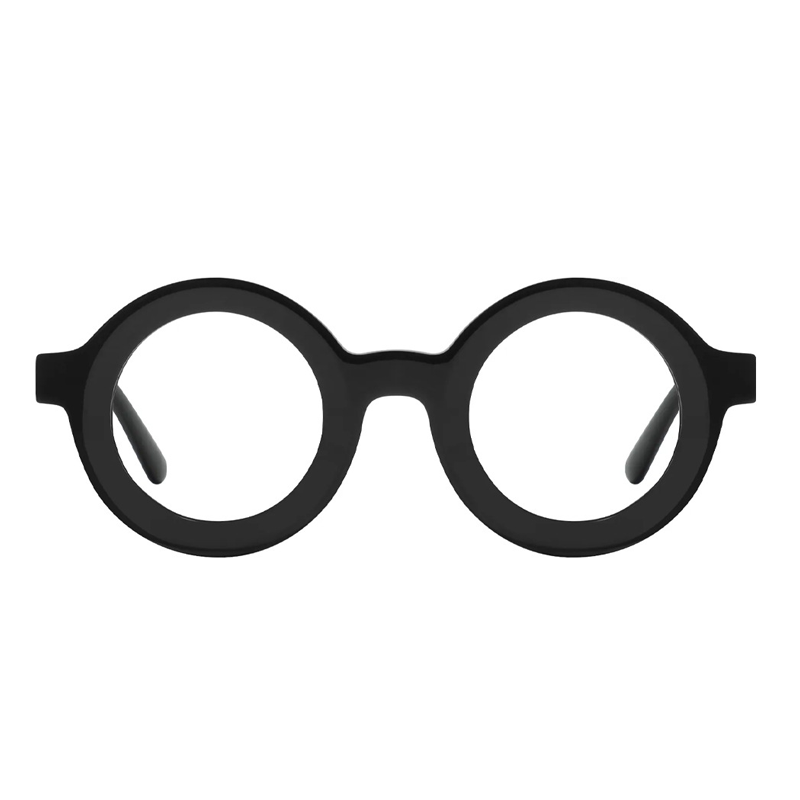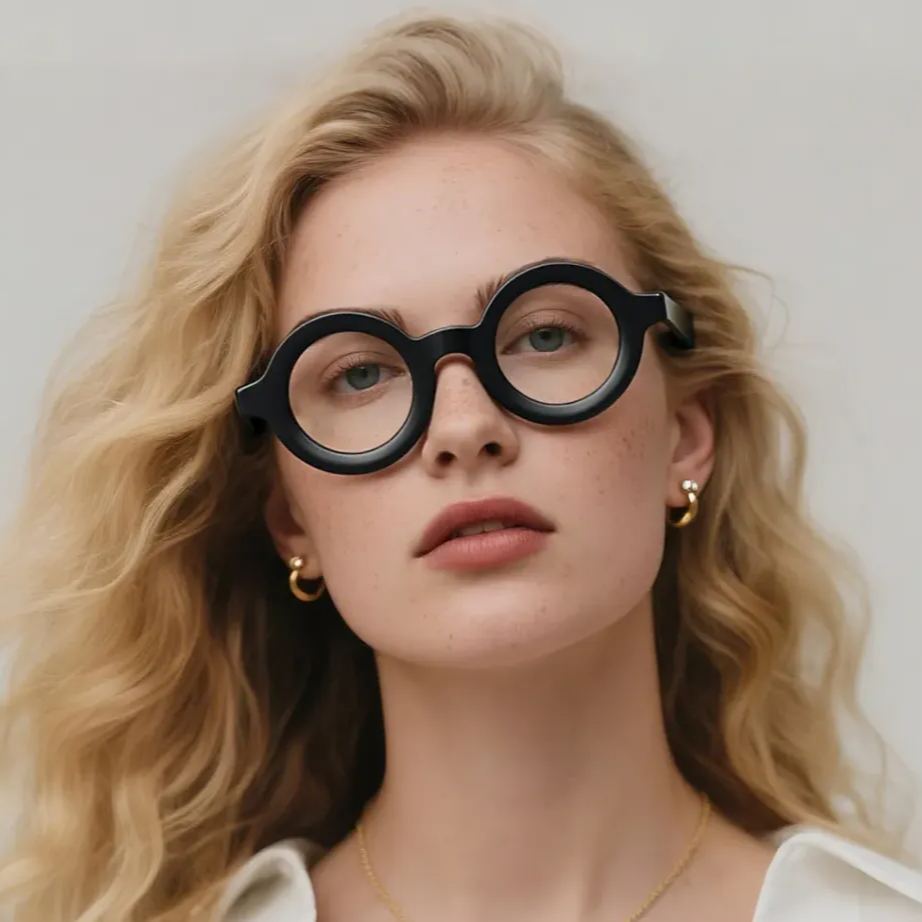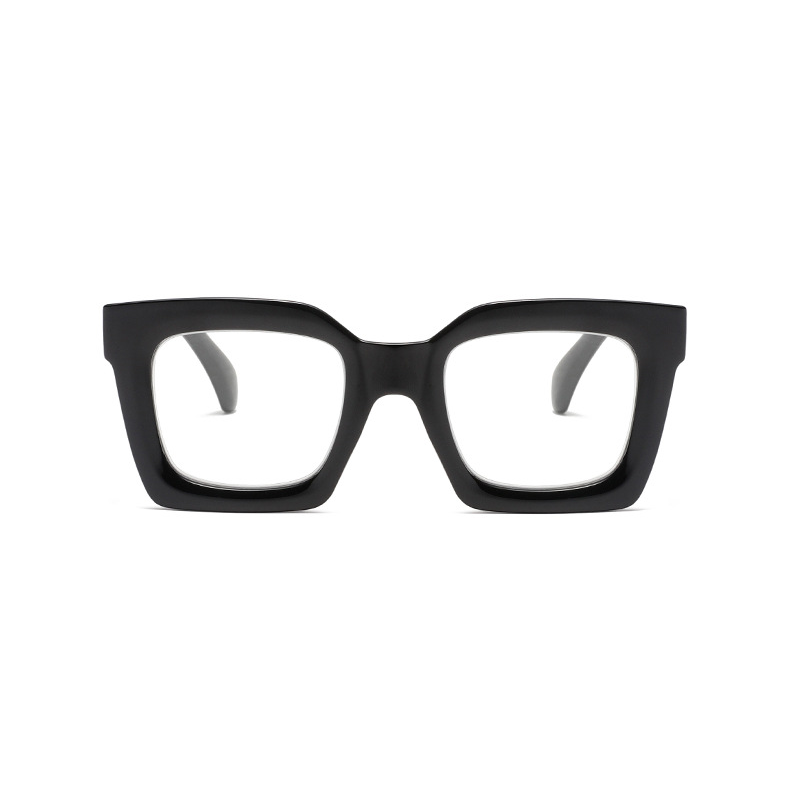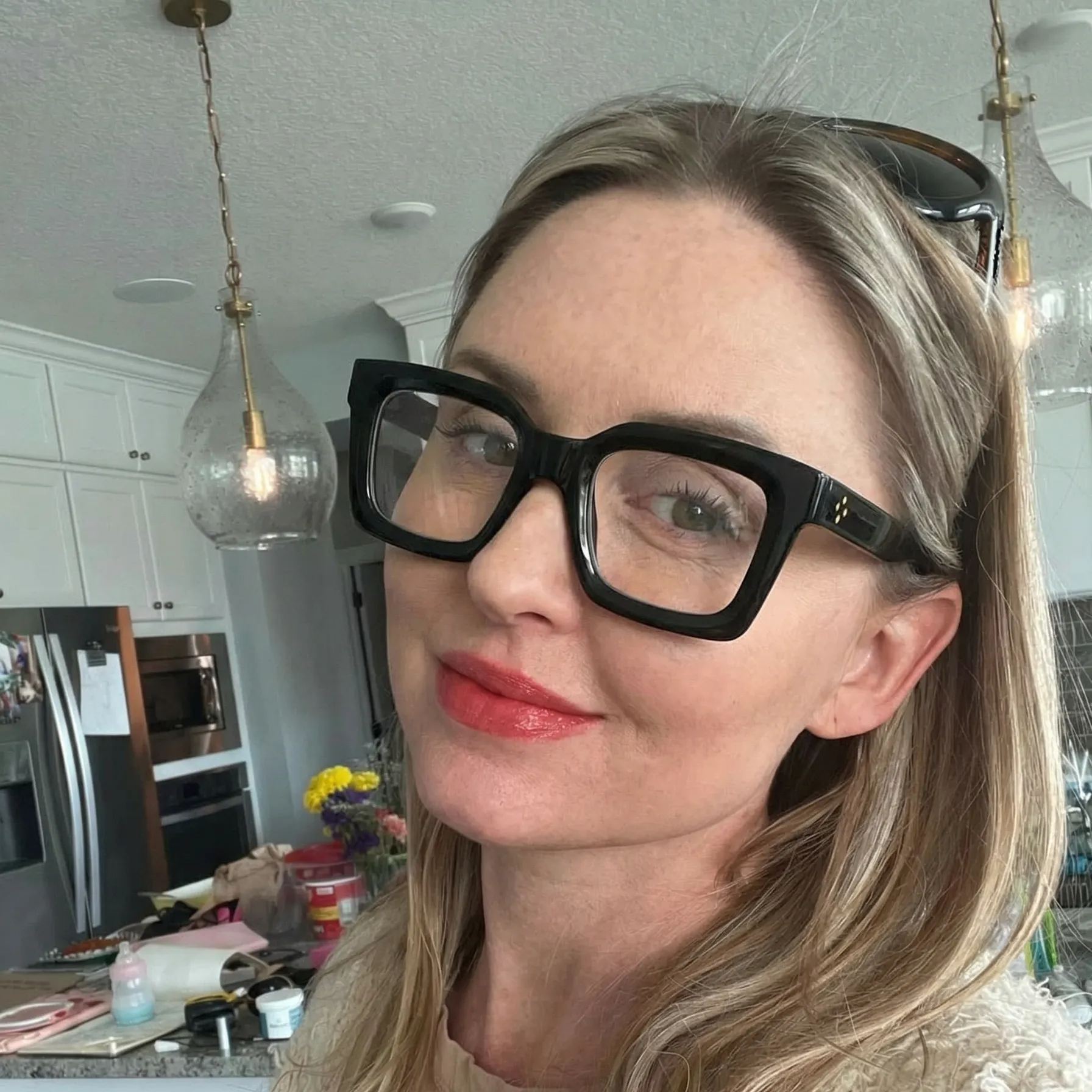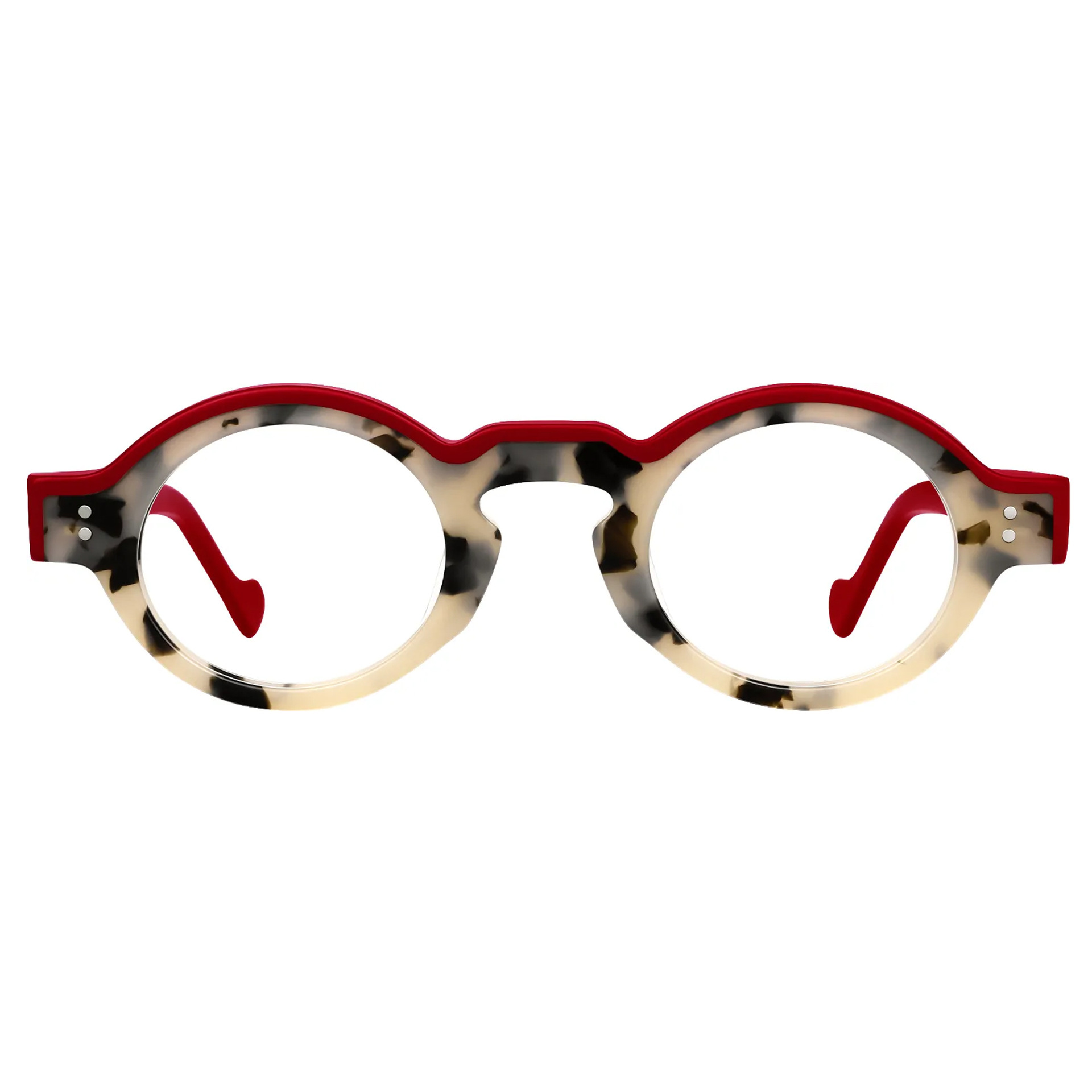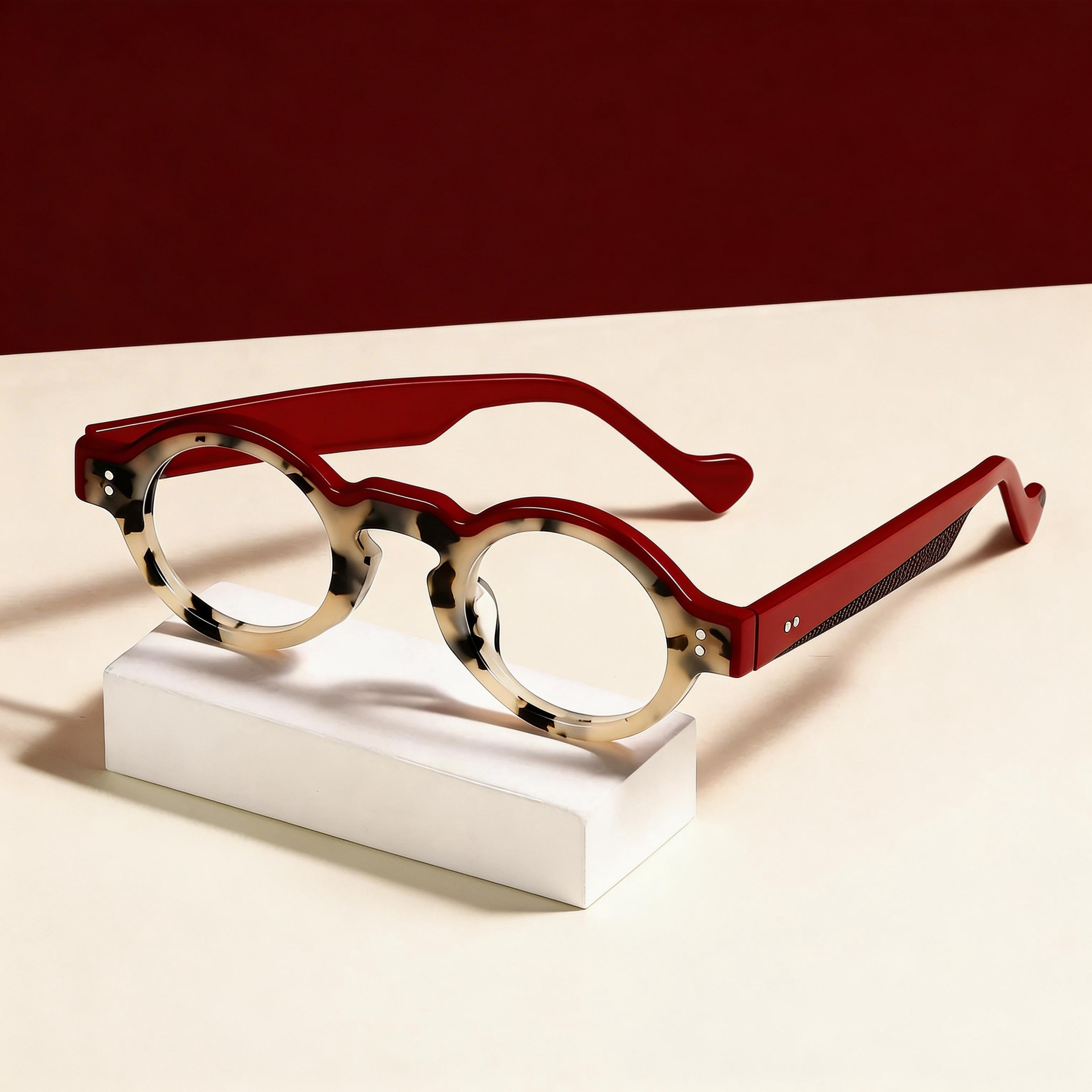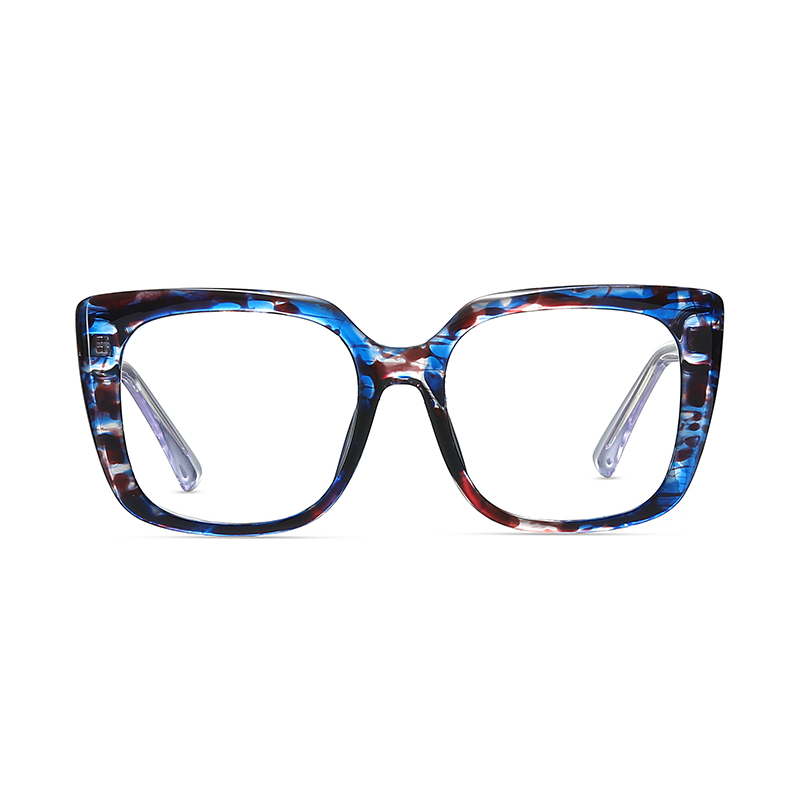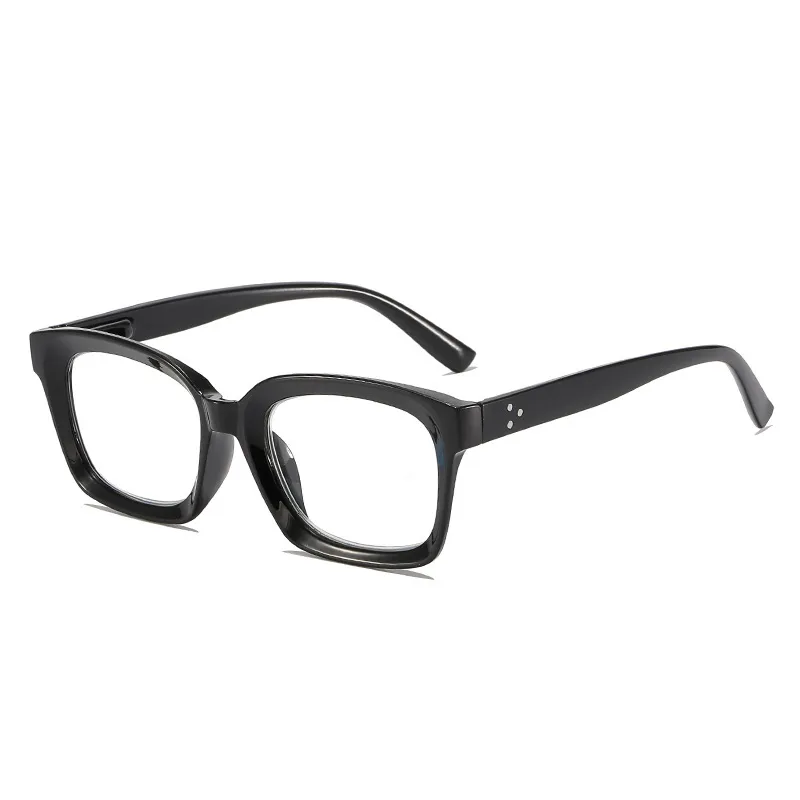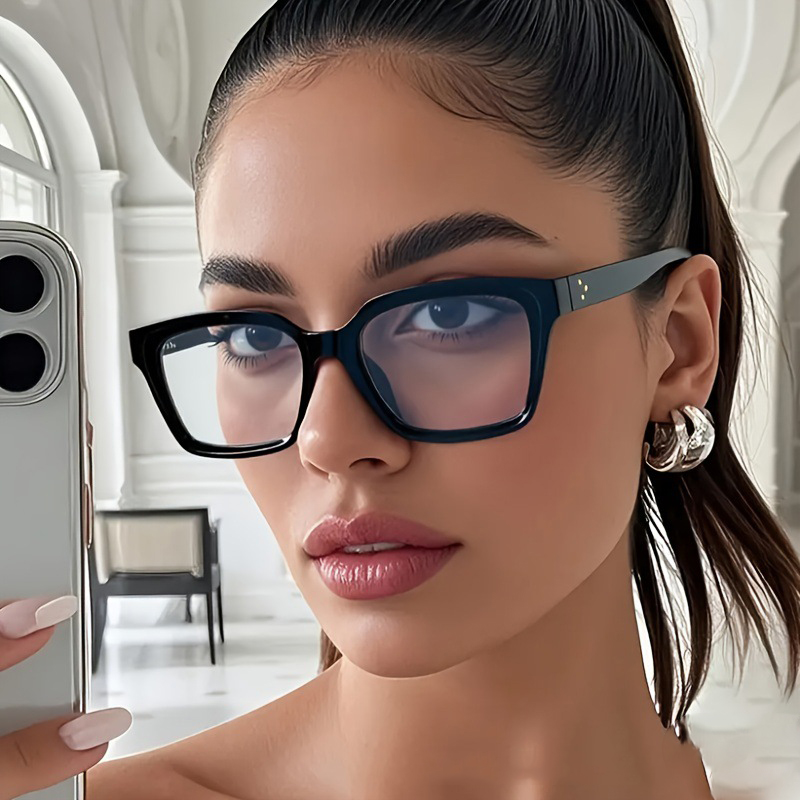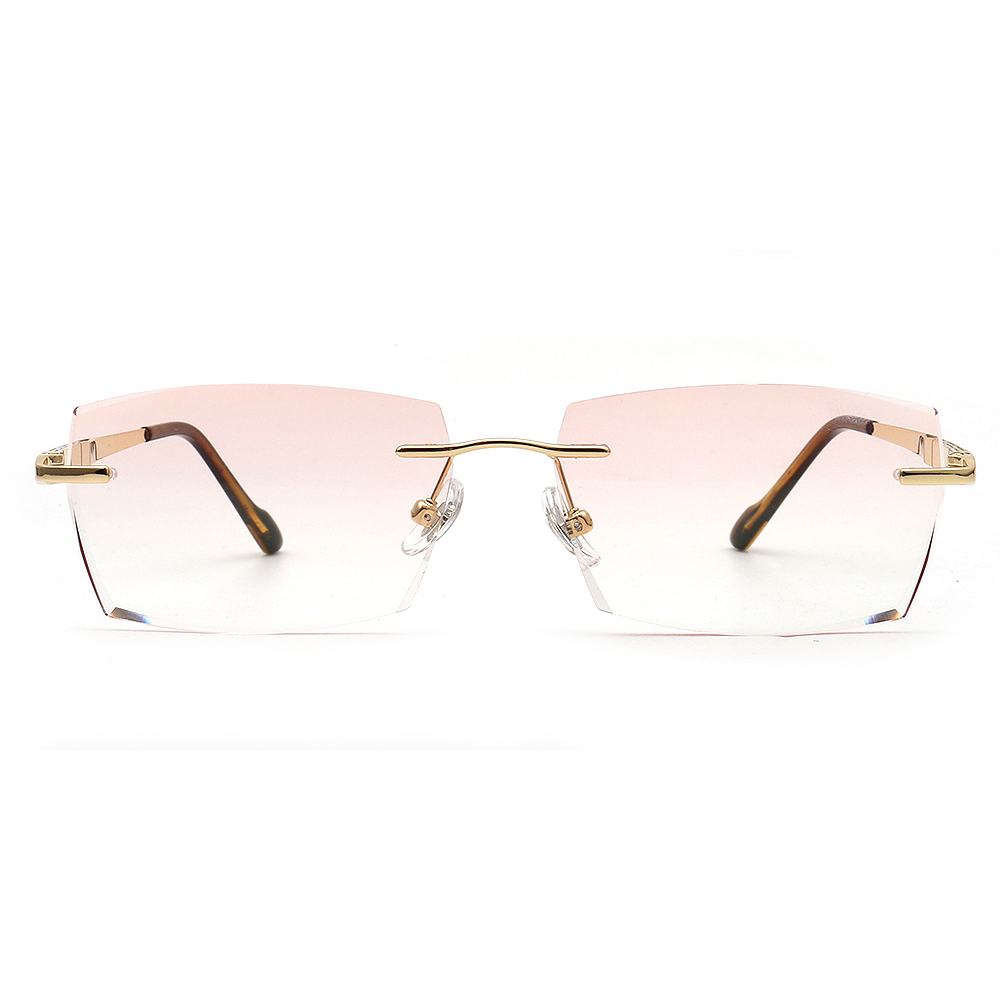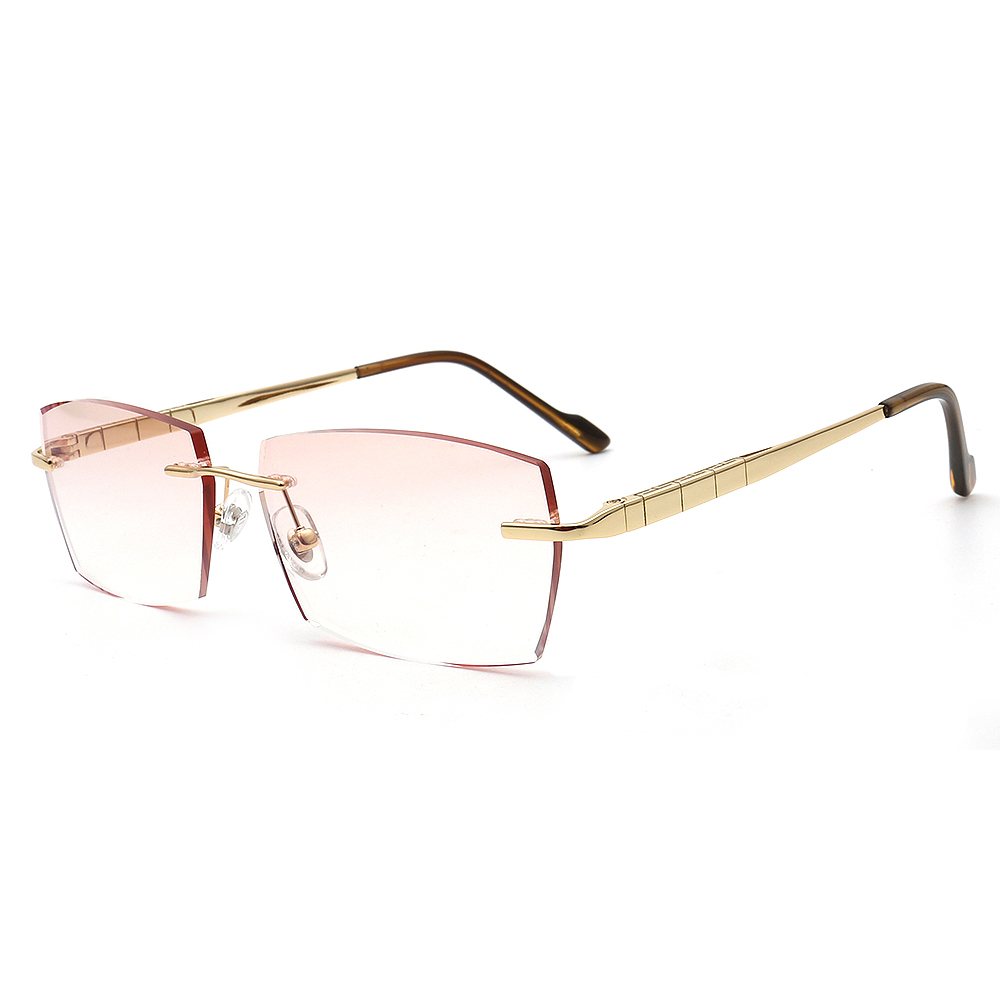

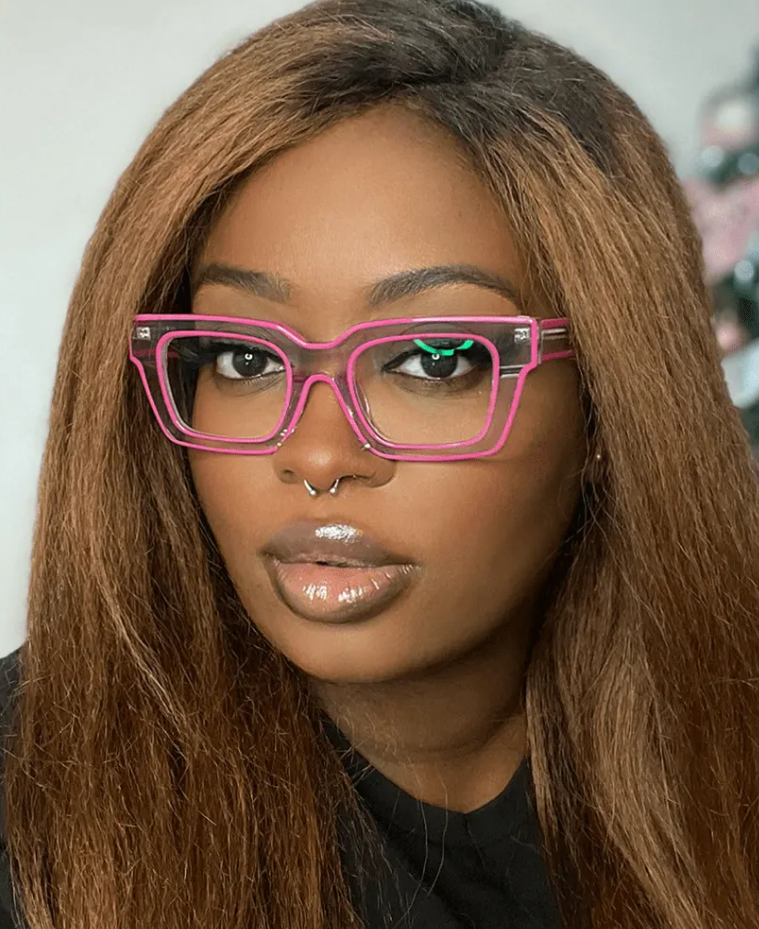
Non-prescribed glasses are eyewear you can wear without a doctor’s prescription. They don’t correct vision the way prescription lenses do—they’re mainly for protection, comfort, or style.
👓 Types of non-prescribed glasses
1. Plano (clear lens) glasses
- Lenses have no vision correction
- Used for fashion or light eye protection
✔ Good for: style, completing an outfit
❌ Not for: improving blurry vision
2. Blue light glasses
- Filter some blue light from screens
- Often used by people who spend long hours on devices
✔ May help with:
- Eye strain
- Screen fatigue
⚠️ Important: Evidence is mixed—these aren’t a medical necessity for most people.
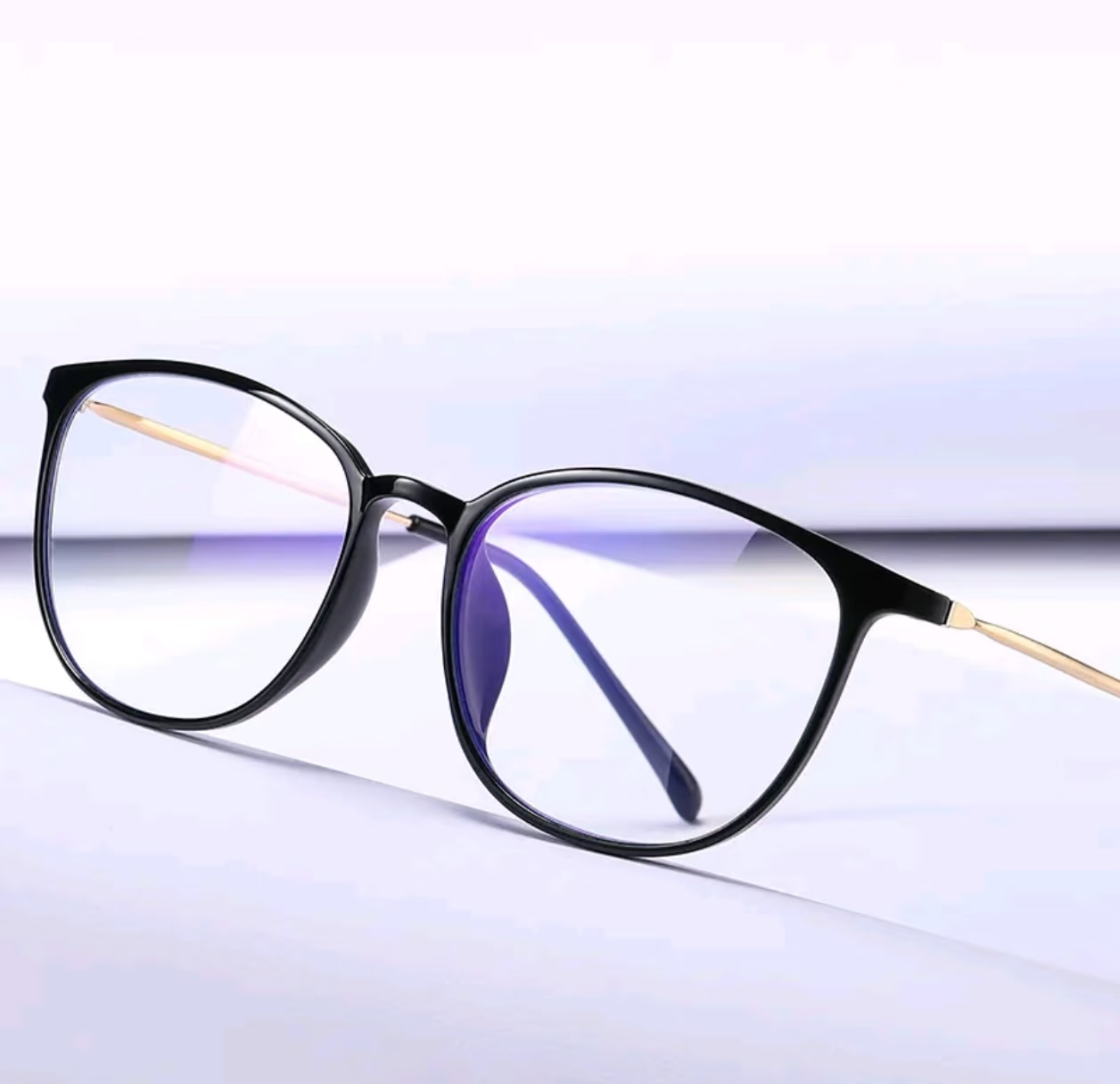
3. Reading glasses (OTC readers)
- Mild magnification (like +1.00 to +3.50)
- Sold over the counter without an eye exam
✔ Good for:
- Age-related close-up difficulty (early Presbyopia)
❌ Not ideal if:
- Your eyes need different prescriptions
- You have astigmatism or more complex vision needs
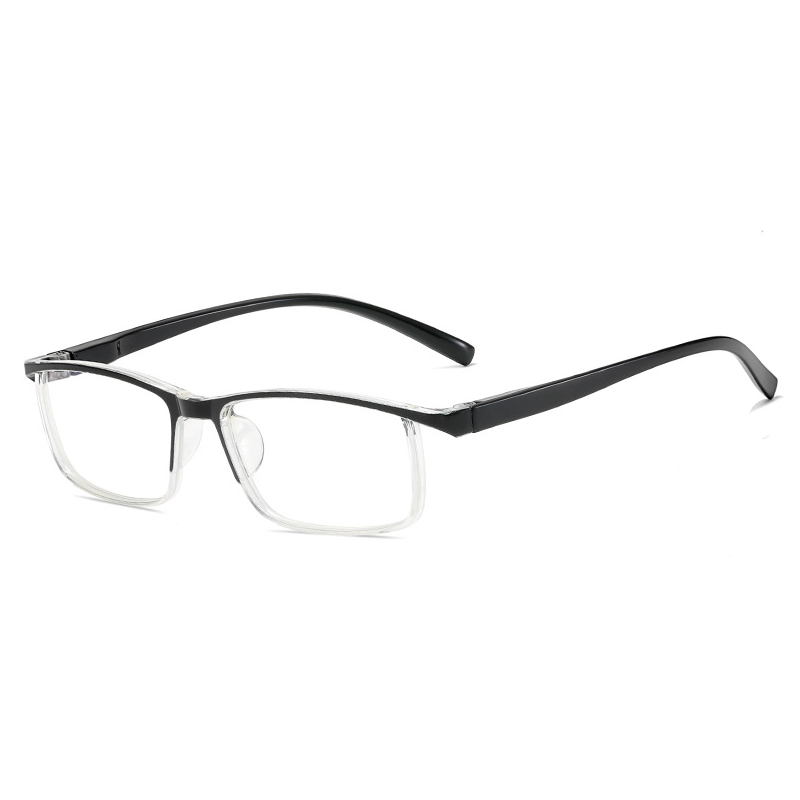
4. Safety or protective glasses
- Designed to protect eyes from dust, debris, or impact
- Used in work or sports settings
✔ Often meet standards from OSHA or ANSI
🧠 Key difference vs. prescription glasses
| Feature | Non-prescribed | Prescription |
|---|---|---|
| Vision correction | ❌ None (or minimal for readers) | ✅ Customized |
| Eye exam required | ❌ No | ✅ Yes |
| Use case | Style, comfort, protection | Clear vision |
⚠️ When NOT to rely on them
Non-prescribed glasses won’t fix:
- Blurry distance vision
- Astigmatism
- Eye coordination issues
If you’re squinting, getting headaches, or struggling to see clearly, it’s better to see an eye doctor than rely on non-prescription options.
✔️ Bottom line
Non-prescribed glasses are accessories or comfort tools, not medical vision correction. They’re great for style, screen use, or simple magnification—but if your vision isn’t clear, they’re not a substitute for real prescription lenses.
https://scoolglasses.com/products/round-glasses-mj-em23104
-1.png?h=2048&q=70&w=2048)




-3.jpg?w=800&h=800)