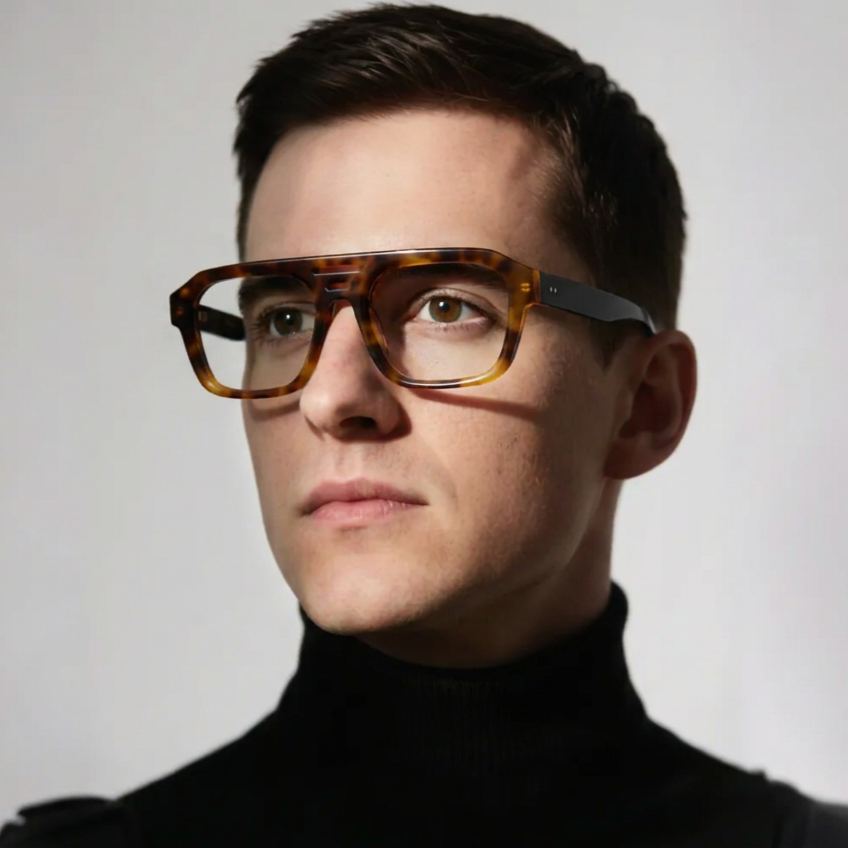


Choosing the right eyeglass lenses can make a big difference in comfort, vision clarity, and how well your glasses fit your daily life. Lenses aren’t one-size-fits-all—they’re designed for different prescriptions, activities, and visual needs.
Here’s a clear breakdown of the main types of eyeglass lenses and how to choose the right ones.
1. Single Vision Lenses
These lenses have one prescription power across the entire lens.
Best for:
- Nearsightedness (myopia)
- Farsightedness (hyperopia)
- Simple prescriptions (one distance only)
Why people choose them:
- Simple and affordable
- Clear vision at one distance (near or far)
2. Reading Lenses
A subtype of single vision lenses designed specifically for close-up work.
Best for:
- Reading books
- Phone use
- Detailed near tasks
Common use:
Often used by people with presbyopia (age-related near vision decline).
3. Bifocal Lenses
Lenses divided into two sections:
- Top: distance vision
- Bottom: near vision
Best for:
- People who need both reading and distance correction
Pros:
- No need to switch glasses
Cons:
- Visible line between prescriptions
- Image “jump” between zones
4. Progressive Lenses (No-Line Multifocals)
These provide a smooth transition between distance, intermediate, and near vision.
Best for:
- People who want all-in-one lenses without visible lines
- Presbyopia correction with a natural visual flow
Pros:
- No visible lines
- Natural vision transition
Cons:
- Slight adaptation period
- More expensive than bifocals
5. Computer / Intermediate Lenses
Optimized for mid-range distances (about arm’s length).
Best for:
- Office work
- Computer screens
- Desk tasks
Why they matter:
Regular reading or distance lenses may strain your eyes during long screen use.
6. Photochromic Lenses (Light-Adaptive)
These lenses darken in sunlight and become clear indoors.
Best for:
- People who move frequently between indoors and outdoors
Pros:
- Built-in sun protection
- No need for separate sunglasses
Cons:
- May not darken fully in cars (depending on UV exposure)
7. Polarized Lenses
These reduce glare from reflective surfaces like water, roads, or glass.
Best for:
- Driving
- Outdoor sports
- Beach or snow environments
Important note:
Polarization is usually used in sunglasses, not standard indoor prescription glasses.
8. High-Index Lenses
Designed to be thinner and lighter than standard lenses.
Best for:
- Strong prescriptions
- People who want lighter, more comfortable glasses
Why they matter:
Thicker lenses can feel heavy and distort facial appearance—high-index reduces that effect.
9. Aspheric Lenses
These have a flatter, more refined curve than traditional lenses.
Best for:
- Reducing lens distortion
- Improving aesthetics (less “bulging” look in strong prescriptions)
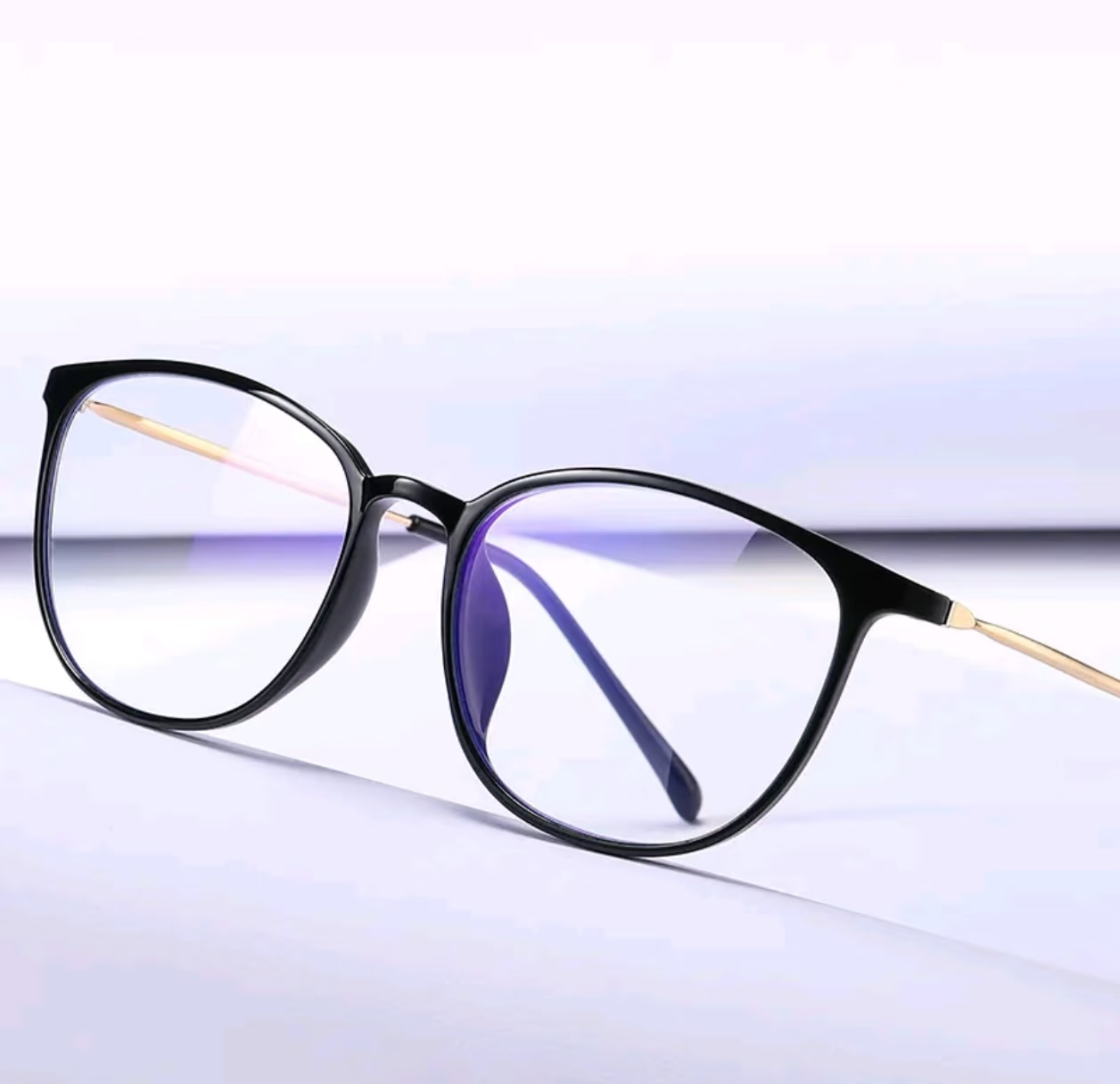
10. Blue Light Blocking Lenses
Designed to filter some blue light from screens.
Best for:
- Heavy computer or phone users
- People experiencing digital eye strain
Note:
Effectiveness is still debated, but many users report reduced eye fatigue.
Lens Materials (Also Important)
- Plastic (CR-39): Affordable, lightweight, basic use
- Polycarbonate: Impact-resistant, good for kids and active lifestyles
- Trivex: Similar to polycarbonate but sharper optics
- High-index plastic: Best for strong prescriptions, thinner lenses
- Glass: Very clear optics but heavier and less common today
How to Choose the Right Lenses
Here’s a simple decision guide:
1. Your Prescription
- Low prescription → standard plastic or polycarbonate
- High prescription → high-index + aspheric lenses
2. Your Daily Activities
- Office/computer work → computer lenses + blue light filter
- Outdoor lifestyle → photochromic or polarized lenses
- Mixed use → progressive lenses
3. Comfort & Weight
- Lightest option → high-index or Trivex
- Durable option → polycarbonate
4. Budget
- Basic → single vision plastic lenses
- Mid-range → polycarbonate + coatings
- Premium → progressive + high-index + coatings
Final Tip
The best lens choice is usually a combination:
- Lens type (single vision / progressive)
- Material (polycarbonate / high-index)
- Coatings (anti-reflective, scratch-resistant, UV protection)
https://scoolglasses.com/products/rectangle-glasses-69-701





-1.png?w=2048&h=2048)


.jpg?w=569&h=569)
-1.png?w=800&h=800)


-14--1.png?w=2048&h=2048)