

When Were Glasses Invented? A Complete History of Eyeglasses
Eyeglasses weren’t invented in a single moment—they evolved over centuries as science, craftsmanship, and human need for better vision came together. The story of glasses is a mix of medieval innovation, optical discovery, and modern design refinement.
1. The First Eyeglasses (Late 1200s, Italy)
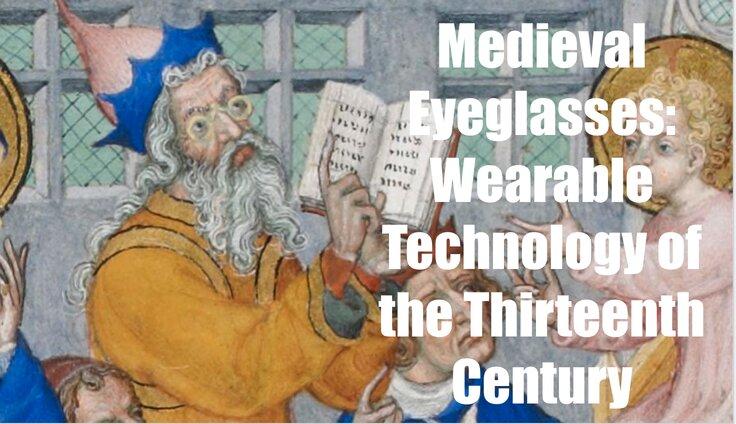
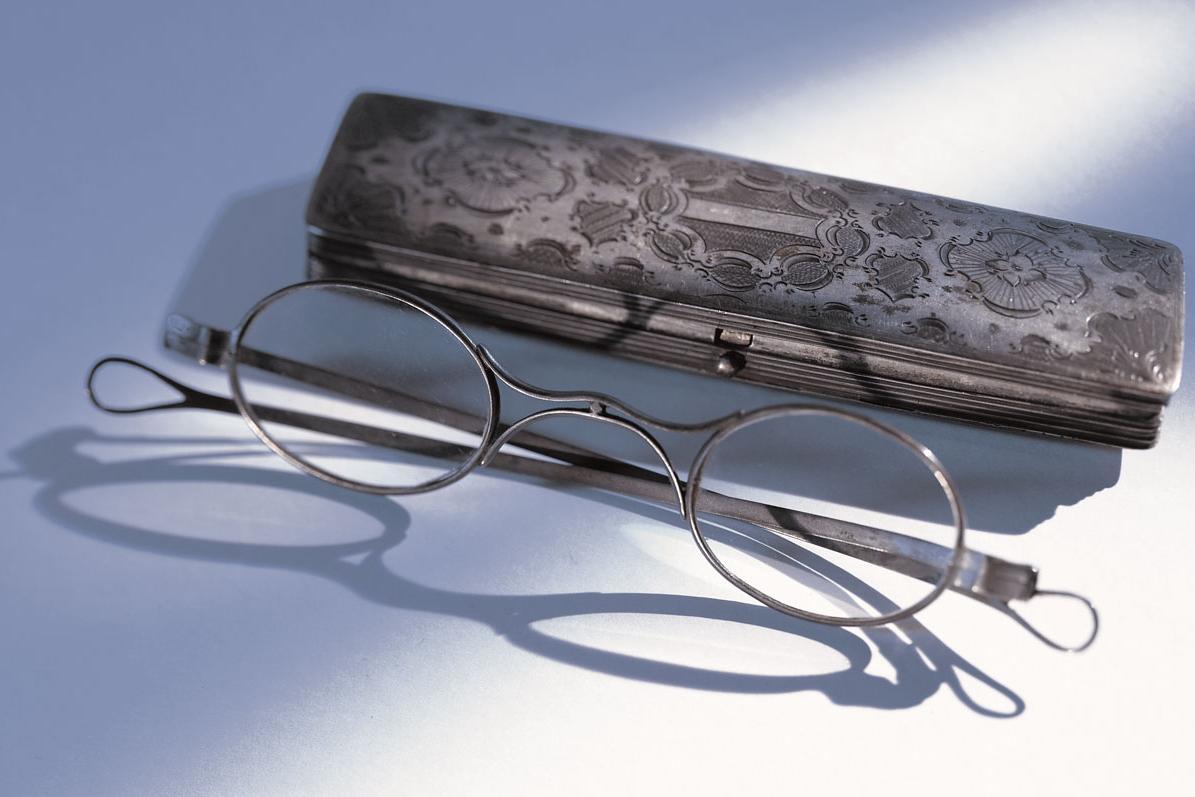
Most historians agree that the first wearable eyeglasses appeared in Italy around the late 13th century (circa 1280–1300).
- Likely invented in northern Italy (possibly Pisa or Venice)
- Made with convex lenses to help with farsightedness (presbyopia)
- Early users were mainly monks and scholars
These early glasses had:
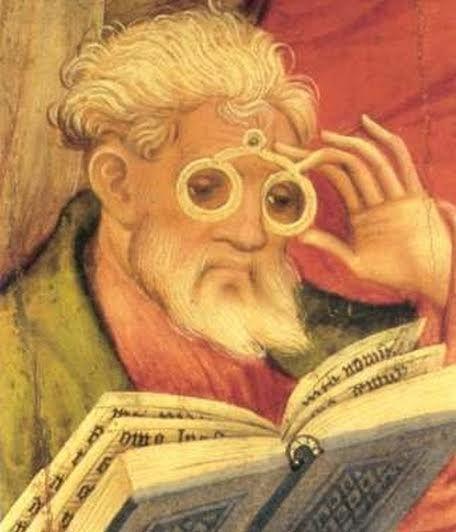
- No arms (they were hand-held or balanced on the nose)
- Simple riveted frames
- Crude but functional lens grinding
👉 The earliest known depiction appears in a 14th-century painting of a monk wearing glasses.
2. Early Spread Across Europe (1300s–1400s)
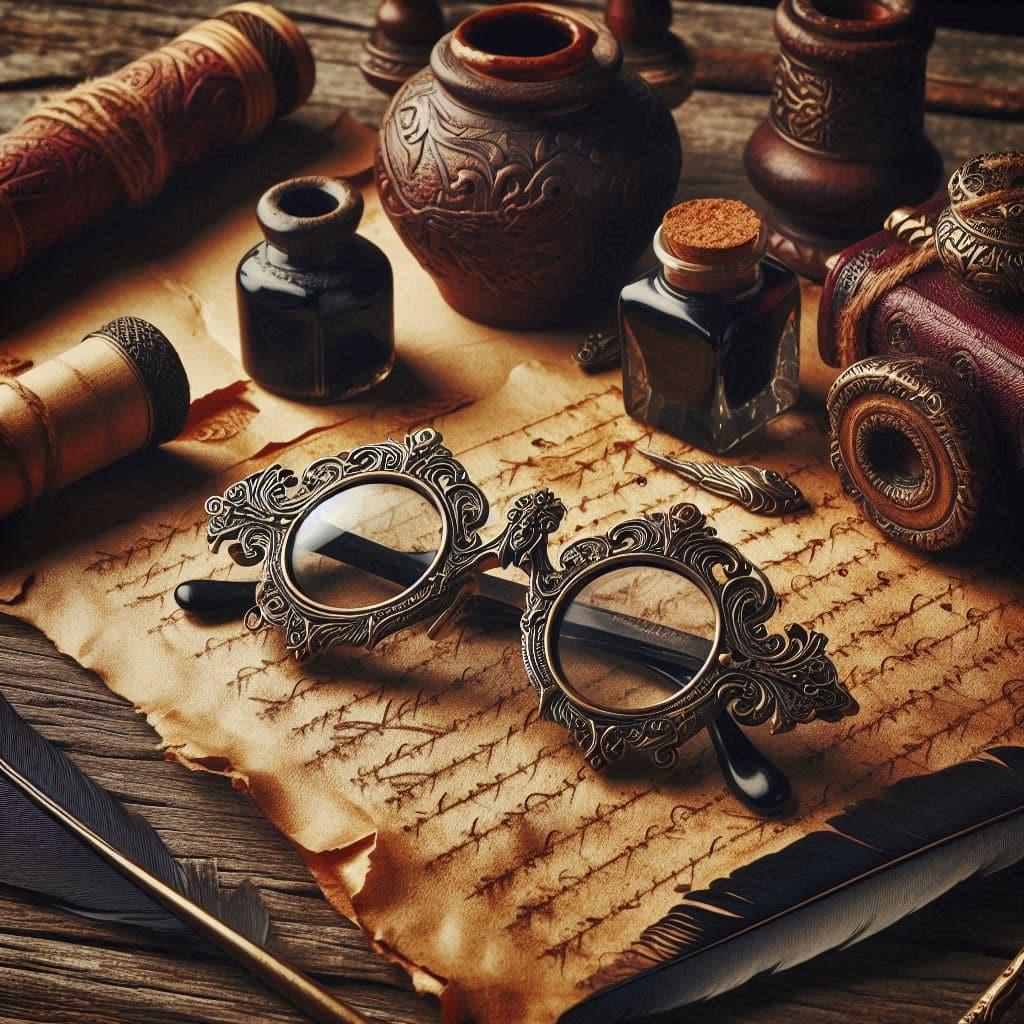

After their invention, glasses quickly spread across Europe:
- Venice became a major center for lens-making
- Craftsmen refined glass grinding techniques
- Glasses were considered a luxury item
By the 15th century:
- Eyeglasses were more common among scholars and merchants
- Designs improved slightly but still lacked side arms
3. The Renaissance & Optical Advancements (1500s–1600s)
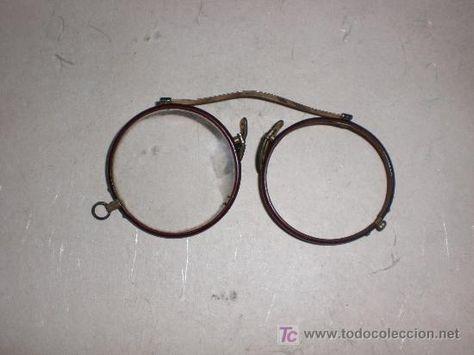
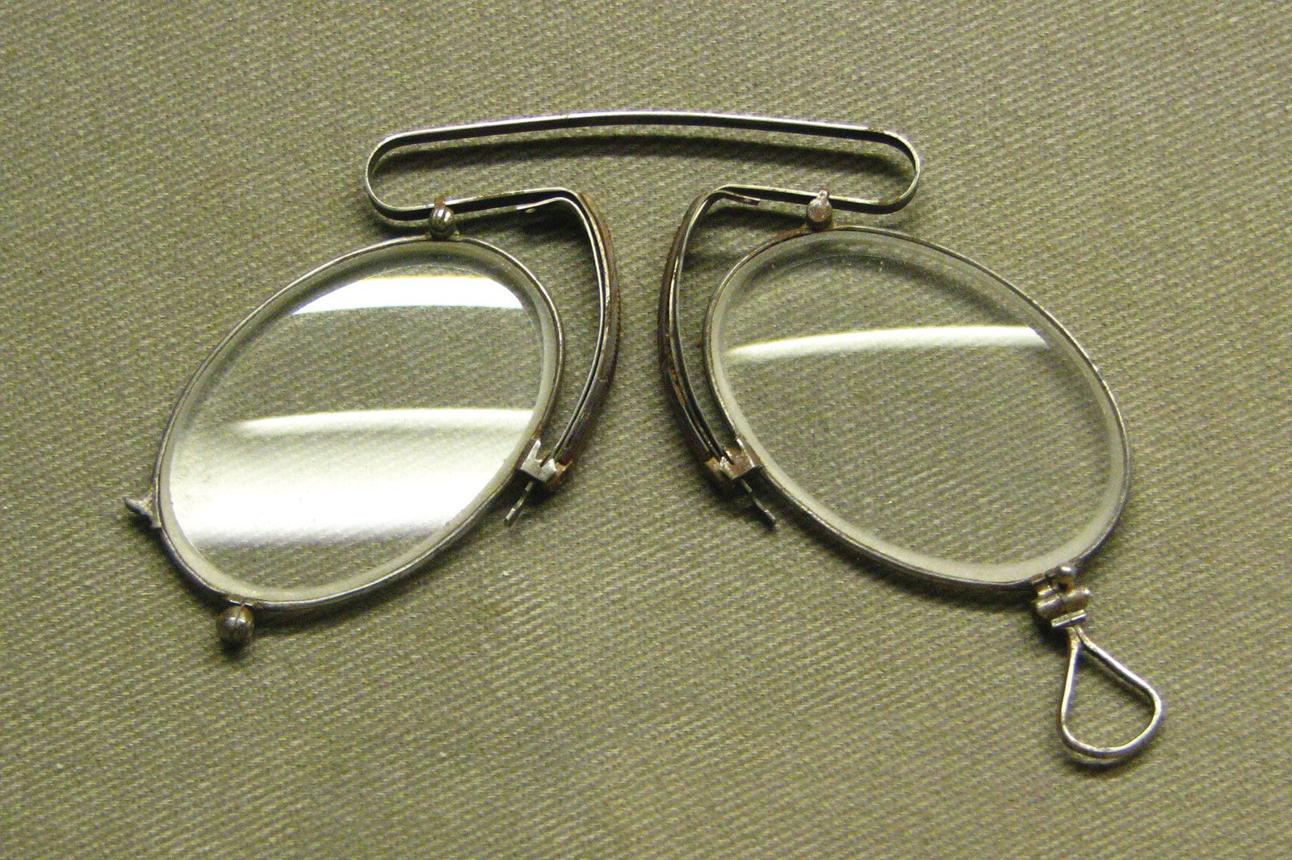
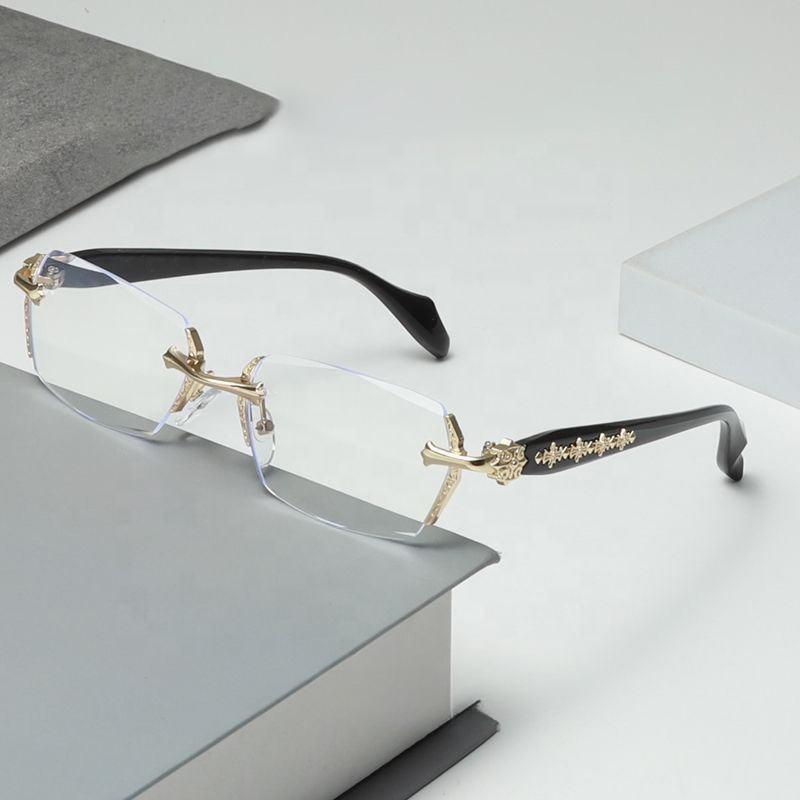
During the Renaissance, optical science advanced significantly:
- Leonardo da Vinci studied light and vision concepts
- Scientists improved lens curvature understanding
- Glasses became more widespread among educated elites
Key innovations:
- Introduction of concave lenses for nearsightedness (myopia)
- Improved symmetry and lens clarity
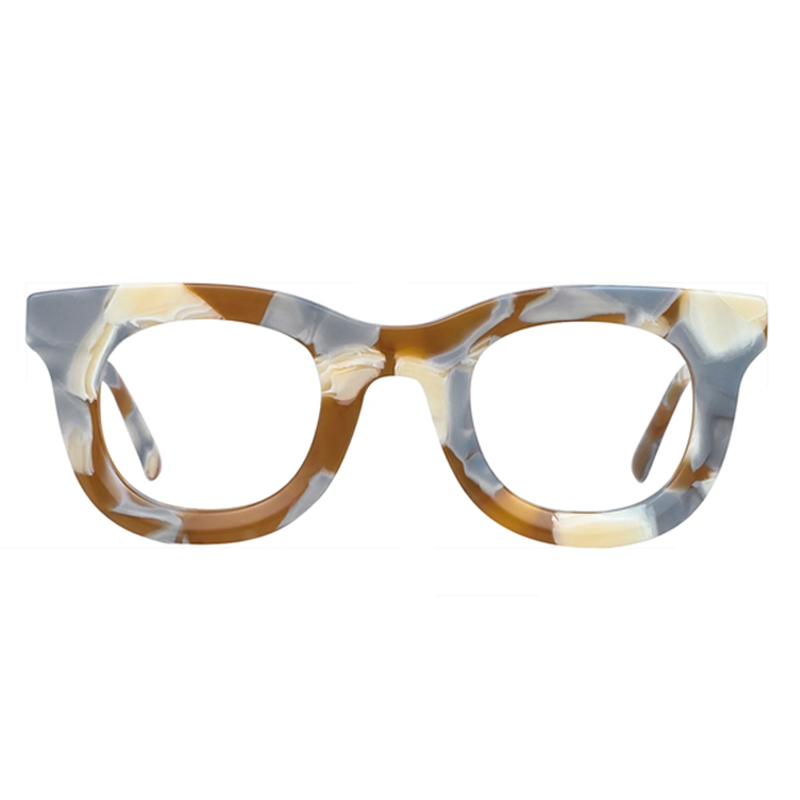
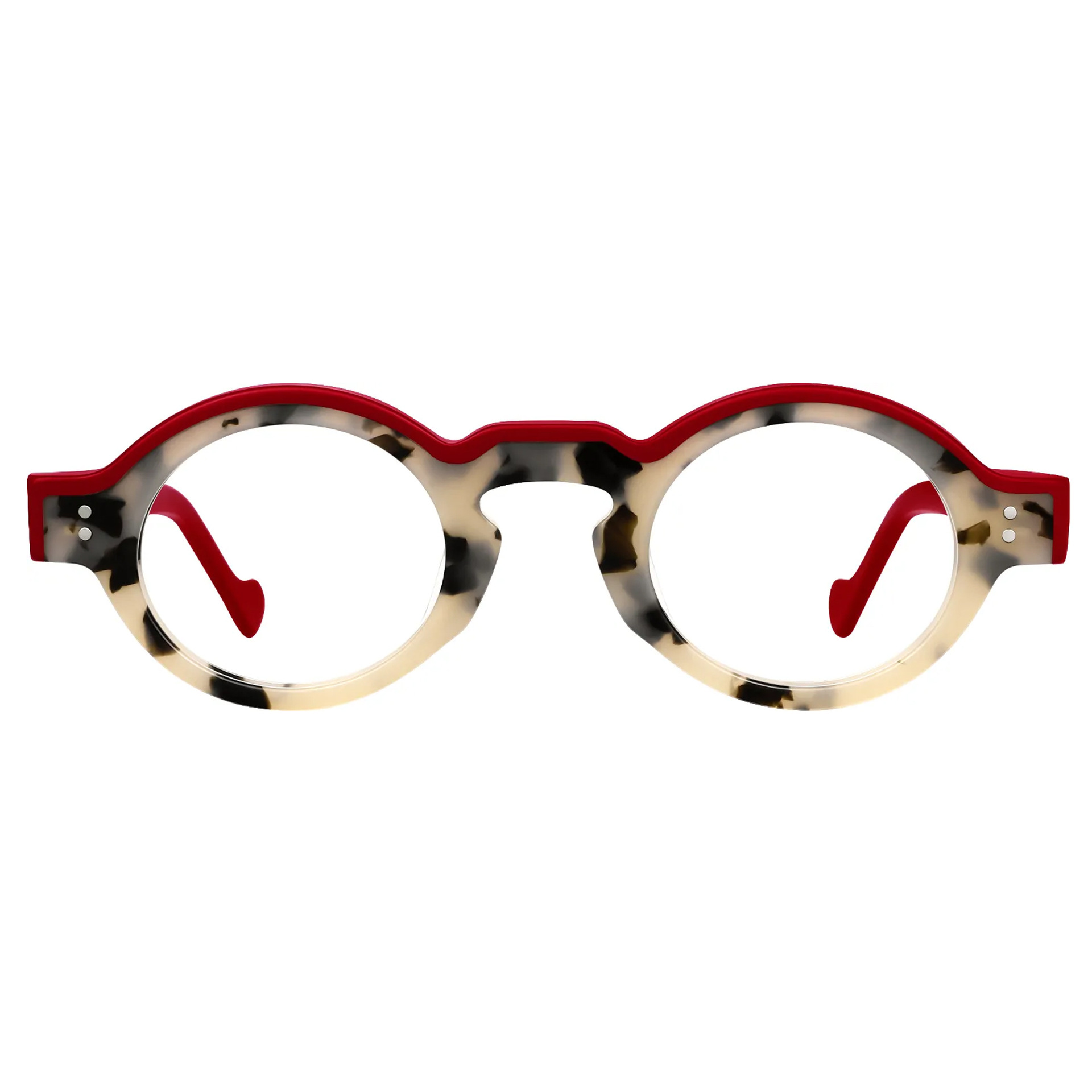
- Decorative frames began appearing
4. The Birth of Modern Eyeglasses (1700s–1800s)
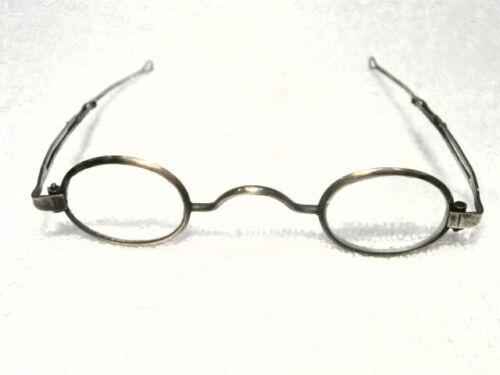
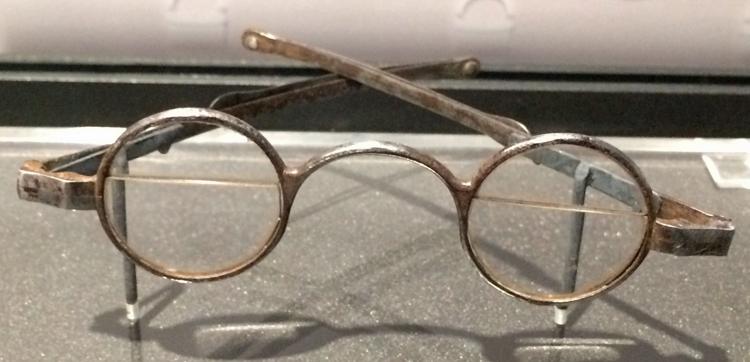
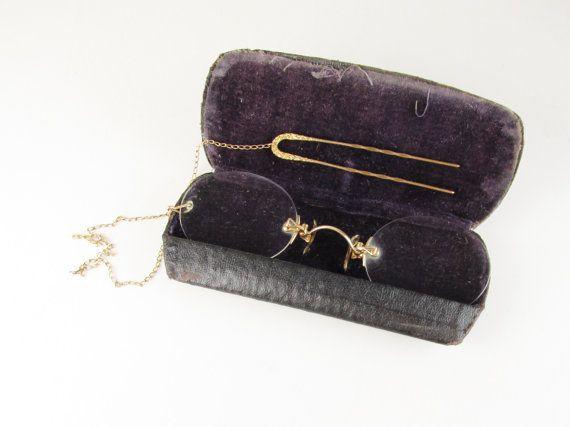
Major breakthroughs occurred in this era:
Key developments:
- Temple arms (side arms) invented → glasses could rest on ears
- Benjamin Franklin (1700s) created bifocals (distance + reading lenses)
- Mass production began in the 19th century
Glasses became:
- More comfortable
- More widely available
- Less of a luxury item
5. 20th Century: Mass Adoption & Fashion Era
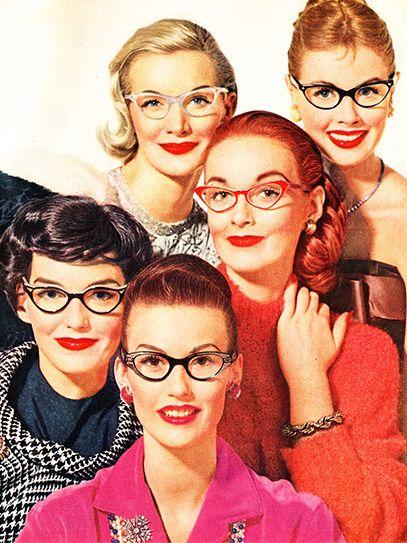
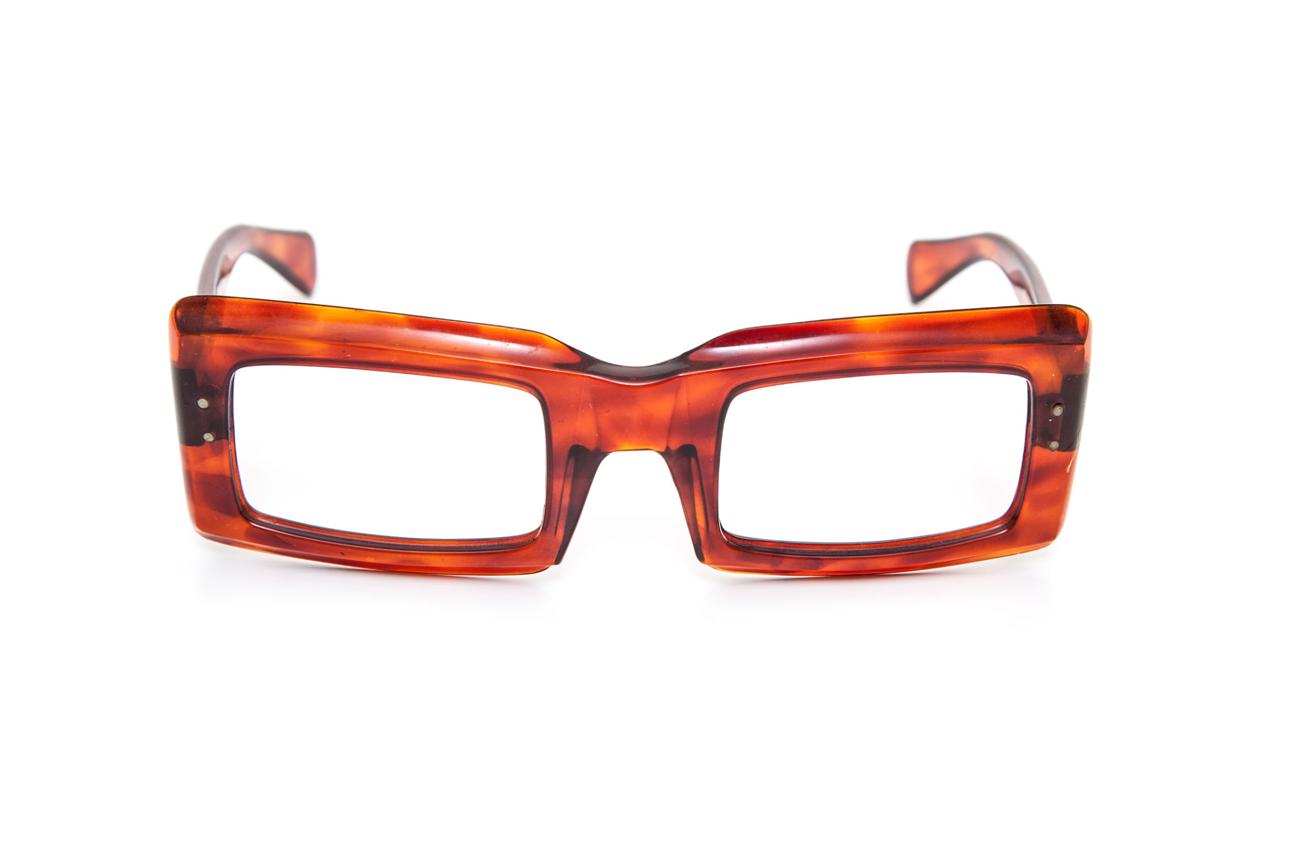
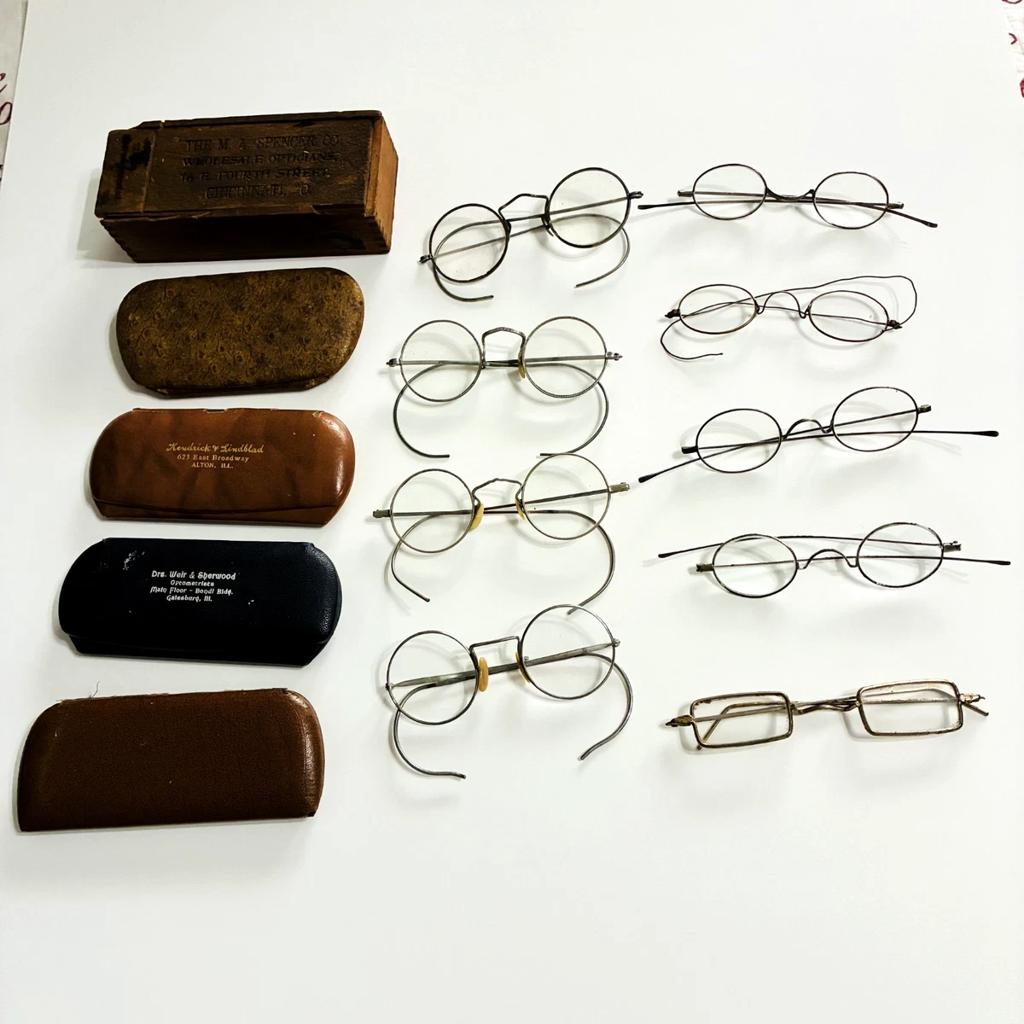
In the 1900s, eyeglasses transformed into both a medical tool and fashion accessory:
- Plastic frames introduced
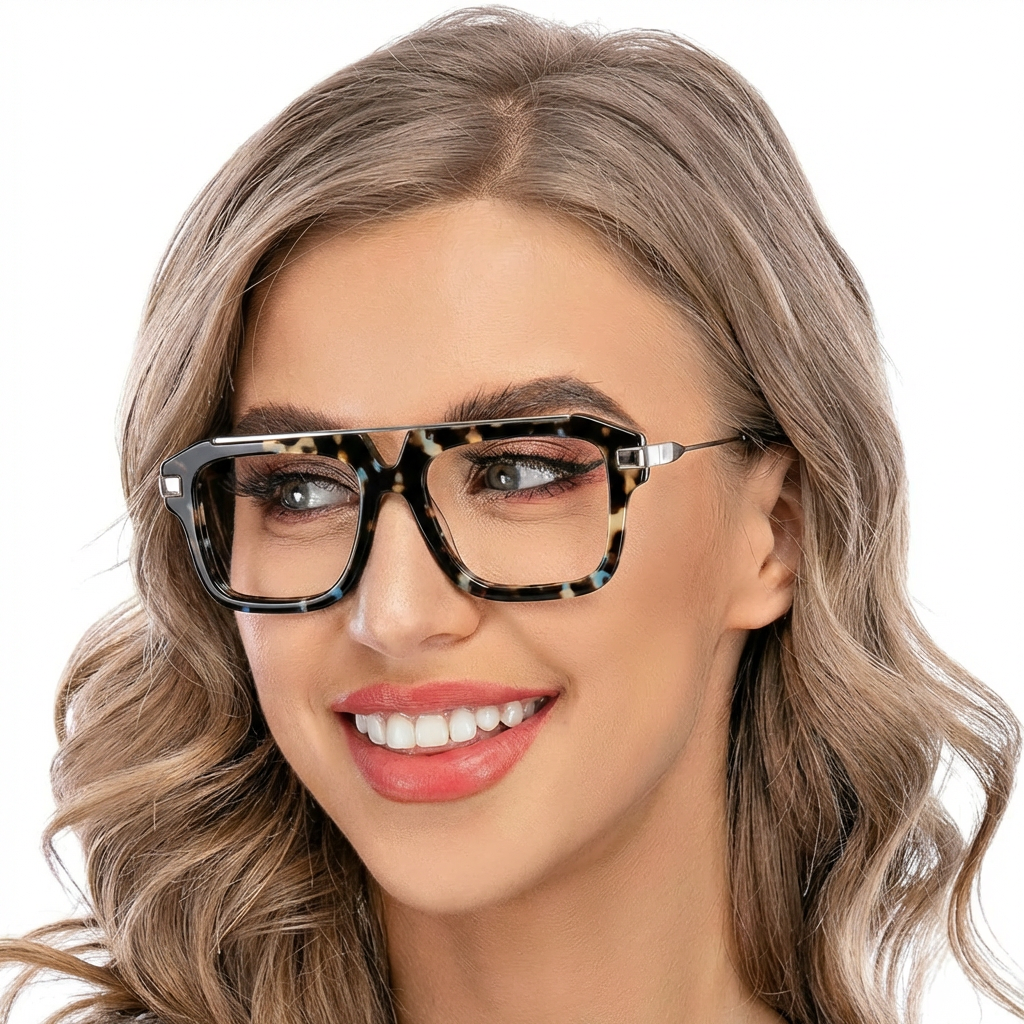
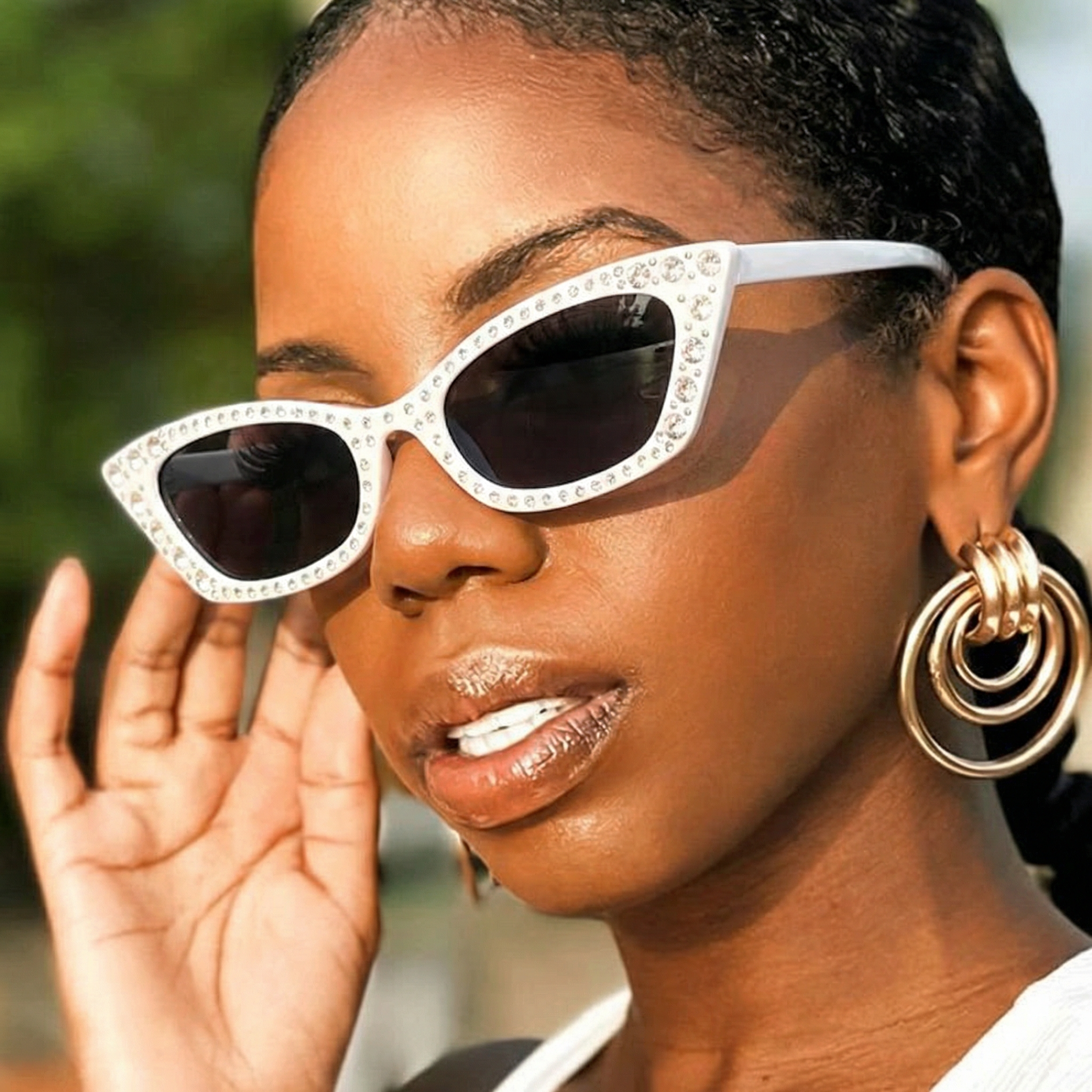
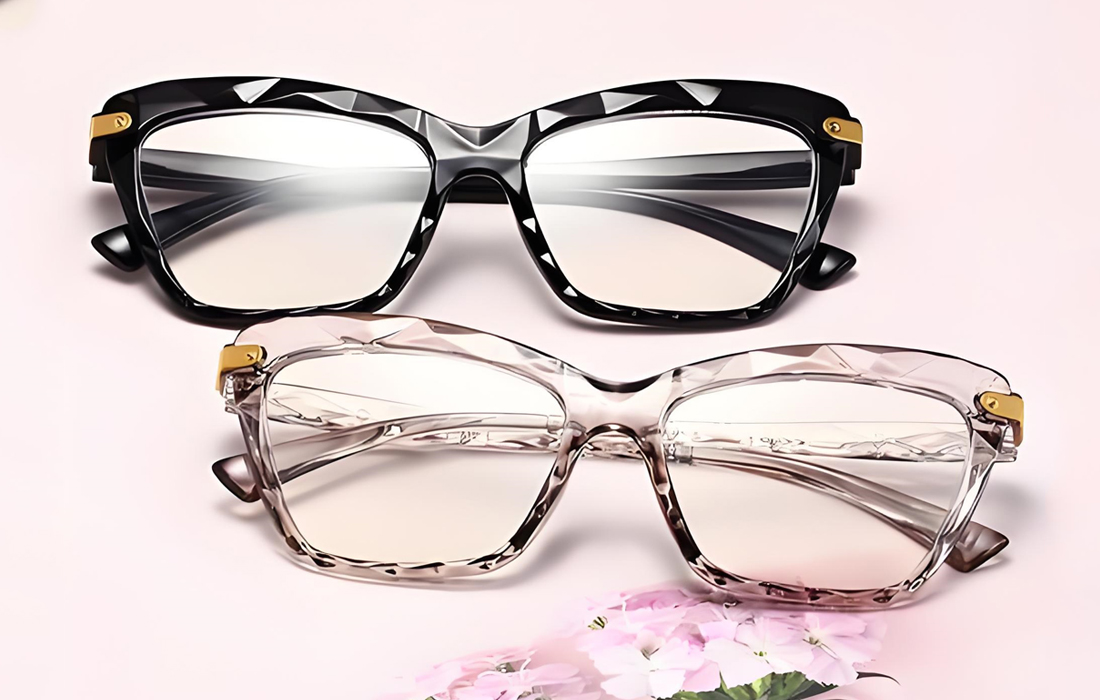
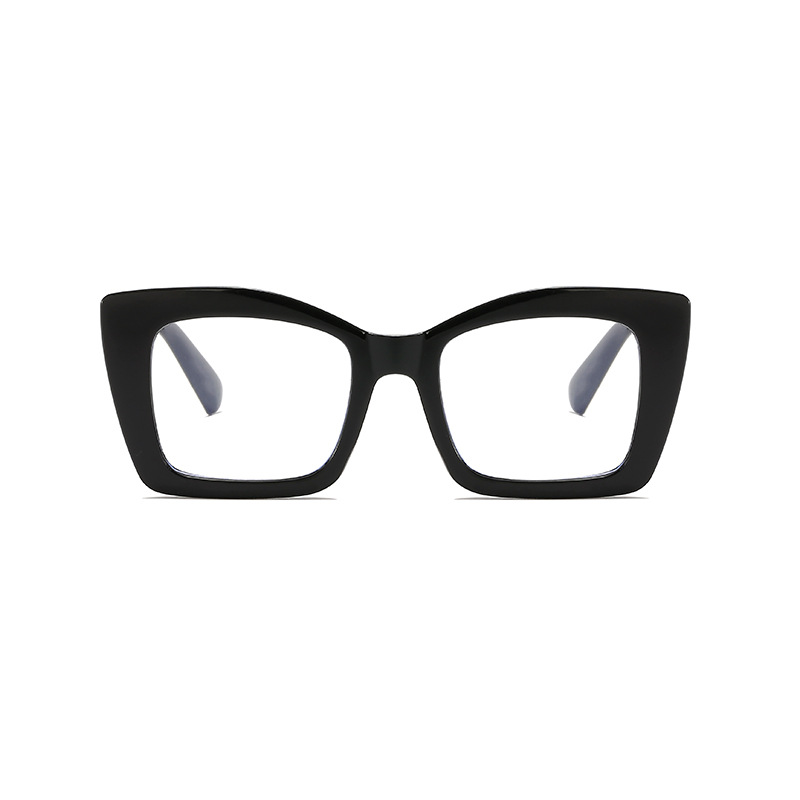
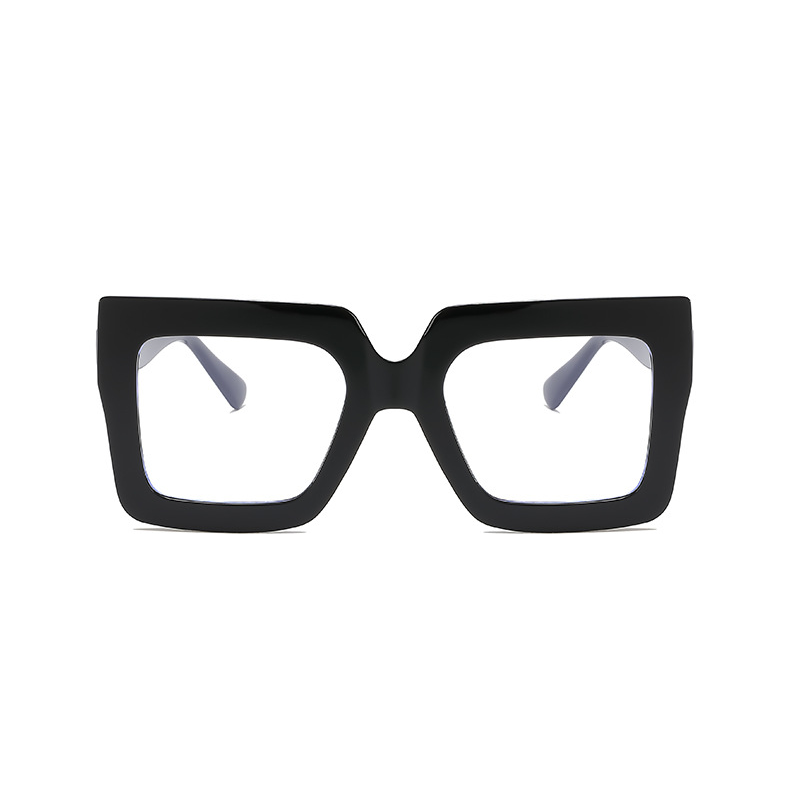
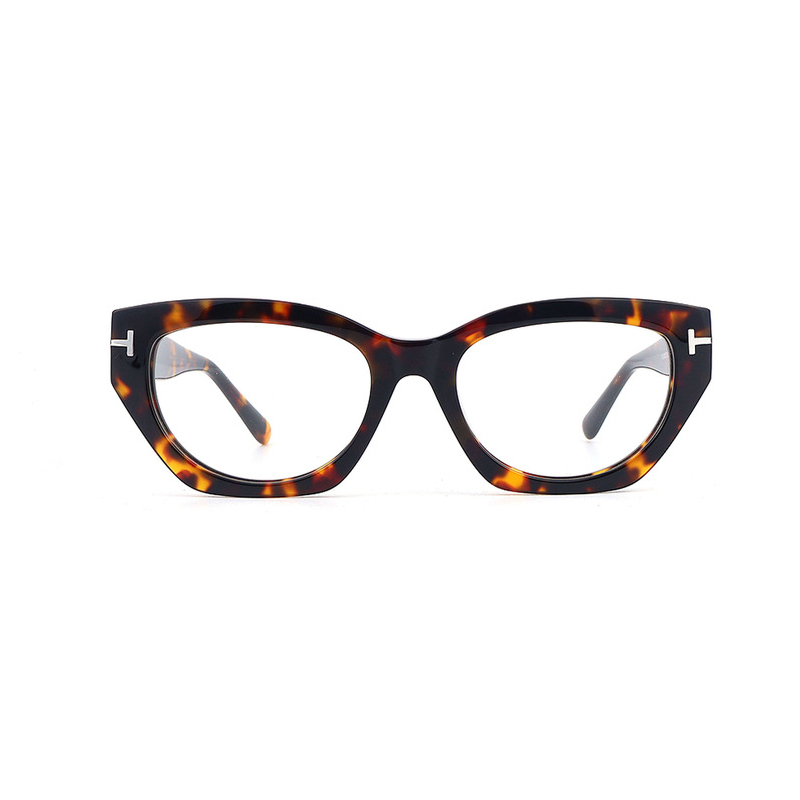
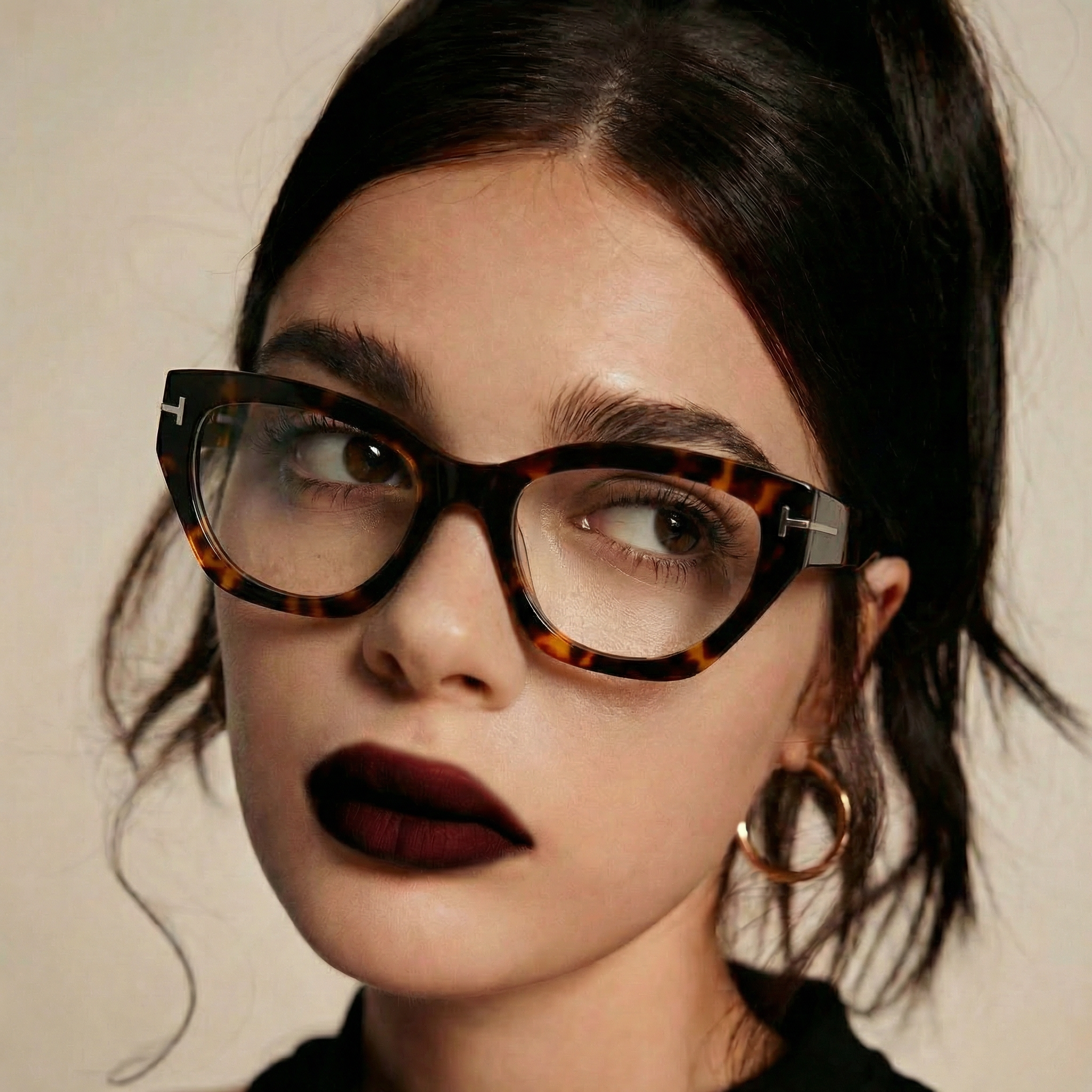
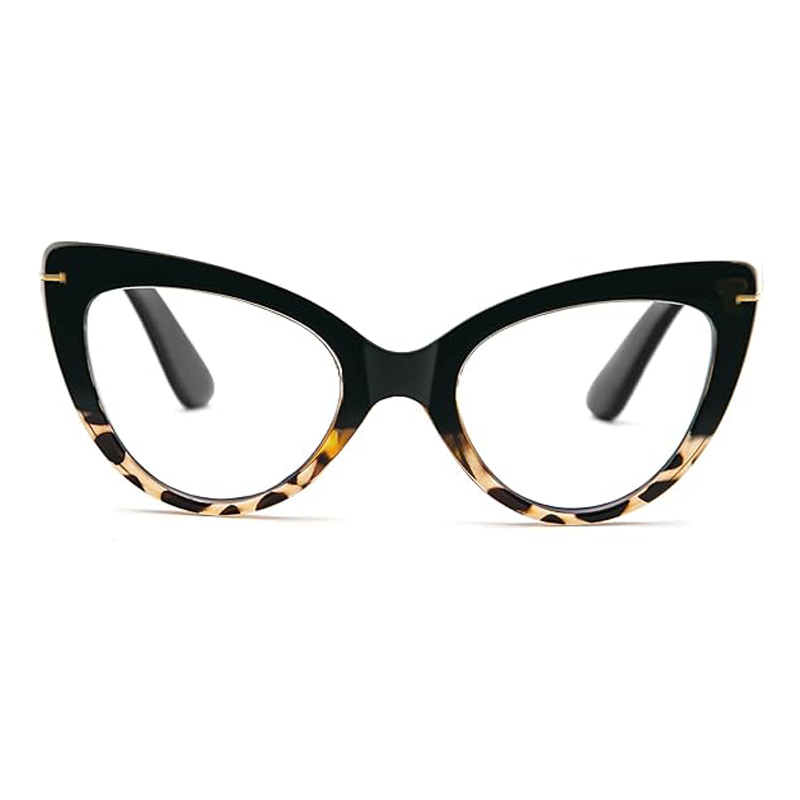
- Iconic styles emerged (cat-eye, horn-rim, aviator)
- Prescription lenses became highly precise
- Sunglasses became mainstream
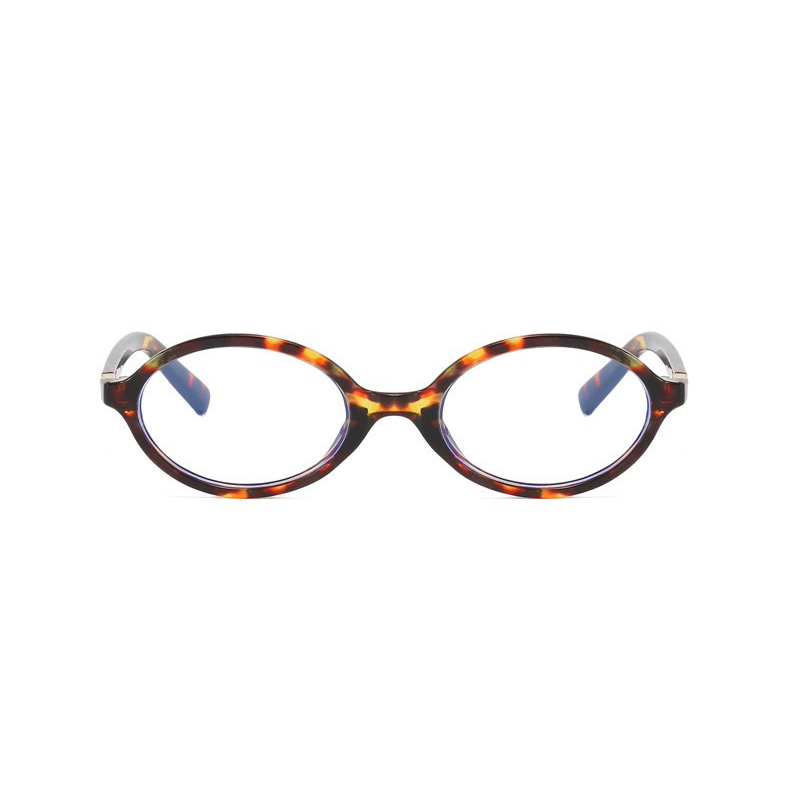
Eyeglasses were no longer just corrective—they became personal style statements.
6. Modern Eyewear (2000s–Today)
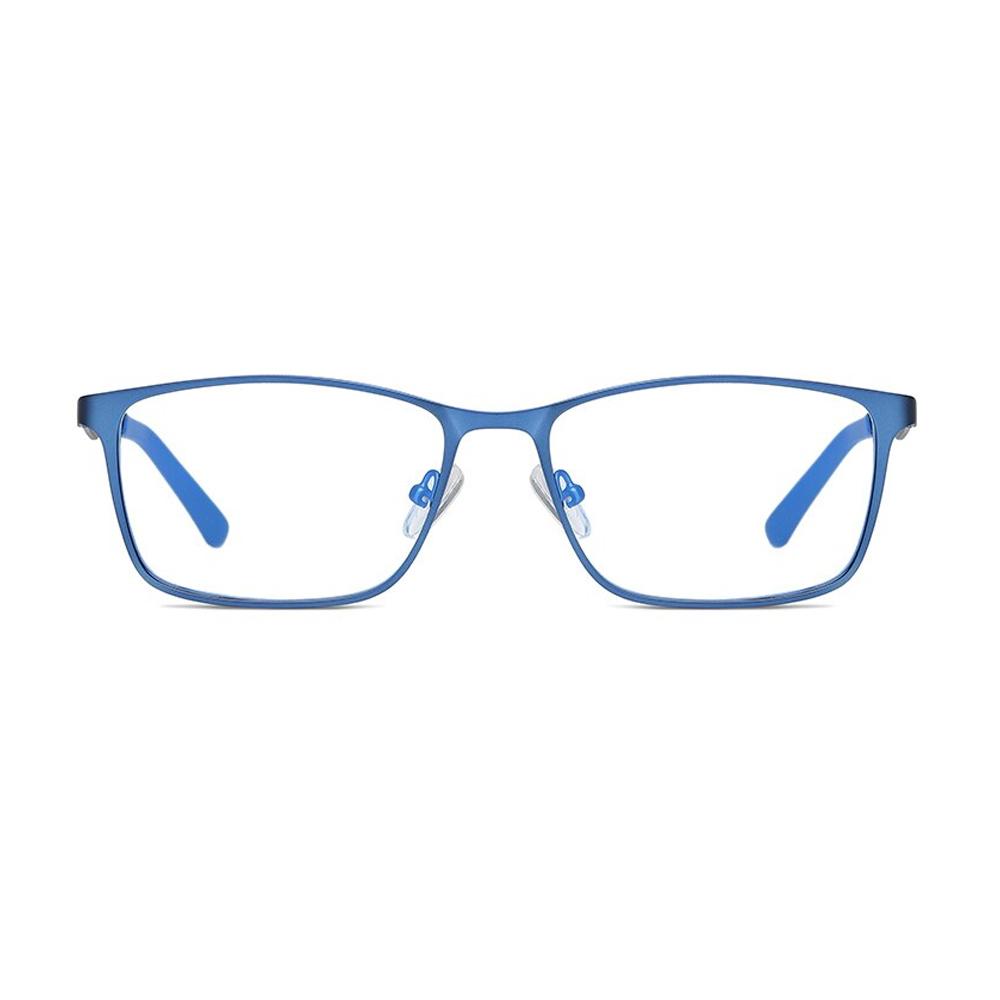
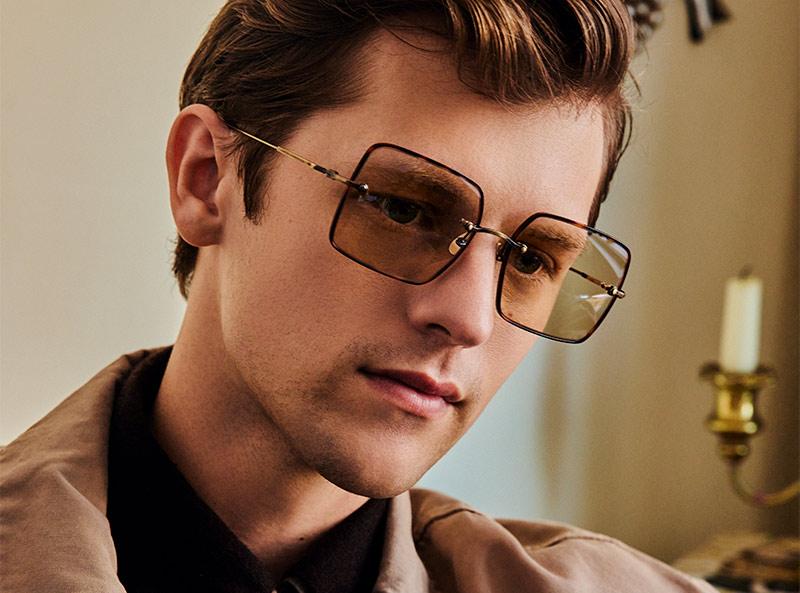
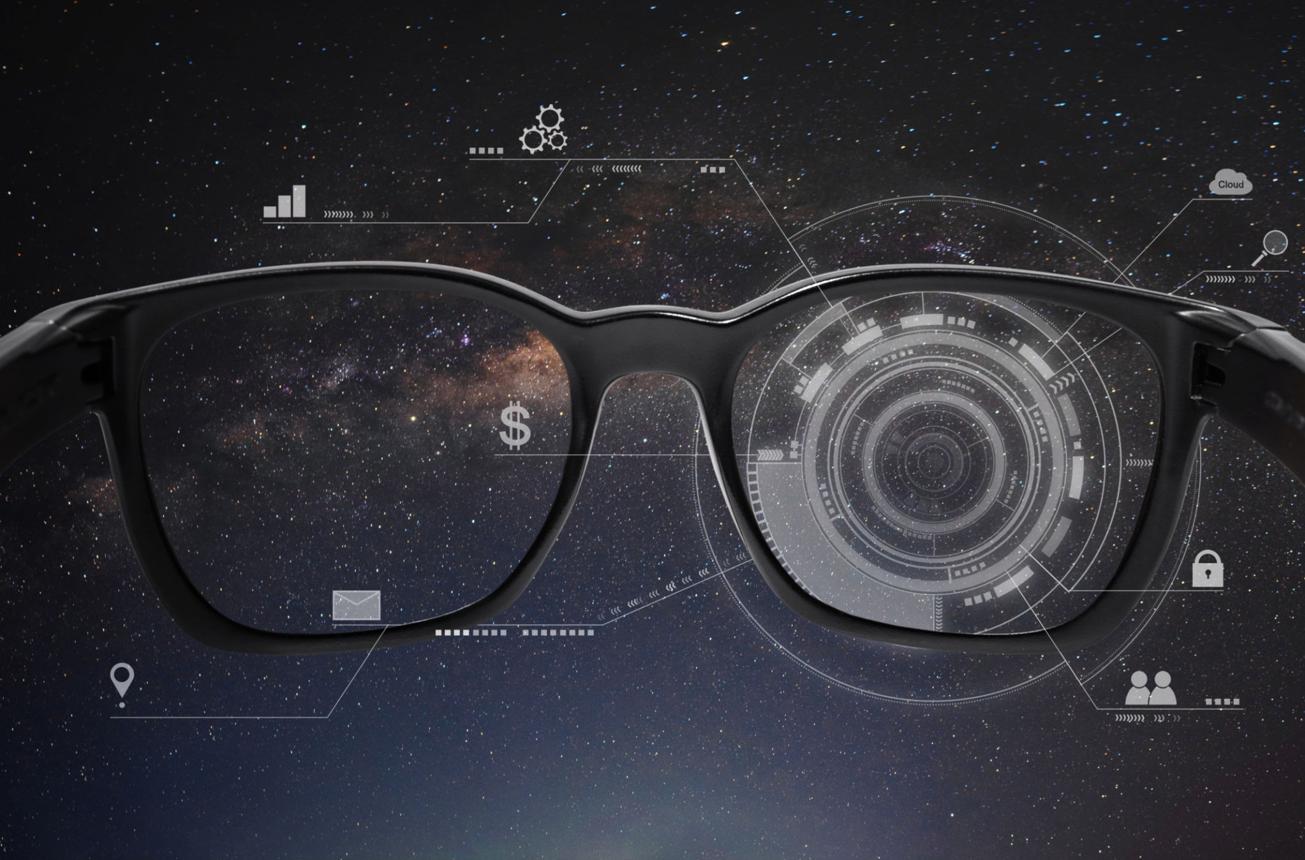
Today’s glasses are:
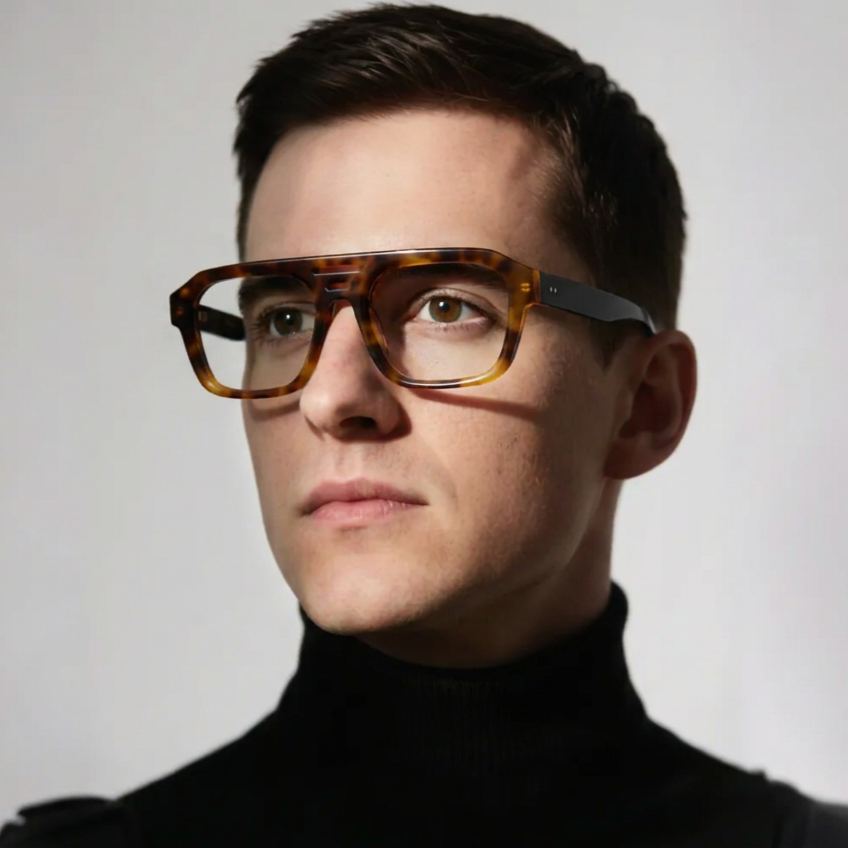
- Ultra-lightweight (titanium, TR90 plastics)
- Highly customized (progressives, blue light, photochromic)
- Digitally optimized (anti-reflective coatings, UV protection)
- Even “smart” (AR and AI-powered eyewear emerging)
Eyewear has become a blend of:
- Medical technology
- Fashion design
- Digital innovation
Quick Timeline Summary
- ~1280–1300: First eyeglasses invented in Italy
- 1300s–1400s: Spread across Europe
- 1500s–1600s: Optical science improves lenses
- 1700s: Bifocals invented, modern concepts begin
- 1800s: Mass production and side arms introduced
- 1900s: Fashion eyewear becomes mainstream
- 2000s–today: High-tech, lightweight, multifunctional glasses
Final Takeaway
Eyeglasses have been around for over 700 years, evolving from simple convex lenses used by scholars into today’s advanced, stylish optical devices. What started as a practical invention in medieval Italy has become one of the most essential—and personal—tools in daily life.
https://scoolglasses.com/products/aviator-glasses-mj-mb1381-7.png?w=1024&h=1024)



-1.png?w=2048&h=2048)



.jpg?w=569&h=569)
-1.png?w=800&h=800)


-14--1.png?w=2048&h=2048)