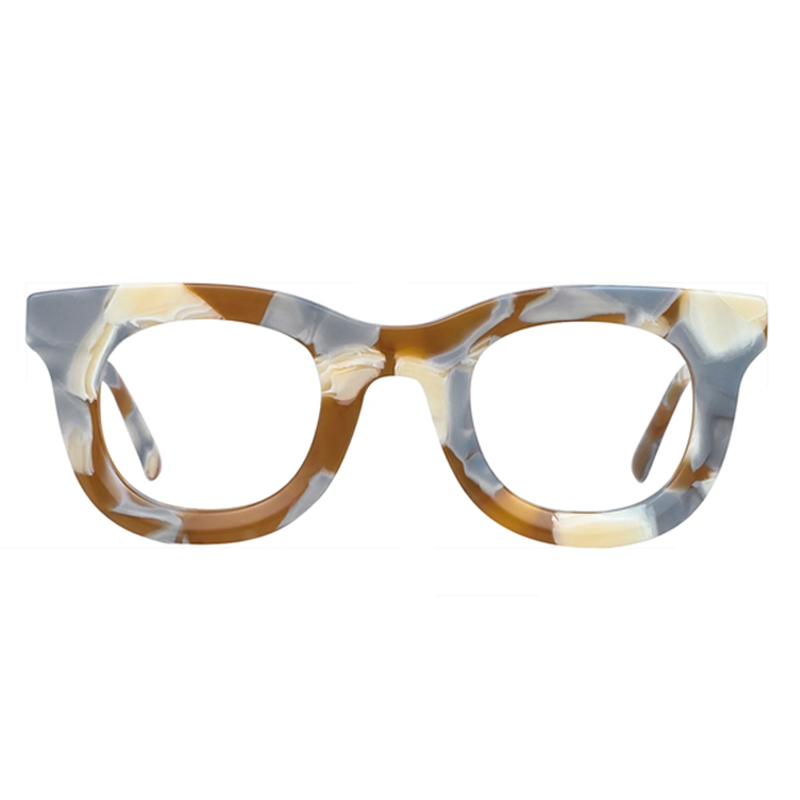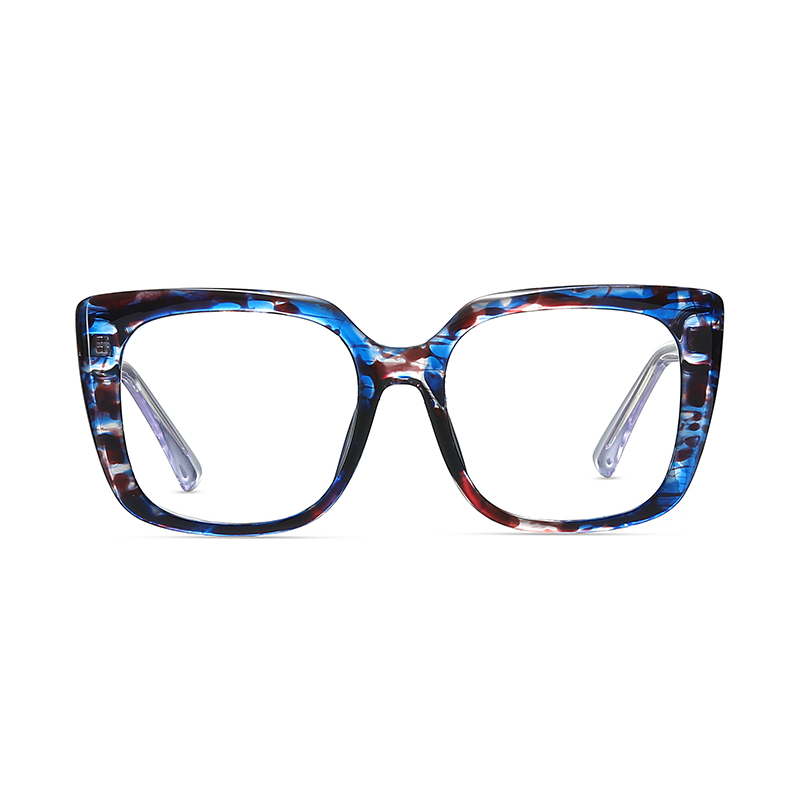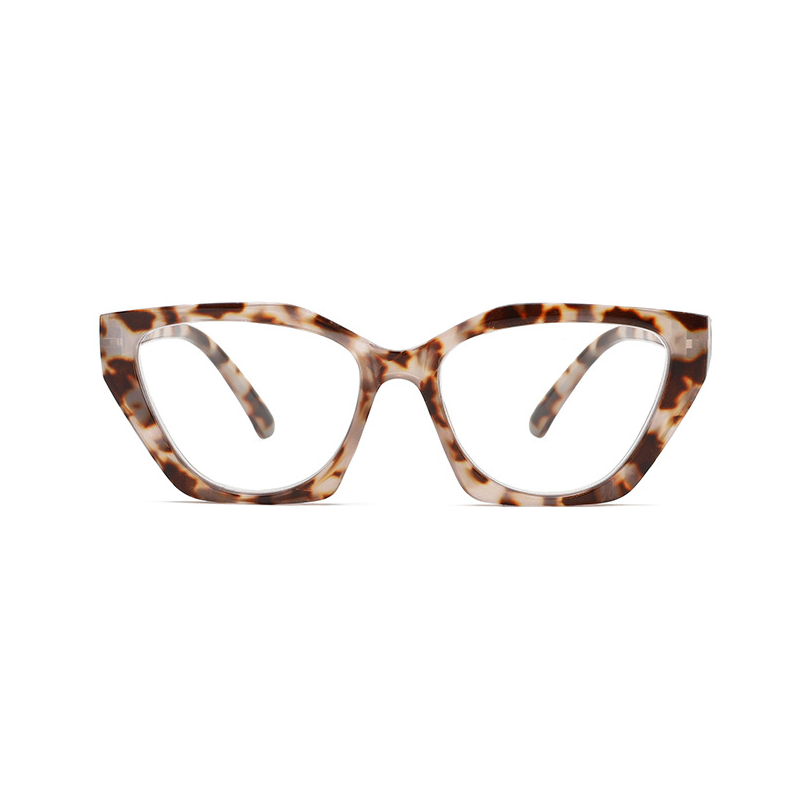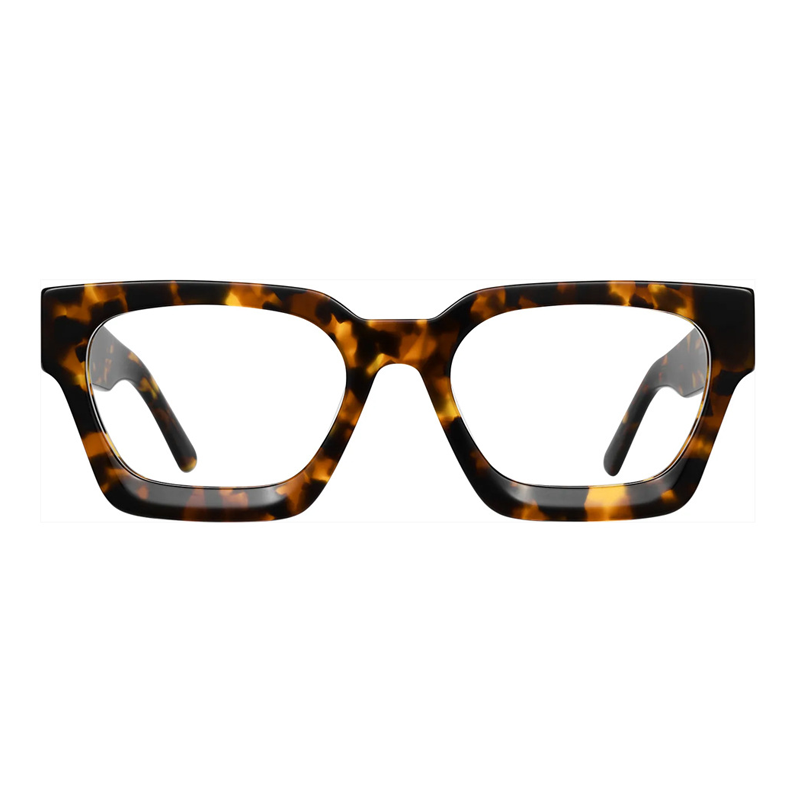


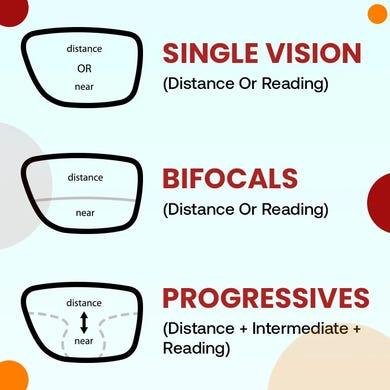
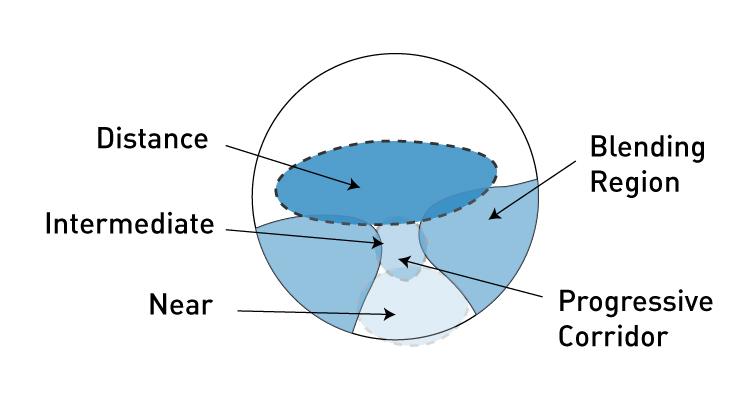
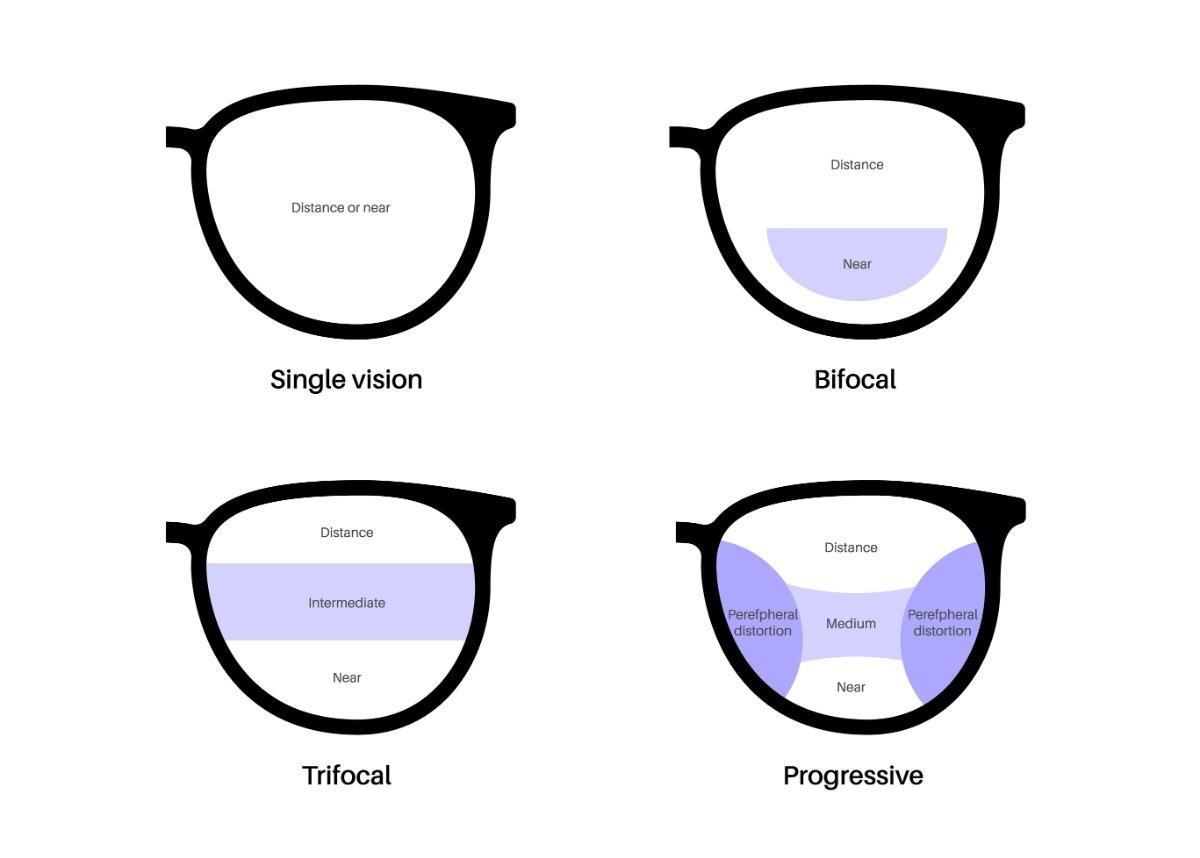
The main difference is how many viewing distances each lens corrects and how the prescription is arranged.
| Feature | Single Vision | Progressive | Bifocal |
|---|---|---|---|
| Number of prescription powers | 1 | Multiple | 2 |
| Distance correction | Yes | Yes | Yes |
| Near/reading correction | Yes (if prescribed for near only) | Yes | Yes |
| Intermediate/computer distance | Usually no | Yes | Usually limited |
| Visible line in lens | No | No | Yes |
| Adaptation period | Usually minimal | Often days to weeks | Usually short |
Single Vision Lenses
How they work
- One prescription across the whole lens
- Entire lens focuses at the same distance
Best for
- Nearsightedness
- Farsightedness
- Astigmatism
- Dedicated reading glasses
- Dedicated computer glasses
Pros
- Simplest design
- Lower cost
- Easy to adapt to
Tradeoff
- If you need different prescriptions for distance and reading, you may need multiple pairs
Progressive Lenses
How they work
- Top: distance vision
- Middle: intermediate/computer vision
- Bottom: near reading vision
- Smooth transition with no visible lines
Best for
- People who need one pair for multiple distances
- Adults with age-related near focusing changes
Pros
- One pair can replace several glasses
- More natural appearance
- Includes computer/intermediate range
Tradeoff
- Can take time to adapt
- Usually more expensive
- Side areas may have some distortion initially
Bifocal Lenses
How they work
- Two distinct sections:
- Upper: distance
- Lower segment: reading
Best for
- Strong reading needs
- People who prefer a clearly separated reading area
Pros
- Larger dedicated reading zone
- Usually less expensive than progressive lenses
Tradeoff
- Visible line
- No smooth intermediate transition (computer distance can be awkward)
A quick rule of thumb:
- Need one distance only → Single vision
- Need distance + reading with a simple design → Bifocal
- Need distance + computer + reading in one pair → Progressive
https://scoolglasses.com/products/square-glasses-mj-ft1138













-7.jpg?w=4096&h=4096)