

Key factors to consider
1. Your prescription and lens type
Your vision needs determine many of the lens choices:
- Single-vision lenses – one prescription throughout the lens (distance or reading).
- Bifocal lenses – two viewing areas.
- Progressive lenses – multiple prescription strengths with no visible line.
If you have a strong prescription:
- Higher-index lenses can make lenses thinner and lighter.
- Smaller frames can reduce lens thickness and edge weight.
2. Face shape and frame balance
Frames don't need to "match rules" perfectly, but balance can help.
Common suggestions:
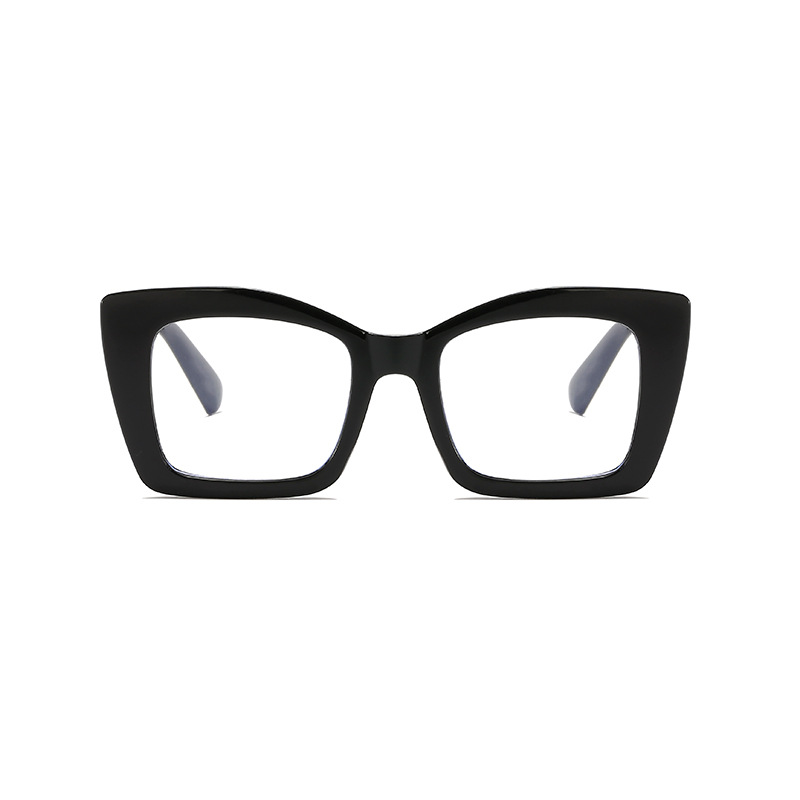
- Round face → angular or rectangular frames
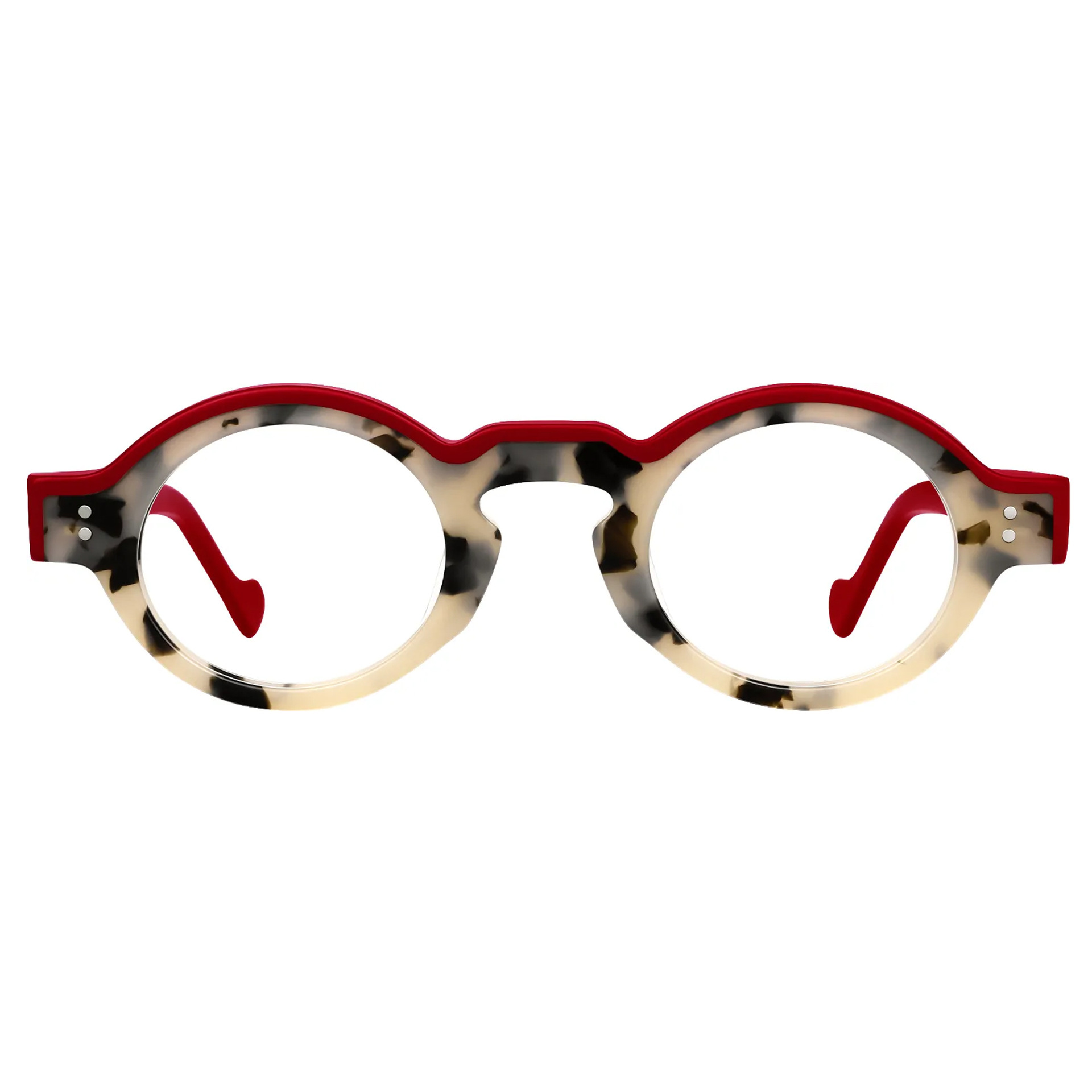
- Square face → round or oval frames
- Oval face → many styles work well
- Heart-shaped face → lighter or lower-heavy frames
3. Frame size and fit
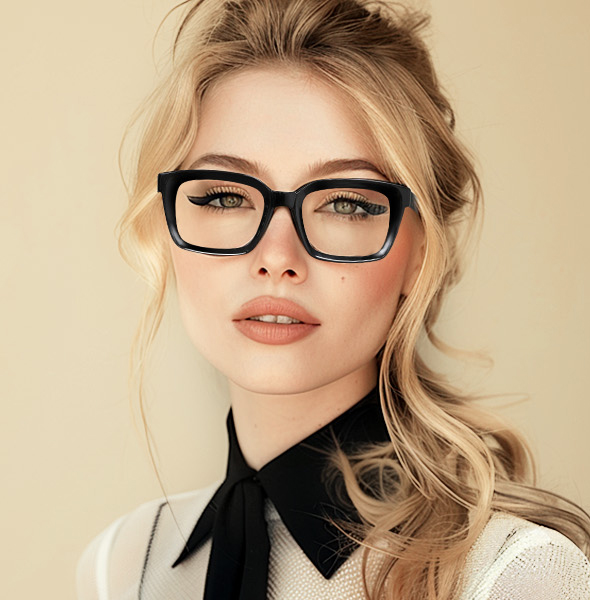
A good fit matters more than style trends.
Check for:
✓ Frames sitting comfortably on the nose
✓ Temples (arms) not squeezing the head
✓ Eyes centered in the lenses
✓ Brows aligned naturally with the frame top
✓ No sliding when moving around
Frames that are too wide or too narrow can affect comfort and even how lenses perform.
4. Lens material
Different materials affect weight, durability, and thickness.
Popular options:
- Polycarbonate
- Lightweight
- Impact resistant
- Good for children and sports
- High-index lenses
- Thinner for stronger prescriptions
- Usually lighter than standard plastic
- Standard plastic
- Affordable
- Works well for mild prescriptions
5. Lens coatings and treatments
Useful add-ons include:
- Anti-reflective coating
- Reduces glare from headlights and screens
- Improves clarity
- UV protection
- Helps block ultraviolet light
- Scratch-resistant coating
- Adds durability
- Blue-light filtering
- May reduce screen discomfort for some people, though benefits vary from person to person
- Photochromic lenses
- Darken outdoors and clear indoors
6. Lifestyle and daily activities
Think about where you'll wear them most:
- Office / computer work → anti-reflective coating, computer-specific lenses
- Driving → glare reduction
- Sports / active use → lightweight, impact-resistant frames and lenses
- Outdoor activities → sunglasses or polarized lenses
- Frequent travel → durable, lightweight materials

7. Frame material
Common choices:
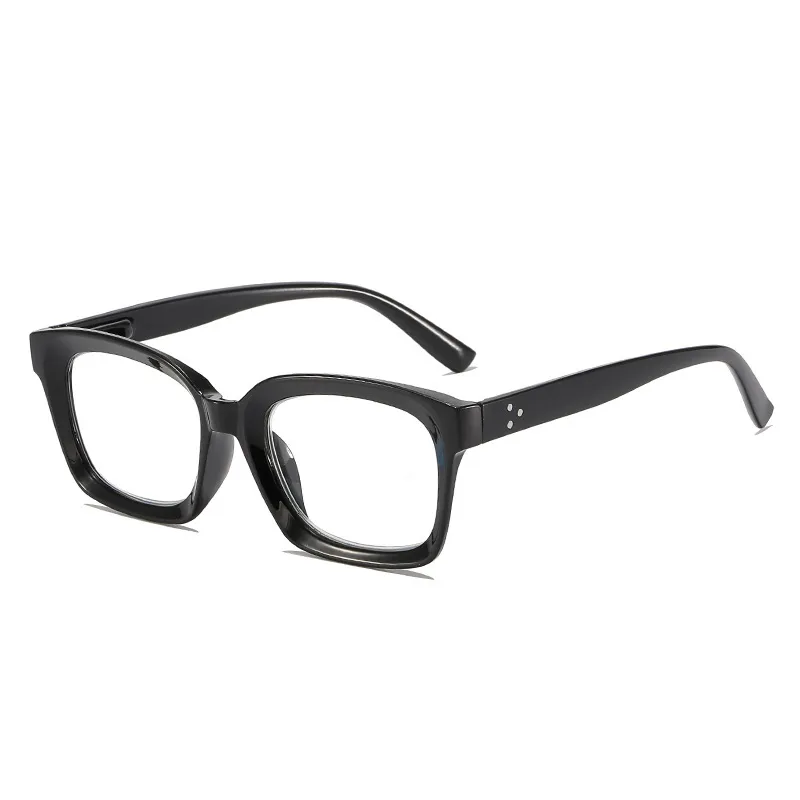
- Plastic/acetate
- More colors and styles
- Lightweight
- Metal
- Slim appearance
- Adjustable nose pads
- Titanium
- Strong, light, corrosion resistant
- Often more expensive
8. Budget
More expensive doesn't always mean better.
Consider:
- Frame cost
- Lens upgrades
- Coatings
- Insurance coverage (if applicable)
Some upgrades improve daily use substantially (anti-reflective coating often does); others depend on personal preference.
Quick checklist before buying
□ Prescription is current
□ Frame fits comfortably
□ Lens type matches your needs
□ Lens material suits your prescription
□ Useful coatings selected
□ Style feels right for your face and preferences
□ Budget works for you
https://scoolglasses.com/products/square-glasses-ps-8736





-1.png?w=2048&h=2048)


.jpg?w=569&h=569)
-1.png?w=800&h=800)


-14--1.png?w=2048&h=2048)