

An eye exam is usually simple, painless, and takes about 30–60 minutes. Here's what typically happens:
1. Medical and Vision History
The eye doctor or technician may ask about:
- Changes in your vision
- Eye discomfort, headaches, or flashes/floaters
- Current glasses or contact lenses
- Medications you take
- Medical conditions such as diabetes or high blood pressure
- Family history of eye disease
2. Visual Acuity Test
You'll read letters on an eye chart to measure how clearly you see at different distances.
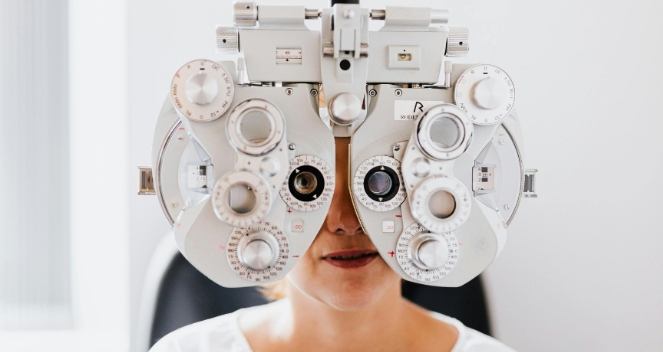
3. Refraction Test
The doctor determines your eyeglass or contact lens prescription by having you look through different lenses and asking:
"Which is better: 1 or 2?"
4. Eye Movement and Alignment Tests
These check how well your eyes work together and how your eye muscles function.
5. Pupil and Peripheral Vision Tests
The doctor may shine a light into your eyes and test your side (peripheral) vision.
6. Eye Pressure Test (Glaucoma Screening)
A common method uses a gentle puff of air or a device that lightly touches the eye after numbing drops. This measures pressure inside the eye.
7. Slit-Lamp Examination
You'll rest your chin on a support while the doctor uses a microscope with a bright light to examine the front of your eyes, including the cornea, iris, and lens.
8. Dilated Eye Exam (Sometimes)
Eye drops may be used to widen (dilate) your pupils so the doctor can examine the retina and optic nerve at the back of the eye.
- Vision may be blurry afterward.
- You may be sensitive to light for several hours.
- Consider bringing sunglasses.
What to Bring
- Your current glasses or contacts
- A list of medications
- Insurance information (if applicable)
- Sunglasses if dilation is expected
When Results Are Discussed
At the end, the doctor will usually:
- Explain your eye health
- Review any changes in your prescription
- Discuss any eye conditions found
- Recommend follow-up care if needed
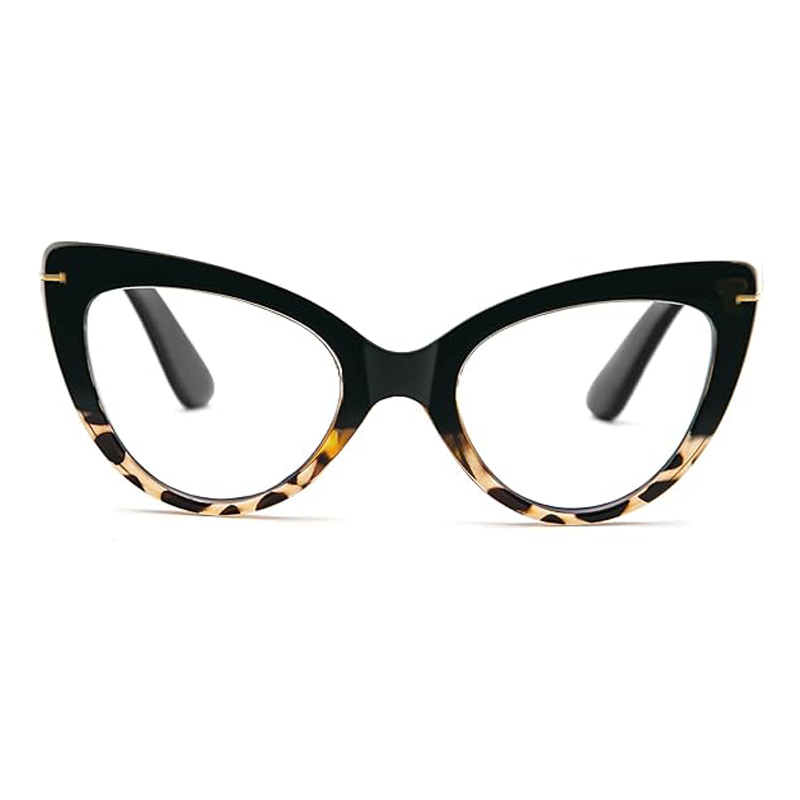
https://scoolglasses.com/products/cat-eye-glasses-69-cat55





-1.png?w=2048&h=2048)



-1.png?w=800&h=800)

.jpg?w=569&h=569)



-14--1.png?w=2048&h=2048)