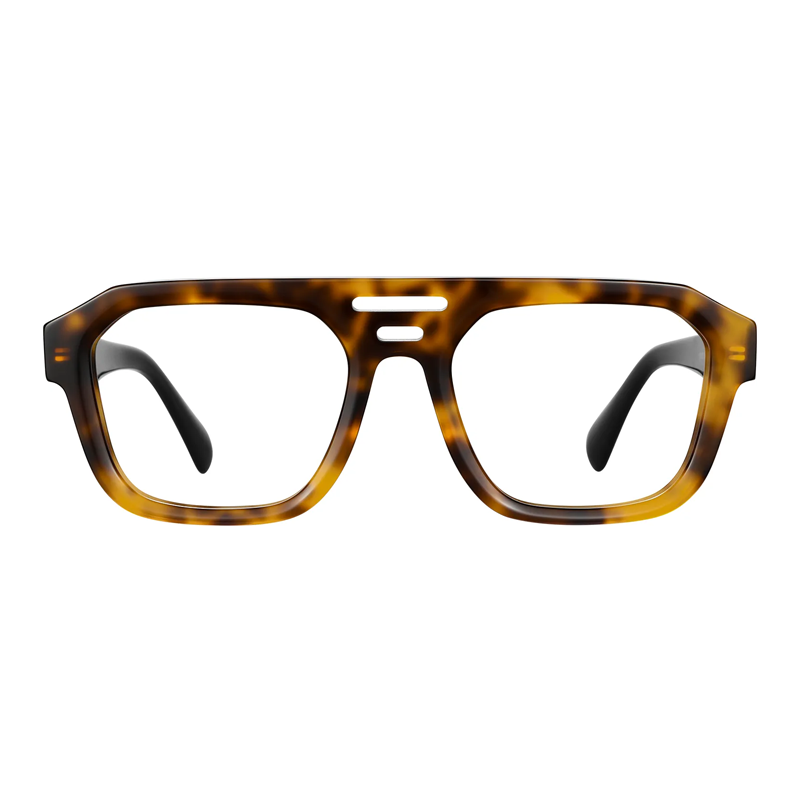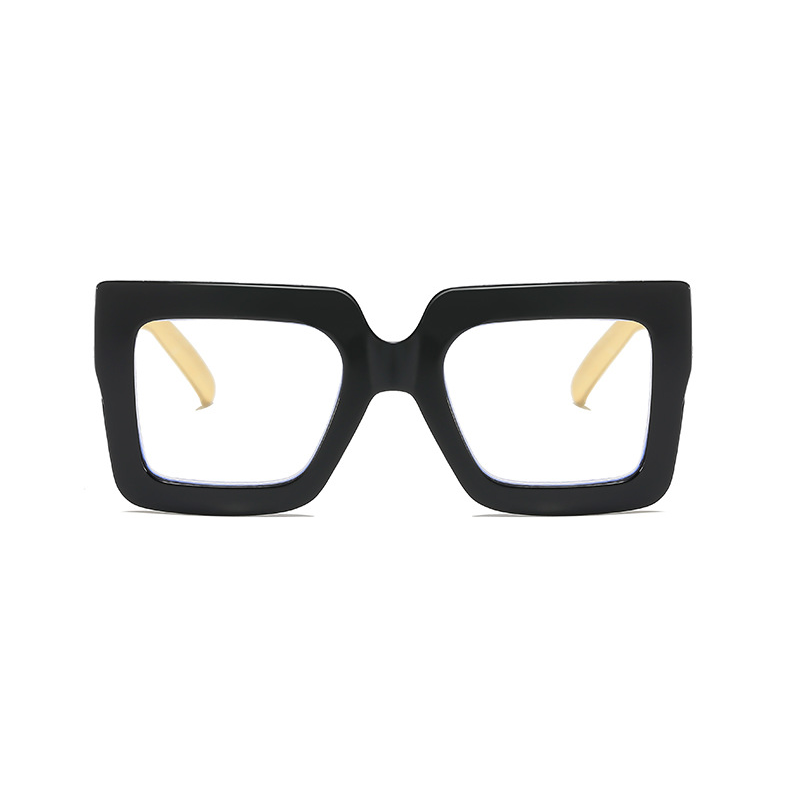


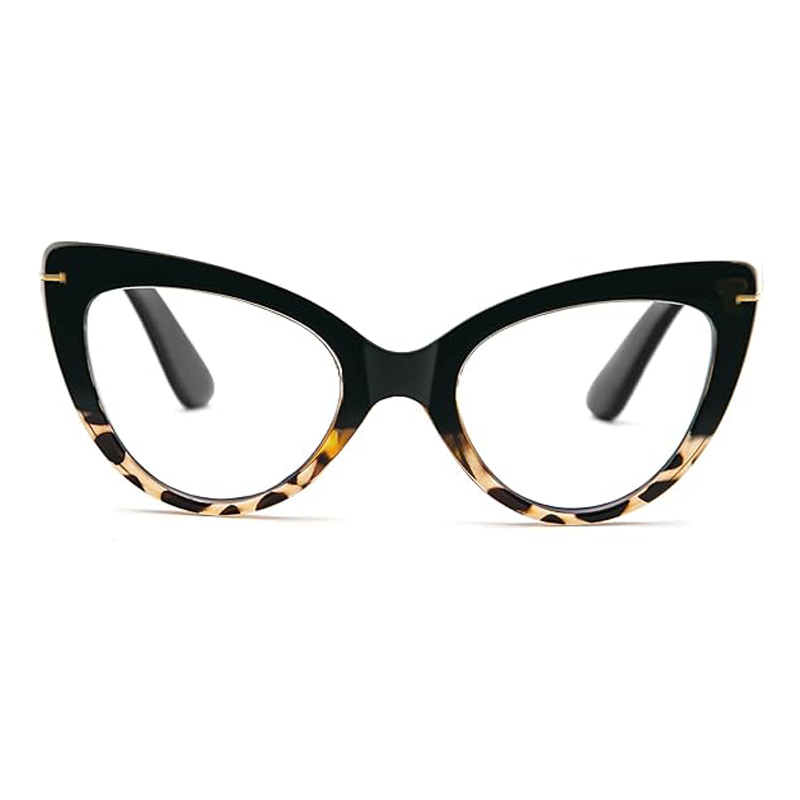
Blue light reading glasses are designed to reduce visual stress from prolonged screen use, especially in environments filled with LED lighting, smartphones, and computer monitors. While they don’t “block” all blue light, they help filter a portion of high-energy visible (HEV) light that can contribute to eye fatigue and discomfort during long reading or screen sessions.
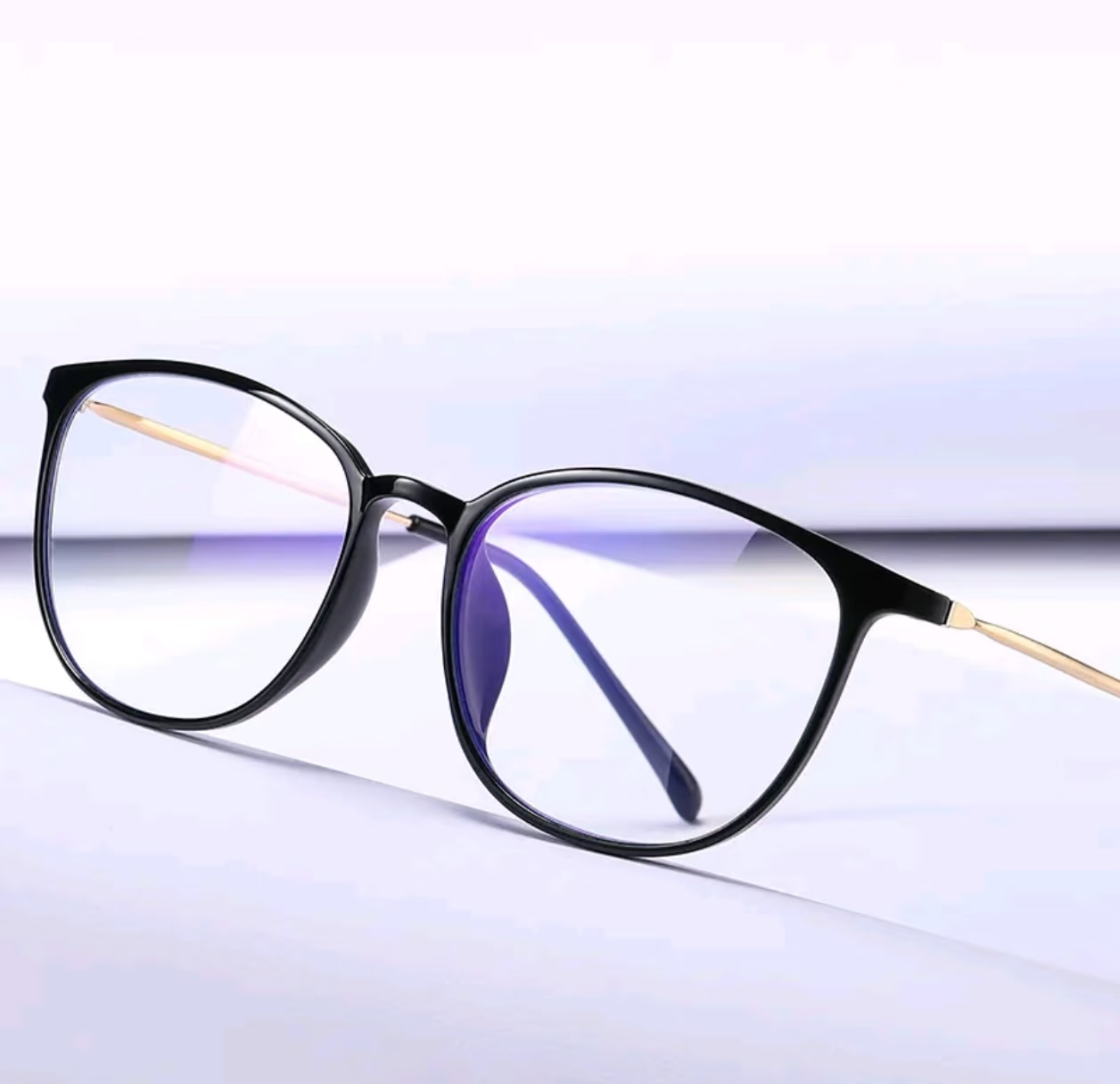
Why blue light matters for your eyes
Digital screens emit a higher proportion of blue-spectrum light compared to natural daylight. This isn’t inherently harmful in normal exposure, but extended close-up viewing can lead to:
- Eye strain and tired, dry eyes
- Difficulty maintaining focus for long periods
- Increased sensitivity to glare
- Disrupted sleep patterns when used at night
Blue light reading glasses aim to soften this visual load, making extended viewing feel more comfortable.
How blue light reading glasses work
These lenses use a special coating or embedded filter that selectively reduces certain wavelengths in the blue range. The effect is subtle—you still see colors clearly, but the light feels less harsh.
Some common designs include:
- Clear lenses with light filtering coating – ideal for daytime office use
- Slightly tinted lenses – provide stronger filtering for heavy screen users
- Magnified reading versions – combine vision correction with blue light filtering
Who can benefit most
Blue light reading glasses are especially useful if you:
- Work long hours on computers or tablets
- Read digital documents frequently
- Experience eye fatigue or headaches after screen time
- Use devices at night before sleep
They’re often used as a preventive comfort tool rather than a medical necessity.
What they can and can’t do
It’s important to set realistic expectations:
They can help with:
- Reducing perceived glare
- Improving visual comfort during screen use
- Supporting more relaxed focusing over time
They don’t:
- Cure eye strain caused by poor posture or excessive screen time
- Replace proper lighting or screen ergonomics
- Fully block all blue light exposure
Pairing them with healthy screen habits
For best results, blue light reading glasses should be used alongside:
- Proper monitor brightness and warm color settings
- Regular breaks like the 20-20-20 rule
- Adequate room lighting (avoid dark-room screen use)
- Correct screen distance and posture
Bottom line
Blue light reading glasses are a simple, practical tool to make digital life more comfortable. When combined with smart screen habits, they can help reduce visual fatigue and support a more relaxed, sustainable viewing experience—especially for people who spend most of their day in front of screens.
https://scoolglasses.com/products/ms-23107





-1.png?w=2048&h=2048)



-1.png?w=800&h=800)

.jpg?w=569&h=569)



-14--1.png?w=2048&h=2048)